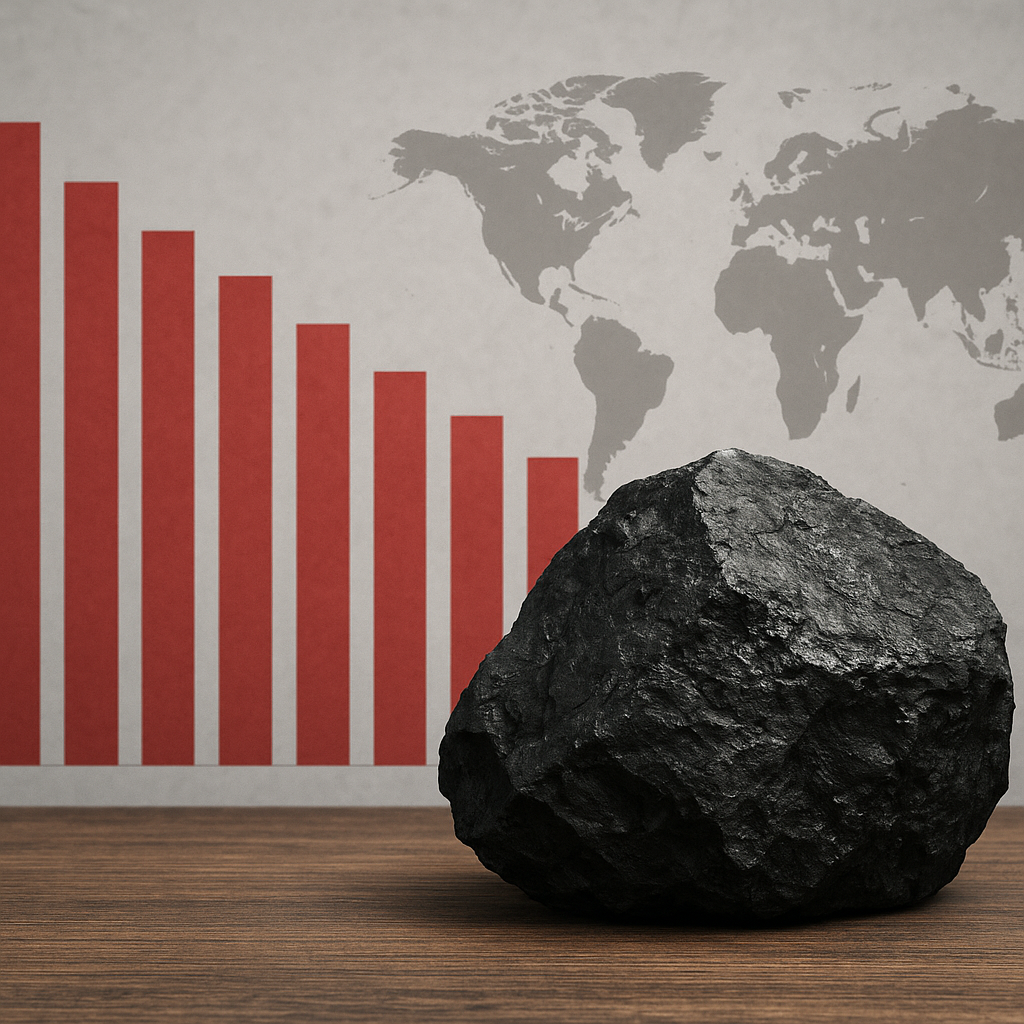
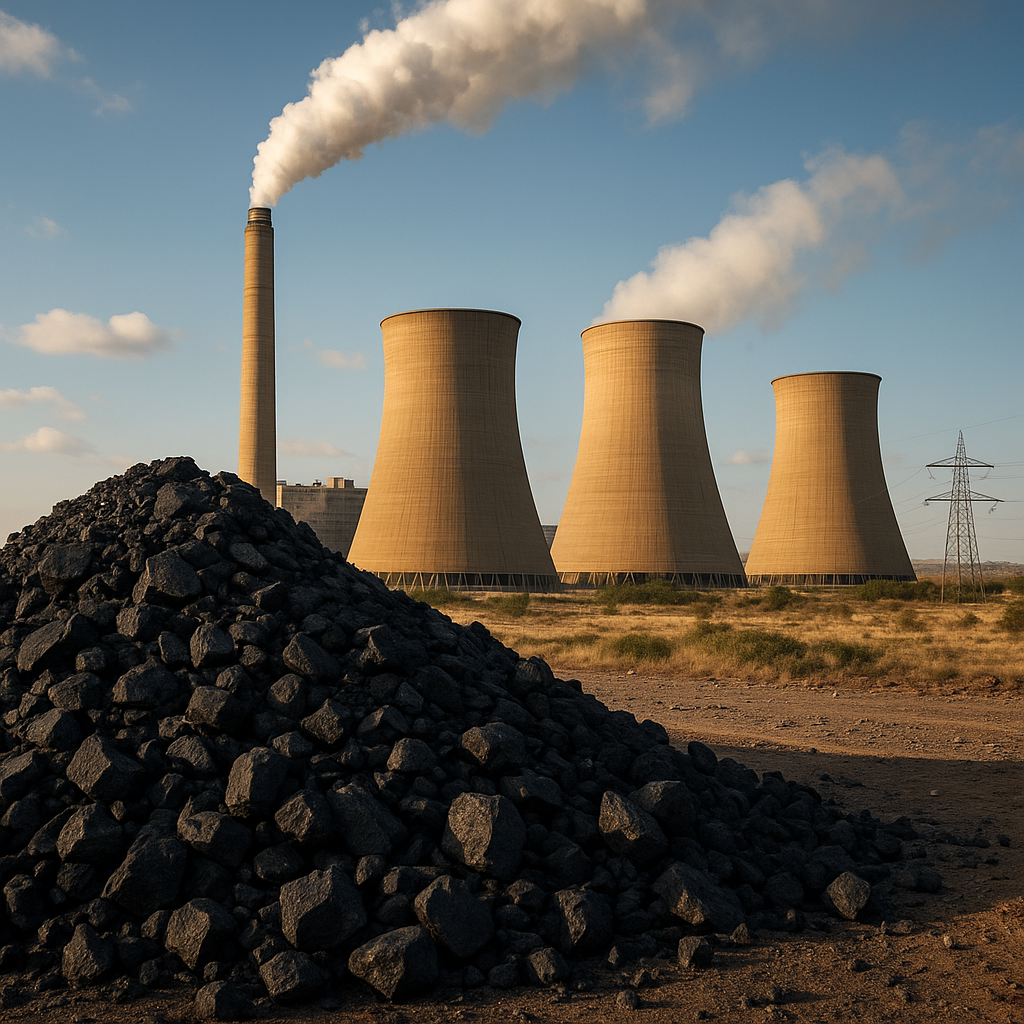
The Role of Coal in Powering the Global South explores how one of the world’s oldest energy sources remains a driving force in emerging economies. This article examines the distribution of coal reserves, the financial dynamics of coal stock, and the pressing environmental and social issues tied to its use. Through an in-depth look at technological developments and policy shifts, we highlight pathways toward a more sustainable energy future without overlooking coal’s ongoing influence on growth and infrastructure development.
Coal Reserves and Global Distribution
With more than 1,100 billion tonnes of proven coal reserves worldwide, the resource is deeply embedded in the economic frameworks of many nations in the Global South. Understanding its geographical distribution offers insight into future patterns of production and export.
Major Coal-Bearing Regions
- India: The world’s second-largest coal producer, boasting vast deposits in Jharkhand, Odisha, and Chhattisgarh.
- Indonesia: A leading exporter of thermal coal, leveraging abundant reserves in Kalimantan and Sumatra to fuel regional power plants.
- South Africa: Home to the largest coal reserves in Africa, primarily in the Mpumalanga province, supporting domestic power generation and export markets.
- Colombia: An emerging player in seaborne coal markets, with high-grade deposits along the Caribbean coast.
Technological Advances in Extraction
Recent innovations have improved mining safety and yield: mechanized longwall systems, advanced seam mapping, and water management techniques. These developments enhance resource recovery while reducing environmental footprints. At the same time, investment in carbon capture and storage (CCS) in coal-fired plants remains crucial for mitigating greenhouse gases.
Economic Impact of Coal Stock
The concept of coal stock extends beyond physical inventories to include public and private equity interests in coal-mining companies. Financial markets track coal sector performance via indices and share prices, reflecting both commodity demand and regulatory pressures.
Inventory Management and Supply Chains
- Strategic stockpiles buffer against supply shocks, ensuring energy security during monsoon disruptions or logistical bottlenecks.
- Private coal stock held by utilities influences power tariffs and fiscal planning in developing nations.
- Global shipping capacities for bulk carriers dictate how swiftly surplus can reach import-dependent countries.
Investment Trends and Market Valuation
Investor sentiment toward coal is shifting. While some funds divest from coal mining due to ESG concerns, others seek undervalued assets in the Global South where regulatory frameworks remain favorable to fossil fuels. Financial instruments include:
- Equity stakes in publicly traded coal enterprises.
- Corporate bonds financing mine expansions and modernization.
- Energy derivatives hedging against volatile coal prices.
Environmental and Social Challenges
Despite the economic advantages, coal use brings substantial costs. Environmental damage and public health issues weigh heavily on communities near mining sites and coal-fired power stations.
Air and Water Pollution
- Particulate matter and sulfur dioxide emissions contribute to respiratory diseases.
- Acid mine drainage contaminates rivers and groundwater, threatening fisheries and agriculture.
- Fly ash disposal at disposal sites leads to soil degradation and dust hazards.
Community Displacement and Labor Conditions
Large-scale open-pit operations often require resettlement of indigenous and rural populations. While investment in local employment can generate income, workers face safety risks and inconsistent labor standards. Social unrest sometimes arises over land rights, exacerbating tensions between governments, corporations, and affected families.
Climate Change Implications
Coal combustion remains the largest single source of greenhouse gases globally. For nations in the Global South, balancing development goals with emission commitments under international agreements poses a significant policy challenge. Some countries explore co-firing biomass in existing coal plants to reduce net carbon intensity.
Transition Strategies and Future Outlook
The Global South stands at a crossroads: continue deepening reliance on coal or accelerate the adoption of cleaner alternatives. Effective strategies often combine pragmatic short-term measures with visionary long-term planning.
Improving Coal Plant Efficiency
- Retrofitting older facilities with supercritical and ultra-supercritical technologies reduces fuel consumption per megawatt-hour.
- Implementing variable renewable integration can allow coal units to operate flexibly alongside solar and wind generation.
- Digital monitoring systems optimize combustion and lower unplanned outages.
Investing in Renewable Energy
International funding and public–private partnerships help expand solar, wind, and hydro capacity. By leveraging coal revenue and easing regulatory hurdles, governments can:
- Offer tax incentives for renewable developers.
- Transition skilled coal workers into green energy projects through training programs.
- Channel revenues from coal exports into sustainability-focused reserves and infrastructure funds.
Policy and Regulatory Reforms
Clear carbon pricing, stricter emission standards, and transparent permitting processes are key to guiding investment flows. Collaboration with multilateral development banks fosters capacity building and technology transfer. Strong regulatory frameworks ensure that extraction and utilization of coal remain accountable to environmental and social safeguards.
Conclusion
Coal continues to play a vital role in powering the Global South, driving industrialization and addressing energy deficits. However, the mounting environmental and social costs necessitate a balanced approach that preserves economic gains while steering toward a low-carbon future. Through a combination of technological upgrades, financial innovation, and policy reform, countries can harness the best of coal’s reliability while paving the way for cleaner, more resilient energy systems.