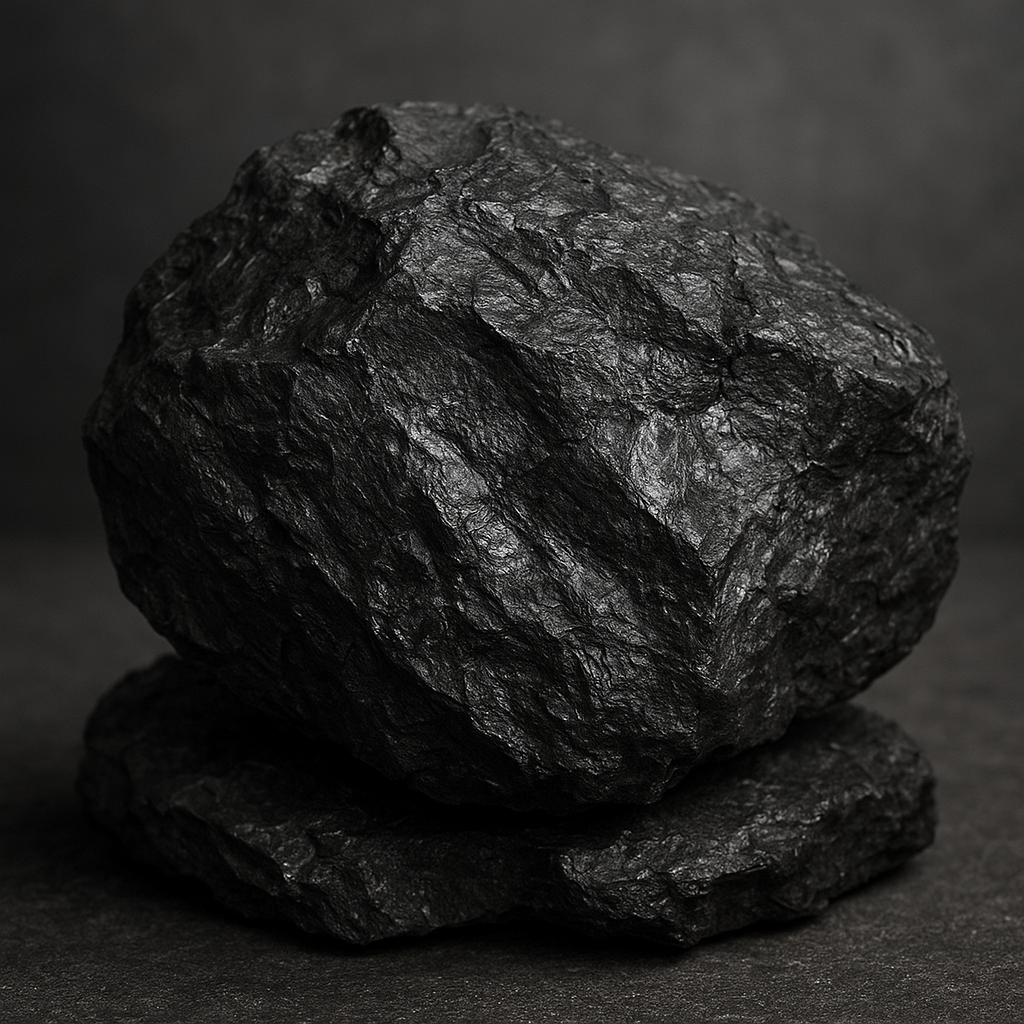
Carbon-rich hard coal
This article examines the geological nature, distribution, extraction, economic importance and industrial uses of high-carbon hard coal — a group of coals valued for their high fixed carbon content and…


Foundry coke coal
Foundry coke coal is a specialized form of **metallurgical coal** that, after carbonization, yields a solid carbon product used predominantly in metal foundries and certain smelting applications. This article examines…


Bituminous briquettes
Bituminous briquettes are a form of processed coal that combine the properties of natural bituminous coal with mechanical compaction and, often, added binders to create a solid, uniform fuel product.…


Run-of-mine coal (ROM coal)
Run-of-mine coal (commonly abbreviated as ROM coal) is the raw material produced directly from a mine before any processing, washing or blending. It represents the first form of coal as…
)

G-grade coal
This article examines the properties, distribution, economic role and industrial significance of a category frequently referred to as G-grade coal. The term can have several meanings depending on national standards…


Long-flame coal
Long-flame coal is a historically important and still widely used category of coal characterized by its distinctive burning behavior, broad occurrence in many coal basins, and versatile industrial applications. This…


Dry steam coal
This article explores the characteristics, occurrence, economic importance and industrial role of dry steam coal — a variety of coal primarily used for heat and power generation. Dry steam coal…


Fat coal
Fat coal — a traditional term used in many coal-producing countries — denotes a high-quality type of coal valued for its energy content and physical behavior during heating. Often associated…

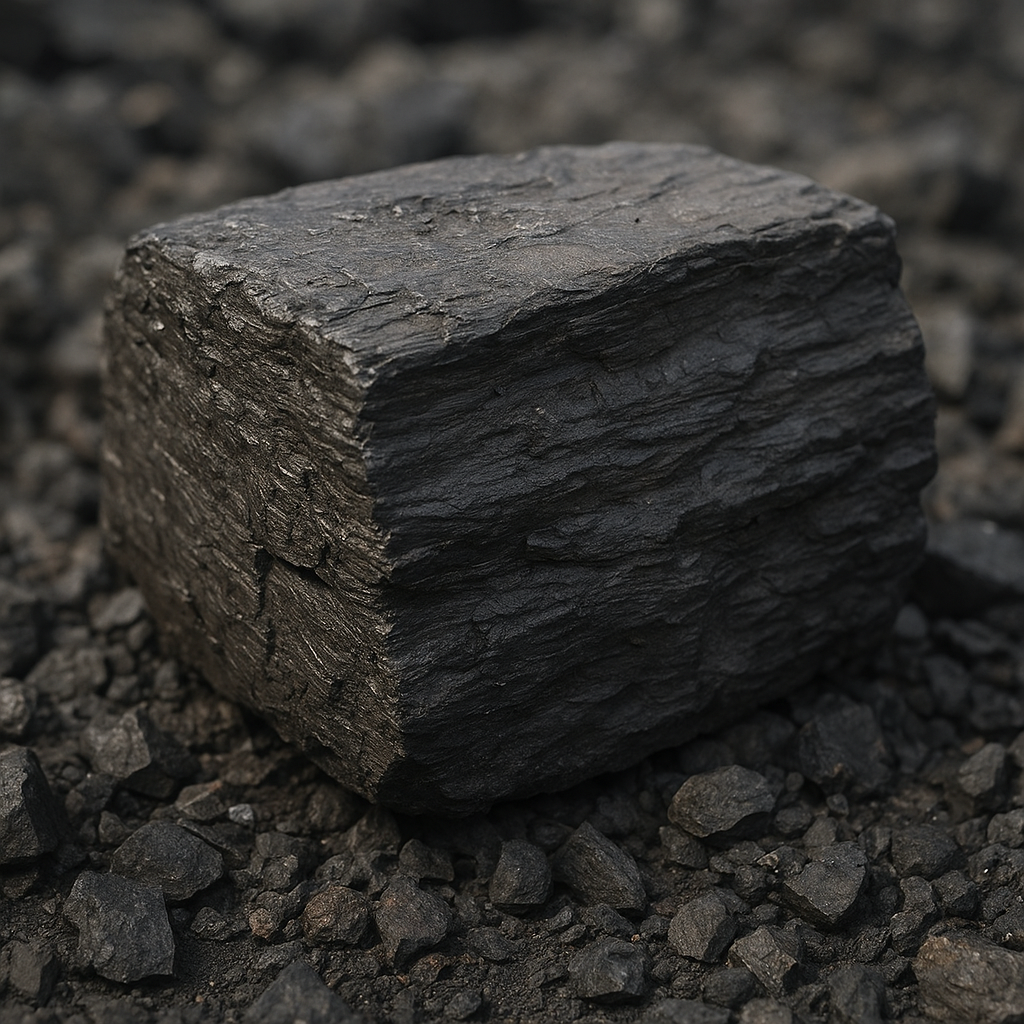
Lignite
This article explores lignite — the lowest-rank form of coal often called “brown coal” — examining its geological origins, physical and chemical properties, where it occurs and is mined, its…


Low-volatile bituminous coal
Low-volatile bituminous coal is a high-rank coal grade prized for its elevated carbon content, strong coking properties and relatively low volatile matter. This article examines its geological characteristics, global distribution,…
