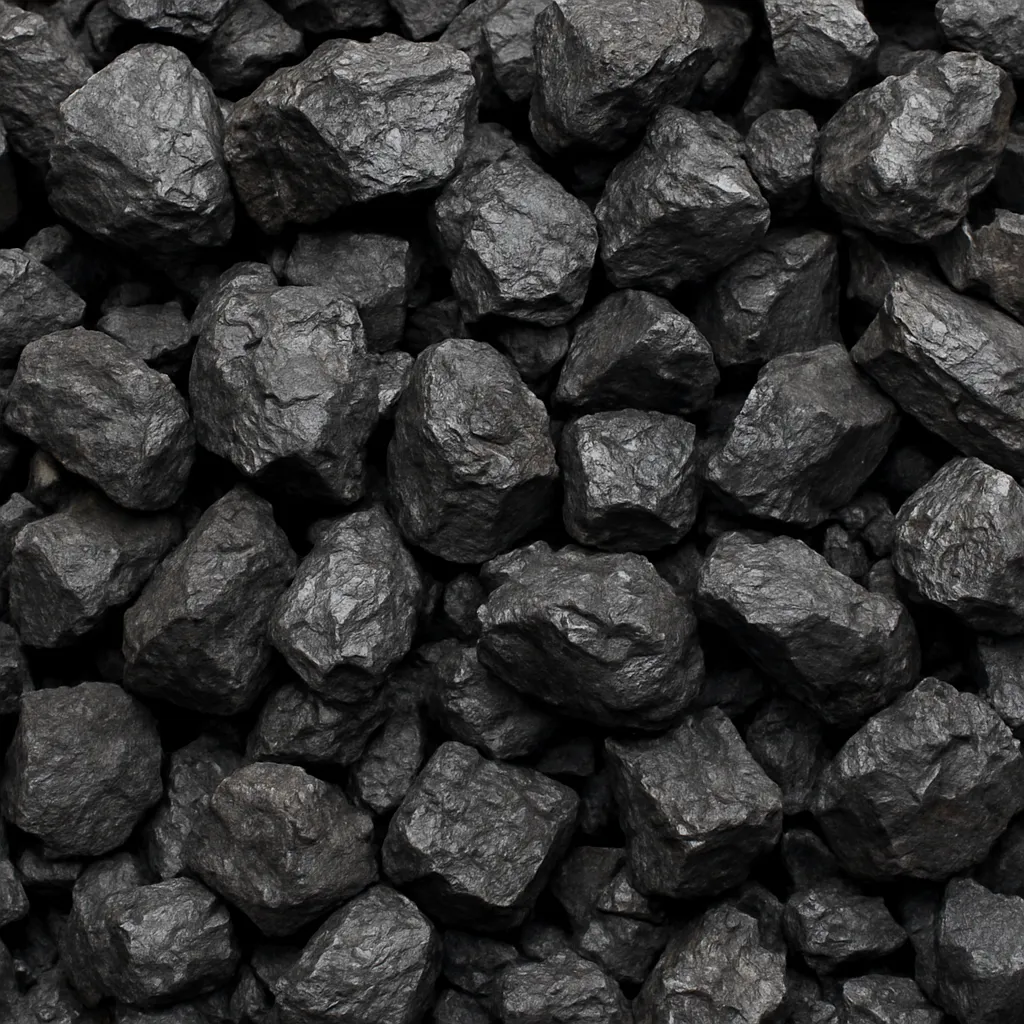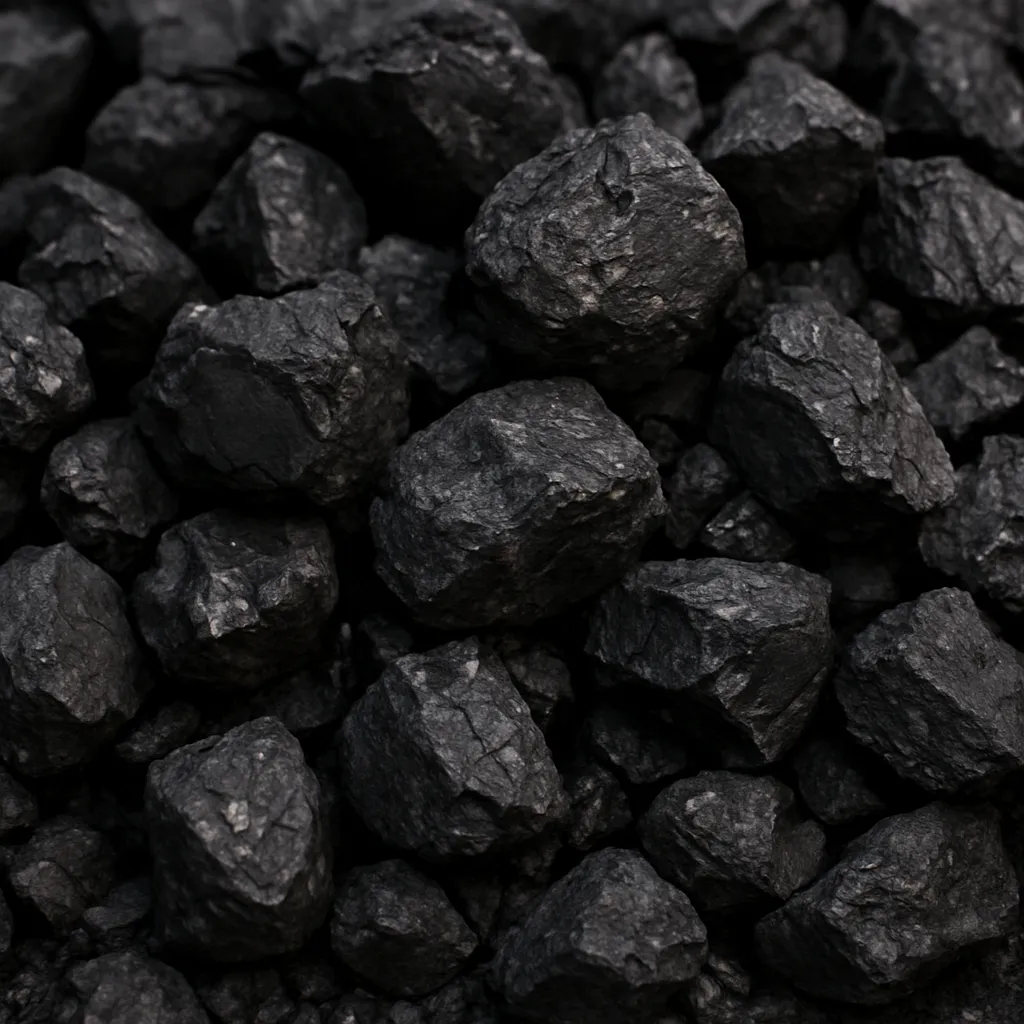
Soft coke blend coal—often referred to in industry as soft or semi-soft coking coal when used in blends—is a category of coal that plays a specialized but crucial role in the production of metallurgical coke and, ultimately, steel. Unlike hard coking coals that generate strong, dense coke, soft coking coals contribute different plasticity and volatile characteristics that influence the final coke quality. This article explores the geological characteristics of these coals, where they occur and are mined, how they are processed and blended for coke-making, their economic and statistical context, and their significance and future in industry and energy transition.
Geology and Characteristics of Soft Coking Coal
Soft coking coals are classified by a combination of petrographic, chemical and coking-property measurements. Key geological and laboratory parameters include rank (carbonyzation), maceral composition (vitrinite, liptinite, inertinite), and coal petrography measures such as vitrinite reflectance. These properties largely determine how a coal behaves during heating and carbonization.
– Coal rank: Soft coking coals are typically in the medium to low volatile bituminous range, with vitrinite reflectance values commonly lower than those of hard coking coal. Lower rank tends to correlate with higher volatile matter and different plasticity behavior.
– Volatile matter and plasticity: Soft coals often exhibit higher volatile matter content and different plastic range characteristics in the Gieseler plastometer and dilatometer tests. That affects how coals fuse, swell and resolidify under coking conditions.
– Ash and impurities: Soft coking coals can have higher ash or mineral matter, and variable levels of sulfur and phosphorus. These impurities are critical because they can impair coke quality and impact downstream steelmaking.
– Coking indices: Technically, soft coals usually show lower free swelling index (FSI) values and different Roga/Grey-King responses compared with hard coking coals. When blended appropriately with stronger coals, they can produce coke that meets blast furnace requirements.
– Final coke properties: The quality of coke is measured by attributes such as coke strength, reactivity, and abrasion resistance. Important indices include Coke Strength after Reaction (CSR) and Coke Reactivity Index (CRI). Soft coals influence the plasticity and bulk density of the charge and hence the resulting CSR/CRI balance.
Because soft coking coals are less able to form a highly coherent coke structure by themselves, they are almost always used in blends with harder coking coals or in conjunction with agglomeration technologies to achieve the target properties needed for metallurgical use.
Occurrence and Major Producing Regions
Soft coking coals are found worldwide wherever conditions favored the accumulation and burial of organic-rich peat and its subsequent coalification to bituminous ranks. Major geological basins producing coals suitable for soft coking blends include:
– Australia: While widely known for high-quality hard coking coal, Australia also produces semi-soft and soft coking coals in basins such as the Bowen and Surat basins in Queensland and the Hunter region in New South Wales. Australia is the world’s dominant exporter of metallurgical coal.
– China: China has extensive coalfields (e.g., Shaanxi, Shanxi, Inner Mongolia) producing a wide range of ranks, including coals used in coke blends. Much of China’s coking coal is consumed domestically to support its large steel industry.
– Russia: The Kuznetsk (Kuzbass) basin and eastern Siberian fields produce both hard and softer coking coals and are significant exporters to Europe and Asia.
– United States: Appalachian basin coals (e.g., Pennsylvania, West Virginia) are better known for metallurgical qualities but include medium-volatile coals used in blends. The U.S. also supplies metallurgical coal from the Illinois Basin and Powder River Basin in different forms.
– Canada: British Columbia and Alberta host coking coal mines producing a mix of hard and semi-soft coking coals suitable for blending.
– Mongolia: The South Gobi region (e.g., Tavan Tolgoi area and other deposits) has become notable for metallurgical coal and coking coal exports to China and beyond.
– South Africa and India: Both produce coals used domestically for steelmaking; South African coals often require blending due to ash and sulfur considerations. India’s coking coal resources are often of lower quality and are complemented by imports.
– Indonesia: Primarily an exporter of thermal coal, Indonesia also supplies semi-soft coals used for pulverized coal injection (PCI) and some coking blends.
Regional characteristics matter: in Asia, proximity to large steelmakers in China, Japan, South Korea, and India drives demand for specific coal grades and frequent use of blended recipes to achieve the required coke quality cost-effectively.
Processing, Blending and Coke Production
Soft coking coal is rarely coked alone; it is primarily a component of coal blends engineered to deliver the desired coke properties. The blend design is a technical discipline combining coal science and metallurgical requirements.
– Preparation and beneficiation: Raw coal is processed in washeries to reduce ash and remove deleterious minerals. Washing improves quality but can alter volatile matter and caking behavior, so trade-offs are carefully managed.
– Blending strategies: Typical coke blends mix hard coking coal (to supply strength and coke structure) with semi-soft or soft coking coals (to provide plasticity and reduce costs). The blending ratio depends on target CSR, FSI, and plant-specific constraints. Advanced blending uses mineral and petrographic data to predict oven performance.
– Coke oven technology: Standard by-product and non-recovery ovens are used. Coke ovens heat the blended coal under controlled oxygen-starved conditions (carbonization), driving off volatiles and forming coke. Coke oven designs and operating practices influence yield, coke quality, emissions, and recovery of by-products such as coal tar and benzol.
– Testing and quality control: Frequent laboratory testing—Gieseler, dilatometry, free swelling index, and pilot-scale coking—guides blend adjustments. End-user tests include measuring coke strength (CSR), reactivity (CRI), coke size distribution, and chemical contaminants.
– Specialized uses: Some soft coals are valued in PCI operations where pulverized coal is injected into blast furnaces as a partial substitute for coke. Here, semi-soft coals with appropriate grindability are often preferred.
The economics of blending have a direct impact on steelmaking costs. Lower-cost soft coals can reduce overall feedstock cost but require careful balance to avoid compromising furnace performance and productivity.
Economic and Statistical Overview
Soft coking coals operate within the broader market for metallurgical coal, which is distinct from thermal coal markets in price dynamics, contract structures, and geographic flows. Some key economic and statistical points:
– Market structure: Metallurgical coal markets comprise seaborne trade and large domestic markets (notably China). Major exporters historically include Australia, Russia, the United States, and Canada. Australia has been the dominant seaborne supplier of metallurgical coal for decades.
– Price dynamics: Metallurgical coal prices are volatile and driven by global steel demand, blast furnace utilization rates, and supply disruptions (e.g., mine outages, weather events, geopolitical tensions). Prices for different coal grades can diverge significantly depending on quality and proximity to buyers.
– Scale and value: While metallurgical coal represents a minority of global coal volume compared to thermal coal, it accounts for a disproportionately large share of the market value because metallurgical grades command higher prices. Exact annual global production figures vary year to year; however, metallurgical coal production and trade have been substantial enough to influence global steel costs.
– Trade flows and import dependence: Several steelmaking countries rely heavily on imports of coking coals and blends—China, Japan, South Korea, and parts of Europe and India (to varying extents) import metallurgical coal to supplement domestic supplies. Mongolia’s exports to China and Australia’s exports to Asia are major trade patterns.
– Employment and regional economies: Coal mining for coking blends supports employment in mining regions and related industries (transport, port services, utilities). The economic footprint includes royalties, taxes, and local procurement.
– Value chain economics: The cost contribution of coking coal and coke to the finished steel product is significant; fluctuations can materially affect steelmakers’ margins. Steelmakers often secure long-term contracts to manage price risk or engage in spot purchases to capitalize on price dips.
– Recent statistical observations (approximate and indicative):
– Globally, the blast furnace-basic oxygen furnace route remains the prominent steelmaking method, accounting for roughly 60–70% of primary steel production, thereby sustaining demand for coke and coking coals.
– Seaborne metallurgical coal trade is dominated by a few suppliers; Australia’s share of the seaborne coking coal market has typically been in the 40–60% range in recent years, depending on the year and grade definitions.
– Coke quality metrics traded in market discussions typically focus on CSR (a good quality coke often falls in the 55–65 CSR range) and ash levels (lower ash being preferable).
Because prices, production and trade flows shift with macroeconomic cycles, buyers and sellers closely monitor steel production forecasts, blast furnace maintenance schedules, and policy drivers (e.g., carbon pricing) that can rapidly reshape demand.
Role in Industry and Strategic Importance
Soft coking coal’s role in the steelmaking supply chain, while often overshadowed by the importance of high-quality hard coking coals, is strategic for several reasons:
– Cost optimization: Using softer, lower-cost coals in blends reduces the raw-material cost per tonne of coke, a major cost item for integrated steelmakers, provided quality targets are met.
– Feedstock flexibility: Blending expands the range of available feedstocks, allowing steelmakers and coke producers to adjust to supply constraints or price movements and to use local coals where feasible.
– Technology compatibility: Advances in coke oven and furnace technologies, controlled atmosphere coking, and improved blend modeling have made it possible to include higher proportions of soft coals without degrading coke quality.
– Supplementing domestic resources: Countries with limited high-quality coking coal reserves can still achieve acceptable coke properties by blending imported or local soft coals, supporting domestic steelmaking capacity.
– PCI and alternative injection: Semi-soft and softer coals suitable for pulverized coal injection provide a route to partially substitute coke in the blast furnace and reduce coke consumption per tonne of hot metal.
However, there are also constraints:
– Operational risk: Inadequately balanced blends can increase coke reactivity, lower strength, and create furnace operational problems, such as reduced permeability and lower productivity.
– Environmental footprint: Coke ovens and coal mining contribute to greenhouse gas emissions and local pollution. Soft coals with higher volatile matter may increase gaseous emissions during coking if not well-managed.
Environmental, Policy and Future Trends
The future role of soft coking coal is closely tied to the steel industry’s decarbonization pathway, evolving regulations, and market dynamics.
– Decarbonization of steelmaking: Global commitments to reduce CO2 emissions have accelerated investment in low-carbon steel technologies such as direct reduced iron (DRI) with natural gas or hydrogen and electric arc furnaces (EAFs) using scrap. These technologies reduce reliance on coke, potentially reducing long-term demand for coking coal. Nevertheless, for the near-to-medium term, many steelmakers will continue to use blast furnaces due to existing asset bases and high-quality steel requirements.
– Hydrogen and DRI: If hydrogen-based DRI and low-carbon reductants scale up rapidly, demand for metallurgical coal—including soft coking coal blends—could decline structurally in the coming decades. The pace depends on policy support, costs of renewable energy, and capital replacement cycles.
– Carbon pricing and regulation: Carbon pricing mechanisms and stricter emissions limits on coke ovens and steel plants increase the relative cost of coke-based steelmaking and may prompt investments in emissions abatement technology (e.g., coke oven gas capture, carbon capture and storage).
– Technological adaptation: Coke producers and steelmakers are investing in improved process control, blend optimization, and partial substitution techniques (PCI, oil injection, bio-coal blends) to reduce coke consumption and emissions while maintaining performance.
– Resource security and geopolitical factors: Supply disruptions (from extreme weather, labor disputes, or geopolitical tensions) can shift sourcing patterns for coking coals and incentivize diversification of suppliers and investments in local beneficiation and blending capabilities.
Practical and Interesting Notes for Industry Observers
– Not all coals labeled “soft” are the same: Terms like soft, semi-soft, or medium coking refer to specific behaviors that must be quantified by laboratory testing—naming alone can be misleading across different geological basins.
– Value lies in characterization: High-resolution petrographic and chemical characterizations have become essential to unlocking the economic value of coals that would otherwise be considered marginal.
– Innovation in blending software: Advanced modeling and machine-learning tools are increasingly used to optimize coal blends for consistent coke quality while minimizing cost.
– Niche markets and specialty cokes: Beyond blast furnace coke, tailored cokes are needed for foundry applications and certain chemical processes; soft coals can be part of these specialty blends.
– Transition timelines differ: Regions with large stocks of existing blast furnace capacity (e.g., parts of China, Europe, Japan) may continue to use coke-based routes for a longer period, sustaining demand for a variety of coking coal blends.
Summary
Soft coke blend coal occupies a pragmatic, technically demanding niche in the metallurgical coal family. While not typically capable of producing premium coke on its own, when carefully processed and blended it becomes an indispensable component that helps steelmakers optimize cost and performance. Geographic diversity in occurrence—from Australia and Russia to China, the United States, Canada, Mongolia, South Africa, and Indonesia—combined with evolving industry practices and decarbonization pressures, defines a dynamic market. The balance between operational imperatives (coke quality, blast furnace performance) and strategic shifts (hydrogen DRI, EAF adoption, carbon policy) will determine the extent to which soft coking coals remain a core feedstock for steel production in the decades ahead.
- Key terms: coking coal, metallurgical, coke, blast furnace, Australia, China, PCI, CSR, ash, volatile matter
- Industry focus: blend optimization, emissions reduction, supply chain resilience