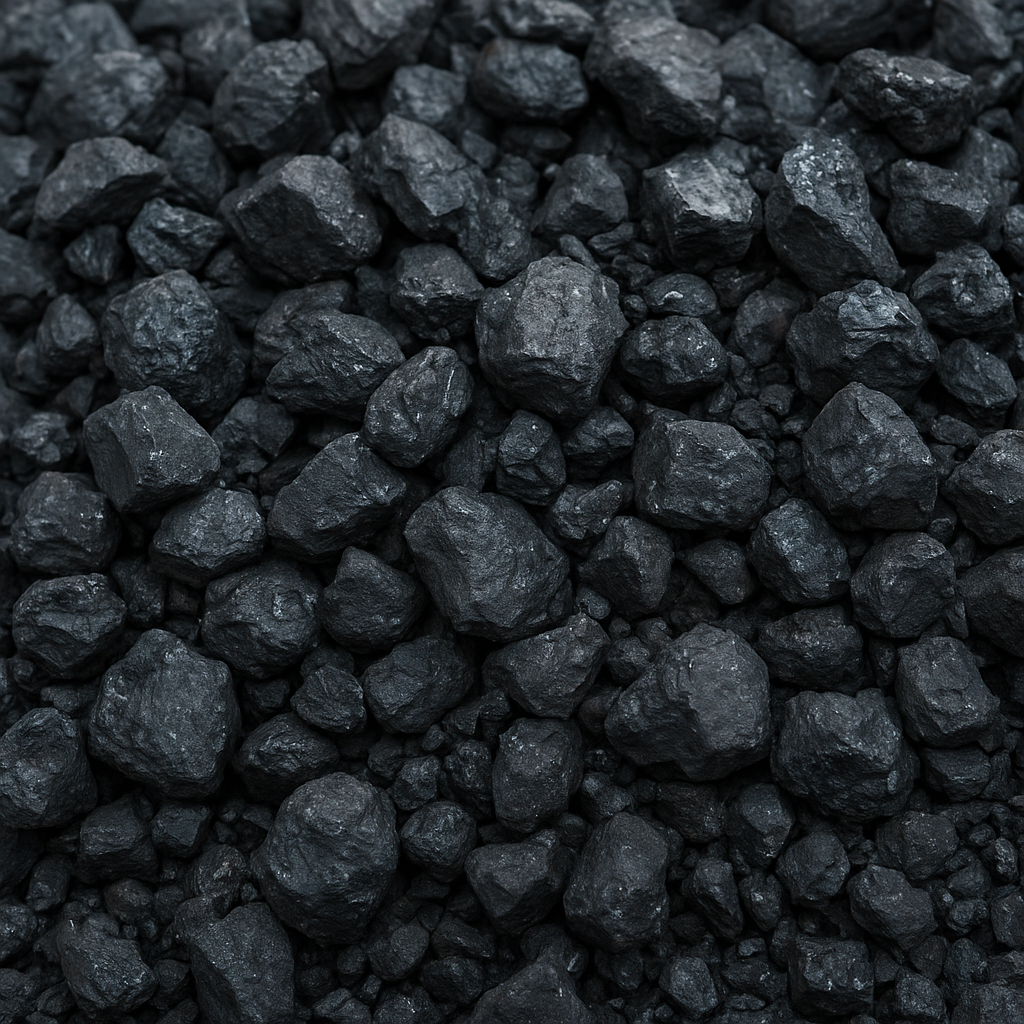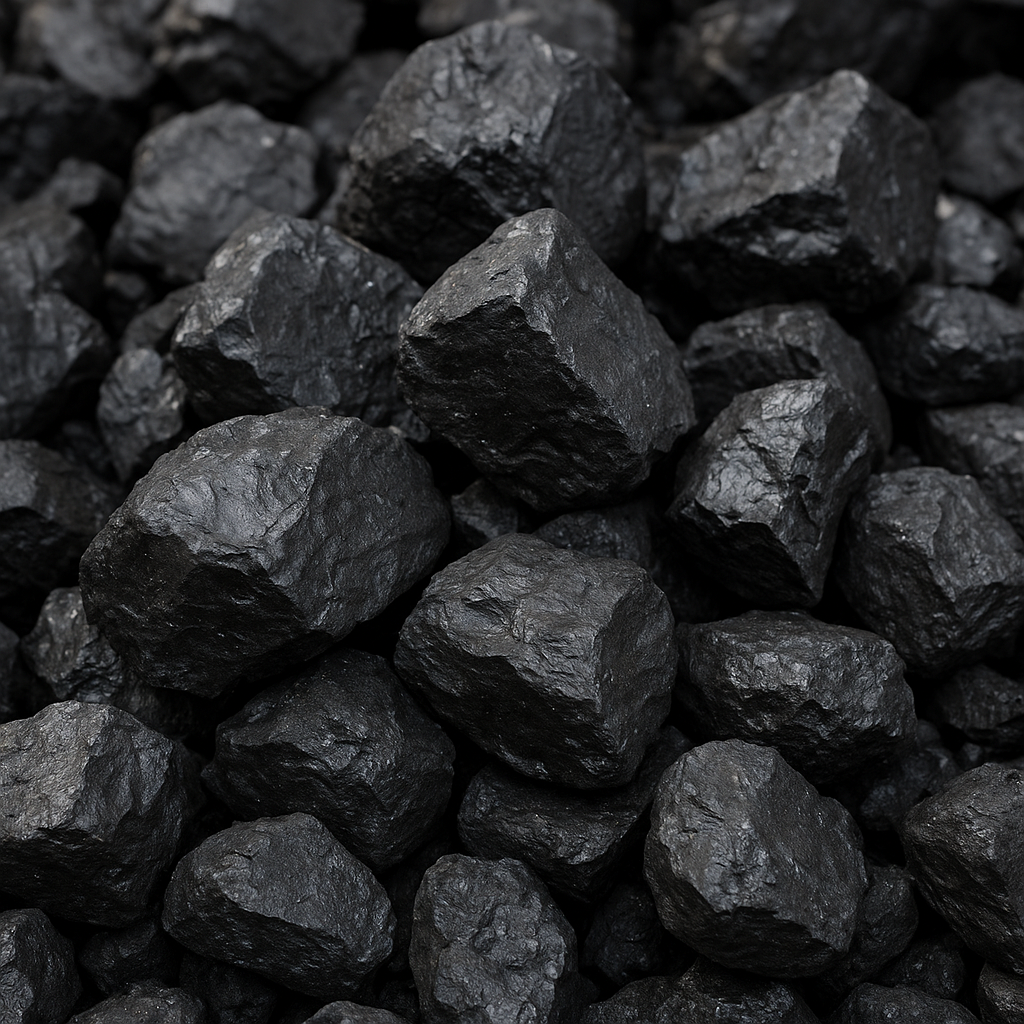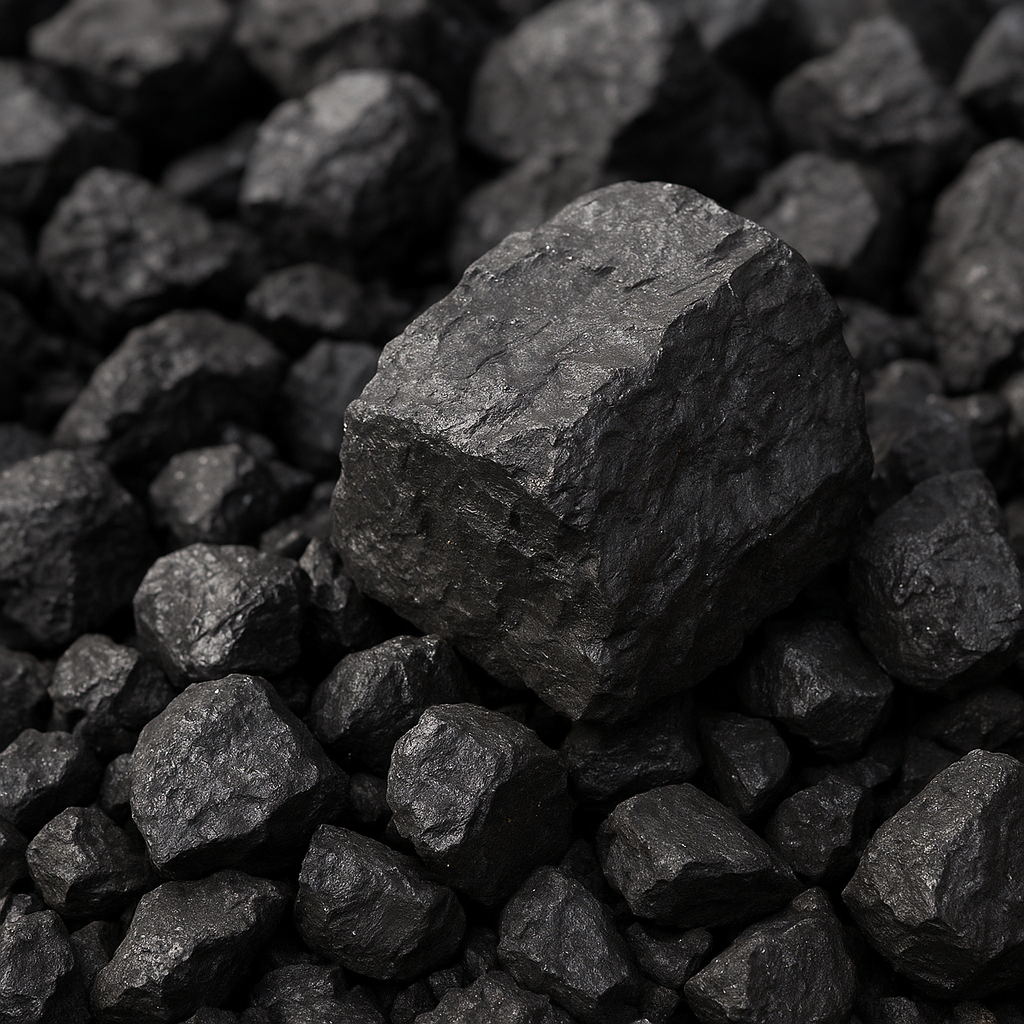
Smokeless coal is a category of coal and coal-derived fuels valued for their low visible smoke output when burned, making them desirable for domestic heating and certain industrial processes where reduced particulate emissions are important. This article explores the nature of smokeless coal, where it is found and produced, its economic and industrial roles, regulatory and environmental contexts, and current market and statistical trends. It also highlights technological developments and future prospects for fuels that combine high energy density with lower local air pollution.
Characteristics and classification of smokeless coal
Smokeless coal is not a single geological type but rather a functional classification. It generally includes coals with high fixed-carbon content and low volatile matter that burn with minimal visible smoke. Key members of this category are anthracite and certain low-volatile bituminous coals, as well as manufactured briquettes and smokeless fuel blends produced for domestic and commercial heating.
Typical properties of smokeless coal include higher carbon content, lower moisture and volatile matter, and greater calorific value per unit mass compared with lower-rank coals (lignite and sub-bituminous coals). Because volatile matter is what tends to produce visible smoke and unburnt hydrocarbons, coals with reduced volatiles produce a cleaner flame and fewer visible particulates. However, it is important to note that “smokeless” does not mean “emission-free.” Combustion still produces gases such as carbon dioxide, nitrogen oxides and, depending on sulfur content, sulfur dioxide.
- Anthracite: the highest-rank coal, hard and glossy, with a carbon content often above 85–95% on a dry basis. It burns hot and with little smoke.
- Semi-anthracite: transitional between anthracite and bituminous coal, often used where anthracite is scarce.
- Low-volatile bituminous coal: used in industrial processes and sometimes cleaned and graded for smokeless domestic fuels.
- Processed smokeless fuels: briquettes and manufactured blocks made from fine coal, binders and sometimes additives to improve combustion or reduce ash.
Where smokeless coal occurs and where it is mined
Geologically, high-rank coals such as anthracite form where organic-rich sediments were subjected to higher temperatures and pressures during burial and metamorphism. These conditions convert plant matter into a dense, carbon-rich material. Major anthracite and equivalent deposits occur in specific regions around the world; however, the global distribution of anthracite is much more limited than that of lower-rank coals.
Significant anthracite and smokeless-coal producing regions include:
- China: hosts very large reserves of high-rank coal and is a major producer of anthracite and semi-anthracite used both domestically and for certain industrial uses. China dominates overall coal production and has significant regional anthracite basins.
- Russia and Ukraine: both have substantial deposits of higher-rank coal, including anthracite and low-volatile bituminous coal used in industry. (Geopolitical factors influence trade flows from these regions.)
- United States: anthracite is found in northeastern Pennsylvania; however, U.S. anthracite production is relatively small today compared with past centuries. The U.S. is more known for bituminous coal production for power and metallurgical uses.
- South Africa: while South Africa is predominantly known for bituminous coal, some higher-rank coals and processed smokeless products are produced for domestic and export markets.
- Australia: a major coal exporter with both thermal and metallurgical coals; some high-grade coals suitable for smokeless fuels originate here or are processed for specific markets.
- United Kingdom and Ireland: domestic anthracite fields historically existed (e.g., parts of Wales). Today, domestic supply is limited and much smokeless fuel is produced from processed coal or imported; the UK and Ireland have strong regulations encouraging smokeless fuels for urban heating.
Because natural anthracite deposits are geographically limited, much of the smokeless fuel used in households is either higher-rank coal that is mined nearby or specially manufactured from cleaned and compacted coal fines. In some countries, domestic smokeless alternatives (peat briquettes, processed biomass blends) supplement or replace mined smokeless coals.
Mining methods and processing for smokeless coal
Smokeless coal can be mined by both underground and surface methods depending on geology and seam depth. High-rank coals were typically formed earlier and may be deeper and more structurally complex, favoring underground mining. Processing is crucial to deliver a consistent smokeless product.
Common mining and post-mining processes include:
- Underground mining (room-and-pillar, longwall): often used where seams are deep and continuous.
- Open-pit mining: used when seams are near-surface; more common for lower-rank thermal coals but applied where conditions permit.
- Washing and beneficiation: removes ash-forming minerals and sulfur, improving calorific value and reducing harmful emissions when burned.
- Briquetting and sintering: transforms coal fines into dense, homogenous blocks that burn more cleanly and predictably, reducing smoke and particulate emissions in domestic stoves.
- Coking and carbonization (industrial): for metallurgical applications, coal is converted into coke under controlled conditions; some high-rank coals make superior coke.
Processing also includes sizing to remove fines that generate more smoke when burned, and blending to achieve desired combustion characteristics. In many urban markets, smokeless fuel standards and labeling require manufacturers to meet specified limits on smoke, sulphur and particulate emissions.
Economic and industrial importance
Although smokeless coal represents a niche segment of the global coal market compared with thermal and coking coals used in power generation and steelmaking, its economic and social relevance can be disproportionately large in certain contexts.
- Domestic heating and fuel security: In regions with cold winters and limited gas infrastructure, smokeless coal provides a reliable heating fuel for households. Because it produces less visible pollution, it is preferred in urban areas where air quality is a concern.
- Metallurgy: Certain smokeless-grade coals (high rank, low volatile) are also prized for metallurgical processes. Their low volatile content makes them favorable for producing high-quality coke and for other carbon-intensive industrial processes.
- Local economies: In mining regions, smokeless coal contributes to employment, regional GDP and tax revenues. The processing of smokeless fuels (briquetting, washing) creates additional value-added activities.
- Exports and trade: Where countries possess anthracite or high-quality coals, they can export to markets that require smokeless fuels or industrial feedstock. However, global trade patterns depend on price competitiveness and logistics.
Pricing for smokeless coal tends to be higher than that of ordinary thermal coal because of the value-added processing, higher energy density, and cleaner-burning properties. Policy choices — such as taxes on polluting fuels, subsidies for cleaner heating solutions, and restrictions on smoky fuels — also shape the economics of smokeless coal markets.
Statistical overview and market data
Global coal production and consumption are large and complex, and smokeless coal represents a small but meaningful subset. For context, global primary coal production (hard coal) in the recent years prior to 2024 has hovered around 7–8 billion tonnes per year, with major producing and consuming countries including China, India, the United States, Australia, Indonesia and Russia. China is by far the largest producer and consumer of coal, accounting for a substantial share of global tonnage.
Estimating the precise share of smokeless coal within total coal production is difficult because many official statistics do not separate coal by “smokeless” designation. However:
- Anthracite and semi-anthracite together likely constitute a relatively small percentage of global coal production — often estimated in the low single digits to low double digits percent range depending on classification and year — because most coal produced globally is used for thermal power (sub-bituminous and bituminous) or metallurgical coke (certain bituminous grades).
- Household and small-scale smokeless fuel markets are significant in some countries (United Kingdom, Ireland, parts of Eastern Europe, China and South Africa), but these markets are much smaller in mass terms than power-generation coal markets.
- Trade flows for high-rank coals are influenced more by industrial demand and by the cost of transportation; Australia, Russia and Colombia are major exporters of various coal types, while China, India and parts of East Asia are large importers for specific grades in some years.
Some representative numbers that illustrate the scale of the broader coal sector (rounded and approximate, to give perspective):
- Global hard coal production: roughly 7–8 billion tonnes per year (early 2020s).
- China’s coal production: approximately 3–4 billion tonnes annually in the same period, accounting for around half of global production.
- Major exporters such as Australia and Indonesia: several hundred million tonnes each annually, with Australia often exporting more than 400–500 million tonnes (mostly thermal and metallurgical coal) and Indonesia exporting a few hundred million tonnes (thermal coal being dominant).
For smokeless coal specifically, national statistics — where available — show a market that fluctuates with domestic energy policy, heating demand and environmental regulation. For example, the United Kingdom and Ireland have regulatory frameworks (e.g., smoke control areas) that have driven demand for certified smokeless fuels and increased imports or domestic processing to meet standards.
Environmental, health and regulatory aspects
One of the primary motivations for smokeless coal is to reduce local air pollution. Visible smoke is associated with incomplete combustion and the emission of fine particulate matter (PM2.5 and PM10), which are linked to respiratory and cardiovascular illnesses. Reducing visible smoke often correlates with reductions in particulate emissions, improving urban air quality.
Key points:
- Smokeless fuels produce fewer visible particulates but still emit carbon dioxide; therefore they do not address climate change concerns directly and remain a fossil fuel source.
- Local regulations in many countries restrict the sale or use of smoky fuels in urban areas. The United Kingdom’s Clean Air Acts and subsequent local smoke control area designations are a historical example of policy that increased demand for smokeless fuels and stoves certified to minimize emissions.
- Health benefits from reduced local particulate emissions are real and measurable, particularly in cities where domestic coal burning was once a major air-quality problem.
- Combustion of smokeless coal still generates ash and may emit sulfur dioxide and nitrogen oxides depending on coal composition; careful fuel selection and combustion control are necessary to minimize these emissions.
In parallel, decarbonization policies in many advanced economies aim to phase down domestic coal use over time. This creates a tension: smokeless coal improves local air quality, but it remains part of a fossil-fuel-based energy system subject to long-term decline under climate policies. Transitional approaches — such as cleaner-burning fuels, improved stoves, and fuel-switching to low-carbon alternatives (natural gas, electric heat pumps, biomass under sustainable regimes) — are increasingly part of policy mixes.
Industrial uses, adaptations and innovations
Beyond domestic heating, smokeless and high-rank coals have several important industrial applications:
- Metallurgical processes: Certain low-volatile coals are used in steelmaking either directly or as feedstock for coke production. Coke made from high-rank coals has fewer impurities and favorable mechanical properties for blast-furnace ironmaking.
- Carbon products: High-purity coals can be precursors to activated carbon, carbon electrodes, and specialty carbon materials used in chemical and metallurgical industries.
- Gasification and chemical feedstocks: Coal gasification technologies can convert smokeless coals into synthesis gas (CO + H2) for chemicals, fertilizers and power generation, sometimes with carbon capture in integrated designs.
- Domestic appliance innovation: Modern stoves and burners optimized for smokeless fuels achieve higher efficiency and lower particulate emissions. Smart combustion control, improved insulation and more complete combustion contribute to performance gains.
Innovations also aim to reduce the climate impact of coal use. Examples include coal carbonization with capture-ready designs, co-firing with biomass in industrial boilers, and production of higher-value carbon materials from coal feedstock. While these do not eliminate CO2 emissions, they can reduce local pollutants and increase the value derived from each tonne of coal.
Markets, policy drivers and trade considerations
Markets for smokeless coal are shaped by a combination of factors:
- Local energy infrastructure: areas without extensive natural gas networks or affordable electricity often rely on solid fuels for heating.
- Regulatory regimes: smoke control areas, emissions standards and incentives for cleaner heating shift demand toward smokeless fuels.
- Household incomes and preferences: in some regions, solid fuel is still the lowest-cost option for poor households; the convenience and cleanliness of smokeless fuels can encourage adoption as incomes rise.
- Global trade and logistics: high-grade coals compete on a cost-per-unit-of-energy basis; transport distance and port capacity are significant cost factors.
Policy instruments that affect demand include fuel taxes, subsidies for clean heating systems, mandatory smoke-free zones and product certification schemes. For example, in countries where smoky coal is restricted, there is a thriving market for certified smokeless briquettes and for stoves designed to burn them efficiently.
Future outlook and challenges
The future for smokeless coal sits at the intersection of public-health policy, energy security concerns and climate commitments. Some likely trends and challenges include:
- Continued demand in niches: Industrial uses requiring high-carbon feedstocks and households in regions lacking alternative energy infrastructure will sustain demand for smokeless and high-grade coals in the near to medium term.
- Decline in domestic use in many advanced economies: As electrification of heating and cleaner fuels expand, the domestic market for even smokeless coal is likely to shrink over decades.
- Technological decarbonization: If carbon capture and utilization/storage (CCUS) becomes more economical and widely deployed, certain industrial uses of coal could continue under net-zero strategies, although this is contingent on policy support and investment.
- Market volatility: Prices for smokeless coal and high-grade coals will remain sensitive to geopolitical shifts, trade restrictions, and changes in steel/industrial demand.
- Public-health versus climate trade-offs: Policymakers will need to balance the immediate air-quality benefits of smokeless fuels against long-term climate objectives, transitioning users to low-carbon alternatives as they become affordable and reliable.
Interesting facts and lesser-known points
- The term “smokeless” historically arose from urban air-quality campaigns; modern smokeless fuels played a key role in reducing smog episodes in many European cities in the mid-20th century.
- Anthracite, because of its density and hardness, was historically prized for home heating in urban areas—its use dates back centuries in regions where it was available.
- Manufactured smokeless briquettes often combine small coal particles, binding agents and sometimes inert fillers to deliver a uniform and low-smoke product that is convenient for households and small businesses.
- Even within the “smokeless” category, variability in sulfur and trace metal content can affect local pollution and ash disposal, so fuel selection and testing remain important.
Practical guidance for users and policymakers
For households and small-scale users considering smokeless coal:
- Choose certified fuels appropriate for your stove and local regulations.
- Use well-maintained stoves and follow recommended combustion practices to minimize smoke and maximize efficiency.
- Consider long-term alternatives such as electric heat pumps where viable for climate goals.
For policymakers:
- Encourage transitions that deliver both immediate air-quality benefits and long-term emissions reductions: e.g., subsidizing replacement of old stoves and facilitating access to low-carbon heating.
- Support applied research into cleaner combustion, improved briquetting and carbon capture for industrial users of high-rank coals.
- Monitor and regulate fuel quality to minimize local pollution from sulfur and trace contaminants.
Conclusion
Smokeless coal occupies a distinctive place in the energy landscape: it addresses a specific and important problem—reducing visible smoke and particulate emissions during combustion—while remaining part of the broader fossil-fuel economy that faces long-term pressure from climate policy. Its significance is greatest where urban air quality, regional geology and industrial needs converge. Key terms connected to smokeless coal include anthracite, carbon, metallurgy, coke, briquettes, China, households, energy security, emissions and efficiency. Policymakers, industry and consumers will need to weigh local health benefits and industrial utility against global decarbonization goals as they plan the future of smokeless coal in national energy mixes.