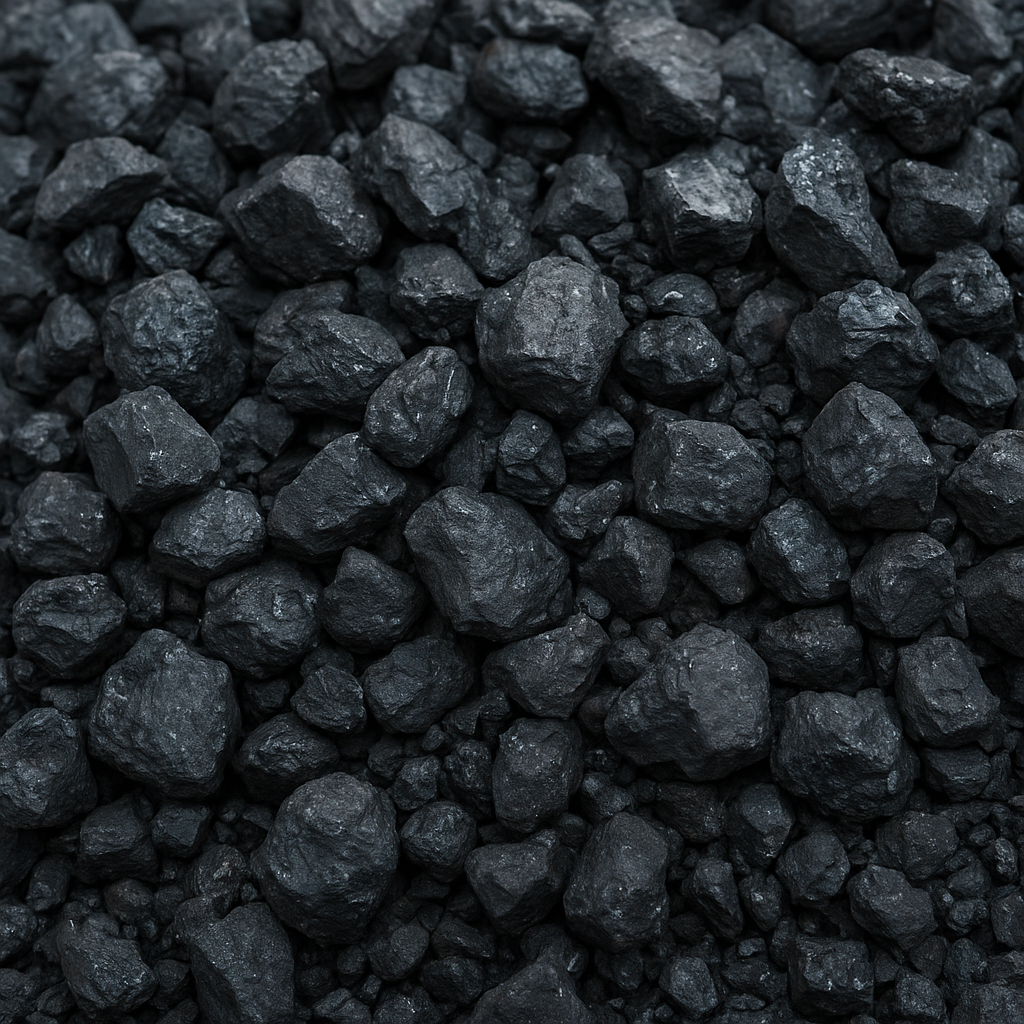
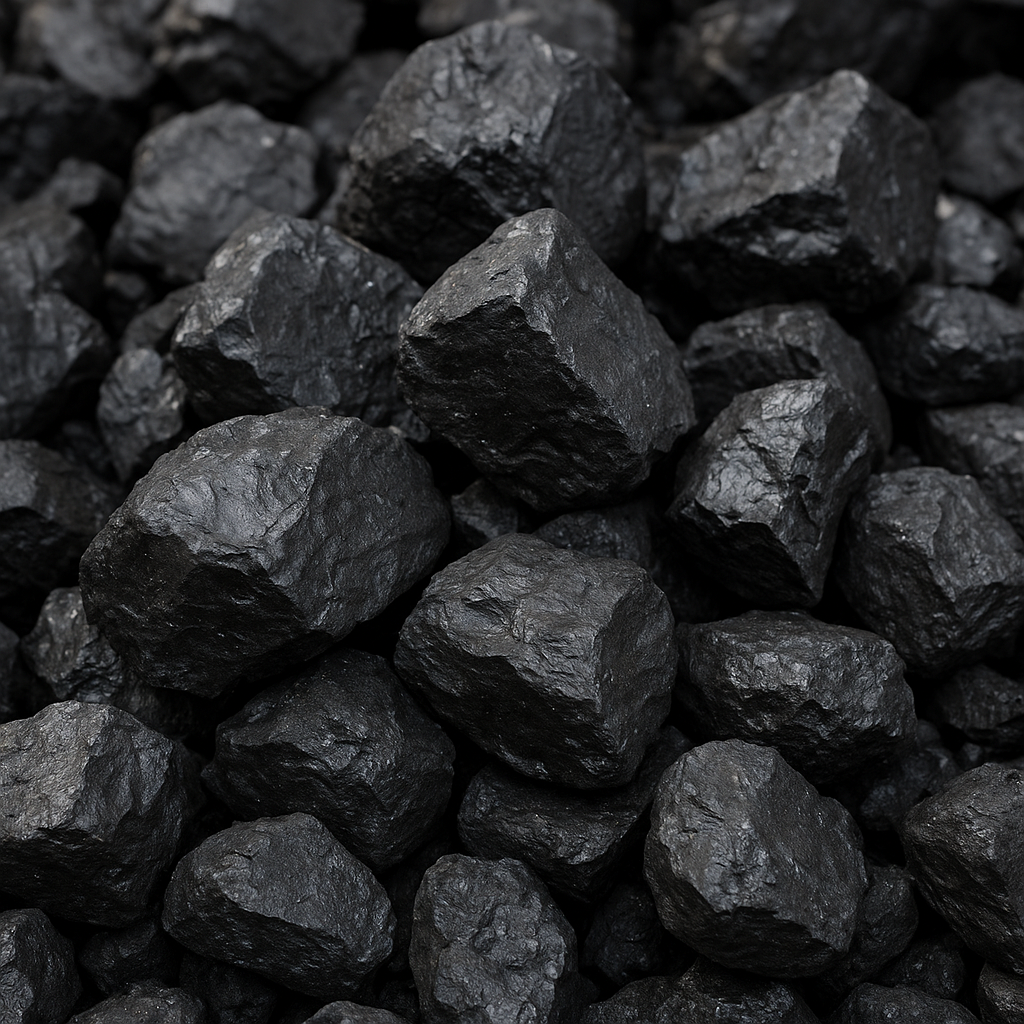
Prime hard coking coal is a specialized grade of coal that plays a central role in the production of metallurgical coke and hence in large-scale steelmaking. This article examines where this coal is found and mined, how it is processed, the economic and trade dynamics surrounding it, its technical properties and industrial importance, and the longer-term pressures and opportunities the sector faces. Throughout the text, key terms are emphasized to help readers quickly identify the most important concepts.
Occurrence, geology and major producing regions
Prime hard coking coal is typically found in sedimentary basins that have undergone the right combination of peat accumulation, burial, heat and pressure to produce bituminous coals with strong caking and low impurity levels. Geologically, such coals are often associated with thick, laterally extensive seams and are frequently interbedded with siltstones, sandstones and shales.
Major producing basins and regions
- Australia: The Bowen Basin, Hunter Valley and Surat Basin in Queensland and New South Wales are among the world’s leading sources of prime hard coking coal. Australia is the largest seaborne supplier of high-quality coking coals.
- Russia: The Kuznetsk Basin (Kuzbass) and parts of Eastern Siberia produce significant quantities of metallurgical coal, including higher-grade hard coking coals.
- United States: The Appalachian Basin (e.g., West Virginia, Kentucky), the Illinois Basin, and smaller deposits in the Western U.S. provide metallurgical coals, including prime hard varieties from underground mines.
- Canada: The Elk Valley in British Columbia is well known for producing premium metallurgical coals used for coke making.
- Colombia: While better known for thermal coal, Colombia also produces and exports metallurgical coal that serves some markets.
- South Africa, Kazakhstan, Mongolia and parts of China have deposits of metallurgical coal, though quality and market access vary.
Deposits suitable for producing prime hard coking coal are geologically less common than thermal coal seams, which contributes to their higher market value. In many basins, prime hard coal occurs in discrete lenses or pockets, requiring selective mining to secure the highest-quality material.
Mining methods and processing
Extraction of prime hard coking coal depends on depth, seam geometry and local infrastructure. Mining approaches include both underground and surface methods.
Typical mining techniques
- Underground longwall mining: Common in deep, continuous seams (e.g., parts of the Appalachian Basin and Kuzbass). Longwall operations can produce consistent, high-quality coal with relatively low cost per tonne once developed.
- Bord-and-pillar (room and pillar): Used in shallower or more structurally complex seams where selective extraction can preserve high-grade coal.
- Open-pit (surface) mining: Employed where seams are near the surface and economically feasible to strip; more common for some Australian deposits and certain Canadian operations.
Processing and quality control
After extraction, prime hard coking coal commonly goes through washery facilities to remove ash and impurities and to achieve target size fractions. Washing and beneficiation are critical to produce a product with the right combination of volatile matter, ash and sulfur levels for metallurgical use. Key processing steps include:
- Crushing and screening to obtain appropriate size fractions
- Dense medium separation and jigging to reduce mineral matter (ash)
- Blending of different seam coals to achieve consistent coking properties
- Quality testing — assays for fixed carbon, volatile matter, ash, sulfur and moisture; petrography and caking tests
Prime hard coking coal must meet strict quality specifications. To evaluate coking behavior, laboratories use tests such as the Free Swelling Index (FSI), Gieseler plastometer values, and ultimately boutique coke tests that measure coke strength and reactivity indices like CRI (Coke Reactivity Index) and CSR (Coke Strength after Reaction).
Technical properties and metallurgical significance
The defining characteristic of prime hard coking coal is its ability to form strong, porous coke when heated in the absence of air. This coke is essential as a fuel and structural support within the blast furnace.
Key technical attributes
- Caking and plastic properties: The coal must soften, swell and resolidify into a coherent coke mass — a property measured by FSI and plastometer tests.
- Fixed carbon: High fixed carbon content contributes to the calorific power and strength of coke.
- Lower ash and sulfur levels: These reduce impurities in iron and downstream emissions; prime hard coals typically have relatively low ash and sulfur compared with many coals.
- Volatile matter: The balance of volatiles influences coke formation and furnace performance.
- Mechanical properties of resulting coke: Strength, abrasion resistance and reactivity (CSR/CRI) determine coke performance in the blast furnace.
Role in steel production
Most global steel production follows the blast furnace-basic oxygen furnace (BF-BOF) route, which requires coke as a key input. Coke performs several roles in the blast furnace: it is the primary source of heat (carbon) for the reduction of iron oxides, it supports the burden (iron ore and fluxes) and it creates a permeable bed for gases to flow.
Approximately 70% of global crude steel historically has been produced via the BF-BOF route, underlining the ongoing importance of metallurgical coal to world steel supply chains. Even as Direct Reduced Iron (DRI) and electric arc furnaces (EAF) expand, demand for coke-quality coal remains material for many regions and applications, especially heavy industry and existing integrated steelworks.
Economic and trade dynamics
Prime hard coking coal is a high-value commodity whose price and trade flows reflect a mix of geological scarcity, logistics costs, steelmaking demand, and geopolitical factors. Compared with thermal coal, coking coals often command a substantial premium on the global seaborne market.
Major exporters and trade routes
- Australia is the dominant seaborne exporter of prime hard coking coal, supplying Asia (notably China, Japan, South Korea) and other global steelmakers.
- Other exporters include Russia, Canada, the United States and to a lesser extent Colombia and South Africa, depending on the grade and market conditions.
- Key importers are major steelmaking nations with limited domestic metallurgical coal resources — notably China, Japan and South Korea — though China also produces a significant share of its own metallurgical coal.
Price behavior and market drivers
Prices for prime hard coking coal are notably volatile and can spike during periods of tight supply or surging steel demand. Drivers include:
- Global steel demand cycles and economic growth
- Availability of high-grade seams and mine disruptions (strikes, floods, accidents)
- Shipping and freight rates, especially for long seaborne voyages
- Trade restrictions, sanctions and logistics bottlenecks
- Competition from alternative coke inputs such as PCI (pulverized coal injection) coals and the gradual shift toward EAFs and DRI in some regions
Historical episodes (for example, supply disruptions or surges in steel production) have driven coking coal prices to multiples of thermal coal prices. This price premium incentivizes investment in higher-quality seam extraction and in washery and blending facilities to ensure consistent supplies for metallurgical markets.
Statistical context and approximate figures
Exact global figures vary year-to-year; numbers below are indicative ranges based on industry reports and historical trends up to the mid-2020s.
- Global metallurgical coal production: roughly several hundred million tonnes annually. A portion of this — the seaborne trade — is measured in the low hundreds of millions of tonnes per year, with Australia often supplying a substantial share of seaborne high-grade coking coal volumes.
- Seaborne trade of coking coal: generally on the order of 150–220 million tonnes per year, depending on market definitions and year-to-year variability.
- Australia’s metallurgical coal exports: historically in the range of 150–200 million tonnes annually when including a mix of hard and other metallurgical coals; premier prime hard coking coal shipments comprise a significant subset of that volume.
- Price differentials: prime hard coking coal can trade at a significant premium to benchmark thermal coal prices. Depending on market tightness, premiums can amount to several tens or even hundreds of dollars per tonne. The seaborne coking coal price has experienced spikes in recent cycles due to supply shocks and demand surges in steelmaking.
Because these figures are sensitive to definitions (what counts as metallurgical coal vs. thermal, and which shipments are seaborne vs. domestic) and to short-term cycles, exact annual numbers should be sourced from up-to-date commodity and industry databases for precision work.
Industrial applications beyond blast furnaces
While the primary use of prime hard coking coal is the production of blast-furnace coke for integrated steel mills, there are other specialized applications and implications worth noting.
- Foundry coke: Some high-quality coking coals produce coke suitable for foundry-grade applications where coke quality and morphology are critical for melting and casting operations.
- Blending and coke battery management: Steelworks commonly blend multiple coals to tailor coke properties. Prime hard coals are often used as the backbone of such blends because of their predictable caking behavior.
- Research and product innovation: Advanced testing, cold strength/cold coke indices and bespoke blending are used to meet specific furnace designs and to partially substitute lower-grade coals.
Environmental, regulatory and future trends
The metallurgical coal sector, including prime hard coking coal, faces significant transitions driven by environmental regulation, decarbonization goals in steelmaking, and community and investor expectations related to sustainability.
Environmental considerations
- Emissions: Coke production and blast furnace operations are carbon intensive and generate CO2 and other pollutants; regulatory pressure is increasing in many jurisdictions to reduce emissions and improve local air quality.
- Mine impacts: Land disturbance, water management, acid rock drainage potential and methane emissions are ongoing environmental management areas for coal mines.
- Rehabilitation: Closure planning, progressive rehabilitation and community engagement are increasingly mandated and scrutinized, adding costs and complexity to mining projects.
Decarbonization and technological change
Several pathways could change demand for prime hard coking coal over the medium to long term:
- Hydrogen-based DRI (direct reduced iron): If green hydrogen becomes economical at scale, the DRI-EAF route could reduce reliance on coke for iron production in some regions.
- Electric Arc Furnace (EAF) expansion: Greater scrap use and EAF capacity reduce the fraction of steel produced via BF-BOF in certain markets.
- Carbon capture, utilisation and storage (CCUS): CCUS applied to blast furnace and coking operations could extend the life of integrated steelmaking while lowering net emissions.
- Improved coke efficiency and alternative injectants: Technologies like higher-quality PCI coals or novel injectants can reduce the total coke requirement per tonne of hot metal.
Despite these trajectories, the current global steel system still relies heavily on coke in many regions. Transition timelines will vary geographically, meaning metallurgical coal demand is likely to persist in the coming decades even as the industry evolves.
Interesting technical and historical notes
- Origins of coking coal terminology: The term “coking” refers to the coal’s ability to yield coke, a porous carbonaceous residue formed by destructive distillation. Historically, certain coal seams were prized for producing superior coke used in iron foundries and then blast furnaces.
- Testing traditions: Historical tests and modern indices — from simple FSI measurements to advanced CSR/CRI testing — underpin the commercial negotiation of quality premiums.
- Infrastructure matters: Many prime hard coking coal deposits are located far from ports and steelmills, making rail and port capacity crucial determinants of delivered cost and competitiveness.
- Blend chemistry: Coke quality is often the result of carefully engineered blends of multiple coals. Even a small proportion of a high-quality prime hard coal can markedly improve the coke produced from a blend.
Concluding perspective
Prime hard coking coal remains a strategically important commodity for the global steel industry due to its unique ability to produce strong coke necessary for blast furnace operations. It is relatively scarce compared with thermal coal, geographically concentrated in a few major basins, and subject to price volatility driven by supply chain and demand shifts. The sector faces significant environmental and market challenges as steelmakers explore decarbonization pathways, but for the foreseeable future, prime hard coking coal is likely to remain a vital input in many integrated steelmaking regions. Continued advances in mining efficiency, washery technology, blending science, emissions control and logistics will shape how the resource is used and valued in the decades ahead.