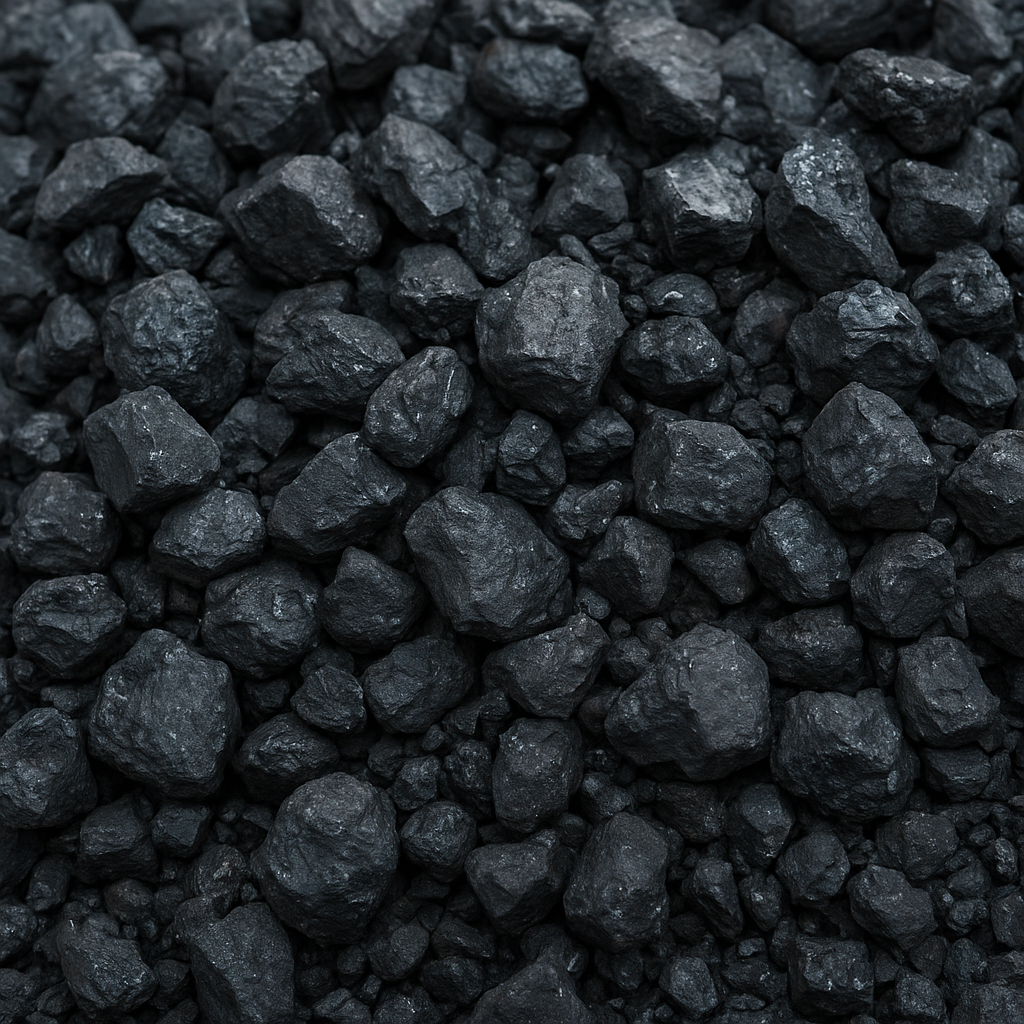
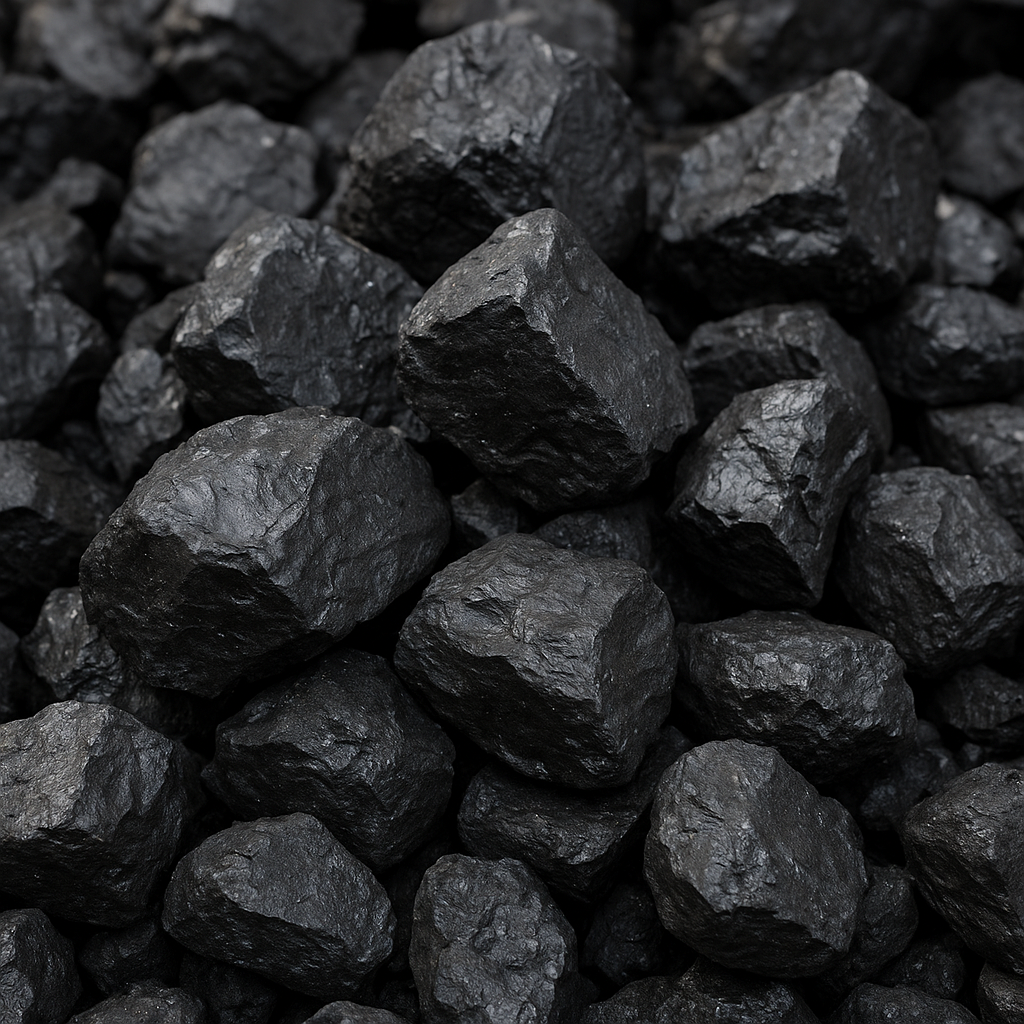
Medium-volatile bituminous coal is a widely used and geologically important type of hard coal that sits in the mid-range of the coal rank scale. It combines relatively high fixed carbon content and good calorific value with moderate amounts of volatile matter, making it versatile for both **coking** (metallurgical) and **thermal** (power generation) applications. This article describes its geologic characteristics, major producing regions, economic role, market statistics, environmental implications and technological developments. Throughout the text a selection of key terms is highlighted to emphasize important concepts.
Geological characteristics and classification
Bituminous coal represents an advanced stage of coalification between subbituminous and anthracite. Within the bituminous rank there are subcategories, and medium-volatile bituminous coal is defined by its intermediate level of volatile matter and high enough fixed carbon to support incandescent burning and, in many cases, good coking behavior. Typical properties of medium-volatile bituminous coal include:
- Proximate composition (typical ranges, approximate): moisture 2–8%, ash 5–15%, volatile matter 18–30%, fixed carbon 60–75% (all values vary with seam and washing).
- Gross calorific (higher) heating value typically in the range of about 24–30 MJ/kg (≈5,700–7,200 kcal/kg) on an as-received to dry basis depending on grade and moisture.
- Sulfur content is highly variable by basin, often 0.5–3% (higher in coastal or marine-influenced deposits), with some low-sulfur seams under 0.5% sought for steelmaking and power.
- Caking and coking potential: many medium-volatile bituminous coals have sufficient plasticity and volatile release characteristics to produce strong coke when blended and carbonized under controlled conditions. This makes them valuable for the blast-furnace iron and steel industry.
- Maceral composition: vitrinite-rich coals are typical for good coking properties; inertinite content influences reactivity and combustion behavior.
Rank classifications differ among standards (ASTM D388, ISO), but in practical industry use a medium-volatile bituminous designation indicates coals that can be targeted to both metallurgical and thermal markets depending on washability, sulfur, ash and caking characteristics. Their geology commonly dates from Carboniferous and Permian coal-bearing sequences, though bituminous coal can be found in younger and older basins where sufficient burial and heat have driven the coalification process.
Occurrence and principal mining regions
Medium-volatile bituminous coal occurs in many of the world’s major coal basins. Its distribution depends on the original peat environment, subsequent burial, and regional geothermal gradients. Major regions and basins producing bituminous coal include:
- China — Provinces such as Shanxi, Shaanxi, Inner Mongolia and Heilongjiang produce a mix of bituminous and subbituminous coal. China is the world’s largest coal producer and consumer, with many deposits yielding medium-volatile bituminous grades used domestically for power and industry.
- United States — The Appalachian Basin (Pennsylvania, West Virginia, Kentucky) contains numerous bituminous seams historically producing high-quality coking and thermal coal. The Illinois Basin and parts of the Rocky Mountain basins also contain medium-volatile bituminous deposits.
- Russia — Kuznetsk Basin (Kuzbass), Donetsk region (historically), and other Siberian basins produce large volumes of bituminous coal for both export and domestic industry.
- Australia — Bowen Basin, Sydney Basin and other Queensland/New South Wales deposits produce high-quality coking and thermal bituminous coal exported globally. Australian medium-volatile coals are central to the metallurgical coal market.
- Colombia — Produces both thermal and bituminous coals (some higher-quality coking coals) primarily for export markets in the Americas and Europe.
- Poland and Central Europe — Upper Silesia and other basins supply bituminous coal used mainly for power, heating and steelmaking in regional industries.
- South Africa, Kazakhstan, Canada, Indonesia — Several of these countries have medium-volatile bituminous coal resources used domestically and exported, with varying quality for coking or combustion.
In many producing countries, high-quality medium-volatile coals are mined both in underground and open-pit operations. Underground longwall mining and bord-and-pillar methods are common in deep seams (e.g., in Appalachia and Poland), while large-scale open cut operations dominate in parts of Australia, Colombia and some Russian basins. Coal preparation plants (wash plants) and blending facilities are widely used to reduce ash and sulfur and to tailor product properties for specific markets such as coking blends or power-station fuel.
Mining, processing and product types
Extraction of medium-volatile bituminous coal follows conventional coal-mining practices, and product streams are tailored to end uses through processing:
- Mining methods: underground longwall, room-and-pillar, and open-pit extraction depending on depth, seam thickness and local regulations.
- Coal washing and beneficiation: dense media separation, jigs and spirals remove mineral matter to improve calorific value, reduce ash and sulfur, and enhance coking behavior.
- Blending: coal from different seams and mines is blended to hit target specifications for coking (metallurgical) or electricity (thermal) customers.
- Products: thermal bituminous coal for pulverized fuel boilers, pulverized coal injection (PCI) for blast furnaces; coking coal for coke ovens and metallurgical coke production.
Processed medium-volatile bituminous coal can be converted to coke in by-product or non-recovery ovens, fed into blast furnaces for iron production, combusted in power plants, or used as feedstock for gasification and chemical synthesis.
Economic and market significance
Medium-volatile bituminous coal occupies a central role across several economic sectors. Its importance is driven by:
- Steel production: metallurgical applications for ironmaking require coking coal blends with predictable plasticity and caking behavior. Many steelmakers prefer medium-volatile grades or blends that include them to achieve strong coke strength and appropriate reactivity.
- Electricity generation: where higher-ranked coals are burned in pulverized coal boilers, medium-volatile bituminous coal provides a balance of high energy content and manageable emissions when compared to lower-ranked coals.
- Chemicals and conversion processes: coal gasification and coal-to-liquids/chemicals facilities often target bituminous and sub-bituminous coals for feedstock due to calorific consistency and reactant behavior.
- Employment and regional economies: coal mining and associated industries remain major employers and contributors to regional GDP in producing basins, with complex supply chains in logistics, port operations, and metallurgy.
Market prices for medium-volatile bituminous coal (and especially for metallurgical coal) can be volatile. Prices depend on global steel demand, supply constraints, shipping costs, and competition from substitutes such as natural gas and scrap steel. For context, over the past decade prices for seaborne coking coal have swung widely — from lows that made some mines uneconomic to spikes that reflected tight global supply and robust steelmaking demand. Thermal bituminous coal prices typically trade at a discount to coking coal but remain sensitive to electricity demand cycles and regional fuel competition.
Statistical overview and production figures
Global coal statistics vary by year and data source, but some broad figures provide perspective on the economic scale of the coal sector and the place of medium-volatile bituminous coal within it:
- Global coal production (all ranks) in recent years has been on the order of approximately 7–8 billion tonnes per year, with year-to-year variation driven by demand, policy changes and economic cycles.
- Hard coals (including bituminous and anthracite) constitute a substantial share of global production — often in the range of some 5–6 billion tonnes — the balance being lower-ranked subbituminous and lignite.
- Major producers of hard coal include China (largest global producer and consumer), India, the United States, Australia, Russia, South Africa and Indonesia (though Indonesia is more known for subbituminous thermal coals and exports).
- Seaborne metallurgical coal trade (coking coal) is a smaller but high-value market measured in the hundreds of millions of tonnes per year. Australia, U.S., Russia, Canada and Colombia are major exporters of higher-grade bituminous coals.
- Employment and economic impact: in major coal regions, tens to hundreds of thousands of jobs depend directly or indirectly on coal mining and processing, with multiplier effects in services, transport, and manufacturing.
Because medium-volatile bituminous coal spans both metallurgical and thermal markets, exact production figures specific to this subrank are not always separated in public statistics; instead, most reporting distinguishes between metallurgical (coking) coal and thermal coal, and between hard coal and lignite. Nevertheless, medium-volatile grades make up a sizeable portion of the hard coal output, especially in traditional coalfields of Europe, North America and parts of Asia.
Role in industry: steel, power and chemicals
Medium-volatile bituminous coal contributes to several critical industrial chains:
- Steelmaking: the coke produced from suitable medium-volatile bituminous coals is a core reductant and heat source in blast furnaces. Quality parameters include coke strength after reaction (CSR), coke reactivity (CRI), ash fusion, and sulfur/phosphorus content.
- Power generation: where used for electricity, medium-volatile bituminous coal is fired in pulverized coal boilers, often after beneficiation to lower ash and sulfur. It competes with subbituminous coal, natural gas, renewables and nuclear depending on region.
- Chemicals and fuels: gasification processes convert coal into syngas (CO + H2) which can be used for ammonia, methanol, Fischer-Tropsch fuels and hydrogen production. Medium-volatile bituminous coals are often chosen for their reactivity and stable feedstock properties in such plants.
The combination of relatively high energy content and coking potential makes medium-volatile bituminous coal uniquely flexible — capable of serving cyclical steel demand or seasonal power needs by adjusting processing and blending.
Environmental challenges and technology responses
Like all fossil fuels, medium-volatile bituminous coal carries environmental and health challenges when mined and used. Key issues and technological responses include:
- Greenhouse gas emissions: combustion releases CO2. Coal-fired power and industrial plants are major CO2 point sources. Technologies to mitigate include efficiency improvements, fuel switching to lower-carbon sources, carbon capture, utilization and storage (CCUS), and partial substitution with renewable electricity.
- Air pollutants: sulfur oxides (SOx), nitrogen oxides (NOx), particulates and mercury can be controlled through flue gas desulfurization (FGD), selective catalytic reduction (SCR), electrostatic precipitators or baghouses, and activated carbon injection for mercury capture.
- Water and land impacts: mining alters landscapes and uses water. Best practices involve progressive reclamation, water treatment, and responsible tailings management. Underground mining presents risks of subsidence; surface mining requires rehabilitation plans.
- Coal seam methane and methane emissions: mining and degasification can release methane, a potent greenhouse gas. Methane capture for power generation or pipeline sale reduces emissions and provides an energy offset.
- Cleaner coal conversion: gasification and integrated gasification combined cycle (IGCC) systems offer pathways to produce electricity or chemicals with potential for higher efficiency and easier CO2 capture compared to conventional combustion.
The industrial focus in many countries is moving toward emissions reduction and regulatory compliance, leading to increased investment in emissions controls, CCS pilots, and co-firing with biomass or hydrogen in certain applications.
Regional economic importance and social considerations
In coal-dependent regions, medium-volatile bituminous coal underpins local economies through jobs, tax revenue and industrial activity. Socioeconomic aspects include:
- Workforce transition: as energy systems change, regions face structural shifts, requiring retraining, diversification and investment to prevent economic decline.
- Infrastructure: ports, rail systems and power plants are often sized around coal flows, so changes in coal demand can have knock-on effects for logistics and secondary industries.
- Community health: mining safety and air quality regulations are vital to protect miners and nearby populations; modern standards have significantly reduced fatalities and respiratory disease in regulated jurisdictions, though challenges remain.
Market dynamics and price drivers
Prices for medium-volatile bituminous coal vary by product type (coking vs thermal), quality parameters, freight costs and seasonal demand. Key drivers include:
- Global steel demand: strong construction and manufacturing growth increases coking coal demand and price.
- Electricity demand and fuel switching: the competitiveness of coal versus gas, renewables and nuclear influences thermal coal demand.
- Logistics and geopolitics: port capacity, rail availability, trade restrictions, sanctions and exchange rates affect seaborne flows and regional prices.
- Weather and disruptions: floods, strikes, mine closures and pandemics have demonstrated how supply shocks translate into price spikes.
Industry participants manage exposure through long-term contracts, spot-market purchases, portfolio diversification and investment in washing/processing to produce saleable, specification-compliant product.
Technological innovations and research directions
Research efforts and technological advances relevant to medium-volatile bituminous coal include:
- Improved beneficiation techniques to reduce ash and sulfur while maximizing yield of metallurgical fractions.
- Advanced coke oven and by-product recovery technologies that lower emissions and increase coke quality.
- Gasification and modular chemical synthesis units enabling smaller-scale, cleaner coal conversion for markets lacking natural gas or renewable baseload power.
- Carbon capture pilots at power and industrial sites, with interest in utilization pathways like enhanced oil recovery (EOR), mineralization, or conversion to chemicals.
- Remote sensing and automation in mining for safety, efficiency and reduced environmental footprint.
These developments aim to maintain the economic value of coal resources while reducing environmental impacts and aligning with decarbonization trajectories where feasible.
Future outlook and transitions
The long-term role of medium-volatile bituminous coal depends on competing forces. On one hand, steel production and some industrial processes currently rely on metallurgical coal; on the other hand, ambitious climate policies and the growth of alternatives (electric arc furnaces using recycled steel, hydrogen-based direct reduction, increased energy efficiency) reduce future thermal and metallurgical coal demand in many scenarios.
Scenarios from energy institutions typically show a decline in coal use in power generation over coming decades in order to meet stringent climate targets, but projections for metallurgical coal vary because of the difficulty in decarbonizing steel. Near- to mid-term demand is expected to remain significant in areas with expanding infrastructure and industrialization, while advanced economies trend toward reduced coal dependence or transition strategies that include CCUS for hard-to-abate emissions.
Concluding observations and interesting facts
Medium-volatile bituminous coal is a geologically widespread and economically flexible fuel and feedstock. Its ability to serve both coking and thermal markets has historically given it special economic value. A few additional interesting points:
- Coal petrography: microscopic studies of macerals (vitrinite, inertinite and liptinite) provide insight into coking behavior and reactivity; vitrinite reflectance is a primary measure of coal rank.
- Coal seam fires: some bituminous coal seams are prone to long-burning underground fires (e.g., in parts of China, India and Centralia, USA), which can burn for decades and cause serious environmental damage.
- Coalbed methane: bituminous coals can be reservoirs for methane; in some basins, methane recovery provides revenue and reduces greenhouse gas emissions associated with mining.
- Historic role: bituminous coal fueled the expansion of railways, steamships and early industrialization in the 19th and 20th centuries; many mining towns and cultural identities remain tied to coal heritage.
Medium-volatile bituminous coal will likely continue to be an important commodity for specific industrial uses for decades, though its market size and social license will adapt to technical innovation, climate policy and evolving energy systems. Where environmental and health standards are enforced and technologies adopted, the coal industry can reduce its footprint while providing the feedstocks needed by heavy industries that currently lack scalable low-carbon alternatives.