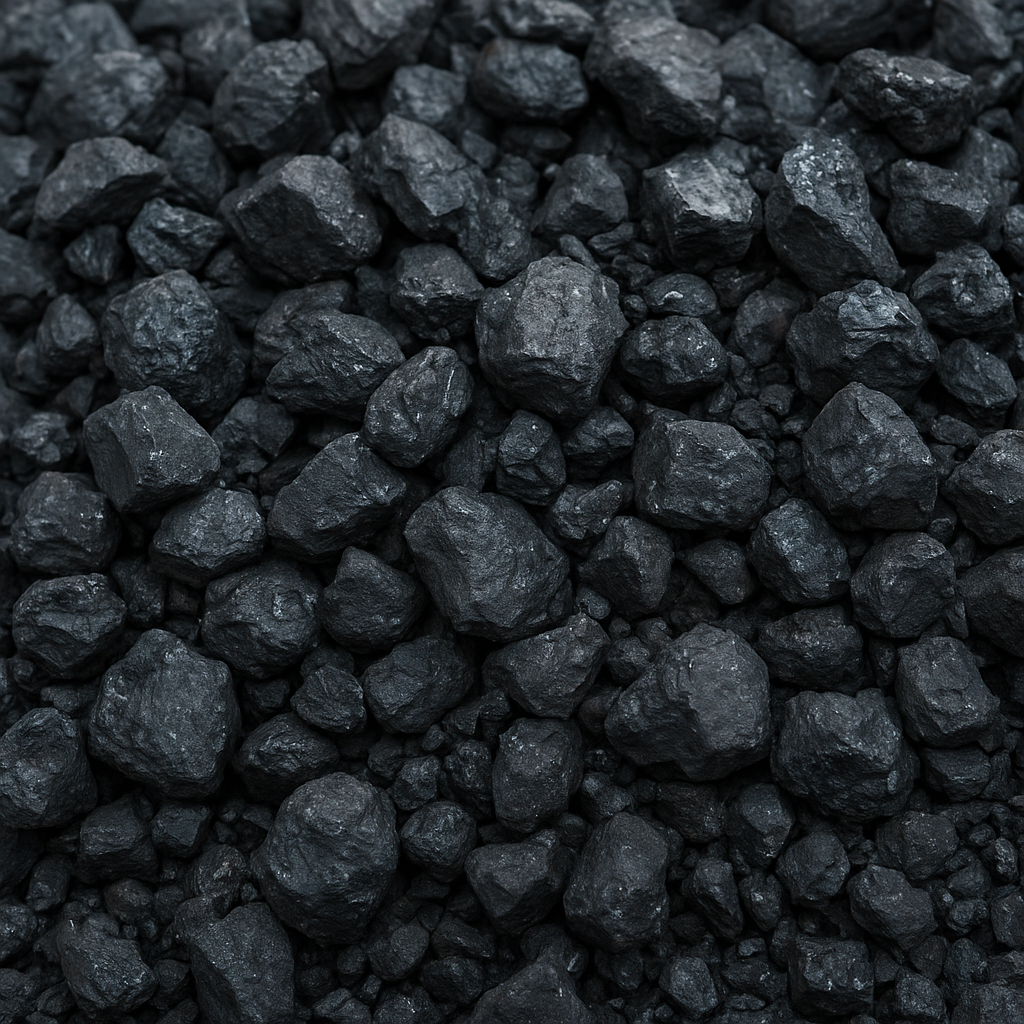
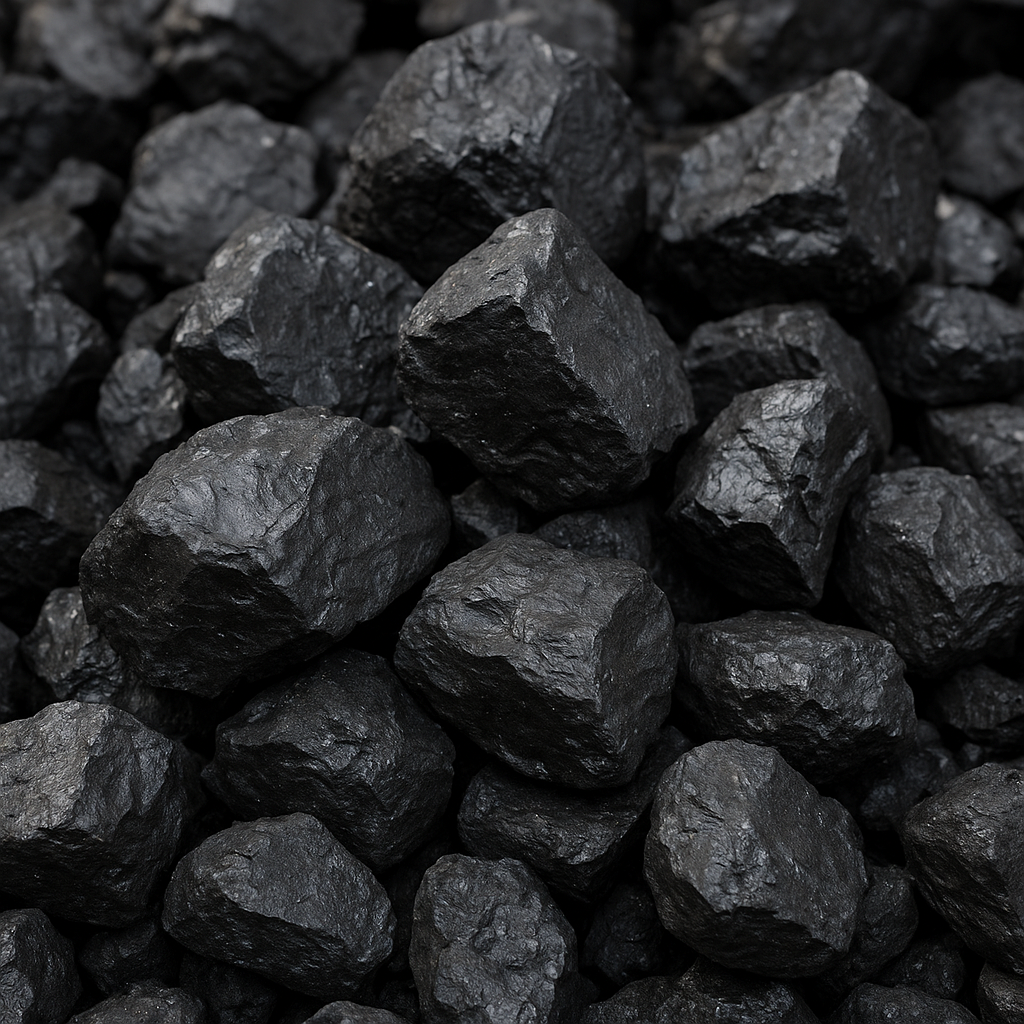
Low-sulfur coal has become an important commodity in the global energy mix because it allows power generators and industrial users to meet air quality standards while avoiding some of the higher costs associated with extensive pollution controls. This article explores where low-sulfur coal is found, how and where it is produced, its economic and market roles, environmental implications, and other interesting technical and statistical aspects that define its place in modern energy and industrial systems.
Occurrence, geology and quality characteristics
Coal is a complex sedimentary rock with variable composition. The sulfur content of coal depends on depositional environment, biological activity during formation, the influence of marine waters, and post-depositional chemical changes. Low-sulfur coal typically contains less than about 1% sulfur by weight; in many commercial contexts sulfur levels under 0.6% (or even 0.5%) are considered highly desirable. Sulfur in coal exists in several forms: pyritic sulfur (iron sulfide), sulfate sulfur, and organic sulfur bound to the coal matrix. Of these, pyritic sulfur can often be reduced by physical cleaning (washing), while organic sulfur is more difficult to remove without chemical treatment.
Low-sulfur coals occur in several geologic settings: continental freshwater swamps and peat bogs tend to produce lower-sulfur coals than deposits that formed under marine-influenced conditions where sulfate-rich waters promote sulfur incorporation. As a result, many large low-sulfur deposits are found in inland basins or continental-margin basins that experienced limited marine incursions during peat accumulation.
Coal rank also influences sulfur distribution. Many large, low-sulfur supplies are subbituminous or low- to medium-rank bituminous coals. These coals often have lower sulfur but also lower calorific value and higher intrinsic moisture than high-rank anthracite or some bituminous coals used for metallurgical purposes. The trade-off between sulfur and energy content is a key consideration in commercial use: low-sulfur coals can reduce emissions compliance costs but may require burning larger volumes to deliver the same energy.
Major producing regions and examples
Low-sulfur coal is produced on every inhabited continent, but some regions are particularly well-known for significant low-sulfur resources and large-scale production. Notable examples include:
- Powder River Basin (United States) — The Powder River Basin (PRB) in Wyoming and Montana is one of the world’s most significant sources of low-sulfur subbituminous coal. PRB coals typically have sulfur content well under 1% (often around 0.2–0.5%), making them attractive for U.S. utilities subject to Clean Air Act requirements. The PRB has become the backbone of much U.S. thermal coal supply due to vast reserves and large-scale surface mining operations.
- Indonesia — Indonesia exports large volumes of thermal coal into Asian markets. Much Indonesian coal used for power generation is relatively low in sulfur (often below 0.5%) though it varies by mine and seam. This low-sulfur profile has made Indonesian coal an attractive feedstock for power plants in countries across Southeast and East Asia.
- Australia — Australian basins (Queensland, New South Wales) produce a mix of thermal and metallurgical coals. Many export-oriented thermal coals from the Bowen and Surat basins have moderate to low sulfur content; Australia is a major supplier to Asian markets.
- Other regions — Some parts of Russia, Canada, and Central Asia contain pockets of lower-sulfur coal. In contrast, a number of European coalfields historically produced higher-sulfur coal, contributing to acid rain issues in the 20th century until emissions control technologies and fuel switching were implemented.
Extraction methods and processing
Low-sulfur coal is extracted using the same basic mining methods applied to coal generally: surface mining (open-pit or strip mining) where seams are near the surface and underground mining when seams are deeper. Large surface-mining operations are typical in basins like the PRB, where thick, laterally extensive seams permit high-volume removal with draglines and large haul trucks.
Processing plays a crucial role in producing commercially viable low-sulfur coal. Physical coal preparation plants remove rock, ash, and some pyritic sulfur through crushing, dense-media separation, jigging, and other washing techniques. For coals where sulfur is mostly pyritic, these preparation steps can significantly lower the overall sulfur content of the product. However, organic sulfur generally remains after washing and may require chemical or thermal treatment for reduction, which is expensive and rare at commercial scale.
Economic aspects and market dynamics
Low-sulfur coal has important economic implications for both producers and consumers. Some of the main economic dynamics include:
- Price differentials: Low-sulfur coals often command a premium in markets where sulfur emissions are strictly regulated or where older plants lack advanced flue-gas desulfurization systems. The premium depends on energy content, ash, moisture, and logistics costs (transportation to plant or port).
- Transportation and logistics: Because coal is bulky, the delivered cost per unit of energy is heavily influenced by transport. Low-sulfur coal sources close to major demand centers or seaports have a distinct advantage. For example, PRB coal benefits from rail networks to U.S. power plants in the Midwest and East, while Australian and Indonesian coals are positioned for seaborne export to Asia.
- Operational costs: Low-sulfur coal can reduce the need for intensive sulfur-control equipment (or reduce operating costs of that equipment) at coal-fired plants. This can mean lower fuel and compliance costs overall, though the lower calorific value of some low-sulfur coals can increase fuel handling and volumetric throughput costs.
- Market segmentation: The international coal market is segmented between seaborne thermal coal, seaborne metallurgical coal, and domestic-market coals. Low-sulfur grades play different roles in each segment; for example, metallurgical producers prize very low sulfur for steelmaking feedstock while thermal importers prize low sulfur to minimize SO2 emissions and associated control costs.
Statistical overview and trends
Providing precise global statistics on just low-sulfur coal is challenging because most energy statistics focus on overall coal production and trade by tonnage, calorific value, and broad quality characteristics rather than exact sulfur bands. Nevertheless, some useful context and approximate figures are:
- Global coal production: In the early 2020s, total global coal production (all types combined) commonly ranged around 7–8 billion tonnes annually. These figures include both thermal and metallurgical coal and a variety of coal ranks.
- Seaborne thermal coal trade: The international seaborne trade in thermal coal is typically on the order of about 1–1.3 billion tonnes per year. A sizable share of this trade consists of coal grades with relatively low sulfur because importing utilities in Asia and elsewhere often prefer or demand low-sulfur supplies.
- Regional shares: In the United States, the Powder River Basin accounts for a very large portion of domestic coal production — often cited as providing a substantial fraction (roughly one-third to nearly one-half) of U.S. coal output in recent decades. PRB’s dominance is strongly linked to its extensive low-sulfur subbituminous seams.
- Electricity generation: Coal has supplied roughly one-third to over one-third of global electricity generation in the early 2020s (estimates vary by year and source). While coal’s share is declining in many OECD economies, it remains central to power systems in large emerging economies in Asia.
These figures give a broad sense of scale: low-sulfur coal is a significant slice of the overall coal market, particularly where emissions regulation or plant configuration creates a demand for cleaner-burning coals.
Environmental and regulatory significance
The primary environmental advantage of low-sulfur coal is reduced emissions of sulfur dioxide (SO2) per tonne of coal burned. SO2 is a major precursor to acid rain and contributes to respiratory problems in humans. Regulations in many countries — such as sulfur emission limits under the U.S. Clean Air Act, various EU directives, and national air-quality standards across Asia — have driven demand for fuels with lower sulfur or for plants to install flue-gas desulfurization (FGD) systems (also known as scrubbers).
Using low-sulfur coal can help plants comply with SO2 limits without the capital expense and ongoing operating costs associated with large-scale FGDs. That said, switching to low-sulfur coal does not address carbon dioxide (CO2) emissions, particulate matter, mercury, nitrogen oxides, or other environmental concerns; these require additional technologies or fuel switching to lower-carbon alternatives.
From a lifecycle and policy perspective, the availability of low-sulfur coal can influence the timing and scale of investments in emissions control: utilities may delay or downsize scrubbers if low-sulfur fuel is economically and reliably available. Conversely, tightening CO2 objectives under climate policy can reduce the long-term demand for coal of any sulfur content.
Industrial uses and technical considerations
Low-sulfur coal serves both thermal and metallurgical markets, but with distinct quality demands:
- Thermal power generation — For power plants, lower sulfur reduces SO2 emissions and can reduce corrosion potential in boilers and downstream equipment. Many modern power plants are fuel-flexible; however, switching between high- and low-sulfur coals must be managed carefully to maintain combustion stability and emission controls.
- Metallurgical coal (coking coal) — Steelmakers often require very low sulfur content because sulfur negatively affects steel quality. For metallurgical coal used in coke ovens, sulfur contents are typically a fraction of a percent and are evaluated alongside volatile matter and ash fusion characteristics.
- Blending and furnace performance — Operators frequently blend coals of different qualities to achieve a target sulfur level, calorific value, and combustion behavior. Blending is a practical way to optimize costs while satisfying environmental limits.
Market drivers, pricing and recent trends
Several macro and micro factors drive the market for low-sulfur coal:
- Regulatory pressure on SO2 emissions — Stricter air quality rules increase the relative value of low-sulfur coal.
- Availability of scrubbers and other controls — Widespread adoption of FGD systems reduces dependence on low-sulfur fuels, whereas limited retrofit capacity increases fuel-market importance.
- Global demand patterns — Growth or contraction in coal-based power in major consuming regions (China, India, Southeast Asia) affects the seaborne market and the demand for particular quality bands.
- Logistics and shipping costs — Distance to market and the availability of rail or port infrastructure strongly influence delivered prices. Sometimes a higher-sulfur but higher-energy coal nearby is cheaper on a delivered-energy basis than a lower-sulfur but distant coal.
- Price volatility — Coal prices have shown substantial volatility tied to supply disruptions, pandemic-era demand changes, geopolitical factors, and fuel-switching competition with gas and renewables. During periods of tight supply, low-sulfur coals can see sharper price appreciation due to their compliance advantages.
Cleaning, technologies and future prospects
Several technologies and operational strategies are relevant to low-sulfur coal supply and utilization:
- Coal washing and preparation plants – Effective removal of rock and pyrite lowers ash and pyritic sulfur content, improving both environmental performance and calorific yield per mass.
- Advanced combustion systems – Modern boilers and emission-control systems can more effectively manage emissions even with higher-sulfur coals, but often at higher capital and operating costs. These systems influence how utilities value low-sulfur coal.
- Carbon capture and storage (CCS) – If widely deployed, CCS could reduce the climate penalty of coal-fired power, but CCS does not directly reduce SO2 and other co-pollutants; fuel sulfur remains an emissions management parameter.
- Alternative incentives – Carbon pricing, renewables growth, and energy-efficiency measures can reduce overall coal demand, changing the long-run market for all coal qualities including low-sulfur grades.
Interesting facts and operational trade-offs
Some practical and interesting points about low-sulfur coal include:
- Not all low-sulfur coals are “clean” in other respects. Low sulfur does not automatically imply low ash, low mercury, or high calorific value. Utilities must balance multiple quality attributes.
- Low-sulfur subbituminous coals (e.g., many PRB coals) often have higher intrinsic moisture and lower heat content per tonne than bituminous coals; this affects transport economics and boiler performance.
- In some markets, low-sulfur coal is blended with higher-rank coals to obtain desired furnace temperatures and coke characteristics while keeping sulfur within limits.
- Global shifts in regulation and technology can rapidly change the relative value of low-sulfur coal. For instance, a new emissions cap in a large consuming country can spur immediate demand for low-sulfur grades in import markets.
Summary and strategic considerations
Low-sulfur coal remains an important element of the global coal trade and local fuel markets because it helps utilities and industrial users meet air-quality obligations at lower capital and operating cost than relying exclusively on post-combustion controls. Its value depends on multiple interacting factors: local environmental regulations, the cost of emissions-control technology, calorific value and other quality parameters, and logistics. While global energy transitions and climate policies are reducing coal demand in many regions, in the near to medium term low-sulfur coal will continue to play a strategic role where coal-fired generation and certain industrial processes remain dominant.
For energy planners, utility managers, and industrial buyers, the key considerations when evaluating low-sulfur coal are quality consistency (sulfur form and level), delivered cost per unit of useful energy, and how fuel choice interacts with existing emissions-control equipment and long-term policy risks. Low-sulfur coal is not a panacea for environmental impacts, but it is a valuable tool in the broader strategy of emissions management and transitional fuel use.