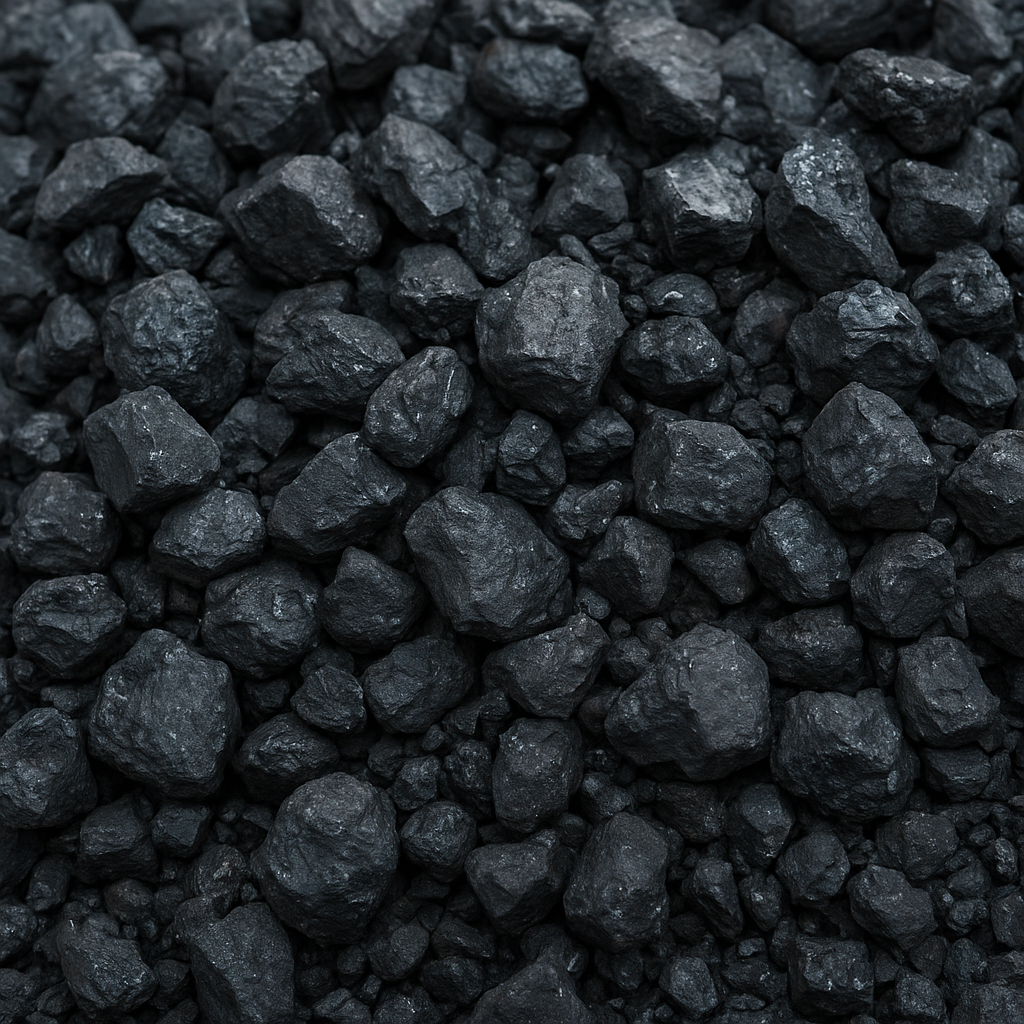
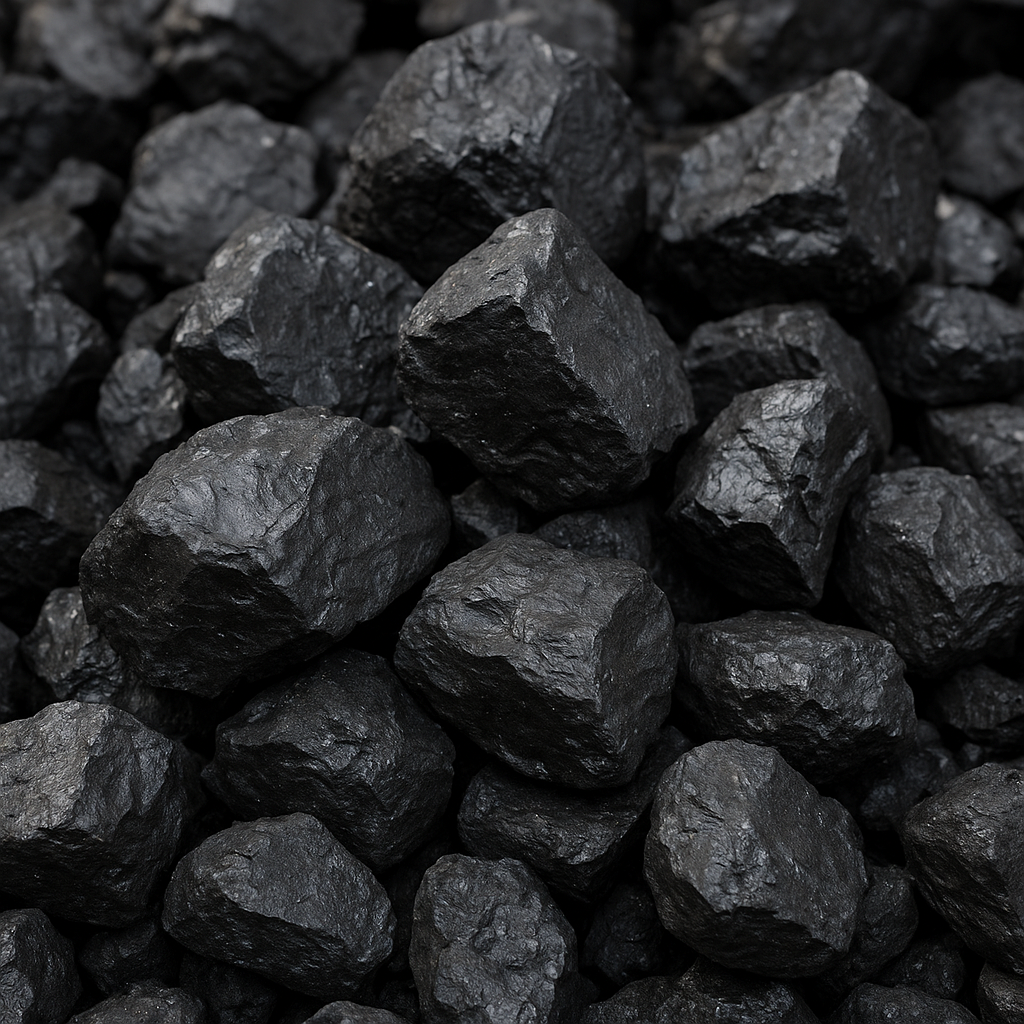
Low-ash coal is a high-quality variety of coal characterized by a relatively low proportion of mineral matter (ash) after combustion. Because ash lowers the fuel value, increases handling and disposal costs, and worsens combustion performance, coals with low ash content are highly prized across power generation, metallurgy, and several industrial processes. This article examines where low-ash coal occurs, how it is mined and processed, its economic and trade significance, statistical context, industrial applications, environmental considerations, and likely future roles in a transitioning global energy system.
Occurrence and geological characteristics
Coal types and ash definition
Coal’s quality is commonly described by parameters such as ash content, moisture, volatile matter, fixed carbon and calorific value. “Low-ash coal” generally refers to coals whose ash content is substantially below the global average — often defined operationally as coals with ash below about 10% on a dry basis, and in premium cases below 5%. The geological controls on ash content are complex: ash originates from mineral matter in the original peat, terrigenous clastic input (clay, silt), and post-depositional processes. Coal seams that formed in relatively isolated, low-clastic depositional environments, or where early diagenetic processes removed or segregated mineral matter, are more likely to produce low-ash coal.
Major basins and producing regions
Low-ash coals occur in many of the world’s major coal basins but are not uniformly distributed. Notable regions known for producing lower-ash thermal and metallurgical coals include:
- Australia — basins such as the Bowen, Gunnedah and Hunter Valley are major sources of both low-ash thermal coal and premium coking coals destined for seaborne markets.
- Colombia — large open-pit mines (e.g., Cerrejón historically) produce thermal coals with relatively low ash, making Colombian coal attractive for some international buyers.
- United States — certain Appalachian and Illinois Basin seams yield low-ash, high-grade coals for both power and metallurgical use; Powder River Basin coals are noted more for low sulfur and large tonnages than universally low ash, though variations exist.
- Russia — some Kuzbass and Far East deposits contain low-ash coking and thermal coals that supply both domestic industry and export markets.
- Canada — British Columbia and Alberta produce metallurgical coals with low ash that are exported to Asia.
- South Africa — select deposits provide lower-ash coals used in industrial applications, though much national coal has higher ash.
Within any basin, ash content can vary significantly between seams and even within seam sections, so individual mine quality assessments and sample analyses are essential for market positioning.
Mining, processing and quality improvement
Extraction methods
Low-ash coal is produced by standard mining methods — both surface (open-pit) and underground operations — but the choice of mining technique and mine planning can influence the raw ash level. Surface mining can allow more selective extraction and minimize contamination with overburden rock, while underground methods require careful roof and rib control to avoid dilution from rock bands. Modern mine planning increasingly focuses on selective mining to preserve low-ash zones.
Beneficiation and coal cleaning
Since natural seam ash varies, the industry relies on coal beneficiation (cleaning) to produce marketable low-ash products. Common techniques include:
- Dense medium separation (DMS) — using a heavy medium (ferrosilicon or magnetite slurry) to separate mineral matter from coal by density differences. Very effective for coarse coal fractions.
- Froth flotation — used for fine (<0.5 mm) fractions to remove mineral matter and ash-forming impurities.
- Jigs and cyclones — gravity separation devices often used in multi-stage plants.
- Dry beneficiation and air-based techniques — applied where water is scarce or for certain fine fractions.
- Advanced physical and chemical treatments — including oil agglomeration, electrostatic separation, and experimental magnetic/chemical routes for selective impurity removal.
Typical ash reductions achieved by washing depend on the raw coal and technology: for many seams, cleaning can reduce ash by roughly 30–60%, though results vary. Washing produces rejects (middlings and tailings) which themselves contain appreciable carbon and present disposal and potential recovery challenges.
Economic and trade significance
Market segmentation and pricing
Low-ash coals carry economic value because lower ash increases the calorific value per tonne, lowers transport inefficiency (shipping inert mineral matter), reduces boiler fouling and slagging in power plants, and reduces the volume of ash to manage post-combustion. In metallurgical applications, low ash is often mandatory: coking coal used for steelmaking must meet strict limits on ash, sulfur and phosphorus to produce high-quality coke. For these reasons, low-ash coals typically command a price premium relative to higher-ash alternatives.
Seaborne trade and major exporters
Seaborne coal trade concentrates the movement of higher-quality thermal coal and metallurgical coals to markets that lack sufficient domestic supplies. Global hard coal production is produced predominantly for domestic use, but seaborne trade channels premium qualities internationally:
- Seaborne thermal coal trade has historically been on the order of approximately ≈900 million tonnes per year in recent pre-pandemic and recovery years, though annual figures fluctuate with demand and policy changes.
- Seaborne metallurgical coal trade is much smaller, typically in the range of ≈150–200 million tonnes per year, but represents a strategic commodity for steel production.
Australia is the leading seaborne exporter of both thermal and metallurgical coals, exporting several hundred million tonnes annually and supplying major Asian buyers. Other significant exporters of higher-quality coal include Indonesia (primarily thermal), Russia, Colombia (primarily thermal), South Africa and the United States (metallurgical and thermal exports).
Buyers, logistics and supply chains
Demand for low-ash coal is concentrated in industrialized and industrializing regions with little domestic access to suitable grades: East Asia (China, Japan, South Korea, Taiwan) has been a consistent buyer of premium coals for power and steelmaking. Logistics — rail, port capacity, stockpiling and blending facilities — are critical because buyers often blend several coal grades to achieve target ash levels and calorific values. This creates a market structure where seam quality, mine capacity and logistics often determine contract terms and price premiums.
Statistical context and trends
Global production and consumption
Global hard coal production and consumption remain substantial, though trends vary by region. In recent years (late 2010s to early 2020s), global hard coal production was on the order of 7–8 billion tonnes per year (all purposes combined). The dynamics are:
- Asia — continued strong demand for power and steel has kept regional coal consumption high, particularly in China and India.
- OECD countries — many have seen declining coal-fired generation due to renewables growth and policy measures, reducing domestic demand for thermal coal.
- Seaborne trade — concentrated flows of premium coals continue to link producers in Australia, Colombia, the US and Russia to Asian markets.
Within these totals, low-ash coals form a niche but economically important subset, particularly valued in seaborne metallurgical coal markets and by utilities seeking high-efficiency, low-maintenance operation.
Price volatility and economic sensitivity
Prices for low-ash thermal and coking coals are more volatile than many bulk commodities because volumes are smaller, buyers are concentrated, and supply disruptions (mine accidents, export bans, logistics constraints) can sharply affect availability. Indices such as the Newcastle benchmark (for Australian thermal coal), API2/API4, and distinct coking coal indices track the market, and premiums are regularly negotiated in long‑term contracts based on ash and calorific specifications.
Industrial applications and technological importance
Power generation and boiler performance
Low-ash coal offers clear operational advantages for thermal power plants:
- Higher net heat rate per tonne, improving fuel efficiency and lowering fuel cost per MWh.
- Reduced slagging, fouling, and corrosion in furnaces and heat-exchange surfaces, enabling more stable and efficient plant operation.
- Lower volumes of fly ash and bottom ash to handle, reducing disposal and environmental compliance costs.
Because of these benefits, some utilities prefer low-ash coals for high-performance units, particularly where emissions control and operational reliability are high priorities.
Metallurgy and coke production
In steelmaking, metallurgical (coking) coal must conform to strict ash, sulfur and volatile content requirements. Low-ash coals produce higher-quality coke with fewer impurities that can weaken blast furnace performance or introduce undesirable elements in steel. As long as blast-furnace-based steelmaking dominates, premium low-ash coking coals will remain strategically important.
Advanced conversion technologies
Low-ash coals are preferred for advanced conversion processes such as coal gasification, coal-to-liquids (CTL), and coal-to-chemicals because mineral impurities complicate catalytic and high-temperature conversion, increase syngas cleaning costs, and accelerate equipment wear. For projects that integrate carbon capture and storage (CCS), starting with cleaner, low-ash feedstock simplifies downstream purification and ash handling.
Environmental, social and regulatory considerations
Emissions and ash handling
Even low-ash coal produces CO2 when combusted; the lower ash fraction only reduces non-combustible residues and has modest direct impact on carbon intensity per unit energy. However, lower ash reduces particulate emissions and the volume of solid residues that must be managed. Ash-handling raises concerns about heavy metals and leachable contaminants, and coal-washing rejects can create tailings management challenges. Strict environmental regulation in many countries requires impoundments, monitoring and progressive site rehabilitation.
Mine reclamation and community impacts
Responsible mining of low-ash coal involves progressive rehabilitation, water management, dust control and community engagement. In many jurisdictions, mine closure bonds and post-mining land-use plans are required, and social license to operate increasingly depends on evidence of environmental stewardship, local development, and transparent benefit sharing.
Transition risk and resilience
Low-ash coal markets are not immune to the global energy transition. Policy shifts, carbon pricing, stricter emissions regulations and rapid growth of renewable generation depress long-term thermal coal demand in many markets. However, demand for high-quality metallurgical coal supporting steel production is expected to persist longer, and low-ash coal may retain value as a feedstock for high-efficiency or CCS-equipped plants. Producers of low-ash coal face both an opportunity to command premiums in shrinking markets and the strategic choice to diversify or invest in cleaner uses.
Interesting facts, innovations and future outlook
Value-added applications and by-products
Beyond combustion, some low-ash coals are sought for specialty applications: production of activated carbon, carbon electrodes, graphite precursors, and other carbon materials where mineral matter would be detrimental. Historically, high-quality anthracite (very low ash and high fixed-carbon) was used in metallurgy and for domestic heating because of its clean flame and high energy per unit mass.
Technological innovations
Research into improved dry beneficiation, advanced sensor-based sorting, and more efficient flotation reagents holds promise for reducing water use and improving recovery of low-ash products from fine fractions. Additionally, coupling coal gasification with CCS or using coal-derived syngas for chemical feedstocks can create lower-emission pathways where policy and economics permit.
Outlook
The future role of low-ash coal will hinge on several interacting factors:
- Steelmaking pathways — if hydrogen-based direct-reduced iron and electric arc furnace routes scale globally, long-term demand for coking coal could decline; conversely, slow adoption maintains demand for premium metallurgical coals.
- Climate and energy policy — stricter emissions targets and carbon pricing will erode thermal coal demand, but niche markets and industrial uses may remain.
- Technological adoption — advanced cleaning, gasification, and CCS can extend the viability of low-ash coal in decarbonizing applications but require investment and supportive policy.
Given these dynamics, producers of low-ash coal are likely to focus on optimizing recovery and beneficiation, diversifying product streams (e.g., chemical feedstocks, carbon products), and investing in emissions controls and reclamation practices to sustain market access and social license.
Summary and practical implications for stakeholders
Low-ash coal represents a high-value subset of global coal resources with clear operational advantages in power generation, steelmaking, and advanced conversion technologies. While global coal volumes measured in billions of tonnes are dominated by a mix of qualities, low-ash coals — often produced by mines in Australia, Colombia, North America, Russia and other regions — form a crucial supply for seaborne markets and specialized industrial users. Beneficiation technologies allow many producers to convert higher-ash raw feed into saleable low-ash products, but washing generates rejects and uses water and energy. Economically, low-ash coals command price premiums and require robust logistics, and statistically they underpin much of the seaborne metallurgical coal trade even as the broader thermal coal markets face medium- and long-term decline driven by decarbonization policies. For policymakers, utilities and industrial buyers, the strategic questions concern how to balance short- and medium-term operational benefits of low-ash coal with longer-term climate commitments, technology choices in steelmaking, and investments in cleaner or alternative feedstocks.