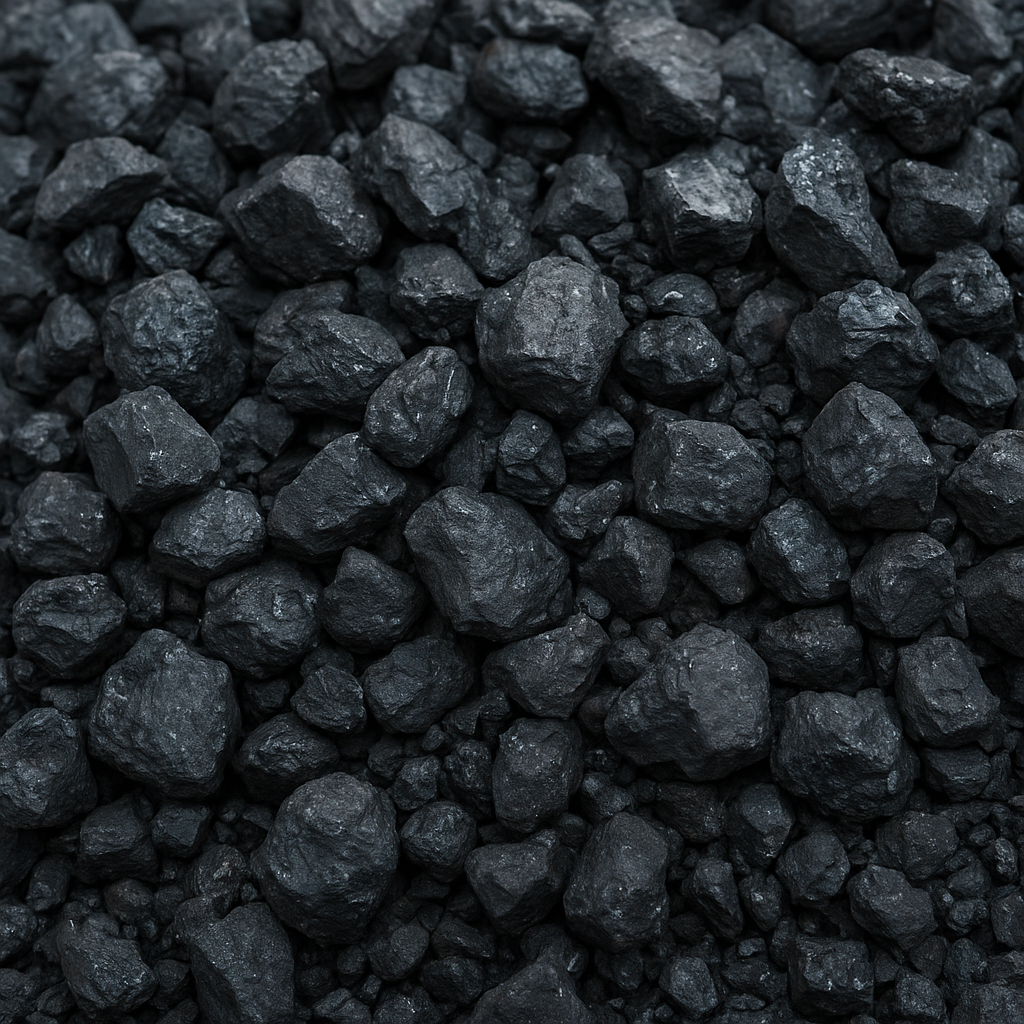
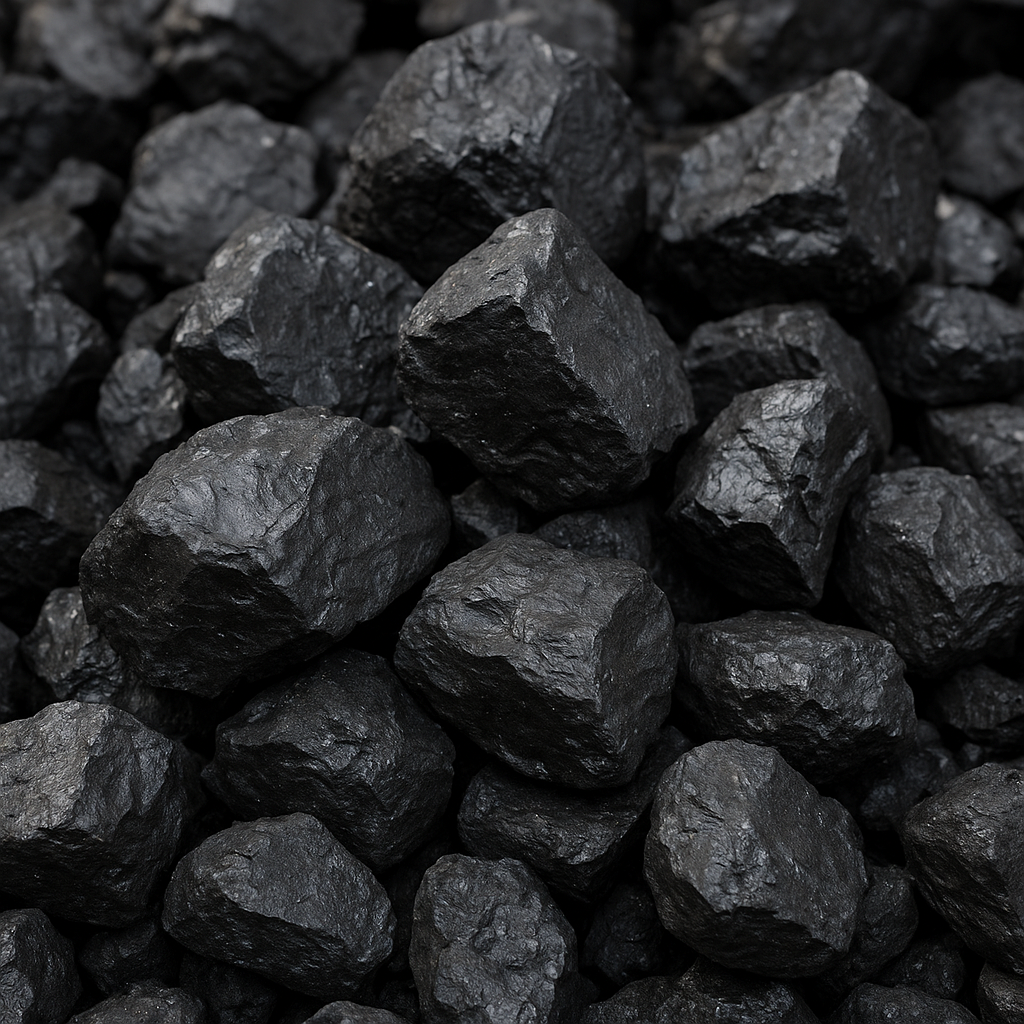
Long-flame coal is a historically important and still widely used category of coal characterized by its distinctive burning behavior, broad occurrence in many coal basins, and versatile industrial applications. This article explores the physical and chemical characteristics of long-flame coal, its global and regional distribution, economic and statistical context, technological and industrial uses, environmental implications, and prospects for the future. The aim is to provide a comprehensive, balanced overview that will be useful for energy professionals, policy makers, students, and anyone interested in fossil-fuel resources.
Characteristics and physical and chemical properties
Long-flame coal is a descriptive name that refers primarily to the way the coal burns: it tends to produce a sustained, elongated flame when ignited under typical combustion conditions. In formal coal classification systems the name may correspond to coal ranks with relatively high volatile matter and moderate calorific value, typically within the spectrum from high-volatile bituminous coals down toward sub-bituminous ranks depending on regional terminology.
Key measurable properties
- Heating value: Long-flame coals generally deliver a medium-range heating value, commonly between about 16 and 28 MJ/kg on an as-received or dry basis depending on moisture and ash content. This makes them suitable for thermal applications rather than premium metallurgical uses.
- Volatile matter: They are often characterized by relatively high volatile-matter content, which contributes to the visible, extended flame and easier ignition compared with low-volatile bituminous or anthracite coals. High volatility also affects combustion behavior in boilers and stoves.
- Ash and sulfur: Ash content and sulfur content vary widely by deposit. Many long-flame coals have moderate ash and low-to-moderate sulfur, but local geological conditions produce a spectrum from very clean low-ash seams to high-ash, high-sulfur seams that require treatment.
- Caking properties: Unlike classic metallurgical coking grades, long-flame coals are generally weakly caking or non-caking and are not typically used alone for producing metallurgical coke; however they can be blended with stronger coking coals for some purposes.
Because long-flame coals sit between low-rank brown coals and higher-rank hard coals in practical usage, their combustion characteristics are important to thermal power plant design, household heating appliances, and industrial boilers. Their flame behavior, reactivity, and grindability influence boiler efficiency, slagging and fouling tendencies, and emissions profiles.
Geological occurrence and major producing regions
Long-flame coal occurs in many traditional coal-bearing provinces around the world. It is not confined to a single geological age or basin type; rather, seams of the appropriate rank exist in Permian, Carboniferous, and younger coal measures in multiple continents. Mining companies and utilities value these seams for their combination of accessibility and thermal properties.
Major regions and basins
- China: China hosts a wide range of coal ranks. Certain provinces contain large volumes of long-flame or high-volatile coals used for local industry and power generation. Given China’s dominance in global coal consumption and production, variations labeled as long-flame in local classification are significant to domestic markets.
- Russia (Kuznetsk and Pechora basins): Russian coal basins contain extensive reserves of bituminous and sub-bituminous coals that include types comparable to long-flame coal. Kuzbass (Kemerovo) supplies diverse thermal coals that feed power plants and industry across Russia.
- United States (Appalachian and Illinois Basins): In the U.S., higher-volatile bituminous coals suitable for thermal use are found in Appalachia and the Illinois Basin. The Powder River Basin, by contrast, is dominated by low- to medium-rank sub-bituminous coal with low sulfur and large-scale surface mining.
- Poland and Central Europe: In Central Europe, long-flame coal is a recognized grade within the broader category of hard coal. The Upper Silesian Coal Basin (Górnośląskie) in Poland historically produced substantial amounts of long-flame coal for domestic heating and electricity generation.
- Australia: Australian basins such as the Bowen and Sydney basins contain high-volatile thermal coals used in power generation and as feedstock for domestic markets and exports.
- South Africa and other regions: Thermal coal types similar to long-flame coal occur in various basins across Africa, Southeast Asia, and South America, with local markets and export flows reflecting regional demand.
Mining methods depend on seam depth, thickness, and local economics. Shallow seams typically use open-pit (surface) mining, while deeper seams are extracted via underground longwall or room-and-pillar techniques. Long-flame coal is exploited by both methods worldwide.
Economic, statistical and market aspects
Long-flame coal is largely a thermal coal in market terms and therefore follows the dynamics of the global steam-coal market. Global coal remains a cornerstone of many energy systems despite policy efforts to reduce fossil fuel dependence. Below are broad statistical and economic perspectives relevant to long-flame coal.
Global context and volumes
- Global coal production and consumption: In the early 2020s, world coal production and consumption remained in the range of approximately 7–8 billion tonnes of coal annually (all types combined). Coal’s share of global electricity generation has hovered near one-third, with regional variation: high shares in some Asian countries and much lower shares in many OECD member states transitioning toward gas and renewables.
- Thermal coal share: Within total coal flows, thermal coal (used for power and heat) constitutes the majority. Long-flame coal represents a segment of that thermal market, particularly important for domestic heating, smaller-scale boilers, and some power plants designed for higher-volatile fuels.
- Prices and trade: Thermal coal prices are influenced by fuel-switching economics, transport costs, carbon pricing in some regions, and regional availability. Export-oriented suppliers (Australia, Indonesia, Russia, and the U.S.) and large importers (China, India, Japan, South Korea, and EU countries) shape international price signals. Long-flame coal sold on regional markets may trade at differentials relative to benchmark thermal coals depending on moisture, ash, and heating value.
Local economic importance
- Employment and regional development: Coal mining and associated industries provide significant direct and indirect employment in mining regions. In many coal basins, towns and infrastructure were built around coal extraction, with long-term socioeconomic ties to the industry. The extraction of long-flame coal supports local power stations, district heating systems, and small-scale industry.
- State revenues and fiscal effects: Coal royalties, corporate taxes, and payroll taxes often provide material revenues for regional governments. Where coal is state-controlled or heavily regulated, its economic role intersects with energy security and industrial policy objectives.
- Statistics by country: National statistics agencies and energy agencies provide detailed breakdowns of coal production by rank and use. For example, countries like Poland historically produced tens of millions of tonnes of hard coal annually, with a significant portion classified as long-flame or thermal coal for domestic consumption. China and India account for the majority of global coal consumption, much of it thermal; however, the specific share labeled “long-flame” depends on national classification systems.
Because long-flame coal is typically consumed close to production or within large regional coal trade networks, its market is shaped as much by logistics and local policy as by global commodity cycles. The presence of cheap local long-flame coal can slow the pace of fuel switching in specific regions.
Industrial uses and technological applications
Long-flame coal is primarily used for power generation and heating, but its applications are broader when processed or blended.
Primary applications
- Electricity generation: Many thermal power plants are configured to burn high-volatile coals. Long-flame coal’s reactivity makes it suitable for pulverized coal furnaces and certain fluidized-bed boilers, where fuel responsiveness is valuable for load-following.
- District heating and industrial boilers: In countries with extensive district heating systems, long-flame coal historically served as a primary fuel. Small- and medium-scale industrial boilers also use this coal type for process heat.
- Domestic and small-scale combustion: In many regions long-flame coal is sold for domestic stoves and small furnace systems, prized for ignitability and visible flame characteristics.
Secondary and value-added uses
- Blending: Long-flame coal can be blended with higher-rank coals to achieve desired coking properties, heating values, or emissions profiles for specialized industrial needs.
- Coal-to-chemicals and gasification: Where economic, long-flame coal can be used as a feedstock for coal gasification and chemical synthesis (e.g., syngas production) after appropriate conditioning and gas cleanup.
- Activated carbon and carbon products: Certain coals, once processed, can be used to produce activated carbon or other carbon-based materials for industrial applications.
Because most long-flame coals are not strong coking coals, their role in metallurgical coke production is limited, but they are strategically important as thermal fuel and as blending stocks.
Environmental, regulatory and health considerations
Like all fossil fuels, combustion of long-flame coal releases greenhouse gases and air pollutants, and its extraction and use raise environmental and public-health concerns. However, the specific impacts depend on coal quality, combustion technology, and pollution controls in place.
Emissions and air quality
- CO2 emissions: All coal combustion produces carbon dioxide. The carbon intensity per unit of electricity depends on coal heating value and power plant thermal efficiency. Lower-rank coals with higher moisture generally lead to higher CO2 per kWh if burned in similar boilers.
- Local pollutants: Particulate matter, SO2, NOx, and mercury emissions vary with coal composition and pollution-control technologies (ESP, fabric filters, flue-gas desulfurization). Long-flame coals with lower sulfur content can reduce SO2 emissions but not eliminate the need for controls.
- Health impacts: Air-quality degradation from coal combustion is linked to respiratory and cardiovascular illnesses in exposed populations. Indoor use of coal for cooking or heating without adequate ventilation intensifies health risks.
Mining impacts and land use
- Surface and underground mining disturbance: Open-pit mining reshapes landscapes and requires restoration; underground mining can cause subsidence with implications for infrastructure.
- Water and waste management: Coal mining and processing generate waste rock, tailings, and acid drainage risks where sulfide minerals are present. Proper water management and reclamation are critical.
Regulatory trends and mitigation technologies
- Carbon pricing and emissions regulations: Markets with carbon pricing and stringent emissions standards create economic pressure to reduce coal use or to invest in mitigation such as carbon capture and storage (CCS).
- Clean-combustion technologies: Improved boiler designs, flue-gas cleaning, and co-firing with biomass can reduce pollutant emissions. CCS demonstrations aim to address the CO2 challenge, though costs and scale remain barriers.
Policy and technological choices determine whether long-flame coal is phased out, adapted with emissions controls, or replaced by alternative fuels in given markets. The interplay between energy security, affordability, and climate commitments shapes those choices.
Statistical snapshots and illustrative figures
While global statistics rarely isolate the category “long-flame coal” precisely (because definitions differ by country), the following figures provide context and illustrate the scale and importance of thermal coal types to which long-flame coal belongs.
- Global coal supply: Recent years have seen global coal production and consumption in the order of several billion tonnes annually; thermal coal is the largest subcategory by volume.
- Electricity generation share: Coal (predominantly thermal coal) contributed roughly one-third of global electricity generation in the early 2020s; in some countries the share remains above 50% while others have driven coal down to the low single digits.
- Regional dependence: Asia (notably China and India) accounts for the largest share of global thermal coal consumption, exerting major influence on trade and price dynamics. In contrast, many European countries and some North American markets have significantly reduced coal’s role.
- Employment scale: In major coal-producing countries, hundreds of thousands of people are directly employed in mining and related industries, with many more in supply chains and local services—figures that highlight the socioeconomic stakes of any energy transition.
For detailed, up-to-date, and region-specific numbers, national energy agencies, the International Energy Agency (IEA), the U.S. Energy Information Administration (EIA), and industry statistical services publish breakdowns of coal production by rank and end use. Those sources are recommended for precise numbers tailored to a given country or basin.
Future outlook, challenges and interesting facts
The future for long-flame coal will be shaped by several competing forces: the continuing need for reliable and affordable energy in many regions, climate-policy pressure to reduce CO2 emissions, technological developments in emissions mitigation, and the economics of alternative fuels and energy systems.
Transition pathways
- Gradual phase down in many OECD markets: Political and economic pressures are pushing many advanced economies to reduce coal-fired power generation, often replacing it with renewables and gas, with impacts on long-flame coal demand.
- Persistent demand in developing regions: In regions where electricity demand is growing rapidly and domestic coal resources are available, thermal coals including long-flame types may remain important for years or decades, particularly where investments in alternatives are constrained.
- Potential for low-carbon coal systems: Technologies such as CCS, electrification of heating, co-firing with biomass, and high-efficiency low-emission (HELE) plants can reduce emissions from coal use, though economic and deployment challenges remain.
Notable practical and cultural facts
- Visible flame characteristic: The term “long-flame” literally references the burning appearance, which in many domestic stoves and some furnaces results in a long, visible flame—this trait made such coals desirable historically for certain household uses.
- Local names and standards: Different countries have their own coal classification systems; a coal called “long-flame” in one country may fall under a different label elsewhere. This complicates direct international comparisons without laboratory analysis.
- Blending and optimization: Power plants often blend long-flame coals with other grades to achieve targeted performance and emissions outcomes, illustrating the importance of coal chemistry in practical energy operations.
In sum, long-flame coal occupies a pragmatic niche within the broader coal family: not a premier metallurgical feedstock, but a flexible and widely mined thermal fuel. Its role in local economies, energy systems, and industrial processes ensures it remains relevant in many parts of the world even as global energy systems evolve. Decisions about its future use will balance economic, technical, and environmental priorities, with particular emphasis on how mitigation technologies and policy frameworks develop.
Key words emphasized: volatile, calorific value, combustion, basins, power generation, thermal, reserves, employment, emissions, carbon capture.