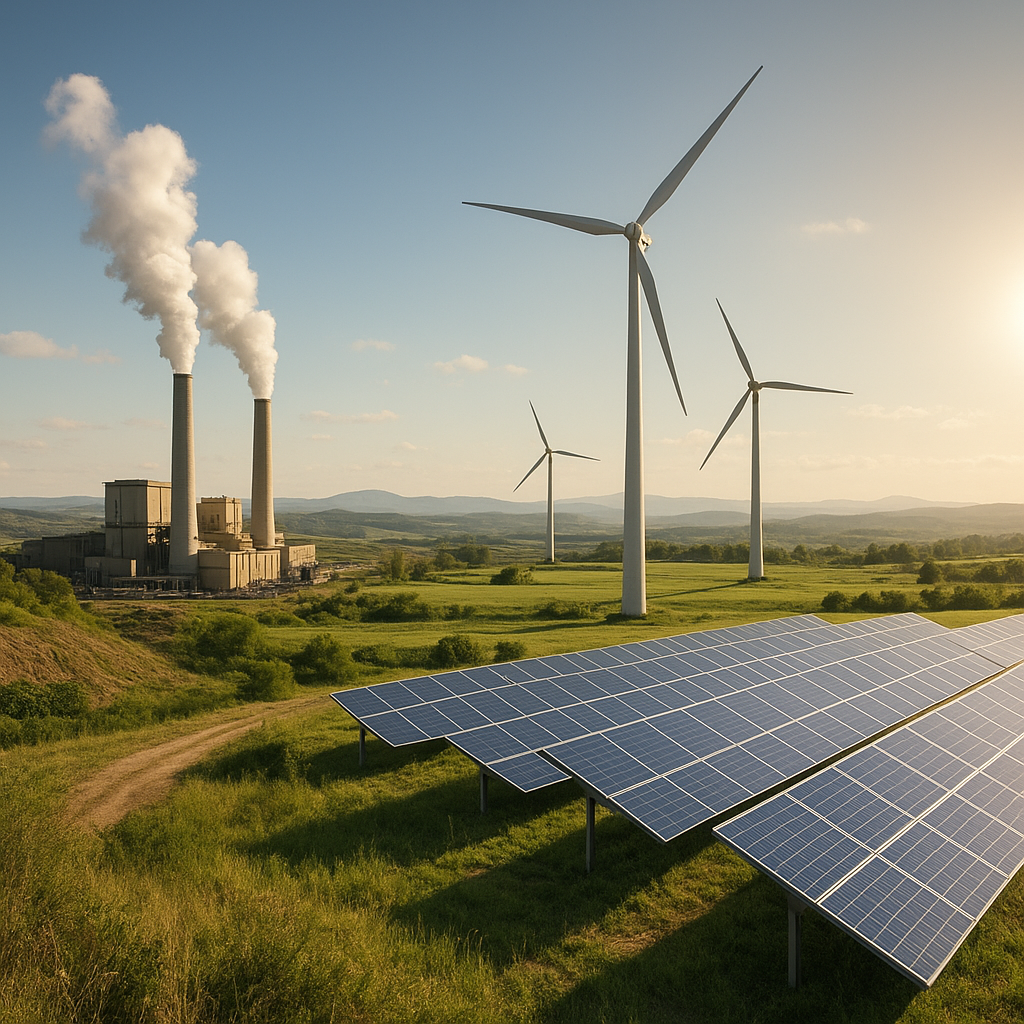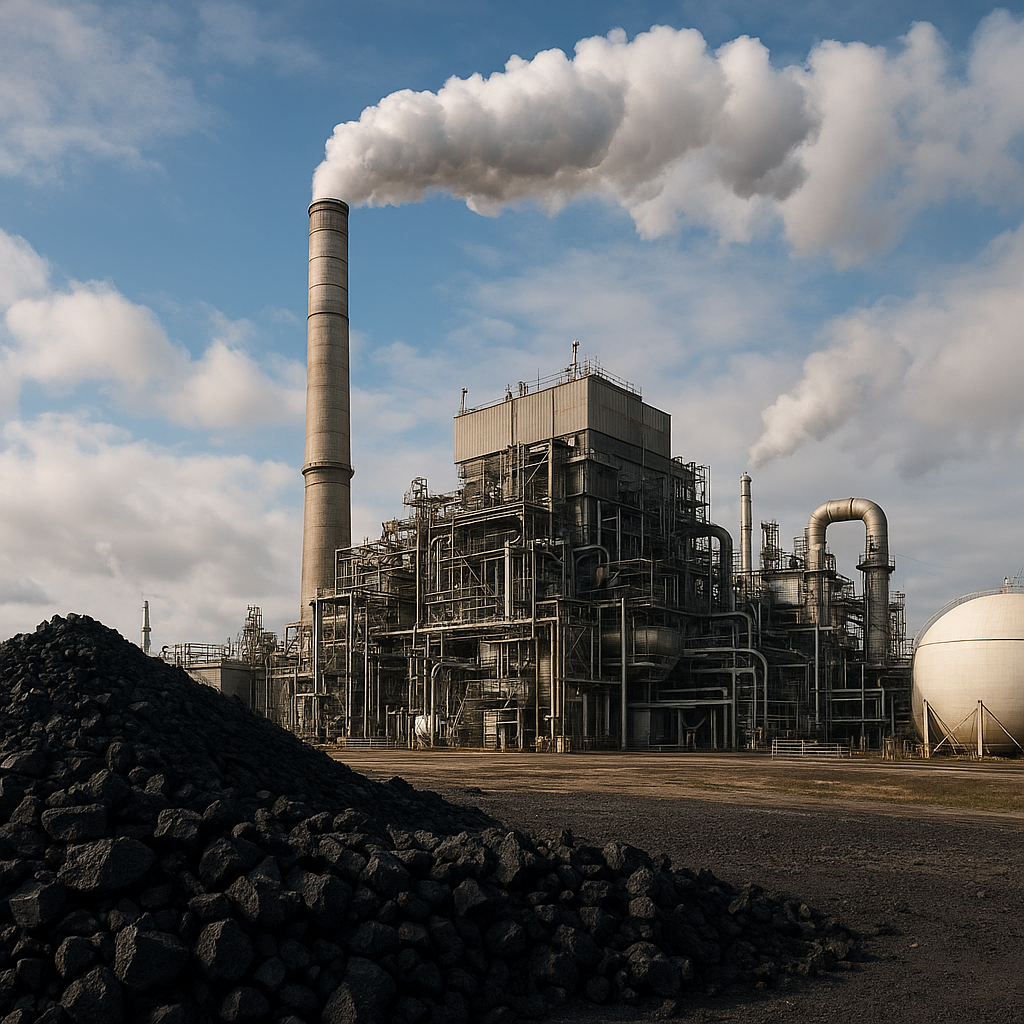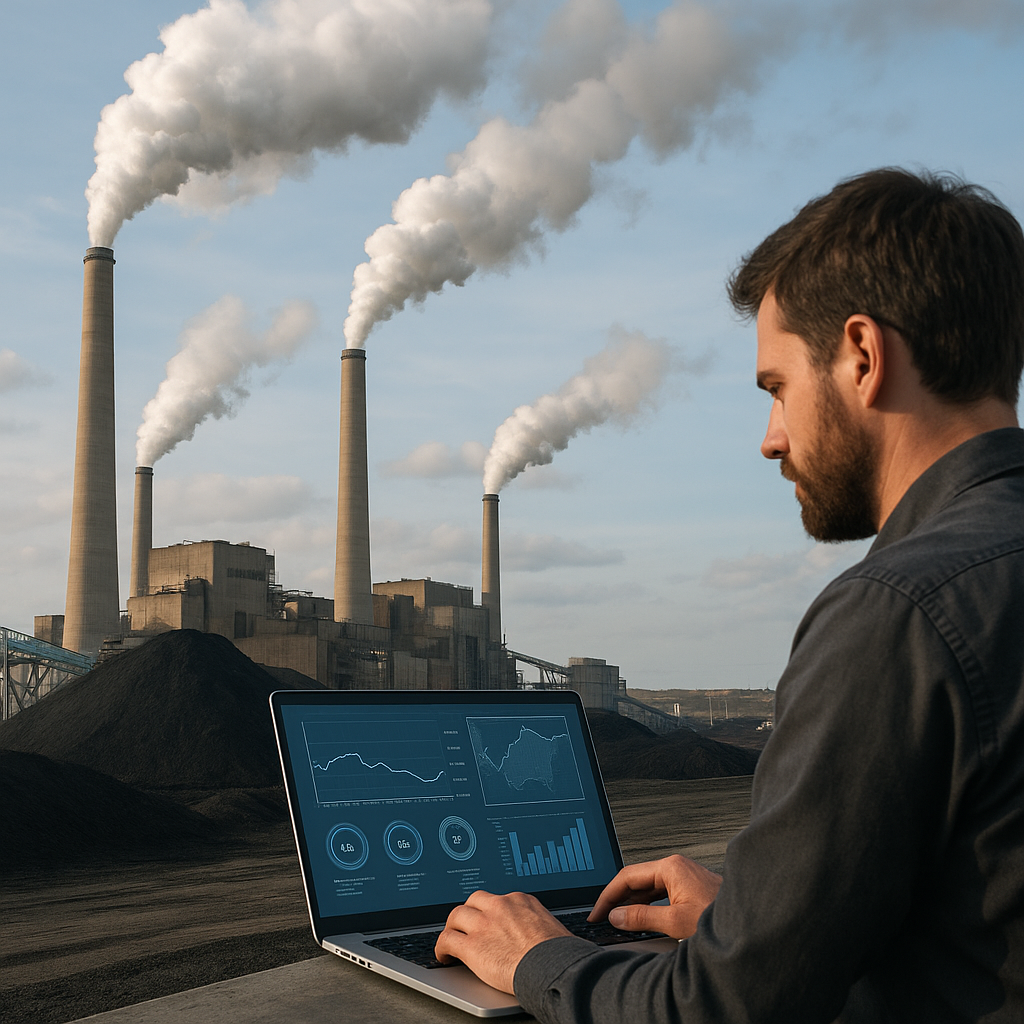
The global energy landscape is at a crossroads, with traditional resources like coal facing pressure from cleaner alternatives. Despite its environmental challenges, coal remains a cornerstone for electricity generation in many regions. Understanding the market mechanics, reserve management, and technological innovations that drive coal production and distribution is vital. This article explores the multifaceted world of coal, examines strategies behind managing coal stock, and highlights how AI-driven monitoring can significantly reduce emissions and enhance operational efficiency.
Coal as a Cornerstone of Global Energy
Coal has powered industrial revolutions and remains a primary source of electricity for billions. Its abundance and established infrastructure create a reliable supply chain that underpins energy security in many nations. Yet, burning coal for power generates substantial greenhouse gas output, prompting scrutiny and regulatory action around the world.
Formation and Types of Coal
Understanding the geological origins of coal informs extraction and utilization methods:
- Lignite: Often called brown coal, lignite has lower carbon content and higher moisture, making it less energy-dense but widely mined for local electricity production.
- Bituminous: The most common type used in power plants, with moderate moisture and high carbon content. It delivers efficient combustion.
- Anthracite: The highest grade, featuring up to 98% carbon, minimal impurities, and a cleaner burn compared to other grades.
Economic Significance
Coal’s role extends beyond power generation. Steelmaking, cement production, and chemical industries rely on byproducts of coal processing. Governments and corporations invest heavily in coal infrastructure to secure stable energy prices. The concept of supply and demand in coal markets influences trade balances, industrial competitiveness, and regional economic growth.
Managing Coal Stock and Market Dynamics
Effective stock management is crucial to balancing supply chain risks and market opportunities. Coal producers, traders, and utilities employ various strategies to handle price volatility, logistical bottlenecks, and regulatory changes.
Inventory Control and Logistics
Maintaining optimal coal stock levels prevents shortages that could halt power plants or disrupt industrial processes. Key considerations include:
- Forecasting Demand: Accurate energy consumption models help predict peak usage periods and seasonal fluctuations.
- Storage Facilities: Underground bunkers, covered yards, and silos protect coal from weather damage and spontaneous combustion.
- Transportation Networks: Railways, barges, and ports are synchronized to deliver coal efficiently, reducing lead times and handling costs.
Financial Instruments and Risk Management
Market participants use financial tools to hedge price risks and secure long-term contracts:
- Futures and Options: Standardized contracts on commodity exchanges allow buyers and sellers to lock in prices ahead of delivery.
- Over-the-Counter Deals: Customized agreements address specific quality grades, shipping terms, and credit arrangements.
- Insurance Products: Protect against cargo damage, transport delays, and regulatory compliance penalties.
Geopolitical and Regulatory Influences
Political decisions on tariffs, emissions caps, and subsidies drastically reshape coal markets. Trade disputes can redirect shipping routes, while environmental policies pressure companies to invest in sustainability measures. Compliance with regional regulations such as the European Union Emissions Trading System (EU ETS) or the United States’ Clean Air Act injects additional costs and spurs innovation in emissions control.
AI-Driven Monitoring and Emissions Reduction
Emerging digital technologies are transforming how coal-fired facilities operate. Innovation in monitoring systems delivers real-time insights into every stage of the coal lifecycle—from mining to combustion—thereby enabling targeted emission reduction strategies.
Key Technologies
- IoT Sensors: Deployed throughout mine shafts, processing plants, and power stations, these devices measure parameters such as particulate matter, gas concentrations, temperature, and vibration.
- Machine Learning Algorithms: Analyze streams of sensor data to predict equipment failures, optimize combustion processes, and detect anomalies that lead to excess emissions.
- Digital Twins: Virtual replicas of physical assets allow engineers to simulate scenarios and test operational changes without interrupting production.
Real-Time Emissions Tracking
Traditional emissions reporting relies on periodic manual sampling, which may miss transient peaks. By integrating monitoring networks with cloud-based analytics, operators gain continuous visibility into pollutant levels such as sulfur dioxide, nitrogen oxides, and particulate matter. This approach offers:
- Instant Alerts: Automated triggers notify personnel when emissions exceed thresholds, allowing prompt corrective actions.
- Trend Analysis: Historical data aggregation helps pinpoint chronic issues related to fuel quality or maintenance lapses.
- Regulatory Compliance: Detailed logs demonstrate adherence to permit conditions and facilitate smoother audits.
Predictive Maintenance and Efficiency Gains
Unplanned downtime and inefficient combustion can spike emissions and increase operating costs. AI-powered predictive maintenance platforms harness vibration, pressure, and thermal data to forecast equipment degradation. Key benefits include:
- Reduced Unscheduled Outages: Early fault detection prevents major breakdowns and keeps systems running within optimal parameters.
- Optimized Fuel Usage: Adaptive control of boiler air-fuel ratios ensures complete combustion, minimizing unburnt carbon and pollutants.
- Extended Asset Lifespan: Proactive repairs avert costly replacements and conserve resources.
Future Outlook: Transitioning from Coal to Cleaner Alternatives
While investment in digital controls enhances current operations, long-term energy strategies increasingly prioritize low-carbon sources. However, the transition away from coal will be gradual, necessitating a balanced approach that leverages existing infrastructure.
Blended Fuel Strategies
Partial substitution of coal with biomass, natural gas, or processed waste reduces the carbon footprint. Co-firing setups can adapt existing boilers, offering a cost-effective path toward cleaner energy profiles without full plant decommissioning.
Carbon Capture, Utilization, and Storage (CCUS)
CCUS technologies intercept CO2 emissions at the source, transport them via pipelines, and store them underground or repurpose them for industrial use. AI optimization plays a crucial role in:
- Process Control: Fine-tuning absorption and regeneration cycles to maximize CO2 capture rates.
- Leak Detection: Continuous monitoring of storage sites to safeguard against environmental releases.
- Cost Reduction: Streamlined operations lower the per-ton cost of captured carbon, making CCUS more economically viable.
Reskilling the Workforce
Digitalization and decarbonization reshape job profiles. Workers need new skills in data analytics, equipment calibration, and remote system management. Training programs and industry-academia partnerships are crucial to ensure a seamless transition while preserving livelihoods in coal-dependent regions.
By harnessing advanced monitoring systems and embracing emerging technologies, the coal sector can mitigate environmental impact while maintaining its role in global energy security. Strategic coal stock management combined with AI-driven solutions paves the way for a more sustainable and resilient future.