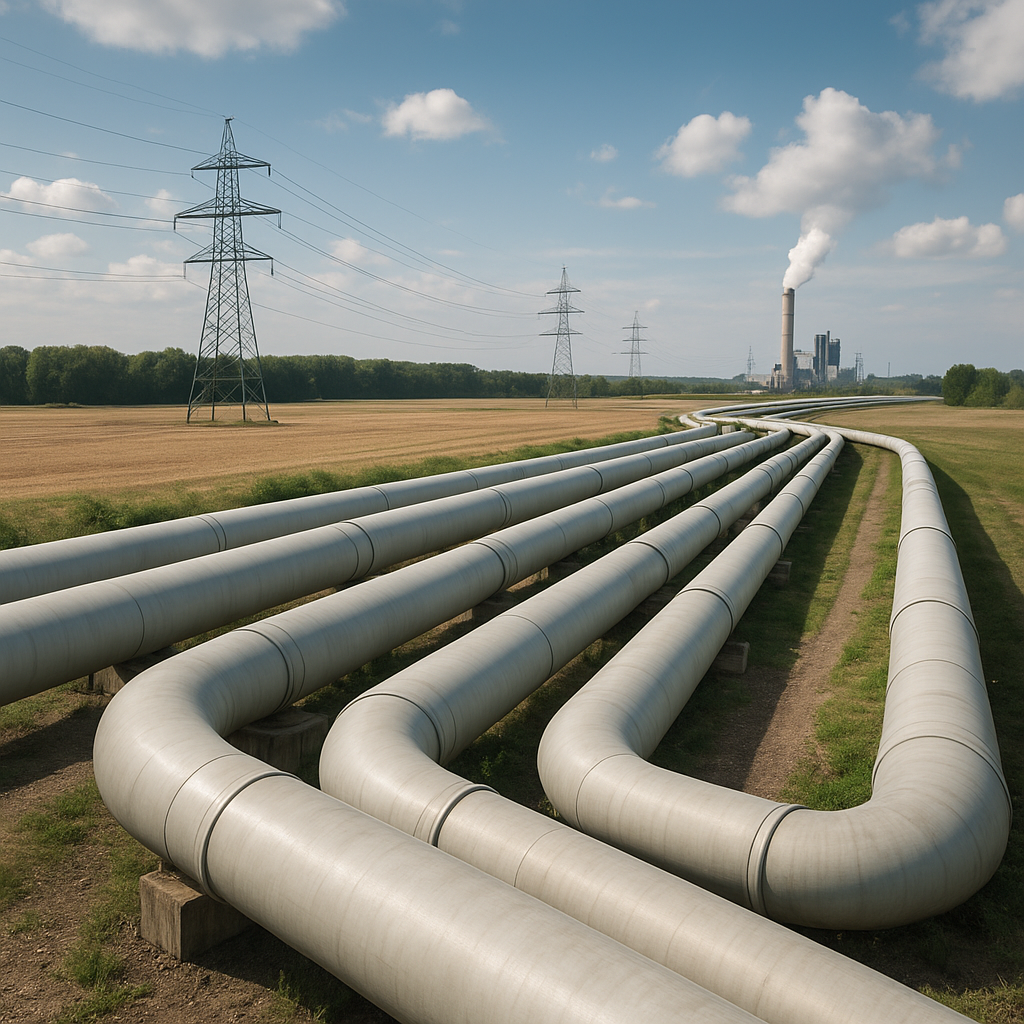
The global landscape of coal consumption and the related dynamics of coal stock management continue to shape the energy sector. While renewable sources gain traction, coal remains a critical component of many national power grids, influencing everything from market pricing to political negotiations. Understanding the complexities of extraction, storage, pricing, and future prospects is key for businesses, policymakers, and communities alike.
The Role of Coal in the Global Energy Mix
Coal has powered industrialization for centuries. Its abundant reserves and relative ease of transportation established it as the backbone of the modern energy economy. Despite growing concerns about emissions and climate change, coal still accounts for nearly 30% of global electricity generation.
- Historical importance: Since the 18th century, coal has fueled factories, railways, and power plants, accelerating economic growth.
- Diverse applications: Beyond electricity, coal is a feedstock for steel production, cement manufacturing, and chemical processes.
- Geopolitical influence: Countries with large coal reserves often wield greater leverage in energy negotiations and trade pacts.
However, the rise of renewables and stricter environmental regulations has forced coal producers to adapt. Transition strategies vary widely, from carbon capture initiatives to diversifying into natural gas and green hydrogen.
Dynamics of Coal Stockpiles and Market Fluctuations
Managing coal stockpiles involves delicate forecasting of supply-demand balances, logistical planning, and risk assessment. Large utilities and private miners maintain significant inventories to cushion against price spikes and supply disruptions.
Factors Influencing Coal Stocks
- Seasonal demand: Winter heating and summer air conditioning drive cyclical swings in consumption.
- Transportation bottlenecks: Rail and port capacity constraints can lead to localized oversupply or shortages.
- Regulatory policies: Emission caps, mine safety rules, and import tariffs directly impact stock levels and costs.
Rapid shifts in global events—such as geopolitical conflicts or pandemic-induced slowdowns—can cause coal prices to surge overnight. For example, an export curtailment in a major coal-exporting country may trigger a scramble among utilities worldwide to secure stockpile reserves, driving spot prices skyward.
Environmental and Technological Innovations
The environmental footprint of coal extraction and combustion has prompted industries to explore cleaner alternatives. Several technological breakthroughs aim to reduce the carbon intensity and ecological impact of coal operations.
- Carbon Capture Utilization and Storage (CCUS): Facilities capture CO₂ emissions at the point of combustion and either store them underground or use them in industrial applications.
- Coal gasification: Converts coal into syngas (a mixture of hydrogen and carbon monoxide), which can be burned more cleanly or processed into chemicals and fuels.
- High-efficiency low-emission (HELE) plants: Advanced boiler designs and turbine technology can boost efficiency above 45%, trimming CO₂ output per megawatt-hour.
Local communities and workers also benefit from innovation-driven transition plans. Retraining programs for miners, restoration of abandoned mine sites, and investments in solar and wind farms on former coal lands demonstrate how technology and policy can foster sustainability alongside economic resilience.
Investment Strategies and Future Prospects
Investors eyeing the coal sector must navigate a mix of risk and opportunity. Traditional power companies, private equity firms, and sovereign wealth funds evaluate financial metrics, regulatory trends, and geopolitical factors before committing capital.
Key Considerations for Stakeholders
- Regulatory landscape: Carbon pricing schemes and emissions targets can erode profitability for coal-fired assets.
- Operational costs: Labor, transportation, and compliance costs vary by region and can significantly affect margins.
- Asset lifespan: Aging plants and mine closures may require accelerated depreciation or capital-intensive retrofits.
Meanwhile, emerging markets in Asia and Africa continue to expand coal-fired capacity to meet growing electricity needs. Balancing rapid industrialization with the global push for decarbonization presents a complex puzzle. Investors who can anticipate shifts in technology, policy, and consumer sentiment may position themselves to benefit from transitional opportunities.
Coal remains a multifaceted asset class, deeply woven into the fabric of global infrastructure and economic development. Its future trajectory will depend on the interplay between environmental imperatives, technological breakthroughs, and the ever-evolving dynamics of supply and demand.