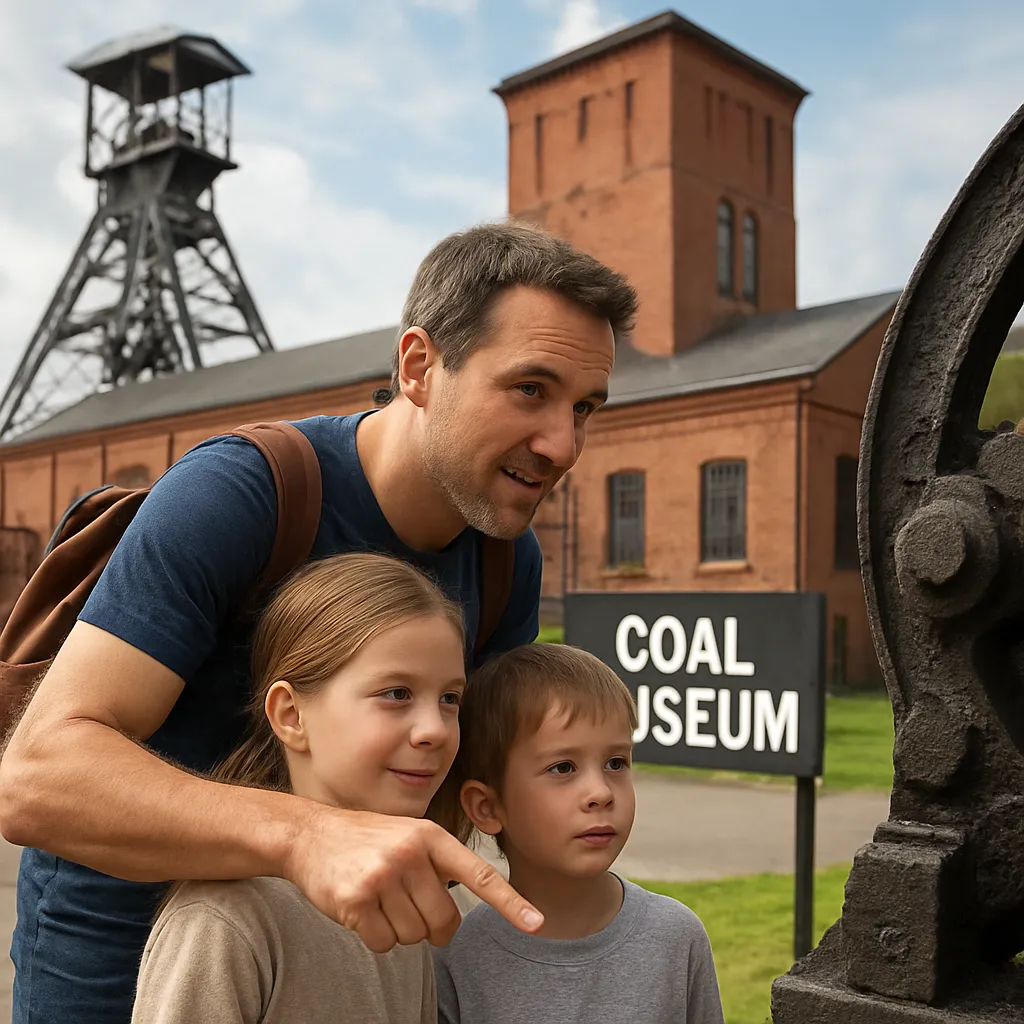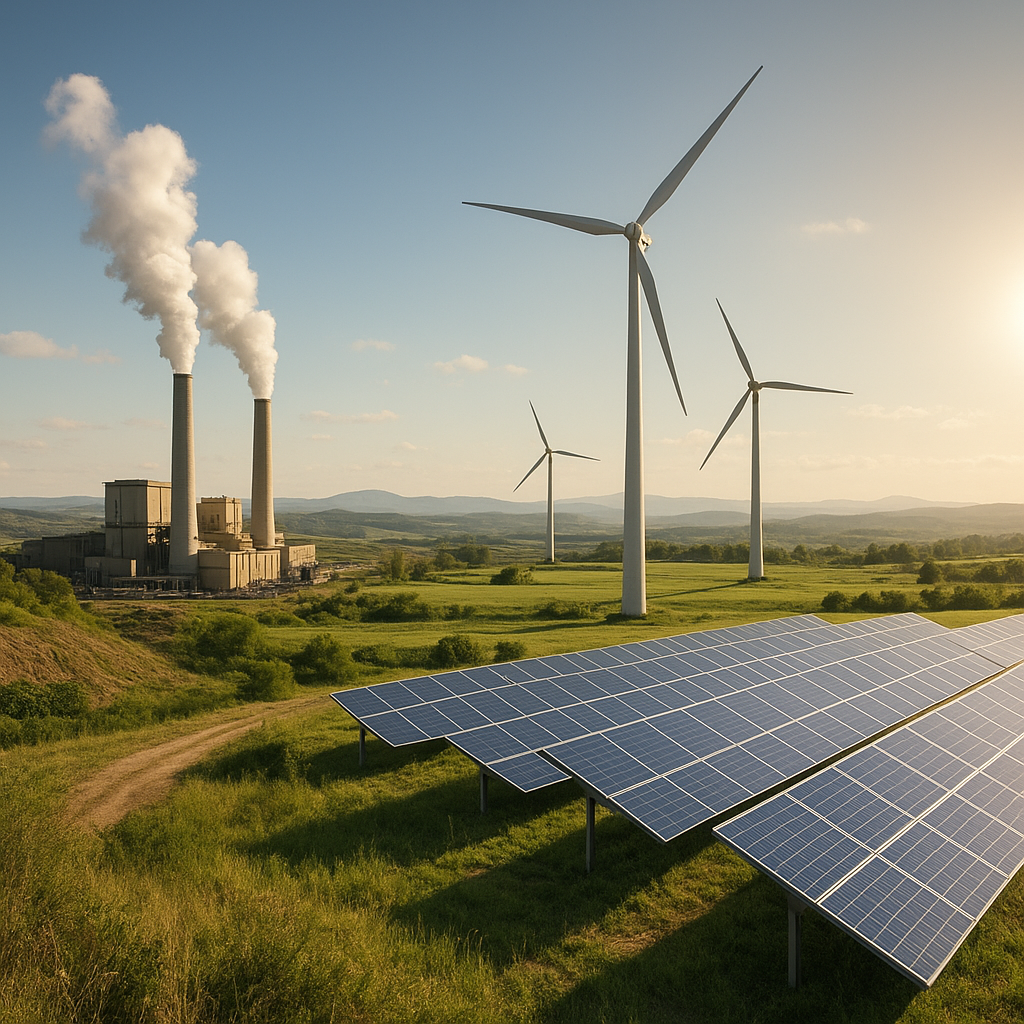
The historical significance of coal cannot be overstated. For centuries, this abundant resource fueled the engines of the Industrial Revolution, drove steel production, and powered electric grids around the world. Yet as concerns over climate change and air quality intensify, traditional coal regions are confronted with the challenge of reinventing themselves. The journey from black gold to green energy hotspots requires vision, collaboration, and a willingness to embrace new technologies.
The Legacy of Coal: From Fuel to Footnote
Deep beneath the earth’s surface, vast seams of coal have powered nations and shaped societies. From the soot-stained factories of Manchester to the Appalachian mining towns, this fossil fuel has left an indelible mark. Many communities grew around the promise of stable jobs in mining and processing plants, while regional economies thrived on royalties and export revenues. Yet this prosperity came at a cost: air pollution, environmental degradation, and dangerous working conditions for miners.
Underlining the Environmental Toll
- Overreliance on coal led to the accumulation of toxic byproducts such as sulfur dioxide and mercury.
- Open-pit mines scarred landscapes, disrupting water tables and wildlife habitats.
- Greenhouse gas emissions from coal-fired power plants remain one of the largest contributors to global warming.
Despite concerted efforts to improve safety and reduce emissions, coal’s long-term future appears uncertain. As governments adopt stricter regulations and consumers demand cleaner alternatives, the carbon-intensive reputation of coal has turned it from a pillar of growth into a contentious liability.
The Rise of Renewable Hubs: Pathways and Pitfalls
Across the globe, former coal regions are reinventing themselves as centers of innovation in renewables. Wind farms now crest former mine ridges, while solar arrays replace abandoned rail lines. This transformation is not merely symbolic; it highlights a strategic shift in investment priorities and regional development plans.
Key Drivers of Change
- Government incentives such as tax credits and feed-in tariffs have made renewable projects financially attractive.
- Declining costs of solar panels, wind turbines, and battery storage systems have bridged the economic gap with coal.
- Workforce retraining programs are equipping former miners with skills in engineering, maintenance, and grid integration.
However, obstacles remain. Grid capacity constraints, community resistance to new infrastructure, and the intermittent nature of solar and wind pose integration challenges. Overcoming these pitfalls requires robust infrastructure, coordinated planning, and inclusive stakeholder engagement.
Coal Stock Markets: Shifting Fortunes and Strategies
Financial markets have witnessed dramatic shifts in the valuation of coal-related stocks. Once considered safe bets, many mining companies now see their market capitalization shrink as investors gravitate toward decarbonization and Environmental, Social, and Governance (ESG) criteria. This reallocation of capital exerts pressure on coal firms to redefine their business models.
Investment Trends and Corporate Responses
- Institutional investors are divesting from coal assets, favoring clean-energy portfolios.
- Some mining giants are diversifying into rare-earth elements and battery materials essential for electric vehicles.
- Shareholder activism pushes companies to set net-zero targets and improve transparency in emissions reporting.
A growing number of former coal firms have launched subsidiaries focused on green hydrogen, carbon capture, and geothermal energy. Such moves aim to restore investor confidence and ensure long-term resilience in volatile commodity markets.
Bridging the Transition: Community, Policy, and Technology
Successful transformation from coal to renewables hinges on a delicate balance between economic viability and social responsibility. Locally driven initiatives, coupled with national policy frameworks, can accelerate the adoption of sustainable practices in former mining regions.
Community-Led Revitalization
Engaging residents in planning and decision-making fosters a sense of ownership. Examples include:
- Cooperative solar gardens that distribute revenue among participants.
- Repurposing former mine sites into eco-tourism attractions or research centers.
- Skill-development hubs that partner with technical colleges and universities.
Policy Frameworks and Incentives
Governments can catalyze change through targeted measures:
- Grants for small businesses investing in clean-energy technologies.
- Public–private partnerships to upgrade transmission lines and energy storage facilities.
- Carbon pricing mechanisms that make coal less competitive relative to clean alternatives.
Technological Innovation
Technologies that bridge the gap between intermittent renewables and stable baseload include:
- Advanced battery systems capable of multi-hour grid support.
- Small modular reactors that provide low-carbon power without the footprint of traditional nuclear plants.
- Direct air capture for carbon removal, potentially deployed at decommissioned power station sites.
These technologies not only diversify the energy mix but also create high-value engineering and maintenance jobs, strengthening the economic fabric of transitioning regions.
Collaborative Pathways Forward
Transforming coal regions into renewable hubs demands collaboration among government bodies, private enterprises, academic institutions, and local communities. By aligning the goals of stakeholders, regions can craft holistic strategies that balance environmental sustainability with economic growth. As the energy landscape evolves, coal’s role may diminish, but the ingenuity and spirit of coal communities can drive the next wave of energy innovation.