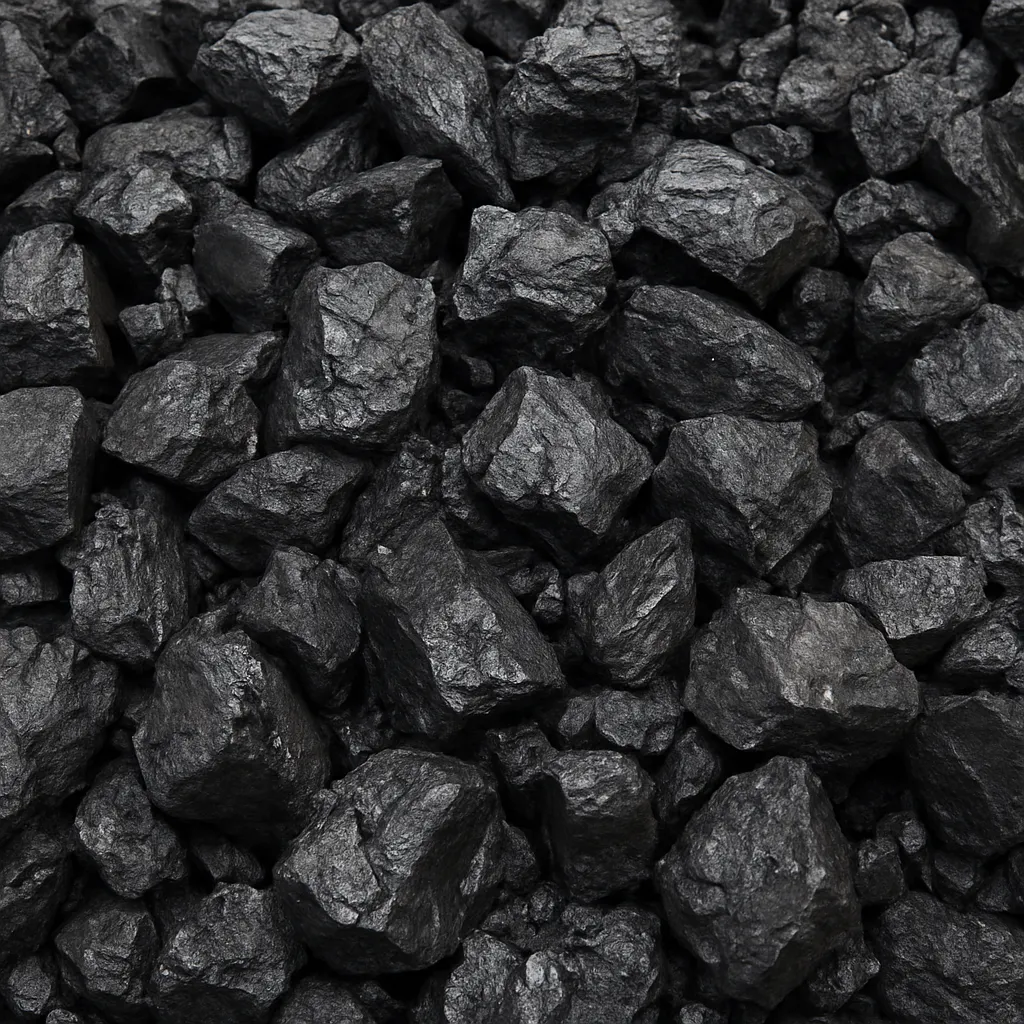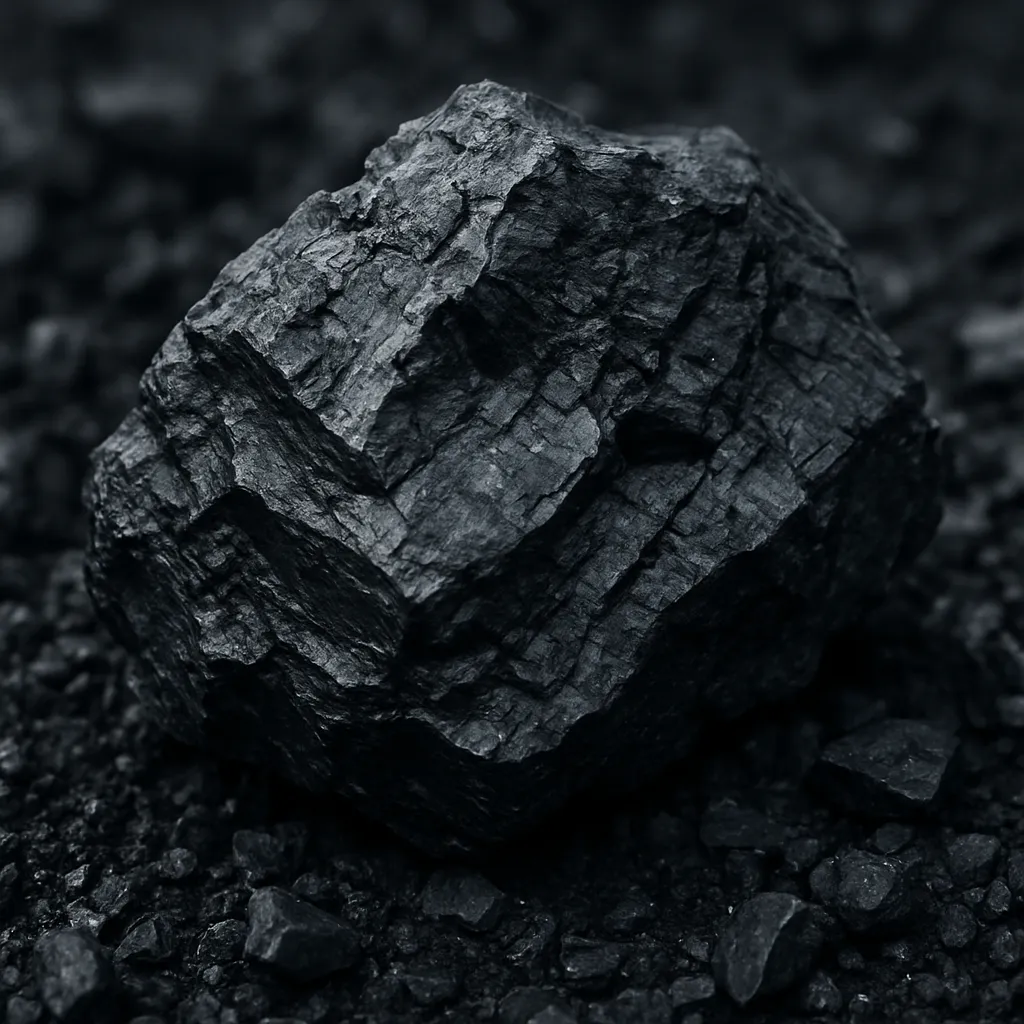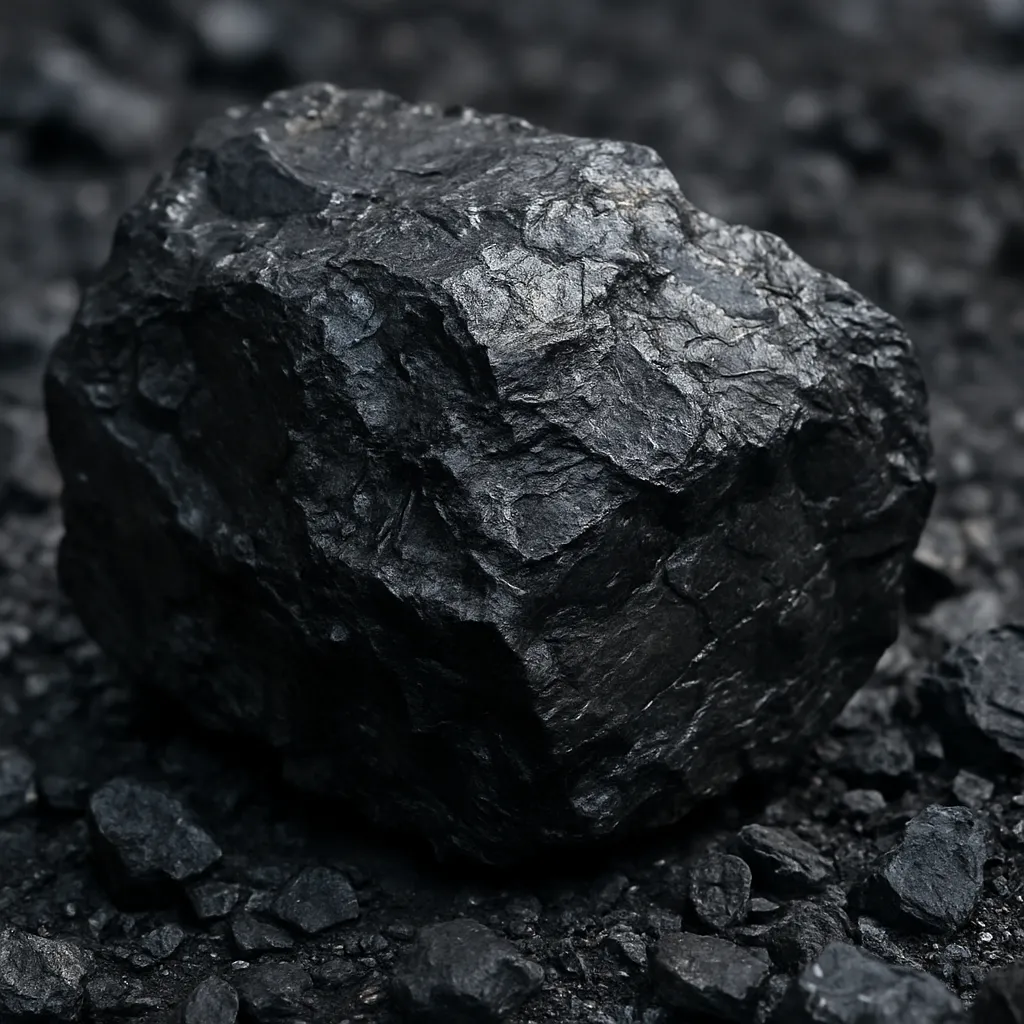
High-volatile C coal is a specific rank within the bituminous coal classification that plays a significant role in global energy systems, industrial processes and regional economies. This article provides a comprehensive overview of its geological characteristics, global distribution, mining and processing, economic and industrial significance, environmental considerations and current market trends. The goal is to give a clear, technically grounded and practically useful picture for professionals, students and interested readers.
Properties, classification and geological occurrence
High-volatile C coal belongs to the broader family of bituminous coals and is defined by its rank (reflecting the degree of coalification), volatile matter content and calorific value. In practical terms it occupies a middle-to-upper position among thermal coals: higher in rank and calorific value than high-volatile A or B coals in some classification schemes, but lower than medium- and low-volatile bituminous coals and anthracite. Its petrographic composition typically includes a dominance of vitrinite macerals, with variable amounts of inertinite and liptinite components, which influence combustion behavior and coking properties.
Key physical and chemical characteristics
- Calorific value (gross, HHV): commonly in the range of roughly 24–30 MJ/kg on an as-received basis (values vary with moisture and ash).
- Volatile matter: relatively high compared with medium- and low-volatile bituminous coals, which affects ignition and flame stability in furnaces.
- Fixed carbon: moderate; provides the carbon content relevant for energy generation and some carbon-material applications.
- Ash and sulfur: highly variable depending on the basin — ash can range from very low (<5%) in premium coals to >25% in poor-quality seams; sulfur typically ranges from <1% to several percent.
- Physical texture: often friable and easier to crush and pulverize than harder coals.
Because ranking systems differ (ASTM D388, ISO standards and national classifications), numerical cut-offs vary. These ranges are indicative; specific project work requires proximate and ultimate analyses, calorimeter results and petrographic description.
Global distribution and main mining regions
High-volatile C coals are found in many of the world’s established coal basins. Their distribution mirrors the broader spread of bituminous coals across Carboniferous and younger basins, with concentrations where geologic conditions favored moderate coalification. Major producing regions that commonly yield high-volatile C products include parts of North America, Eurasia, Australia and selected basins in Asia and Africa.
North America
- Appalachian Basin (USA): contains numerous seams of high-volatile C and adjacent ranks. Appalachian coals historically supply both thermal power plants and local industrial users.
- Illinois Basin (USA): produces high-volatile bituminous coals used for power generation and some industrial feedstocks.
- Canada: selected seams in eastern Canada and the Prairie Provinces include bituminous coals with high volatile content, though Canadian production is dominated by metallurgical coals in some regions.
Russia and Central Asia
- Kuznetsk Basin (Kuzbass) and other Siberian basins produce a broad spectrum of bituminous coals, including high-volatile C grades used domestically for power and industry.
- Kazakhstan and other former Soviet basins also include seams with similar properties.
Australia
- Australia’s major basins (e.g., Bowen, Sydney, Surat) include coals in the bituminous range; the country is a leading exporter of both thermal and metallurgical coals. Some Australian thermal coals correspond to high-volatile C characteristics and are important in export markets.
Asia and Africa
- China and India: both have diverse coal resources spanning anthracite to lignite. Many domestic thermal coals fall into the high-volatile bituminous category and are used heavily for electricity generation and industry.
- South Africa: while much of South African coal is sub-bituminous to bituminous, selected mines produce coals with high volatile content used for power generation and coal-to-liquids feedstocks.
Mining, processing and typical end uses
Mining methods for high-volatile C coal follow standard approaches for bituminous seams: underground room-and-pillar, longwall mining where seam thickness and geology permit, and surface (open-pit) mining in shallow deposits. Processing steps include crushing, screening, washing (to remove ash and sulfur-bearing minerals), and sometimes flotation or gravity separation to improve product quality for specific markets.
Common industrial uses
- Electricity generation: the principal use of high-volatile C coal in many regions. Its high volatile content favors rapid ignition in pulverized coal-fired boilers and fluidized bed combustors.
- Steam and process heat: industry uses it for steam generation, cement kilns and other high-temperature processes where consistent combustion is required.
- Gasification and chemical feedstock: suitable for integrated gasification combined cycle (IGCC) plants, production of synthesis gas (syngas) and subsequent conversion to chemicals and fuels.
- Limited use in metallurgical processes: while not primary coking coal, some high-volatile coals can be blended with stronger coking coals in PCI (pulverized coal injection) or in partial cokemaking blends, depending on plasticity properties.
- Specialty carbon products: selected higher-quality bituminous coals can be processed into carbonaceous products such as activated carbon precursors or for electrode manufacture after appropriate upgrading.
Economic significance, markets and trade
High-volatile C coal contributes to both domestic energy security and international trade. Its economic importance depends on regional energy mixes, transport logistics, and the availability of alternative fuels. In many developing and emerging economies, affordable thermal coals of this rank underpin baseload electricity generation and support industrial development.
Market dynamics
- Price drivers include calorific value, ash and sulfur content, transport costs, and the need for specific combustion properties (e.g., volatility and grindability).
- Logistics are crucial: ports, rail infrastructure and proximity to end-users strongly influence marketability. High-volatile C coals are typically marketed as thermal coal to utilities and industrial buyers.
- Export demand: major exporters (Australia, Indonesia, Russia, the United States) ship large volumes of thermal coals; buyers in Asia (China, India, Japan, South Korea, Southeast Asia) dominate import markets.
Statistical overview and trends
Precise statistics specifically isolating high-volatile C coal from other thermal coal grades are rarely published in public datasets; most national and international statistics report total hard coal, thermal coal and coking coal aggregates. However, a few broad observations are robust:
- Global coal production remains in the multi-billion tonne range annually. Major producers include China, India, Indonesia, the United States and Australia.
- Thermal coal continues to represent a significant share of this production because many of the world’s power systems still rely on coal-fired generation for baseload and winter-peak supply.
- In OECD economies coal use has been declining for power generation over recent decades due to environmental regulations, renewables uptake and gas switching; in contrast, non-OECD demand (notably in Asia) has remained resilient or grown, affecting global trade and prices.
Because high-volatile C coals are commonly used for thermal purposes, their market fortunes largely track the broader thermal-coal market: periods of price strength occur when Asian demand is high and supply disruptions constrict exports; downward pressure occurs with rapid renewables deployment, economic slowdown or regulatory coal phase-out policies.
Environmental, regulatory and technical challenges
Like all fossil fuels, high-volatile C coal presents environmental challenges in mining, transport and combustion. Emissions linked to coal use include CO2, NOx, SOx, particulate matter and mercury; ash disposal and water management in mining and washing operations are additional concerns.
Emissions and control technologies
- Modern coal-fired plants use flue-gas desulfurization, selective catalytic reduction (SCR) or selective non-catalytic reduction (SNCR) for NOx, electrostatic precipitators or baghouses for particulates, and activated carbon injection for mercury control. These systems are applicable to units burning high-volatile C coal as well.
- Carbon capture and storage (CCS) remains the primary pathway to dramatically reduce CO2 emissions from coal-fired sources, but cost, infrastructure and policy support are major constraints to wide adoption.
Mining impacts and reclamation
- Surface mining can significantly alter landscapes; modern regulatory frameworks increasingly require progressive rehabilitation and post-mining land uses.
- Underground mining risks include subsidence and ground-water impacts; mitigation involves careful planning, monitoring and technology deployment.
Technological opportunities and value-added pathways
Despite environmental pressures, technological advances create new opportunities to enhance the value of high-volatile C coal while reducing negative impacts.
- Coal washing and beneficiation can improve calorific value and reduce ash and sulfur, making coal more marketable and less polluting.
- Gasification enables conversion to syngas for power, hydrogen, or chemical feedstocks — offering potential integration with CCS for lower-carbon products.
- Co-firing with biomass or blending with lower-emission fuels can reduce net greenhouse-gas intensity of fired output.
- Advanced combustion technologies (ultra-supercritical boilers, fluidized beds) can increase thermal efficiency and lower specific emissions per MWh.
Socioeconomic role and regional case studies
In many regions coal — including high-volatile C grades — underpins employment, local government revenues and energy access. The socio-economic dimension of coal operations includes host-community benefits, labor-market effects and regional industrial ecosystems.
Appalachian coal communities
Historically dependent on bituminous coal mining, these regions illustrate the complex trade-offs between employment, regional identity and the need for economic diversification. Transition policies, retraining programs and redevelopment investments are key social responses where coal employment declines.
Emerging Asia
In rapidly industrializing economies, affordable thermal coals enable expansion of electricity supply and industrial capacity. High-volatile C coal’s relatively favorable combustion properties make it attractive to utilities seeking dispatchable generation to complement intermittent renewables.
Outlook and strategic considerations
The future of high-volatile C coal rests at the intersection of energy policy, market forces and technology. Key factors shaping outlook include: ongoing demand in non-OECD countries, the pace of renewables and storage deployment, carbon-pricing and regulatory regimes, and the economic viability of low-carbon coal technologies such as CCS and gasification with capture.
- In the near to medium term, demand for thermal-grade coals (including high-volatile C) is expected to persist in regions with growing electricity needs and limited alternative capacity.
- In jurisdictions with stringent climate policies, coal use may decline rapidly unless coupled with CCS or repurposing into chemical feedstocks with capture.
- From an investment perspective, projects that can produce lower-ash, lower-sulfur products, or that integrate with transport and port infrastructure, retain competitive advantages.
Interesting technical and historical notes
– The term “high-volatile C” arises from empirical classification systems developed to describe functional combustion behavior and coke-making potential; it is useful in engineering specifications and contracts.
– Some notable historical uses of bituminous coals include early industrial steam generation and town gas production (coal gas), which in many regions preceded natural gas networks.
– Research into upgrading low-rank coals and creating value-added carbon products has given rise to pilot projects exploring activated carbon, carbon fibers and specialty carbons derived from upgraded bituminous coals.
Practical guidance for users and buyers
When assessing high-volatile C coal for a project or purchase, evaluate:
- Full proximate and ultimate analyses (moisture, ash, volatile matter, fixed carbon, sulfur).
- Calorific value on as-received and dry basis.
- Trace element content (mercury, arsenic, selenium) if environmental limits are relevant.
- Ash fusibility and slagging tendencies for combustion systems.
- Logistics costs from mine to plant or port, and seasonal variations in quality.
These assessments guide boiler tuning, emissions-control choices and economic valuation relative to alternatives.
Summary
High-volatile C coal is a widely occurring and economically important type of bituminous coal that serves primarily as a thermal fuel for power generation and industrial heat. It is mined across major coal basins in North America, Eurasia, Australia and Asia, and is a common component of international thermal-coal trade. While environmental and policy pressures are reshaping its role, technological pathways such as washing, gasification and carbon capture can extend its utility while reducing impacts. For energy planners, miners and industrial consumers, high-volatile C coal remains a practical option that requires careful quality specification, emissions management and strategic planning in the context of an evolving global energy mix.