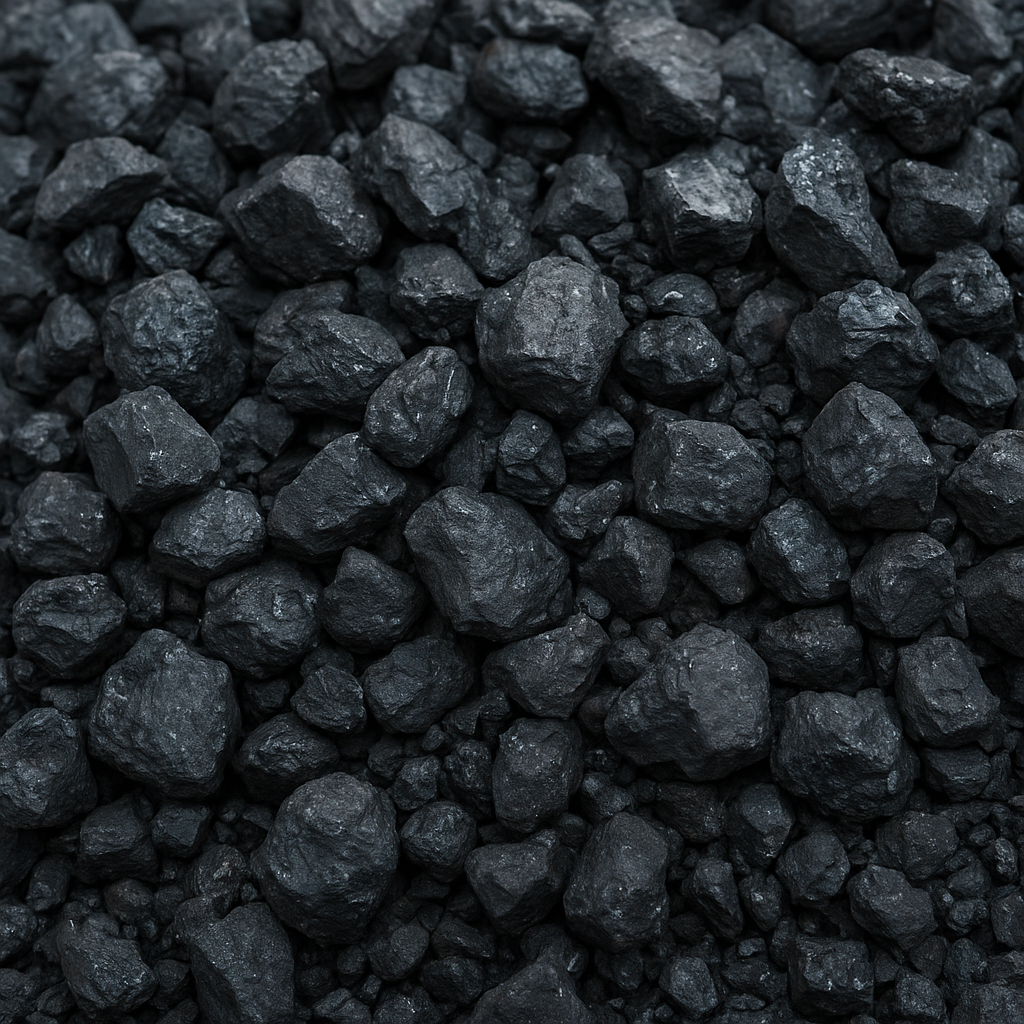
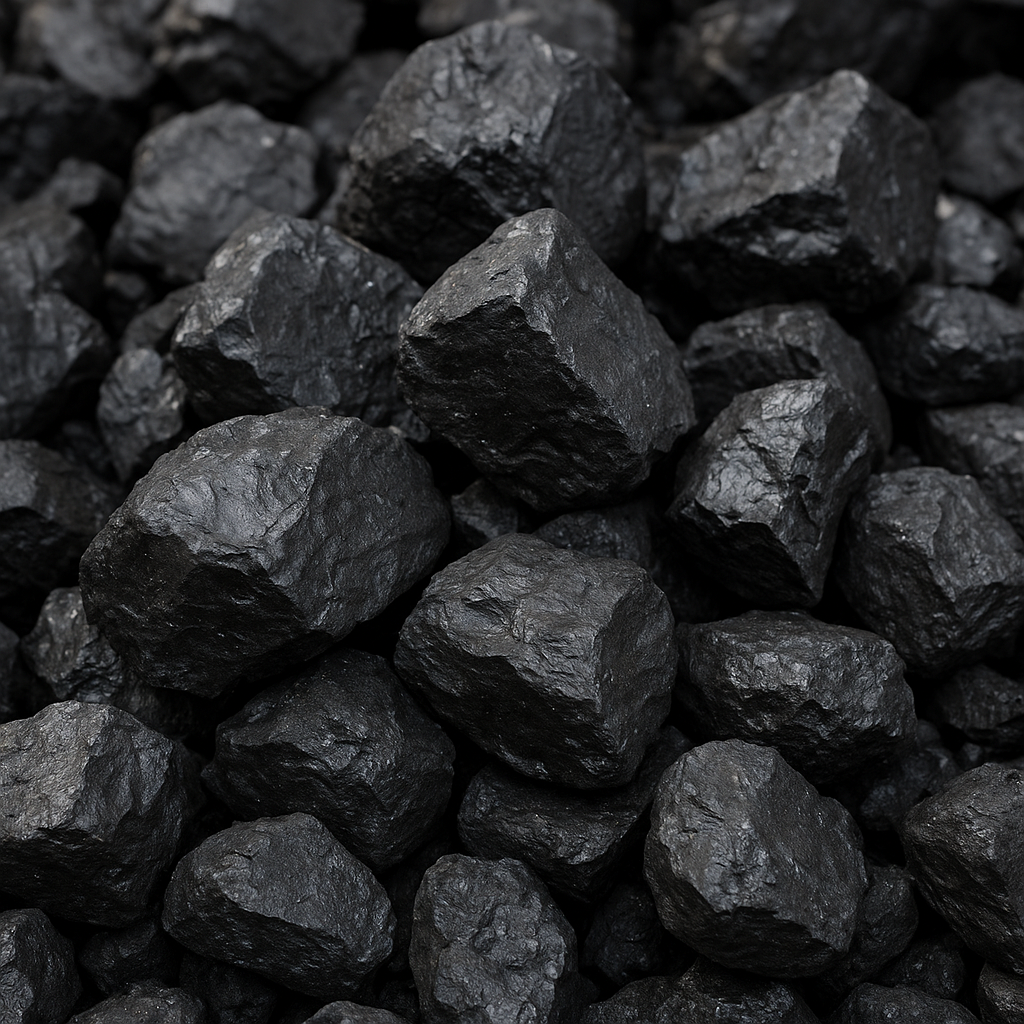
High-volatile bituminous coal occupies an important place among the ranks of coal used around the world. This article summarizes its geological characteristics, where it occurs and is mined, economic and statistical data, industrial applications, environmental issues, and future prospects. The goal is to provide a comprehensive, accessible overview for professionals, students and anyone interested in the role of this coal rank in energy and industry.
Geological characteristics and classification
High-volatile bituminous coal is a rank of coal that sits above sub-bituminous and below medium- and low-volatile bituminous coals and anthracite in the coalification sequence. Its distinguishing features include a relatively high content of volatile matter, moderate to high calorific value, and variable mineral (ash) and sulfur contents depending on depositional environment and post-depositional processes.
Rank and properties
- Volatile matter: typically relatively high compared with lower-volatile bituminous coals; many high-volatile bituminous coals have volatile matter contents often above 25–30% on a dry basis (exact values depend on proximate analysis conditions).
- Calorific value: commonly in the range of about 24–32 MJ/kg (approximately 10,300–13,900 Btu/lb) on a dry basis, though values can be higher or lower with exceptional compositions.
- Fixed carbon: lower than in low-volatile bituminous coals and anthracite; fixed carbon and volatile proportions control behavior in combustion and coking.
- Vitrinite reflectance and maceral composition: vitrinite reflectance (Ro) values for high-volatile bituminous typically fall in an intermediate range — enough to produce a hard coal with good heating properties but still retaining significant volatile components used in combustion and gasification.
Categorization standards
Internationally, coal ranks and categories follow standards such as ASTM D388 and ISO classifications that use calorific value, volatile matter, and other measures for subclassification (e.g., high-volatile A, B, C in some systems). Regional naming conventions can vary, so laboratory proximate and ultimate analyses are used to determine exact placement within these categories.
Global distribution and major producing regions
High-volatile bituminous coals are found across many of the world’s productive coal basins. Distribution reflects both the geological age and the degree of coalification of organic matter within sedimentary basins worldwide. The rank is common in Carboniferous and Permian basins, as well as in regions with less intense metamorphism than those hosting anthracite.
Key coal provinces with high-volatile bituminous deposits
- Appalachian Basin (USA): Many seams in the Appalachian region (eastern United States) are high-volatile bituminous and have long provided coal for domestic power generation, industrial processes, and metallurgical applications through blending.
- Illinois Basin and Interior basins (USA): Contain bituminous seams used for thermal coal and some coking blends.
- Kuznetsk Basin (Russia): One of the world’s major coal basins with a range of coal ranks including high-volatile bituminous used for both thermal and industrial purposes.
- Donets Basin (Ukraine) and surrounding basins: Traditionally rich in bituminous coals, supplying regional industry and export markets.
- Upper Silesian/Polish basins: Poland’s hard coal resources include significant quantities of bituminous coal historically central to its energy and steel industries.
- Shanxi and Shaanxi (China): China’s large coal-producing provinces include many deposits of bituminous rank which support massive domestic demand for power and industry.
- Bowen Basin (Australia): Australian basins produce bituminous coals (both thermal and metallurgical blends) for domestic use and export; the rank distribution includes high-volatile varieties in some fields.
- South Africa and others: Some deposits in South Africa and other countries contain bituminous coals that are used domestically and for export.
Production and reserves — approximate statistics
Global coal production and reserves are dominated by a handful of countries. While high-volatile bituminous is only a subset of all coal produced, the countries listed above are key producers of bituminous coal in many grades. Approximate global figures (all coal ranks combined) provide context for the scale at which bituminous varieties are mined:
- Global coal production: on the order of 7–8 billion tonnes annually in recent years (figures vary by year and source; 2021–2023 saw elevated production in response to energy market dynamics).
- China: roughly 3.5–4.0 billion tonnes of coal production annually, the largest single national producer (all ranks), with a large portion coming from bituminous seams in northern provinces.
- India: approximately 700–900 million tonnes annually (all ranks), with substantial domestic consumption and reliance on bituminous and sub-bituminous coals for power.
- Australia: roughly 400–600 million tonnes annually, with a major share exported; includes significant bituminous coal exports used for power and steelmaking elsewhere.
- United States: around 400–500 million tonnes (metric) in recent years (conversion from short tons), dominated by a mix of bituminous and sub-bituminous production depending on region.
- Russia and Indonesia: each producing several hundred million tonnes annually, with Indonesia important as an exporter (predominantly thermal coal).
- Global proven coal reserves: exceed ~1 trillion tonnes (1,000 billion tonnes) of coal in many estimates; the exact amount of high-volatile bituminous within those reserves varies by basin and classification methodology.
Mining methods and processing
High-volatile bituminous coal is produced by both underground and surface mining methods. The chosen method depends on seam depth, seam thickness, geology, environmental regulations and economic considerations.
Underground mining
- Longwall mining: used in thick, continuous seams (common in many bituminous coal basins), offering high recovery and productivity.
- Room-and-pillar: used in flatter, variable seams; recovery is lower but appropriate where conditions or regulations limit longwall use.
- Risks and controls: underground mining for bituminous coal carries inherent safety risks such as methane gas, spontaneous combustion potential for high-volatile coals, roof falls and water inflows. Modern ventilation, methane drainage, and ground control systems are critical.
Surface (open-pit) mining
- Used where seams are shallow or where stripping ratios are favorable; surface mining dominates production in some large basins and permits high mechanization and low unit costs.
- Reclamation and environmental controls: modern operations must follow land rehabilitation and runoff/air quality controls in many jurisdictions.
Processing and quality control
- Preparation plants wash and separate coal to improve calorific value, reduce ash and sulfur, and produce marketable coal types (e.g., thermal grades, coking blends).
- Blending: high-volatile bituminous coal is often blended with other coals to meet specifications for power plants, industrial boilers, or metallurgical uses.
- Byproducts and gas: coalbed methane (CBM) and mine gas capture are both safety measures and potential energy recovery streams, particularly in bituminous basins where CBM is abundant.
Economic and market aspects
High-volatile bituminous coal competes in several markets: domestic power generation, industrial heat, cement and lime production, and as a feedstock or blendstock for metallurgical coke and coke-making processes. Market dynamics for this rank of coal reflect broader trends in energy demand, environmental regulation, and international trade.
Market segments and pricing
- Thermal power: a significant share of high-volatile bituminous is used for electricity generation where station specifications accept its volatile and ash characteristics.
- Metallurgical demand: although preferred coking coals are typically medium- and low-volatile bituminous types, high-volatile coals are used in blends or for processes such as pulverized coal injection (PCI) in blast furnaces and in some coke-making recipes after appropriate treatment.
- International trade: export attractiveness depends on calorific value, ash, sulfur and moisture. High-volatile coals with good calorific value and low impurity content can be highly marketable.
- Pricing drivers: global coal prices respond to energy demand cycles, shipping costs, fuel-switching (gas vs coal), and regulatory shifts like carbon pricing or coal phase-out policies.
Regional economic importance
In many regions, coal mining—particularly of bituminous types—has historically been a pillar of regional economies, supporting employment, infrastructure and secondary industries (coke ovens, steel plants, power stations). In recent years, however, economic transitions, automation and environmental policy have reshaped employment and investment patterns in coal basins.
- Employment trends: mechanization and productivity gains have reduced workforce requirements per tonne produced, but coal-dependent communities face economic transition challenges.
- Government revenues: royalties and taxes from coal production, plus export earnings, are important to national and regional budgets in countries with large coal sectors.
Industrial uses and technical significance
High-volatile bituminous coal serves diverse industrial roles beyond bulk power. Its volatility makes it responsive to gasification and combustion processes, and its properties can be adapted through beneficiation and blending to meet specialized needs.
Power generation
- Combustion: used in pulverized coal-fired boilers and fluidized bed systems. High-volatile coals can ignite and burn readily, influencing burner design and emissions controls.
- Flexibility: some plants appreciate higher-volatile coals for load-following and fast ramp-up capability, although ash and sulfur handling must be managed.
Metallurgical uses
- Coke production: while premium coke is produced from medium- to low-volatile bituminous coals, high-volatile coals can be part of a blend to achieve desired plasticity and coke strength after coking.
- Pulverized Coal Injection (PCI): used in blast furnaces to replace part of the coke feed; certain high-volatile coals are suitable for PCI if grindability and combustion behavior match furnace needs.
Gasification, chemical feedstocks and advanced uses
- Gasification: high-volatile bituminous coal is a reasonable feedstock for entrained-flow and fixed-bed gasifiers to produce synthesis gas for chemicals, hydrogen and liquid fuels through Fischer-Tropsch routes.
- Coal-to-liquids and coal-to-chemicals: historically pursued where oil was scarce or expensive; economics are sensitive to capital and carbon costs.
- Activated carbon and carbon products: certain coals are precursors for specialty carbon materials after processing.
Environmental and regulatory challenges
Like all fossil fuels, high-volatile bituminous coal raises environmental concerns that include greenhouse gas emissions, air pollution, water impacts and land disturbance. The rank’s volatile matter affects combustion emissions and ash behavior, requiring tailored control technologies.
Emissions and climate
- CO2: combustion releases carbon dioxide; coal-fired power generation has a higher CO2 intensity than most other fossil fuels on a per-unit-energy basis. Policies aimed at reducing CO2 (carbon pricing, emissions trading, coal phase-outs) directly affect market demand.
- Air pollutants: sulfur oxides (SOx), nitrogen oxides (NOx), particulate matter and mercury must be controlled through flue gas desulfurization, selective catalytic reduction and particulate filters; the specific pollutant profile depends on sulfur and trace element content of the coal.
Local impacts and mine-site rehabilitation
- Acid mine drainage and water quality: sulfide minerals associated with some bituminous seams can generate acidic drainage if not managed, impacting waterways and requiring remediation.
- Land use: surface mining alters landscapes and requires reclamation plans; underground mining can produce subsidence risks affecting buildings and ecosystems.
- Worker safety and community health: dust control, methane management and occupational hazards are ongoing operational priorities.
Regulatory and market pressures
Markets for high-volatile bituminous coal are shaped by environmental regulation (emission limits, coal-plant emissions standards), public policy (renewable energy incentives, retirement of coal-fired plants), and international agreements targeting greenhouse gas reductions. These pressures encourage cleaner combustion technologies, emissions control retrofits, carbon capture and storage (CCS) trials, and in many jurisdictions, gradual reductions in thermal coal use.
Statistical notes and trends
While precise shares of high-volatile bituminous within national production vary, several broad statistical trends help characterize the market environment:
- Power sector reliance: in many developing and emerging economies (notably in parts of Asia), coal remains the backbone of electricity generation, often accounting for roughly one-third or more of the generation mix, sustaining demand for several coal types including high-volatile bituminous varieties.
- Export markets: seaborne thermal coal trade is dominated by Indonesia and Australia, but many exporters supply bituminous coals to Asia-Pacific steelmakers and power stations; market prices are volatile and sensitive to seasonal demand, shipping costs and geopolitical events.
- Reserve longevity: with global proven coal reserves measured in the order of hundreds to thousands of years at current consumption rates for some countries, economic and policy constraints rather than physical scarcity currently drive future outlooks.
- Investment and closure trends: numerous conventional coal-fired plants in OECD countries have been retired or scheduled for retirement, while China, India and other developing economies have balanced new coal-fired capacity with emissions mitigation investments.
Technological developments and future outlook
The future role of high-volatile bituminous coal depends on a range of technological, economic and policy factors. Several potential pathways can preserve a role for coal while addressing environmental concerns:
Cleaner combustion and emissions control
- Retrofitting older plants with advanced flue gas cleaning (SOx/NOx capture, particulate filtration) reduces local air pollution and can extend plant life in regulated markets.
- Efficiency improvements (ultra-supercritical and advanced supercritical boilers) reduce specific CO2 emissions per MWh, improving competitiveness of coal-fired generation when deployed at scale.
Carbon capture, utilization and storage (CCUS)
- Large-scale CCUS applied to coal-fired power or gasification plants could substantially reduce CO2 emissions, potentially allowing continued use of abundant coal resources under stringent climate targets. Economics and deployment scale remain the primary challenges.
Alternative uses and value-added pathways
- Gasification for hydrogen or chemical feedstocks: meeting industrial demand for hydrogen with coal gasification plus CCUS is a proposed route in regions with abundant coal and constrained renewables or gas supplies.
- Material recovery and specialty carbons: upgrading coal to higher-value carbon products can diversify revenue streams for coal companies.
Concluding observations
High-volatile bituminous coal remains a versatile and widely distributed fuel and industrial input. Its geological ubiquity across major coal basins, its utility in power generation and certain metallurgical applications, and the large-scale infrastructure built around coal mean that this rank will continue to influence energy and industrial systems in the near term. At the same time, environmental imperatives and energy transitions are reshaping demand, investment and the technological pathways by which coal can be used more cleanly or repurposed for non-combustion applications. The balance between these forces will determine the pace and extent to which high-volatile bituminous coal continues to be mined and utilized worldwide.