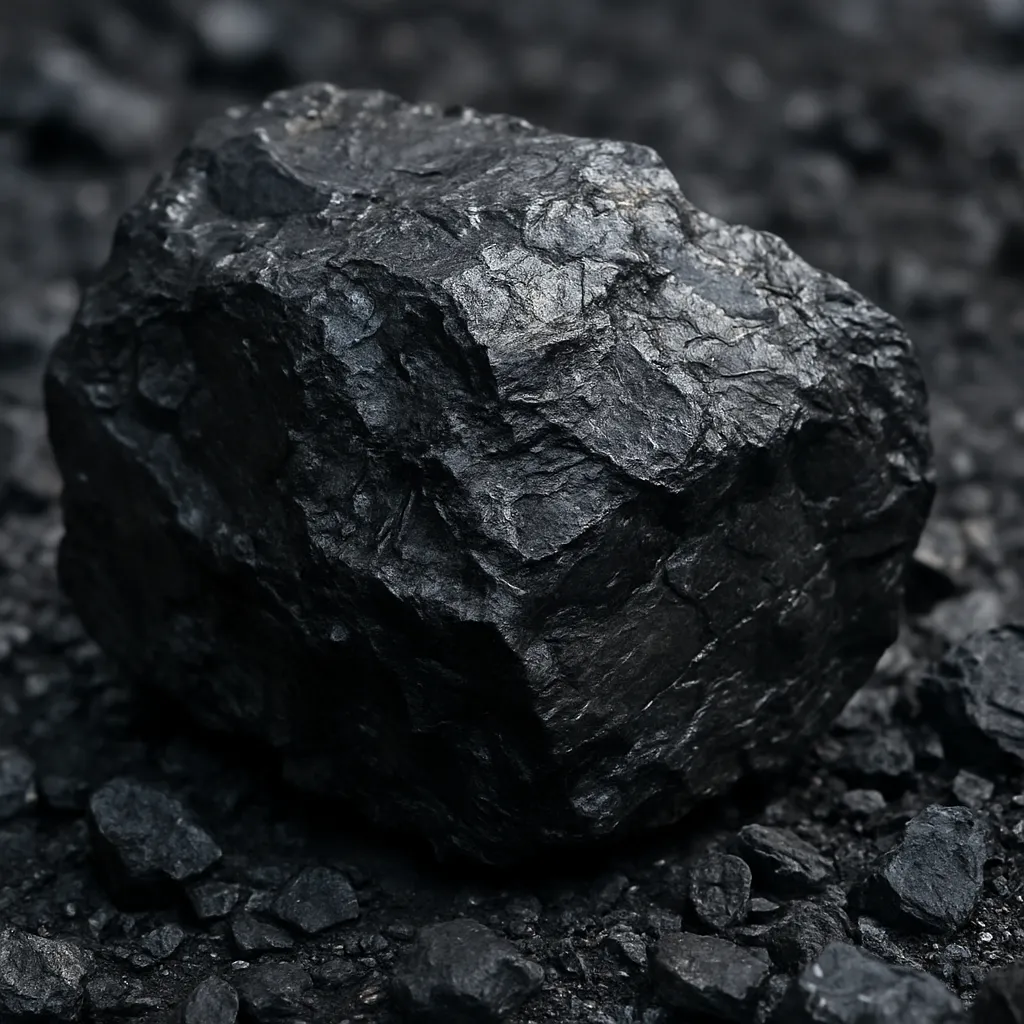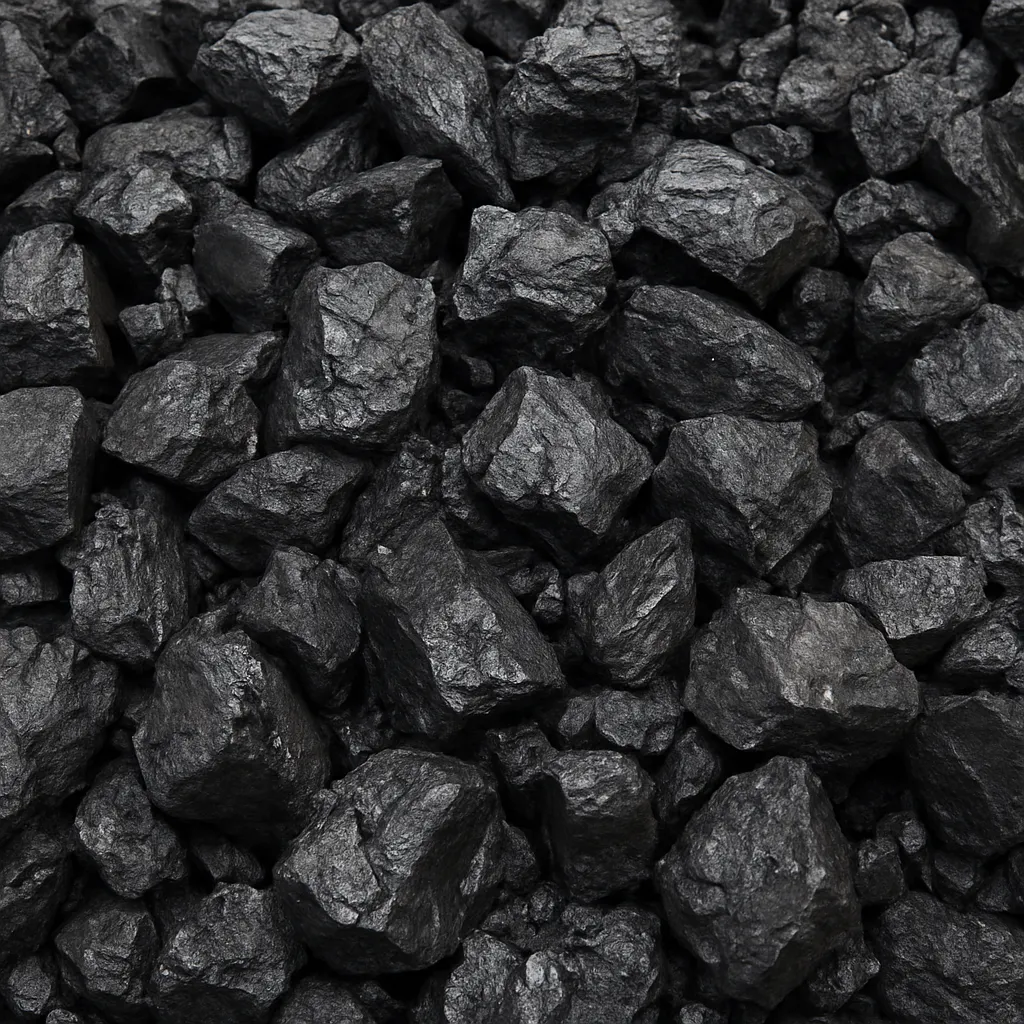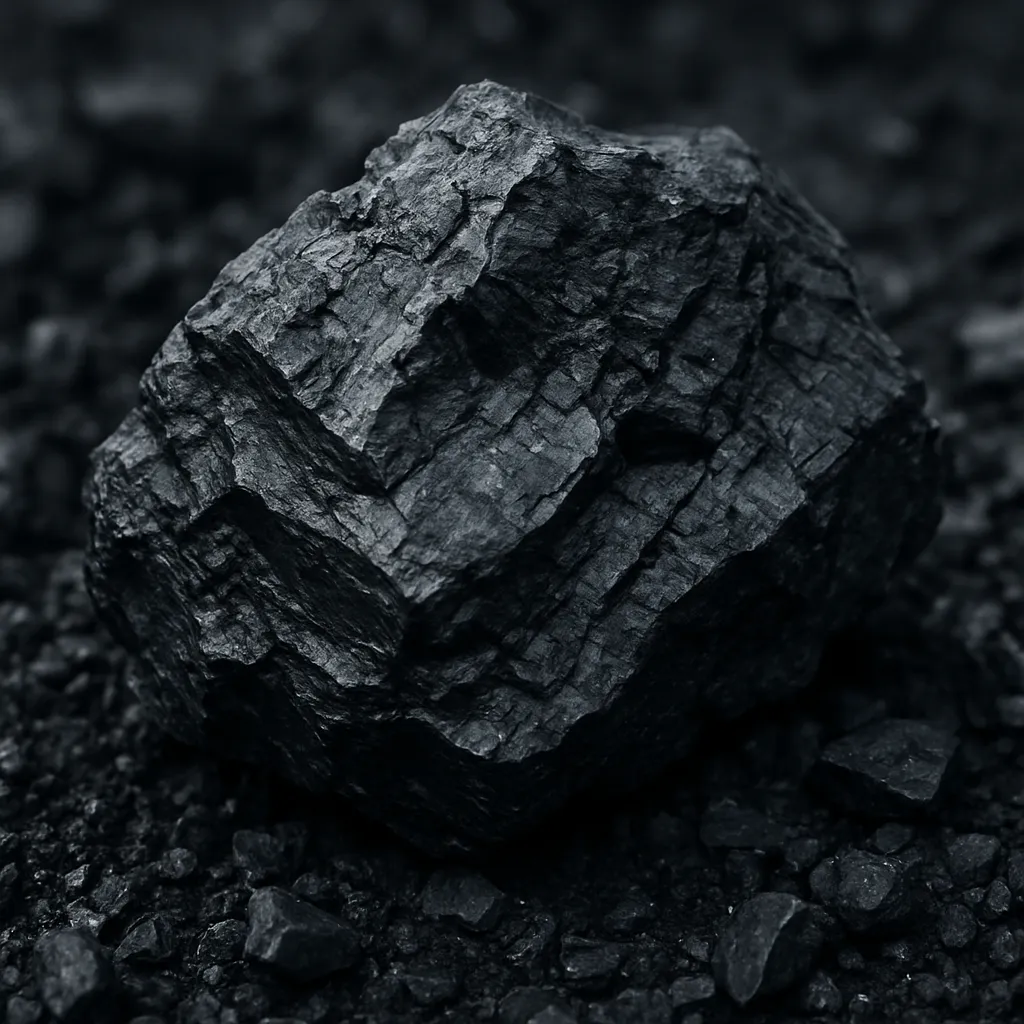
This article examines the properties, distribution, extraction, economic role and industrial uses of high-volatile A bituminous coal. It explains what distinguishes this rank from other coals, where significant deposits are found, how it is mined and traded, and what role it plays today in energy systems and industry. The goal is to provide a practical, technically informed overview useful for students, professionals in the energy and mining sectors, and readers interested in fossil-fuel resources.
Geology, Rank and Key Physical-Chemical Properties
Coal is classified by rank — a measure of the degree of coalification that reflects the combined effects of temperature, pressure and time on organic material. Within the bituminous realm, the designation High-volatile A denotes the highest rank within the high-volatile bituminous group, sitting between lower-rank high-volatile B/C coals and medium-volatile or semi-anthracitic coals. High-volatile A coals typically show intermediate values of volatile constituents, fixed carbon, moisture and calorific output, which make them versatile for thermal and some industrial applications.
Typical proximate and ultimate characteristics
- Moisture (air-dried): generally low to moderate, commonly in the range of about 1–8%.
- Volatile matter: relatively high compared with lower-rank bituminous and coking coals; typical ranges (air-dried) often fall roughly between 25% and 35% depending on local geology and sample basis.
- Fixed carbon: substantial but lower than in lower-volatile bituminous and anthracite — commonly in the vicinity of 60–75% on a dry basis.
- Ash: highly variable from <1% up to >20% depending on seam and impure rock content; many commercially produced high-volatile A coals have ash contents in the single digits to mid-teens percent range.
- Sulfur: ranges widely; low-sulfur seams may be <0.5% S while others contain 1–3% or more, influencing suitability for power plants and export markets.
- Calorific value (higher heating value, HHV): typically in the range of about 24–30 MJ/kg (≈10,000–13,000 Btu/lb), although particular samples can fall outside that window.
These properties determine engineering behavior during combustion, gasification, briquetting and other processes. The relatively high volatile content makes high-volatile A coals easier to ignite and to burn more rapidly than low-volatile coals; this is an important factor for boiler design, pulverized fuel firing and some gasification technologies.
Rank and classification context
Coal classification systems such as ASTM D388 and international schemes separate coals into ranks (lignite, sub-bituminous, bituminous, anthracite) and further into subcategories such as high-volatile A, B and C. The high-volatile A subclass is distinguished by higher calorific value and slightly lower volatile matter than B and C in some classification approaches, reflecting progressive coalification. Understanding these distinctions is crucial for engineers and buyers because small rank differences can affect coke formation, grindability, combustion characteristics and emissions.
Geographic Distribution and Major Producing Regions
High-volatile A bituminous coals occur in many classic coal basins worldwide, predominantly where burial depth and thermal history produced higher-rank bituminous seams but not full metamorphism to anthracite. Deposits of this kind appear across North America, Eurasia, Oceania and parts of South America and Africa.
North America
- United States: Important high-volatile bituminous seams occur in the Appalachian Basin (e.g., Pennsylvania, West Virginia, Kentucky), and parts of the Illinois Basin and other interior basins. Appalachian coals historically powered the U.S. industrial revolution and remain economically important for regional power and metallurgical blends.
- Canada: Certain eastern Canadian basins contain bituminous seams used for power and industrial applications.
Asia and Eurasia
- China: Large bituminous deposits in Shanxi, Shaanxi, Inner Mongolia and other areas include veins used for both thermal and some industrial ends. China’s coal resource base is highly heterogeneous; specific seams designated as high-volatile A are present among its vast inventories.
- Russia: Kuznetsk Basin (Kuzbass), Pechora and other basins produce large volumes of bituminous coals; these supply domestic power, steelmaking and export markets.
- India: Several coalfields (e.g., Jharia, Raniganj) contain bituminous coals used extensively in thermal plants and industry; variation in rank is significant within fields.
Oceania
- Australia: Bowen Basin, Hunter Valley and other basins in eastern Australia have extensive bituminous coal deposits. While Australia is famous for both high-quality metallurgical coals and export thermal coals, many seams are bituminous, and high-volatile varieties are part of the mine portfolio.
Other regions
- South Africa: The Highveld and other regions host bituminous coals used for power generation and industry.
- Poland and Central Europe: The Upper Silesian Basin and other European deposits include bituminous coal seams exploited for domestic energy and coking blends.
- Colombia: Major exporter of predominantly bituminous thermal coals, some of which fall into the high-volatile category and supply international power markets.
Local seam properties vary widely; two mines only a few kilometers apart can yield coals with different volatiles, sulfur, ash and calorific values. Thus precise classification of a marketed coal lot requires laboratory proximate/ultimate analyses and sometimes petrographic tests.
Mining Methods and Preparation
High-volatile A bituminous coal is extracted using both underground and surface methods depending on seam depth, thickness and overburden economics. Typical mining and preparation steps include:
- Underground mining: longwall and room-and-pillar are common where seams are deep and continuous. Modern longwall operations achieve high recovery and productivity but require significant capital and infrastructure.
- Surface mining: open-cut or strip mining is used where seams are shallow; large-scale truck-and-shovel and dragline operations characterize many Australian and U.S. surface mines.
- Coal preparation: washed and beneficiated to reduce ash and sulfur where economic; heavy-media separation, jigs and froth flotation may produce cleaner thermal coals or blends with lower emissions and improved calorific value.
- Blending and sizing: coals are often blended to meet boiler specifications or export contract parameters (e.g., calorific content, ash, sulfur). Crushing and screening produce standardized size fractions for pulverized fuel systems or stoker/hand-fired boilers.
Because high-volatile A coals are relatively friable on combustion and have higher volatiles, preparation and blending are important to ensure consistent combustion performance and to avoid handling issues such as spontaneous heating in stockpiles.
Uses, Markets and Economic Importance
High-volatile A bituminous coal occupies a middle ground in the coal market. It is primarily a thermal coal — used for electricity generation and industrial heat — but can also be used in other processes where its properties are suited.
Main commercial uses
- Power generation: Many utility boilers, especially those designed for bituminous coals, accept high-volatile coals. Their ease of ignition and flame characteristics make them compatible with pulverized-fuel firing and tangentially or front-wall fired boilers.
- Industrial boilers and process heat: Cement production, lime kilns and other industrial heat users often employ bituminous coals.
- Coal blending: High-volatile A coals can be blended with lower-volatile or higher-ash coals to achieve target calorific values and combustion profiles.
- Gasification and chemical feedstock: These coals are suitable feedstocks for fixed-bed and certain entrained-flow gasifiers, enabling synthesis gas (syngas) production for power, fuels and chemical synthesis — though coals with lower ash and sulfur are preferred for the most efficient operations.
- Briquetting and pelletizing: Where coking is not required, bituminous coals may be agglomerated for household or industrial use.
Metallurgical uses
Coking coals used to produce metallurgical coke typically come from lower-volatile bituminous categories that support strong coke structure. High-volatile A coals are generally not prime coking coals, but they may be included in blends for non- or weak-coke applications or as part of coke blends where their volatile contributions and plastic properties have a defined role.
Market dynamics and trade
Thermal-coal markets are influenced by power demand, seasonality, environmental regulations, currency and freight rates. Benchmarks such as the API2 (Northwest Europe) and Newcastle index (Australia) are commonly used price references for traded thermal coal; coal pricing affects domestic mine economics, investment and the viability of coal-fired generation. Export-oriented producers tailor product specification (calorific value, ash, sulfur, size) to meet customer requirements in importing countries, particularly in Asia where demand for seaborne thermal coal is concentrated.
Economic and social impacts
In many regions coal mining remains a major employer and economic base for towns and regions, providing direct jobs in extraction and preparation and indirect employment in transport, maintenance and services. Taxes, royalties and export revenues from coal can be major contributors to national and regional budgets. Conversely, economic dependence on coal can pose transition challenges as markets evolve toward lower-carbon energy sources.
Environmental Aspects and Regulation
Like all fossil fuels, high-volatile A bituminous coal combustion produces greenhouse gases and air pollutants; however, the specific emissions profile is influenced by heating value, sulfur and ash content and by the technology used for combustion and emissions control.
- Carbon dioxide (CO2): CO2 emissions per unit energy depend on the carbon content and heating value of the coal; higher calorific coals yield more energy per mass and typically slightly lower CO2 per unit energy than lower-rank coals, but the total CO2 per tonne is substantial.
- Sulfur oxides (SOx): Sulfur content in the mined coal largely determines SOx emissions. Flue gas desulfurization (FGD) systems, fuel switching and fuel cleaning are the main means to curb SOx.
- Particulate matter and mercury: Ash content contributes to particulate emissions and solid residues; mercury in coal can be vaporized in combustion and requires emission controls.
- Waste management: Tailings, slurry ponds and ash disposal are important environmental issues tied to mining and combustion.
Regulatory regimes in many countries compel power plants and industrial users to install emissions-control systems, monitor effluents and manage wastes. Market responses include fuel switching to lower-sulfur and lower-carbon fuels, investment in renewables and gas, and deployment of efficiency-improving technologies. Carbon pricing systems and commitments to emissions reductions also shape the economic future of coal sectors.
Statistical Indicators and Technical Benchmarks
Specific, nation- or mine-level statistics for high-volatile A coal are not always reported separately by public agencies; production and trade figures often aggregate by thermal vs. metallurgical categories or by broader rank bands. However, several technical and market indicators are useful for understanding this coal’s position:
- Calorific value ranges (HHV): commonly about 24–30 MJ/kg for many high-volatile A coals; these values are central to contract specifications and price differentials.
- Volatile matter and fixed carbon percentages: as indicated earlier, typical proximate analysis guides operators and boiler designers.
- Price benchmarks: seaborne thermal coal benchmarks (e.g., Newcastle, API2) are often cited in $/tonne FOB or CIF terms and reflect the market for traded thermal coals against which specific high-volatile A cargos are compared.
- Export and production profiles: major coal-exporting countries (Australia, Indonesia, Russia, Colombia) and large domestic producers (China, India, United States) shape supply; within these totals, bituminous ranks (including high-volatile A) are significant components.
For anyone specifying or procuring high-volatile A coal, laboratory tests (ASTM proximate and ultimate analyses, petrographic reflectance, calorimetry) and careful contractual terms (guarantees on calorific value, ash, moisture, sulfur, size and handling) are standard practice.
Technological Opportunities and the Energy Transition
While coal faces headwinds from decarbonization, technologies and strategies can reduce environmental impacts and preserve value where policy and economics permit:
- Improved combustion efficiency: upgrading plant efficiency reduces fuel consumption and emissions per unit of electricity or heat.
- Coal-cleaning and beneficiation: removing mineral matter and sulfur can lower emissions and improve energy density.
- Gasification and combined-cycle applications: coal-to-gas and integrated gasification combined cycle (IGCC) enable higher efficiency and facilitate CO2 capture where carbon capture and storage (CCS) is feasible.
- Use in chemical feedstocks: producing chemicals, methanol or liquid fuels may offer higher-value outlets than bulk combustion but require capital-intensive conversion facilities.
- Reclamation and land-use planning: modern mine closure, rehabilitation and reuse of former mining lands mitigate environmental legacy impacts and support local redevelopment.
Adoption of such technologies depends on markets, regulation, capital availability and public policy. Regions with abundant, low-cost coal may pursue transitional strategies combining emissions controls and diversification; globally, the pace of coal phase-down or transformation varies widely.
Practical Considerations for Industry and End-Users
End-users and engineers working with high-volatile A coal must account for its combustion behavior, handling characteristics and variability:
- Boiler tuning and burner design to manage flame stability due to higher volatile content.
- Storage and stockpile management to avoid spontaneous combustion, which can occur in certain high-volatile coals if poorly ventilated.
- Careful sampling and quality control to ensure delivered coal meets contractual calorific and emissions requirements.
- Transport logistics: rail, port and shipping capacity strongly affect delivered cost; many basin economies depend on well-functioning logistics networks.
Interesting Technical and Historical Notes
– Coal petrography: The maceral composition (vitrinite, liptinite, inertinite) influences caking behavior, reactivity and gas yield. High-volatile coals tend to have higher vitrinite and liptinite contents, influencing devolatilization pathways during heating.
– Historical role: High-volatile bituminous coals were central to the early era of steam power, iron production and urban heating. Cities and industries developed around accessible bituminous basins; the same geology today underpins regional economies even as demand patterns change.
– Industrial niche uses: In some chemical processes and non-blast-furnace steelmaking pathways, the volatile matter and reactivity of high-volatile A coals are advantageous, enabling specific thermal or gasification process designs.
Concluding Perspective
High-volatile A bituminous coal is a versatile, widely distributed coal rank with a strong historical and continuing role in thermal power generation and industry. Its balance of volatile matter, fixed carbon and calorific strength make it attractive where local geology and market conditions favor bituminous varieties. At the same time, environmental constraints and the global shift toward decarbonization are reshaping demand patterns, prompting greater emphasis on emissions control, higher efficiency use, product upgrading and strategic planning for communities that depend on coal economies. For engineers and buyers, rigorous testing, beneficiation and careful contractual specifications remain essential to unlock the most value from high-volatile A coal while managing operational and environmental risks.