The Hasdeo-Arand coal region in central India is one of the country’s most important and controversial mineral landscapes. Located in the state of Chhattisgarh, the area combines large coal reserves, significant industrial demand, and sensitive forest and tribal landscapes. This article outlines the geography and geology of the Hasdeo-Arand coalfield, the character of its coal and proposed mining, its economic and industrial relevance, available statistics and estimates, and the complex environmental and social issues that surround any attempt to exploit this resource.
Location, geology and landscape
The Hasdeo-Arand region lies in northern Chhattisgarh, primarily covering parts of Korba, Koriya and Surguja districts. It is centred on the Hasdeo River valley and the contiguous Arand forest tract, a mosaic of mixed deciduous and dry deciduous forests. The broader forest-coal landscape extends across a large contiguous area of central India, linking important wildlife habitats and serving as a catchment for local rivers.
Geologically the region is part of the extensive Gondwana coal-bearing formations that underlie much of peninsular India. Coal seams here belong to the Gondwana sequence, formed in Permian–Triassic sediments. The seams vary in thickness and depth across the tract. Coal in the Hasdeo-Arand zone is generally classified as non-coking thermal coal, with ranks ranging from sub-bituminous to high-volatile bituminous in different sub-basins. Like much Indian coal, it tends to have relatively high ash content compared with many imported coals, but is prized locally as a fuel for thermal power generation because of proximity to major power-consuming industries and plants.
Reserves, types of coal and mining methods
The Hasdeo-Arand block is frequently described in reports and policy documents as one of India’s largest contiguous coal-bearing tracts. Reserve estimates vary depending on the classification (proved, indicated, inferred) and the source. Government and institutional reports have placed the resource base in the range of several billion tonnes—commonly cited approximations range from roughly 5 to 6 billion tonnes of coal when aggregated across proved, indicated and inferred categories. Because reserve tallies change with new exploration and reclassification, it is important to treat any single figure as indicative rather than definitive.
The coal type is predominantly suitable for power generation (thermal use). Seam composition, thickness and depth determine the technical feasibility and economic desirability of different mining methods. Two principal methods are under discussion or practice:
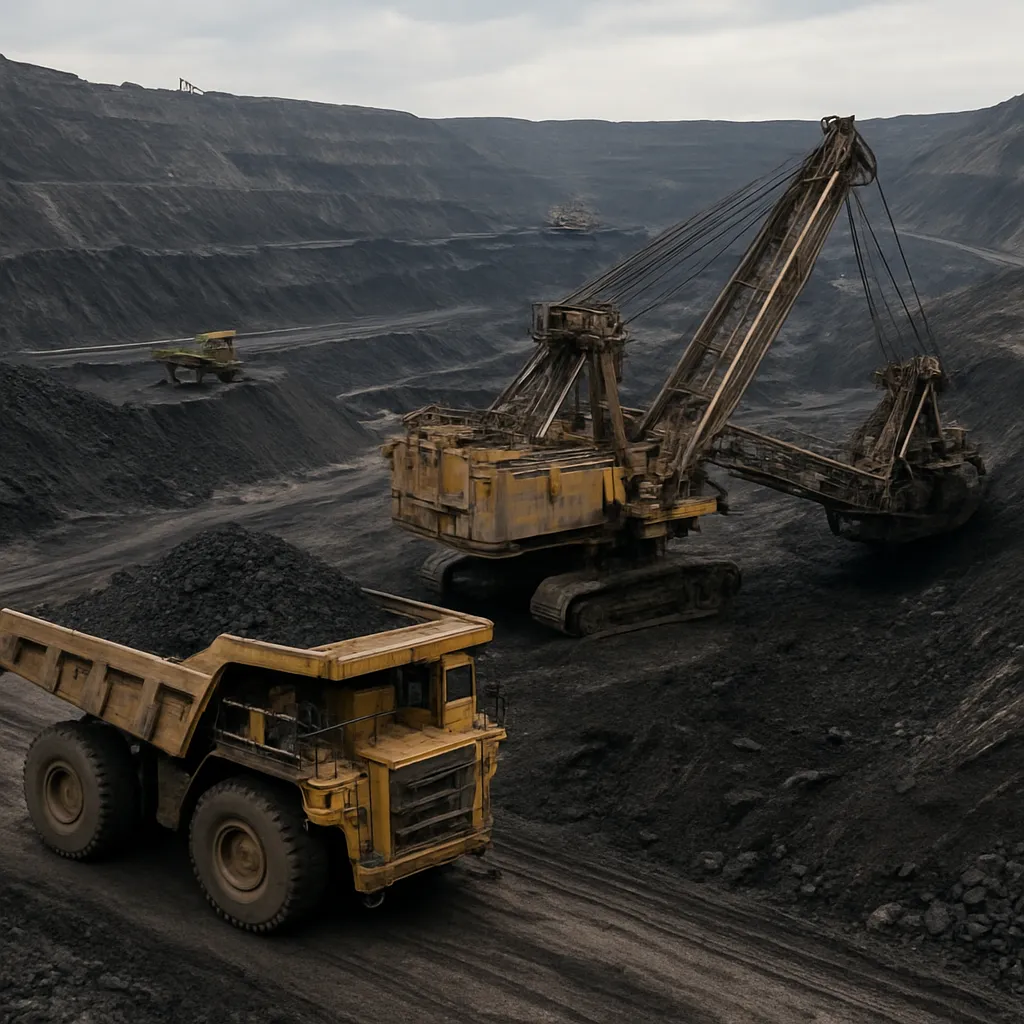
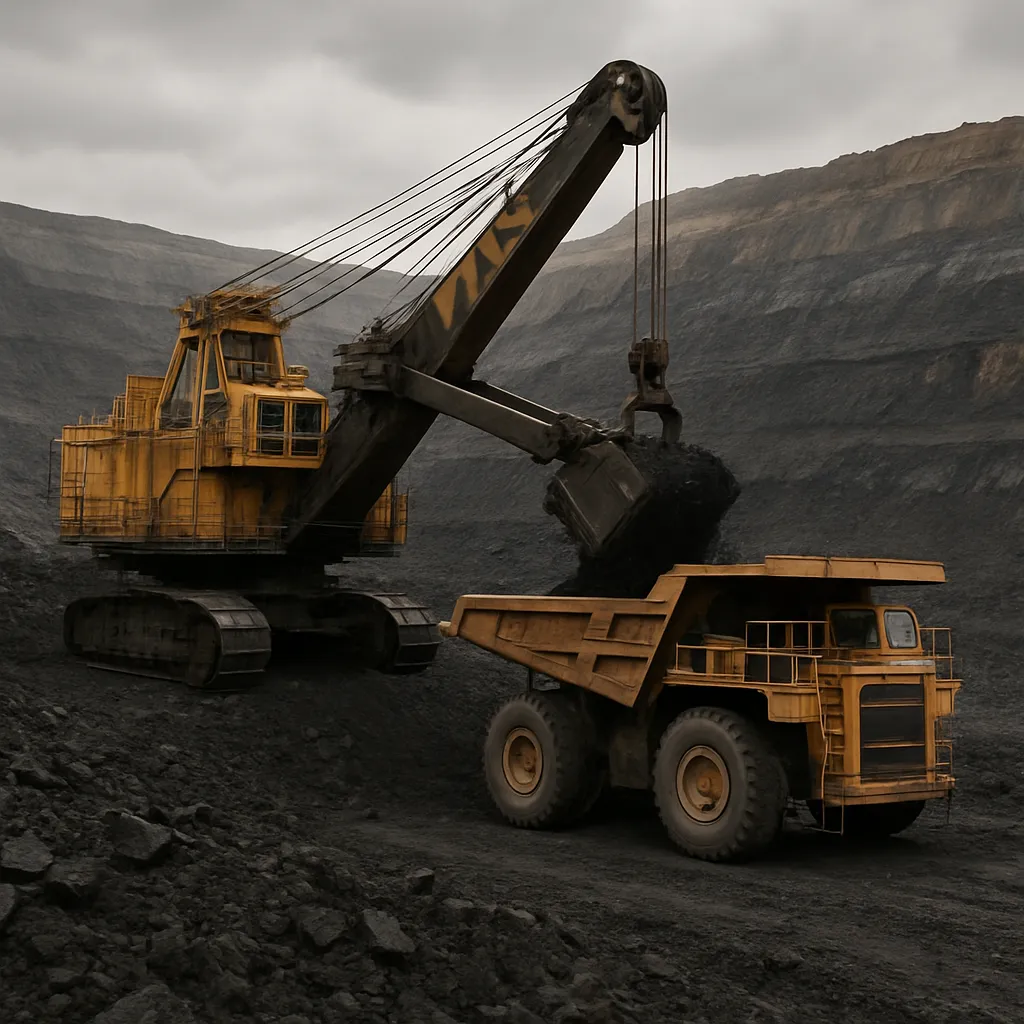
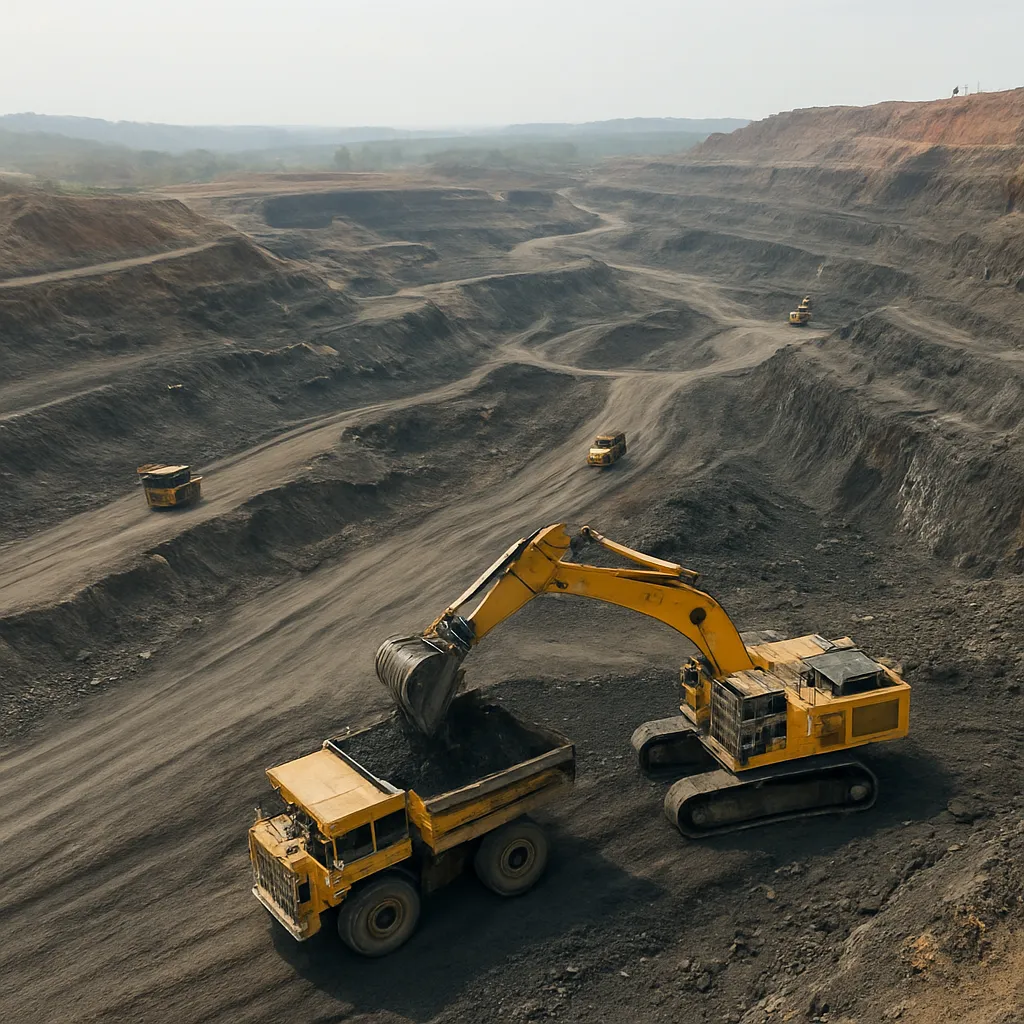
- Opencast mining (surface mining): Economically attractive for thick, shallow seams because it yields high recovery and lower per-tonne extraction costs. However, opencast operations require large-scale land clearance and overburden removal, with major impacts on forest cover, topsoil and hydrology.
- Underground mining: Considered where seams are deeper or where the environmental and social cost of surface clearing is deemed unacceptable. Underground methods limit surface disturbance but have higher operating costs and different safety and ventilation requirements.
Historically, the most economically favored developments have been opencast projects due to lower production costs and faster ramp-up, but the ecological sensitivity and social fabric of Hasdeo-Arand have constrained large-scale surface mining in many parts.
Economic and industrial significance
The Hasdeo-Arand coalfield is strategically important for several reasons:
- Energy security: Coal from the Hasdeo-Arand area is proximate to a cluster of major thermal power plants and energy-intensive industries in Korba and neighbouring areas. Local coal supply reduces transport costs and supports regional electricity generation capacity.
- Industrial supply chains: Industries such as aluminium smelters, cement plants and steel and ferroalloy producers in the region depend on reliable, low-cost fuel and feedstock; local coalfields help anchor these industrial activities.
- Revenue and employment: Exploitation of coal resources generates revenues for state and central governments through royalties, taxes and mineral levies, while mines and associated infrastructure create employment in extraction, transport, equipment maintenance, and ancillary services.
Economic plans and project proposals have repeatedly argued that unlocking Hasdeo-Arand coal would deliver multi-decade supplies to power and industry, reduce reliance on more distant coal sources, and help stabilise regional energy costs. At the same time, the net economic benefit must be weighed against environmental services that the forest and watershed currently provide—values often not fully captured in conventional cost-benefit analyses.
Statistics and factual snapshot
Because exploration, classification and policy decisions evolve, exact numbers vary by source and year. The following snapshot synthesises commonly reported figures and project-level proposals relevant to the region:
- Estimated resource base: frequently reported in the range of approximately 5 to 6 billion tonnes of coal across proved, indicated and inferred categories (figures differ between surveys and updates).
- Area of contiguous forest-coal tract: commonly cited estimates place the Hasdeo-Arand forest-coal landscape at roughly 1,500–2,000 square kilometres, though administrative boundaries and definitions differ.
- Planned or proposed mining capacity: multiple opencast project proposals historically suggested staged capacities that, in aggregate, could reach several tens of million tonnes per annum (Mtpa) if fully developed; exact project capacities vary by mine.
- Contribution to local coal production: as proposals progress and selective blocks are developed, production from the larger Hasdeo-Arand area has been expected to add materially to the output of regional producers such as SECL (South Eastern Coalfields Limited) and to serve nearby power plants.
- Employment and revenue: mines of the scale proposed for Hasdeo-Arand typically create thousands of direct and indirect jobs and yield significant royalty and tax flows to state government coffers; precise employment numbers depend on mine scale and mechanisation.
These statistics should be interpreted as indicative: formal classifications by the Geological Survey of India, the Ministry of Coal, and operator disclosures provide project-level detail and periodic revision.
Environmental, social and legal dimensions
Hasdeo-Arand is more than a mineral deposit: it is an ecological landscape and a living space for tribal communities. The region’s forests are important for biodiversity, provide ecosystem services such as water regulation and carbon storage, and form traditional lands for many forest-dwelling and tribal people.
Key environmental and social issues include:
- Deforestation and habitat loss: Opencast mining requires removal of large areas of forest, fragmenting habitats for species that include large mammals, ground fauna and diverse flora.
- Biodiversity impacts: Hasdeo-Arand overlaps with corridors and habitats used by species such as elephants, tigers, leopards and a range of bird, reptile and amphibian species. Disturbance can disrupt movement corridors and breeding grounds.
- Water and hydrology: The forested catchment supports local river flows and groundwater recharge. Mining can change surface drainage, lower water tables or contaminate water bodies through siltation and effluent.
- Tribal and community rights: Several indigenous communities—including Gond, Oraon and others—have customary rights, livelihoods and cultural ties to forestland. Under the Forest Rights Act (FRA), communities can claim individual and community forest rights, complicating clearance for mining projects.
- Displacement and livelihoods: Land acquisition and resettlement raise issues of displacement, compensation adequacy, loss of non-timber forest product access, and long-term livelihood security.
- Legal and procedural scrutiny: Environmental clearances, forest clearances, and compliance with FRA have been subject to judicial review, public interest litigation, and administrative scrutiny, often resulting in stays, conditions, or cancellations for proposed projects.
Because of these intersecting concerns, Hasdeo-Arand has been the focus of sustained civil-society advocacy, academic attention and political debate. Conservationists and local communities argue for preservation and sustainable development alternatives; industry and some policymakers emphasise energy and economic imperatives.
Industrial linkages and regional infrastructure
The Hasdeo-Arand coalfield’s value depends heavily on surrounding infrastructure and demand centres. Korba district is an industrial and power-generation hub with multiple thermal power plants, aluminium and ferroalloy smelters and related industries. Coal transport connectivity (rail and road), power evacuation infrastructure (transmission lines, substations) and logistical arrangements (coal handling and blending facilities) condition how much of the field’s resource is economically usable.
Key infrastructure considerations include:
- Rail connectivity: Efficient rail links reduce transport costs to distant plants and ports. Many proposed project plans include dedicated rail spurs and loading facilities.
- Power plant proximity: Close location to power plants reduces landed fuel costs and coal losses; this proximity is a major rationale for developing local coal resources.
- Access and roads: Mining sites require all-weather access for heavy machinery and coal transport; creating such access through forest areas has environmental and social consequences.
Recent developments and policy context
In recent years public attention, regulatory review and shifting national energy priorities have shaped the trajectory of Hasdeo-Arand projects. Key dynamics include:
- Environmental clearance process: Several proposals for mining in the region have undergone stringent environmental assessment, with some receiving conditional clearances and others facing rejection or legal challenge. The need for comprehensive Environmental Impact Assessments (EIA), public consultation and adherence to compensatory afforestation norms has been a recurring theme.
- Forest Rights Act (FRA) claims: Community claims and the requirement for free, prior and informed consent have complicated permitting and raised procedural safeguards that must be addressed before major projects proceed.
- Energy policy trade-offs: India’s continuing dependence on coal for base-load power coexists with ambitious renewable energy targets; central and state policy choices on coal allocation and environmental priorities influence whether and how Hasdeo-Arand will be developed.
- Carbon and climate concerns: Global and national commitments to reduce greenhouse gas emissions add political weight to debates on opening new coal areas. The climate dimension influences investor sentiment, lender restrictions, and national-level prioritisation of new coal investments.
Local perspectives and community response
Local communities and civil society groups in and around Hasdeo-Arand have expressed a range of perspectives. Many local residents depend on the forest for fuelwood, forage, medicinal plants and cultural practices, and therefore emphasise conservation and protection of their customary rights. Others, especially where poverty and unemployment are significant, see potential economic opportunities in jobs and infrastructure associated with mining. Public consultations, transparency and meaningful benefit-sharing arrangements are essential to addressing these divergent local priorities.
Mitigation, rehabilitation and sustainable alternatives
Where mining is proposed, mitigation and restoration measures are central to minimizing damage. Commonly discussed measures include:
- Compensatory afforestation and landscape restoration: Planting of tree cover away from mining areas, along with long-term ecological management plans.
- Reclamation of mined land: Progressive backfilling, soil management and post-mining land use planning to restore some ecosystem functions.
- Water management: Treatment of effluents, silt control, and maintenance of water regimes to protect local water users and downstream ecosystems.
- Community benefit schemes: Local employment quotas, skill training, health, education and direct benefit transfer mechanisms to share economic gains.
- Exploring low-impact alternatives: Greater emphasis on energy efficiency, renewable energy deployment in the region, and decentralised development options to reduce pressure for large-scale opencast mining.
Outlook and concluding observations
The future of Hasdeo-Arand is likely to be shaped by a combination of technical, economic and political factors. On the one hand, the presence of a large coal resource in proximity to major demand centres makes the area an attractive target for development from an energy security and industrial perspective. On the other hand, the region’s environmental sensitivity, legal complexities around forest rights and growing national and international climate commitments mean that any large-scale opening-up of the tract will require unusually rigorous planning, transparent procedures and strong mitigation and compensation provisions.
Key considerations for any responsible pathway forward include robust and transparent resource assessment; fully inclusive consultations with affected communities and adherence to legal safeguards; integrated landscape planning that accounts for water, biodiversity and climate outcomes; and realistic accounting of the long-term costs and benefits, including ecosystem services foregone or preserved.
Ultimately, decisions about Hasdeo-Arand are a microcosm of wider choices faced by many resource-rich regions: balancing immediate developmental and energy needs with obligations to preserve ecological systems and protect the rights and livelihoods of indigenous and forest-dependent peoples. How these tensions are resolved will determine not only the region’s economic trajectory but also its ecological integrity and social cohesion for generations to come.