The Highveld coalfield region in South Africa is one of the country’s most important and historically significant zones for coal extraction. Stretching across parts of the Highveld plateau, primarily in the Mpumalanga and Gauteng provinces, this complex of mines and associated infrastructure has powered South Africa’s industrialization, supplied fuels for electricity generation and synthetic fuels production, and played a central role in export earnings and regional employment. The following article reviews the geological setting, mining operations, coal characteristics, economic and statistical context, infrastructure and logistics, environmental and social impacts, and future prospects for the Highveld coalfields and their related mining sites.
Location and Geological Setting
The Highveld coalfields lie in the interior plateau of South Africa known as the Highveld. Key mining areas traditionally associated with this region include the Witbank (Emahlahleni) area, Middelburg, Ogies, Ermelo margins and adjacent basins. Geologically, South African coal in this region is hosted within the Karoo Supergroup, primarily the Permian-age Vryheid Formation of the Ecca Group. These sediments contain multiple economically exploitable seams formed in deltaic and fluvial environments during the late Paleozoic.
Coal seam distribution and geology
- Coal seams in the Highveld generally occur in multiple benches across a vertical sequence, with seam thickness and continuity varying by basin and local structure.
- The geological setting is characterized by relatively shallow burial in many areas, which has made both open-pit (opencast) and underground mining viable.
- Faulting, folding and local unconformities affect continuity and mining methods; coal quality varies by seam and by part of the basin.
Types of Coal and Quality
The coal produced in the Highveld region is largely used for two broad purposes: power generation and industrial feedstock. Most of the coal is categorized as sub-bituminous to bituminous rank, suitable for combustion in power stations and, in certain higher-quality seams, for metallurgical or coking use.
- Thermal coal: The bulk of Highveld output is thermal coal—used to generate electricity at Eskom power stations and in industrial boilers.
- Bituminous characteristics: Many seams display bituminous rank with relatively moderate calorific values, moderate ash and sulfur contents; specific properties vary by mine and seam.
- Coking and semi-soft coking coal are less abundant in the Highveld than in some other global basins, but some higher-grade benches have limited metallurgical application or can be blended for export markets.
Mining Operations and Major Players
Mining in the Highveld is carried out by a mix of large multi-national and national mining companies, as well as smaller independent operators. Mining methods include both large-scale opencast operations and underground bord-and-pillar or room-and-pillar mines. The region has long supported collieries serving domestic power generation and synthetic fuel production, as well as export-oriented mines.
Operational characteristics
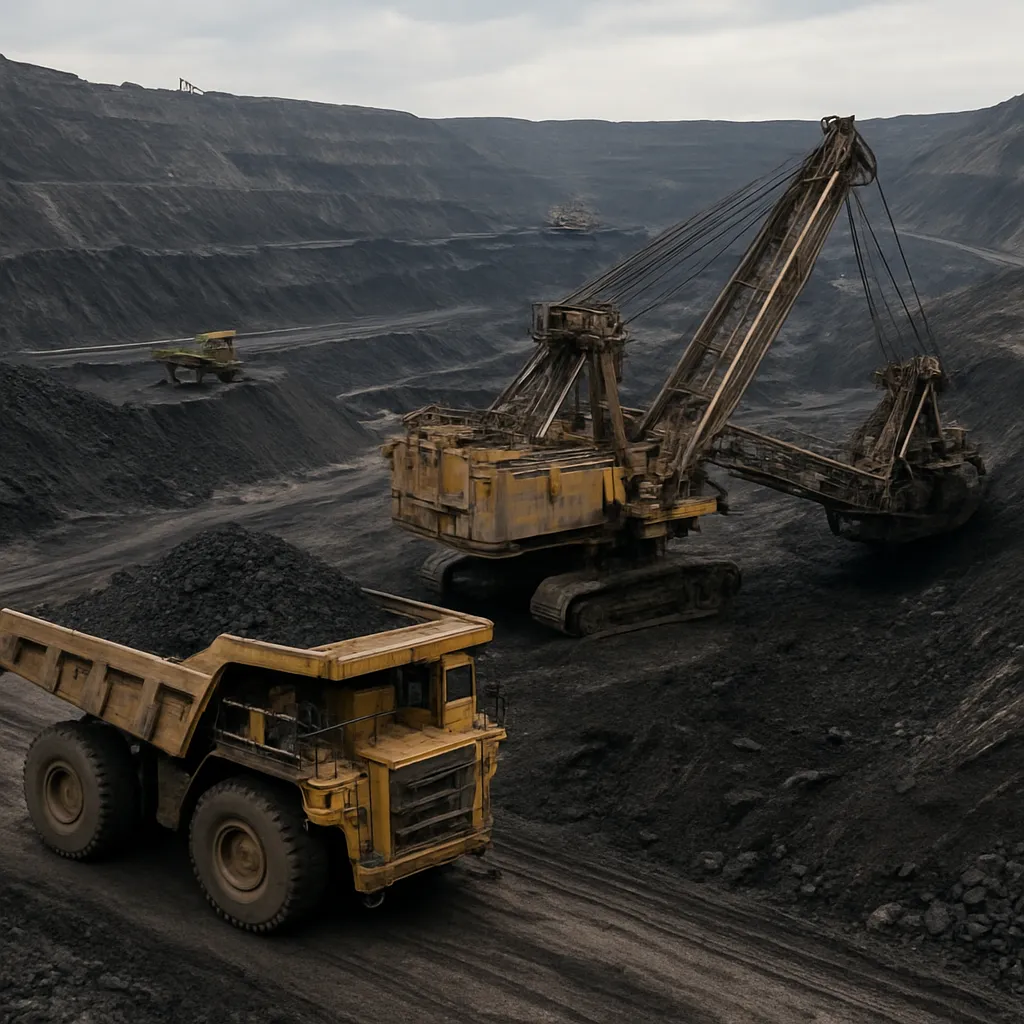
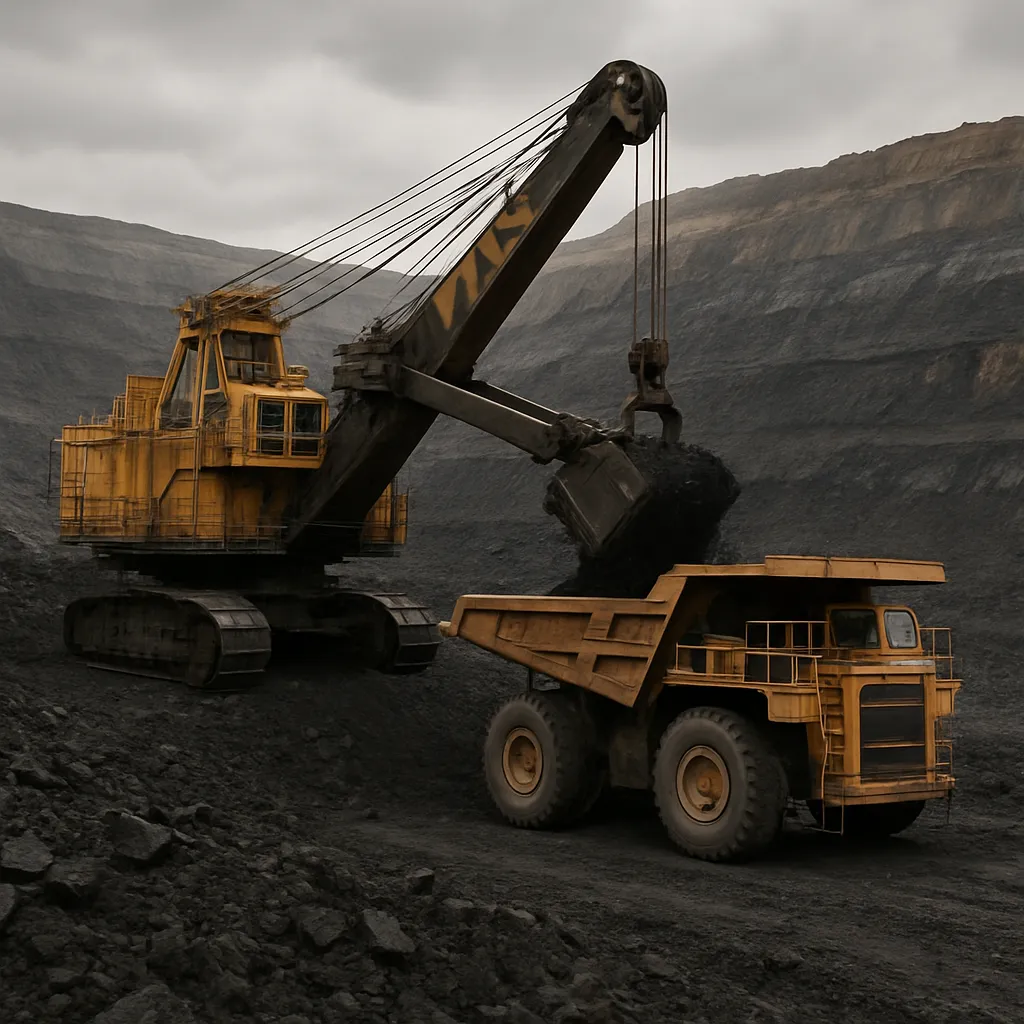
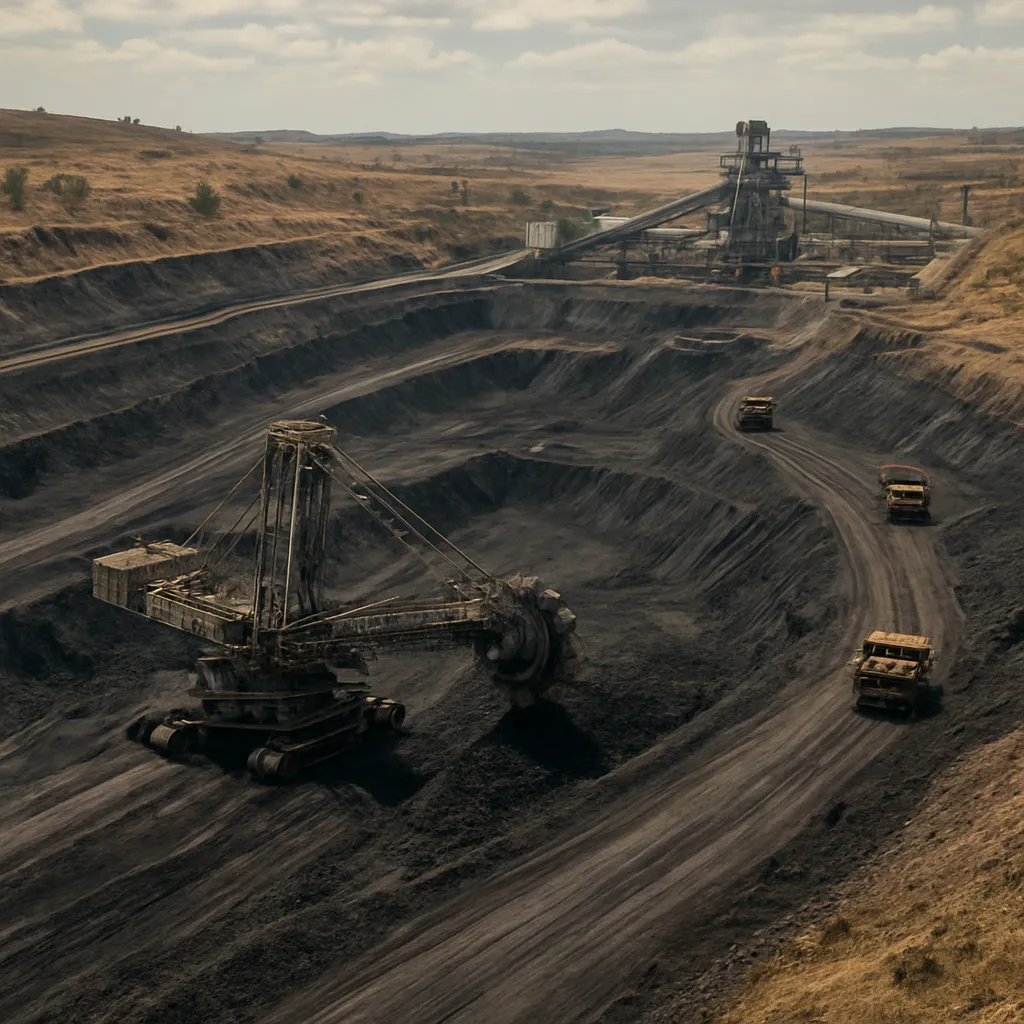
- Opencast mines dominate in areas where coal seams are relatively shallow and laterally extensive; such operations typically deliver high tonnages and form a significant share of the region’s output.
- Underground mines continue where preservation of surface land or seam geometry make opencast impractical.
- Coal beneficiation (washing) plants are common near collieries to improve product quality for specific markets, reducing ash and improving calorific value.
Economic and Statistical Overview
The Highveld coalfields have been a backbone of South Africa’s energy and heavy industry sectors for more than a century. While precise production and reserve figures are subject to regular revision and depend on the source, several broadly accepted economic facts and estimates provide context for the region’s significance.
Production and reserves
- South Africa as a whole has historically produced in excess of 200 million tonnes of coal per year; the Highveld region accounts for a substantial portion of that national output.
- National coal reserves are commonly cited in the range of several tens of billions of tonnes when combining proven, probable and inferred categories; the Highveld contributes multiple billions of tonnes to that national total.
- Annual variations in output reflect shifts in domestic demand (notably from Eskom and synthetic fuel plants), export demand, and operational factors at major collieries.
Employment and regional economic contribution
- The broader South African coal industry employs on the order of tens of thousands of workers directly, with the Highveld region responsible for a significant share of those jobs. Estimates for the national sector commonly fall in the range of around 80,000–100,000 direct employees, with many more supported indirectly through transport, services and supply chains.
- Coal mining contributes materially to provincial and national GDP through royalties, taxes, wages and secondary economic activity; the Highveld’s proximity to metallurgical and energy demand centers amplifies its economic multiplier effects.
- Local municipalities and provincial governments collect revenues and royalties, although distribution and development outcomes vary and are often the focus of policy discussions.
Markets: domestic use and exports
- Domestic demand: A large fraction of coal mined in the Highveld feeds South Africa’s electricity system—principally Eskom power stations—and industrial consumers such as Sasol’s coal-to-liquids plants and local industrial furnaces.
- Exports: South African coal has long been exported via ports such as Richards Bay; Richards Bay Coal Terminal (RBCT) has historically had a throughput capacity approaching 90–100 million tonnes per annum, providing a gateway for Highveld exports.
- Overall, exports have varied over time but have often accounted for several tens of millions of tonnes annually, depending on international coal prices and shipping constraints.
Infrastructure and Logistics
Efficient movement of coal from pit to plant or port has been a strategic priority for the Highveld mining complex. Rail and road networks, coal terminals and internal mine logistics shape operating costs and competitiveness.
Railways and ports
- Dedicated heavy-haul rail lines connect Highveld collieries to export terminals (notably Richards Bay) and to domestic power plants; the quality and reliability of rail services have a major influence on export volumes and mine economics.
- Richards Bay Coal Terminal is the principal export facility for Mpumalanga-produced coal and has historically dictated export capacity constraints and scheduling priorities.
- Road networks and internal haulage infrastructure support supply to local power stations and industries where rail is not practical.
Environmental and Social Impacts
Coal mining in the Highveld has generated extensive environmental and social consequences—some immediate and visible, others longer-term and cumulative. These impacts are increasingly central to policy, community relations and investment decisions.
Air pollution and health
- Coal mining, processing and combustion contribute to air quality challenges across the Highveld. Emissions of particulate matter, nitrogen oxides and sulfur compounds from both mining and power generation affect local and regional air quality.
- Communities near mines and power plants frequently report respiratory and other health issues linked to dust and pollution; regulatory monitoring and mitigation measures are ongoing priorities.
Water use and contamination
- Coal mining and washing are water-intensive activities. In a water-scarce country like South Africa, mine water management—use, recycling and treatment—is a critical operational and environmental concern.
- Acid mine drainage (AMD) is a well-documented risk where legacy and active mines expose sulfide minerals to oxidation. AMD can mobilize heavy metals and dramatically affect groundwater and surface water quality, requiring extensive remediation work over decades.
Land disturbance and rehabilitation
- Opencast mining permanently alters landscapes and soils if not rehabilitated. South African mining law requires mine closure and rehabilitation plans; however, the adequacy and enforcement of such plans have varied.
- Progress in rehabilitation has accelerated in recent years, but legacy pits and tailings residues remain visible reminders of past mining intensity.
Social and community impacts
- Mining has been a source of employment and local development, but it has also created social stresses, including labor disputes, housing and service shortages in host communities.
- Community expectations around jobs, benefits and environmental protection place sustained pressure on companies and governments to manage mining responsibly and to implement equitable benefit-sharing mechanisms.
Regulation, Safety and Governance
Mining operations in the Highveld are subject to South African mining law, environmental regulations, and occupational health and safety standards. Recent years have seen intensified scrutiny of compliance, transparency and corporate responsibility.
- Safety: Coal mining has inherent safety risks (methane, rockfall, machinery accidents) and has prompted continuous improvement in safety protocols, emergency preparedness and worker training.
- Governance: Regulatory frameworks cover environmental permits, water use rights, mine closure liabilities and community consultation; enforcement and capacity remain key issues.
- Fiscal regime: Royalties, taxes and license fees contribute to public revenues but also influence investment decisions; predictable policy is crucial to long-term planning.
Strategic Importance and Industrial Linkages
The Highveld coalfields sit at the center of South Africa’s energy system and industrial base. Their contributions extend beyond raw tonnage to strategic value in energy security, industrial feedstocks, and export earnings.
- Eskom: The national utility relies heavily on coal from the Highveld and other coalfields to meet baseload electricity demand. Interruptions or constraints to coal supply have direct implications for national power reliability.
- Sasol and other coal-to-liquids/chemicals operations historically sourced coal from Highveld-area mines for synfuel production, creating linkages between coal mining and higher-value industrial activity.
- Export revenue generation from coal sales supports foreign exchange balances and the mining sector’s fiscal contributions to public budgets.
Trends, Challenges and the Transition Debate
The global energy transition and national policy debates increasingly shape the outlook for the Highveld coalfields. While coal remains a dominant energy source in South Africa, pressure to reduce greenhouse gas emissions, diversify energy mixes and implement a just transition is mounting.
Market and price pressures
- International coal prices have fluctuated substantially in recent years, affecting the economics of export-oriented mines. Competitive pressures, shipping costs and environmental tariffs in import markets are influencing investment decisions.
- Domestic demand depends heavily on Eskom’s generation profile; shifts to alternative energy or fuel mixes will reduce demand for thermal coal over time.
Policy and just transition
- The South African government and stakeholders are debating how to balance climate goals with economic needs. A “just transition” framework aims to protect worker livelihoods and support communities reliant on coal-dependent economies.
- Policy instruments include retraining programs, economic diversification plans for mining regions, and targeted investment in alternative industries.
Technological and operational adaptation
- Coal miners are investing in improved operational efficiency, reduced emissions at source, water recycling, and rehabilitation technologies to meet regulatory and market expectations.
- Some industrial users are exploring coal blending, emissions control, and carbon capture technologies to extend the useful life of existing plants while managing environmental impacts.
Interesting Historical and Socioeconomic Notes
The discovery and exploitation of coal on the Highveld were instrumental in South Africa’s 20th century industrial development. Railways extended into coalfields to serve steam locomotives and later to transport coal to coastal export facilities and inland power stations. Entire towns and urban neighborhoods expanded around collieries, creating coalfield communities with unique cultural and labor histories.
- Many of the historic collieries in the region have been operational for decades, with some mines transitioning through ownership changes, consolidation and shifts in mining technique.
- Community heritage includes labor movements, mining unions and locally rooted mining cultures that shaped national political and economic narratives.
Outlook and Conclusions
The Highveld coalfields continue to play a major role in South Africa’s energy, industrial and export landscape. While the era of unabated coal expansion is facing constraints from environmental, market and policy shifts, the region retains a substantial resource base and necessary infrastructure to support remaining coal demand for years to come. The balance between economic benefits—jobs, local revenue, industrial feedstocks—and environmental and social costs will determine the pace and nature of the region’s transition.
Key priorities for the Highveld moving forward include improved environmental management (especially addressing acid mine drainage and air quality), maintaining safe and efficient logistics to support both domestic and export markets, and implementing meaningful social and economic programs to help communities adjust as energy systems evolve. Careful policy design and collaboration among government, industry and communities will be essential to ensure that the legacy of the Highveld coalfields is managed responsibly while enabling sustainable economic futures for the people and places that have long depended on coal mining.