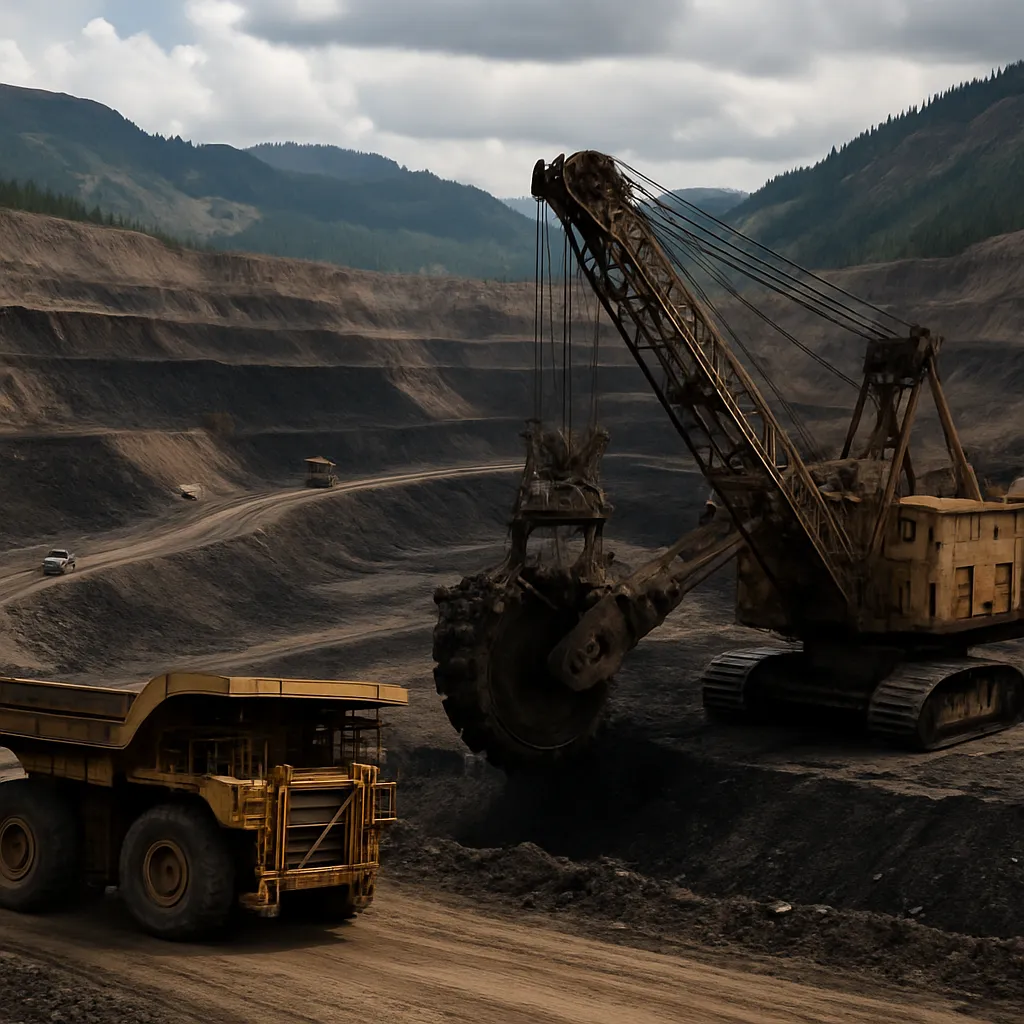
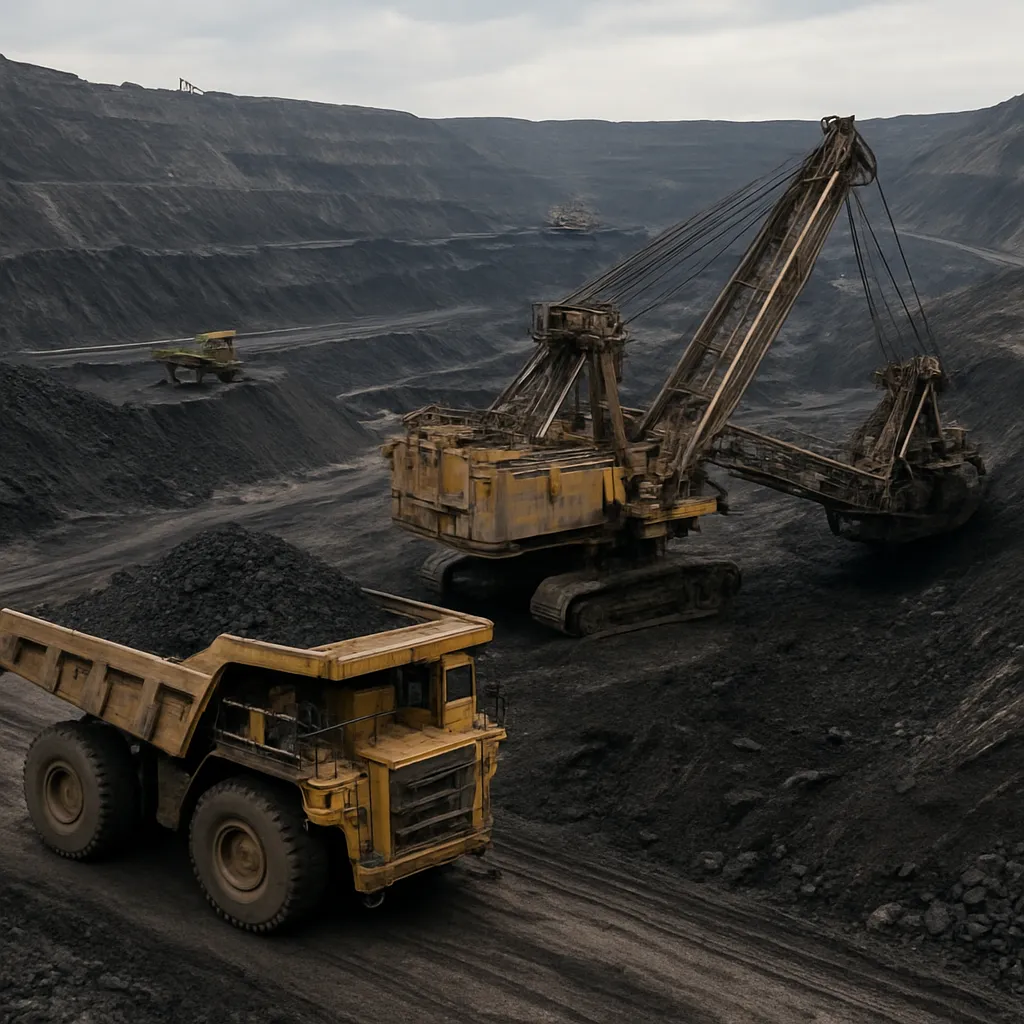
The Elginskoye Coal Mine (often referred to as the Elga deposit) is one of Russia’s most important and strategically significant coal projects located in the Russian Far East. This article presents a comprehensive overview of the mine: its location and geology, the types and quality of coal produced, historical development and infrastructure, economic and strategic value, operational challenges and environmental considerations, and the outlook for the future. The text synthesizes publicly known information and widely reported estimates to present a full picture of why Elginskoye holds an important place in Russia’s mining and export landscape. Throughout the article, several key concepts and terms are emphasized for clarity.
Location and Geological Characteristics
The Elginskoye deposit is situated in the Sakha Republic (Yakutia), in the Russian Far East — a region characterized by vast distances, extreme continental climatic conditions and large mineral resources. The mine lies inland from the Pacific coast and is connected by rail infrastructure to the broader Russian rail network that provides access to Pacific export terminals. Geologically, Elginskoye is part of a coal-bearing basin that contains multiple seams of high-quality coal.
The deposit is known primarily for its high-grade **coking** and **hard coal**, which are crucial for metallurgical applications, especially coke production for steelmaking. The coal seams at Elga have been reported to contain material with favorable properties for coking: relatively low sulfur content, acceptable ash levels and strong caking properties that make the coal attractive to domestic steel mills and export markets in Asia.
The deposit’s estimated resources and reserves are among the largest in Russia. While figures vary by reporting source and classification (exploration category, recoverable reserves, etc.), widely reported estimates place Elginskoye’s total resources and commercial reserves in the range of **billions of tonnes**, making it one of the significant long-term assets in Russia’s coal inventory. These large volumes underpin multi-decade development plans and justify the substantial infrastructure investments made to bring the deposit into large-scale production.
History, Development and Infrastructure
The commercial development of Elginskoye was a major industrial project initiated in the 2000s and advanced in the following decade. Development required not only mine construction but also heavy infrastructure investment: rail links, power supply, worker accommodation, and logistics to move large volumes of coal from a remote Arctic and sub-Arctic environment to ports and customers.
Major infrastructure components
- Railway connection: A dedicated rail link was built to connect the deposit to the main Russian rail network (via Neryungri and the Baikal-Amur Mainline). This rail line is a critical artery for bulk exports and internal distribution.
- Loading and handling facilities: Coal loading terminals, stockyards and transfer stations were constructed to manage year-round shipping in severe climatic conditions.
- Power and utilities: On-site power generation, water management and winterized support infrastructure were installed to ensure stable mine operation.
Large-scale investments for Elginskoye have been reported in the range of several billion US dollars when including mine development, railway construction and supporting infrastructure. The precise investment total depends on which phases and auxiliary projects are counted (e.g., later capacity expansion, port upgrades and rolling stock).
The mine was developed by a major Russian coal producer through a dedicated subsidiary and project vehicle. This enabled the concentrated allocation of capital and management focus on the technically and logistically challenging task of producing coking coal at scale in a remote region.
Production, Coal Types and Quality
Elginskoye’s principal product is **coking coal** (also called metallurgical coal), used to produce coke for the steel industry. The deposit contains several seams with coal suitable for hard coking and semi-soft coking applications. These properties make Elga coal particularly valuable compared with thermal coal because metallurgical coal typically commands higher prices, especially in export markets where Asian steelmakers rely on high-quality coking coals.
Key coal quality attributes frequently reported for the Elga deposit include:
- Low sulfur compared with many other coal sources (beneficial for coke quality and environmental compliance in steelmaking)
- Moderate to low ash content, improving yield and reducing impurities in coke
- Good caking properties which enhance coke strength and performance in blast furnaces
Production ramp-up at the site occurred over multiple phases. Company plans have historically outlined staged increases in extraction capacity, with medium-term targets in the range of several million tonnes per year and long-term ambitions for higher throughput depending on market conditions and export demand. Publicly reported planning figures and industry commentary have suggested potential benchmark capacities between single-digit millions and up to around a dozen million tonnes per year, though actual output in a given year depends on market, operational and logistical factors.
Economic and Strategic Significance
Elginskoye holds clear economic and strategic importance for multiple reasons:
- Metallurgical feedstock: By producing high-quality coking coal, Elga supports Russia’s steel industry and supplies international steelmakers — most notably those in East and Southeast Asia.
- Export earnings: Premium metallurgical coal contributes disproportionately to export revenues relative to thermal coal, helping diversify Russia’s commodity export mix toward higher-value products.
- Regional development: The project has created employment, stimulated infrastructure growth in the Yakutia region and accelerated investment in hinterland transport and utilities.
- Strategic logistics: Improved rail connectivity enhances the ability to route cargo through Pacific ports, reducing dependence on single corridors and strengthening Russia’s position in the Asian coal market.
For the owning company and for regional government budgets, Elginskoye represents a long-term cash-flow source due to royalty, tax and employment contributions. The project’s export orientation also reinforces trade ties and energy resource interdependence with Asian economies where demand for coking coal is strong.
Environmental, Social and Operational Challenges
Operating a large coal mine in Yakutia presents many challenges that influence cost, environmental performance and community relations:
- Permafrost and extreme climate: Mining and infrastructure must be adapted to operate on seasonally frozen ground and in temperatures that can fall well below freezing, affecting construction methods, maintenance costs and environmental risk management.
- Logistics and isolation: Remoteness increases costs for materials, fuel, skilled labor and emergency services, and complicates scheduling and supply chain resilience.
- Environmental impact: Coal extraction and transport produce dust, alteration of landforms, water management issues and greenhouse gas emissions associated with combustion of the coal. Modern projects incorporate mitigation measures but cannot completely avoid impacts.
- Community and indigenous concerns: Local populations, including indigenous groups, may face changes to traditional livelihoods, requiring meaningful consultation, investment in local services and benefit-sharing measures.
To address these challenges, developers have invested in cold-adapted technologies, rigorous environmental monitoring, progressive reclamation planning and community engagement programs. Nevertheless, the balance between economic development and environmental stewardship remains a focal tension for the project’s long-term social license to operate.
Statistics, Ownership and Key Figures
Detailed statistics for Elginskoye depend on the reporting period and the classification standards used (e.g., Russian GKZ categories vs international JORC/NI 43-101). Some commonly cited points include:
- Reserves and resources: Publicly reported resource estimates for Elginskoye often exceed two billion tonnes when considering the total in place and recoverable reserves across multiple seams. The exact figure varies by source and reserve classification.
- Investment scale: Infrastructure and mine development were reported to require several billion US dollars, driven largely by the need to build rail links, power, and handling facilities in a remote zone.
- Ownership: Development and operation have been undertaken by a major Russian coal and metals company through dedicated project subsidiaries. The corporate structure has evolved across time as investments, partnerships and financing arrangements changed.
- Planned capacity: Company plans have included phased capacity increases targeting annual production in the multi-million tonne range, with longer-term potential subject to market demand and further investment decisions.
Because figures and corporate arrangements can shift with new investments, market conditions and strategic decisions, users of these statistics should consult the latest company reports or regulatory filings for the most current, audited numbers.
Market Connections and Export Routes
Elginskoye’s strategic value is amplified by its access to rail corridors that connect the mine to Pacific export terminals. This gives the project direct exposure to Asian steel markets, where demand for high-quality coking coal — particularly in China, Japan, South Korea and Southeast Asia — has been a cornerstone of long-term growth in seaborne metallurgical coal imports.
Export logistics generally involve:
- Rail transport from the mine to interchange points on the Baikal-Amur Mainline or the Trans-Siberian corridor
- Transfer to port loading facilities on the Pacific coast, where coal is loaded onto bulk carriers
- Delivery to steelworks and trading companies in Asia under long-term contracts or spot sales
By creating a reliable supply chain from deposit to port, Elginskoye contributes to Russia’s ability to be a stable supplier of metallurgical coal to international markets, which has implications for pricing, contract structures and competitive dynamics among global coal exporters.
Operational Practices and Safety
Given the remote location and climatic extremes, Elginskoye’s operational practices emphasize robust safety systems, winterized equipment, and training programs for workers. The project uses modern open-pit mining techniques and may include progressive mechanization in material handling, hauling and processing to improve efficiency and reduce labor-intensive tasks in hazardous conditions.
Maintaining high standards of occupational safety, routine maintenance in extreme cold, and emergency preparedness are essential components of the mine’s operational protocols. These measures protect workers, preserve production continuity and limit the risk of costly incidents in a remote environment.
Future Outlook and Strategic Considerations
Elginskoye’s long-term trajectory will depend on several interlinked factors:
- Global steel demand: Demand for coking coal is closely tied to global steel production, which in turn depends on industrial growth, infrastructure spending and substitution by alternative technologies.
- Pricing and competition: International market prices and competition from other major coking coal suppliers (Australia, Canada, the US and Mongolia) will influence profitability and potential expansion.
- Infrastructure upgrades: Further investments in rail capacity, port handling and rolling stock can unlock higher throughput and reduce unit logistics costs.
- Regulatory and environmental policy: Carbon constraints, trade policy and environmental regulation may affect demand, the cost of operations and long-term strategic planning.
With its large resource base and linkages to Asian markets, Elginskoye is well positioned to remain an important asset in Russia’s portfolio of mineral exports. However, careful management of environmental impacts, community relations and cost control will be essential to sustain its commercial viability.
Interesting Facts and Broader Context
- Elginskoye is an example of modern resource development in harsh environments where logistics and climate are as important to project success as geology.
- The project demonstrates how rail investments can change the economics of remote deposits by enabling access to export markets with higher returns than domestic sales alone.
- Because the deposit produces **metallurgical coal**, its economic profile differs substantially from thermal coal mines: revenues are more tied to steel cycle dynamics than to power sector demand.
- Large projects like Elginskoye often stimulate local economies beyond direct employment: road and rail improvements, services, and supply chains can have multiplier effects in remote regions.
In summary, the Elginskoye Coal Mine is a strategically significant coking coal project in the Russian Far East. With substantial reserves, targeted infrastructure investments (notably rail), and a product that commands premium value on international markets, Elginskoye plays a meaningful role in Russia’s mining sector and in supplying metallurgical coal to Asia. While the project faces operational and environmental challenges typical of arctic and subarctic mining campaigns, its long-term potential is grounded in the scale of the deposit and the infrastructure that connects it to global steelmakers.