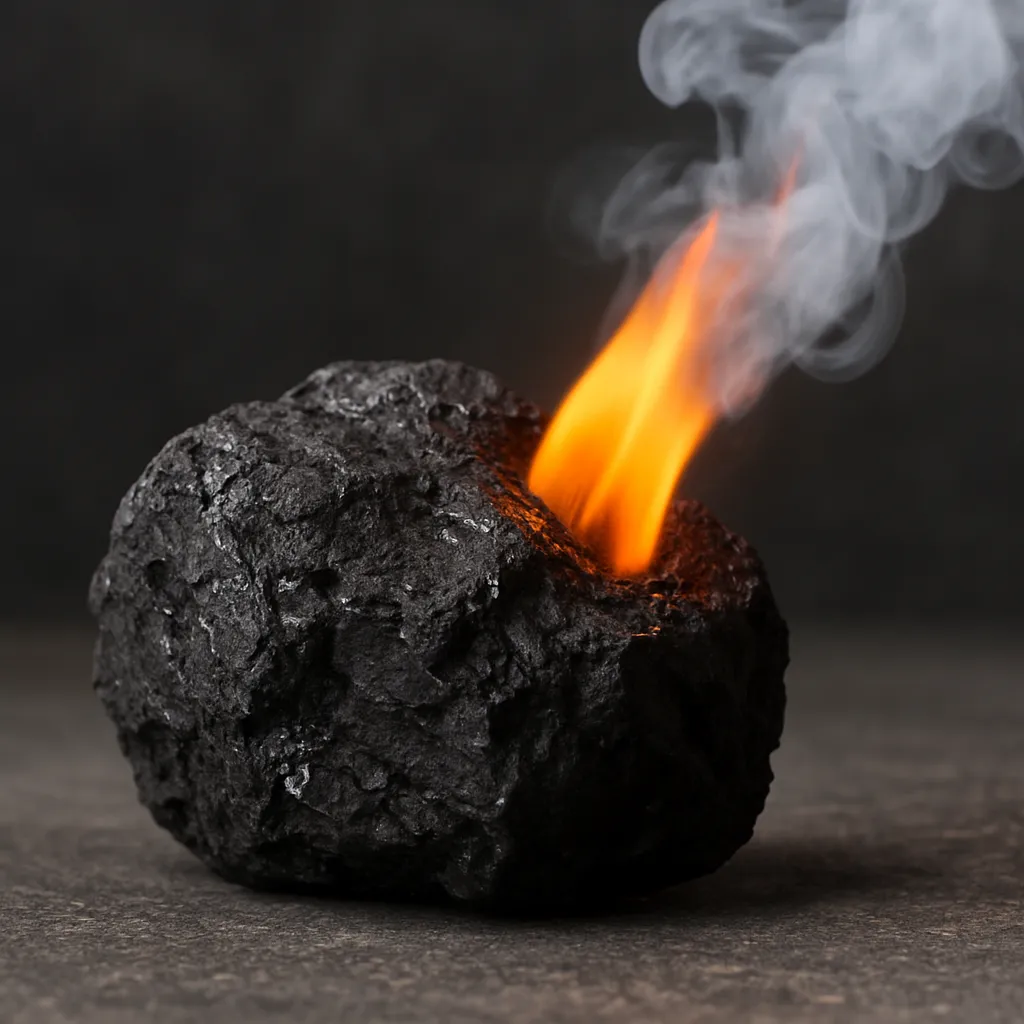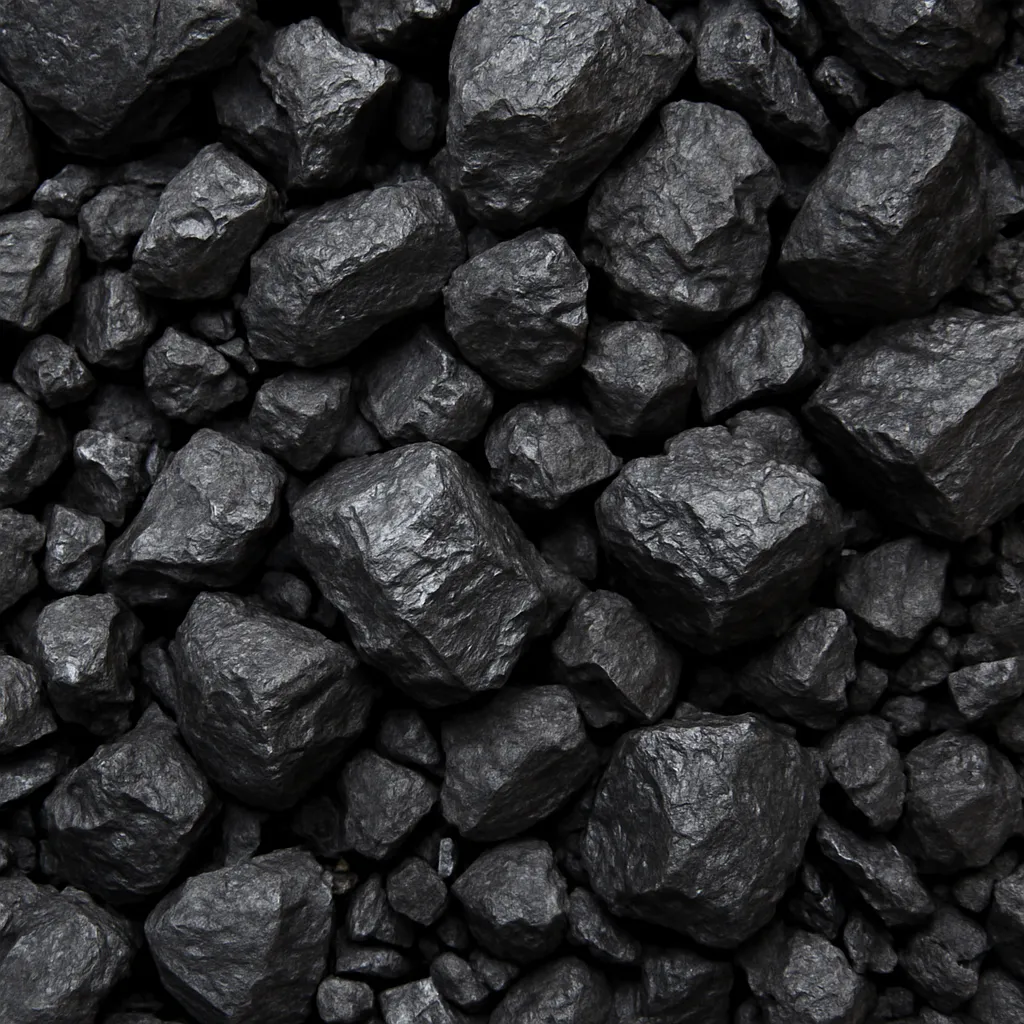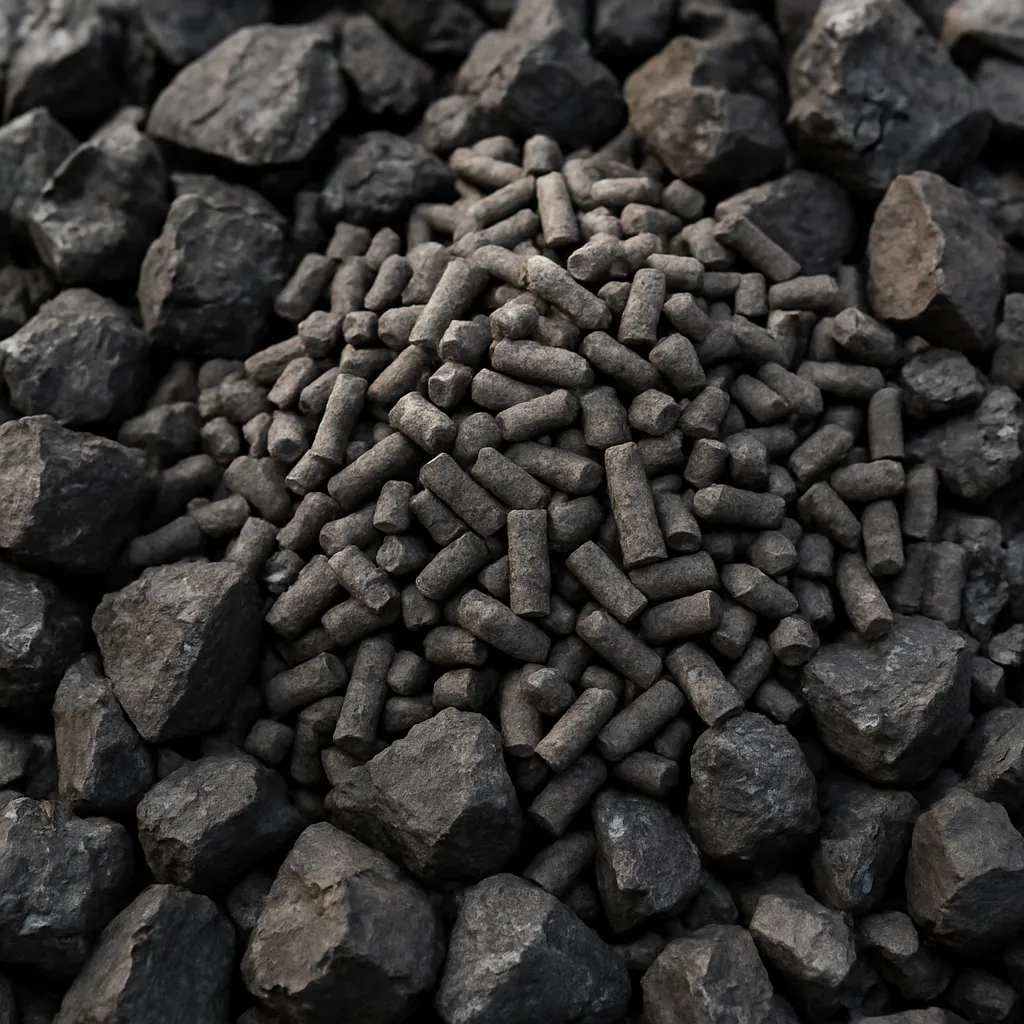
Eco-blend coal represents a practical and market-driven response to growing regulatory pressure, shifting fuel economics and industry demand for lower-emission fossil fuel options. It is not a single geological variety but rather a deliberately engineered fuel product — a blend of coal grades, sometimes combined with biomass or treated carbonaceous materials — designed to meet specific calorific, combustion and environmental requirements. This article examines what eco-blend coal is, where and how such blends are produced and mined, the economic and statistical context in which they operate, their industrial roles, and the environmental and technological trends shaping their future.
Nature, composition and variants of eco-blend coal
The term eco-blend coal generally denotes one of the following approaches:
- Blending different coal ranks (e.g., bituminous with sub-bituminous or lignite) to achieve a target calorific value, lower ash content, or an optimal sulfur and moisture profile for power stations or industrial boilers.
- Combining coal with processed biomass (wood pellets, agricultural residues) or charcoal to reduce lifecycle greenhouse gas emissions when co-fired.
- Treating coal (e.g., washing, flotation, torrefaction, briquetting) and mixing treated fractions to produce a cleaner-burning product marketed as “eco” due to reduced emissions of particulates and sulfur, and improved combustion efficiency.
- Blending coking coals of different qualities to create consistent coking performance for the steel industry while optimizing costs and metallurgical properties.
Key technical goals of eco-blends include: higher and more consistent energy output per tonne, lower volatile matter or unwanted impurities, and predictable ash and slag characteristics in furnaces. Achieving these goals often requires lab testing and quality control during stockpile management and during loading for transport.
Where eco-blend coal occurs and where it is produced
Because eco-blend coal is a manufactured product rather than a naturally occurring singular coal type, its production is co-located with traditional coal mining and processing hubs. Production commonly takes place near large coal-fired power plants, steel mills and coal export terminals where blending, washing and densification facilities can be economically justified.
Major regions involved in the production of blended coal products include:
- East Asia (China, Japan, South Korea) — significant domestic coal production in China is complemented by blending and co-firing initiatives; Japan and Korea import coal and often procure blended cargos tailored to utility specifications.
- South and Southeast Asia (India, Indonesia, Vietnam) — India blends a wide range of domestic coals to supply its huge thermal fleet; Indonesia produces and exports tailored grades and washed coals.
- Australia — a major supplier of thermal and coking coal to world markets; exporters and miners supply specific blended products to meet seaborne buyer specifications.
- Russia and CIS states — producers export large volumes of thermal coal and create blends for European and Asian customers.
- United States — regional blends are produced for domestic power generation and industrial users; the U.S. also supplies coking coal blends for steelmaking markets.
- Europe (Poland, Germany historically) — while coal production has declined in many European countries, blending and coal washing have long been part of operations to meet environmental standards.
At a mine-to-market level, eco-blend production is prevalent in coal basins where multiple coal seams with different qualities exist close to each other. Facilities that perform washing, drying or pelletisation are often sited adjacent to mines or at export terminals for final product specification.
Economic and statistical context
Coal remains a major global energy commodity despite the rapid uptake of renewables in many regions. Understanding the role of eco-blend coal requires placing it within these broader industry statistics and economic drivers.
Global scale and production patterns
Worldwide annual coal production (hard coal and lignite combined) has historically been measured in the range of roughly 7–8+ billion tonnes in recent years. China alone accounts for a very large share of global production and consumption — commonly cited as roughly one-third to one-half of the world total depending on the metric and year. Other major producers include India, the United States, Australia, Indonesia and Russia. Several of these countries are also key exporters, with Australia and Indonesia dominating seaborne thermal coal exports.
Market developments that influence demand for eco-blend products:
- Stricter emissions regulations push utilities to demand low-sulfur, low-ash coal blends or co-feed biomass to reduce stack emissions.
- Economic pressure to maximize thermal efficiency: blended coals with higher calorific value can reduce fuel volumes and logistics costs per MWh.
- Price volatility in international coal markets encourages utilities and steelmakers to accept blended cargos that balance cost and performance.
Trade and pricing considerations
Seaborne thermal coal markets are sensitive to calorific value, ash, moisture and sulfur. Eco-blend products that can deliver higher net calorific value for a competitive price often fetch a premium, particularly when they reduce emissions compliance costs. Export-focused producers in Australia, Indonesia and Russia sometimes supply “premium wash coals” or blended cargos tailored to contracts.
Typical price drivers include:
- Quality differentials (e.g., price per kcal/kg or per GJ);
- Logistics and shipping costs;
- Availability of washing and blending infrastructure;
- Regulatory costs tied to emissions and ash disposal in the buyer’s jurisdiction.
Employment, investment and regional economic impacts
Blending and coal processing can add local employment and value-add compared with raw coal export. Investments in coal-washing plants, pelletisers and co-firing facilities create both direct jobs and indirect economic activity in logistics, engineering and maintenance. Conversely, long-term decarbonization policies in many high-income countries reduce future investment appetite, shifting investment flows toward cleaner fuels and carbon capture at plants that continue to use coal.
Industrial significance and applications
Eco-blend coal is applied across several major industrial sectors:
- Power generation: Blends are optimized for specific boiler designs to improve combustion efficiency, reduce slagging and fouling, and lower emissions of SO2, NOx and particulates. Co-firing with biomass in eco-blends is used to claim partial renewables content and reduce reported CO2 intensity.
- Steelmaking: The metallurgical industry relies on tightly specified coking blends for blast furnaces and coke ovens. Eco-blend concepts in this sector focus on achieving consistent coke strength and volatile content while maximizing use of available coking coals.
- District heating and industrial heat: blended fuels can be tailored for small-scale boilers to meet local air quality standards.
- Export cargos: suppliers create blended grades to satisfy buyer specifications and to stabilize supply when single-source coal is variable.
For utilities, the attraction of eco-blends is both operational and regulatory: they can reduce maintenance costs from ash-related wear and minimize emissions penalties or retrofit requirements. For steelmakers, blending can lower raw-material costs while meeting metallurgical needs.
Environmental performance and mitigation strategies
Eco-blend coal aims to deliver a net environmental improvement compared with baseline coal usage, but the scale of benefit varies by blend and the methods used:
- Co-firing with biomass can reduce lifecycle CO2 emissions if the biomass is sustainably sourced; however, the magnitude depends on biomass share and supply chain emissions.
- Washed and de-ashed blends reduce particulate emissions and heavy metal fluxes to ash, making fly ash disposal or utilisation easier and cleaner.
- Lower sulfur blends reduce SO2 emissions and the need for flue-gas desulfurization capacity, though many modern plants still maintain FGD to meet strict limits.
- Combining coal with torrefied biomass or producing briquettes can improve handling and reduce fugitive dust impacts.
Limitations and challenges: While eco-blend approaches reduce certain pollutants, they do not eliminate CO2 emissions from combustion. Thus, many utilities pair eco-blends with emissions control technologies such as selective catalytic reduction (SCR), advanced particulate filters, and increasingly with carbon capture and storage (CCS) technologies where feasible. CCS remains expensive and technically challenging at scale, so eco-blends are often viewed as part of a transitional strategy.
Statistics and measurable outcomes
Precise statistics dedicated to “eco-blend” products are scarce because they are typically reported within broader coal quality or co-firing statistics. Nevertheless, some measurable outcomes and typical quality ranges are informative:
- Calorific value: eco-blends are often optimized to specific ranges, e.g., between 18–28 MJ/kg (as-received) for thermal coal products, depending on the application.
- Sulfur content: blends targeted for low emissions may aim for total sulfur <0.5–1.0% by weight, compared with high-sulfur coals that can exceed 2%.
- Ash content: premium blends and washed coals reduce ash from heavy levels (20%+) down to single digits (5–12%) depending on washing efficiency.
- Biomass share in co-fired eco-blends: utilities often co-fire at rates from 5% up to 20% by energy to balance turbine and boiler compatibility, though higher shares are possible with dedicated retrofits.
On a macro scale, while coal’s share in global energy is decreasing in many markets, thermal coal demand has remained robust in some emerging economies. For example, Asia accounts for the overwhelming majority of seaborne thermal coal demand, and any efficiency or emissions improvement via blending has concentrated value there.
Technologies and innovations
Innovations tied to eco-blend coal focus on both pre-combustion and combustion-stage improvements:
- Advanced coal washing and density-separation techniques yield low-ash, low-sulfur products suitable for eco-blends.
- Torrefaction and pelletisation of biomass facilitate higher-percentage co-firing without negatively affecting grindability or combustion profiles.
- Real-time blending systems and improved stockpile management (including on-site laboratories and automated blending conveyors) allow suppliers to meet exacting client specifications.
- Integration with emissions controls (SCR, FGD, PM capture) and, in a limited number of plants, pilot carbon capture units to reduce net CO2 outputs.
Market trends, risks and future prospects
Several trends will shape demand and supply for eco-blend coal over the coming decade:
- Policy-driven demand: Regions that maintain coal in their energy mix are likely to favour cleaner coal products; thus, demand for eco-blends may persist where regulatory regimes require lower emissions without immediate plant retirement.
- Cost and supply volatility: Price swings in seaborne markets encourage buyers to accept blended cargos as long as quality and operational predictability are preserved.
- Competition from alternatives: Rapidly falling costs for wind, solar and battery storage — and rising availability of low-carbon industrial fuels (green hydrogen, electrification for heat) — will suppress long-term coal demand in many markets, potentially contracting the eco-blend niche.
- Innovation in materials and processes: Improved biomass supply chains and more efficient co-firing technologies could increase the fraction of renewables in blended fuels, enhancing the “eco” proposition.
Risks include reputational pressure on banks and investors to divest from fossil fuel projects, which can limit financing for new coal-related infrastructure, even if the product is marketed as lower-emission.
Interesting use cases and regional examples
Examples illustrate how eco-blend approaches are implemented:
- In rapidly industrializing countries, utilities blend low-grade local coals with higher-grade imported coals to meet boiler specifications and reduce import bills while striving to control emissions.
- Some European and East Asian utilities have experimented with torrefied pellet co-firing at percentages that allow coal plants to claim partial renewable energy credits.
- Exporters in Australia and Indonesia sometimes offer “customer-blended” cargos: shipments mixed at port to match a utility’s fuel acceptance criteria, which reduces variability and fuel-handling issues at the plant.
Practical considerations for buyers and operators
When procuring eco-blend coal, buyers should consider:
- Compatibility with boilers and furnaces — blend specification must match equipment design to avoid operational problems.
- Realized emissions reductions — quantify the lifecycle greenhouse gas impact where biomass is included and ensure sustainable sourcing.
- Logistics and handling — some blends require special storage to avoid spontaneous combustion or moisture uptake.
- Regulatory compliance — blended product specifications should be aligned with local emissions and ash disposal regulations.
Concluding observations
Eco-blend coal occupies a transitional space between traditional coal use and a lower-emission future. It offers pragmatic benefits — improved operational consistency, lower pollutants and incremental reductions in greenhouse gas intensity where biomass is co-fired — but it does not eliminate the fundamental challenge of CO2 emissions from carbon-based combustion. For buyers, suppliers and policymakers, eco-blends are best viewed as one tool among many: useful for improving the environmental footprint of existing coal-dependent systems in the short to medium term, but not a substitute for deep decarbonization strategies such as switching to renewables, electrification, industrial process change, or deployment of carbon capture technologies where feasible.
From a market perspective, the viability of eco-blend coal depends on regional energy policies, the economics of alternative fuels, and continuing technological advances in both fuel processing and emissions control. In coal-dependent economies, well-designed eco-blend strategies can yield tangible local benefits in air quality and fuel efficiency while providing time to plan and invest in long-term energy transitions.