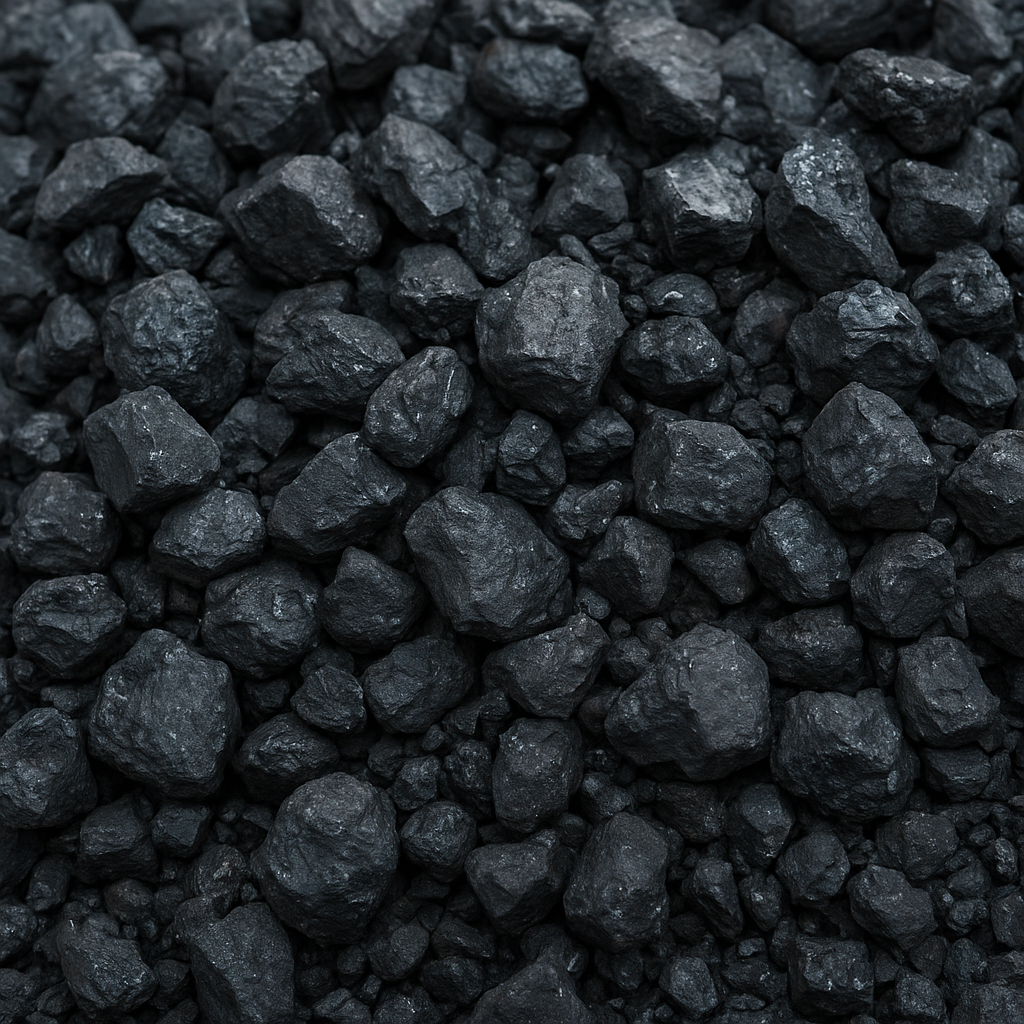
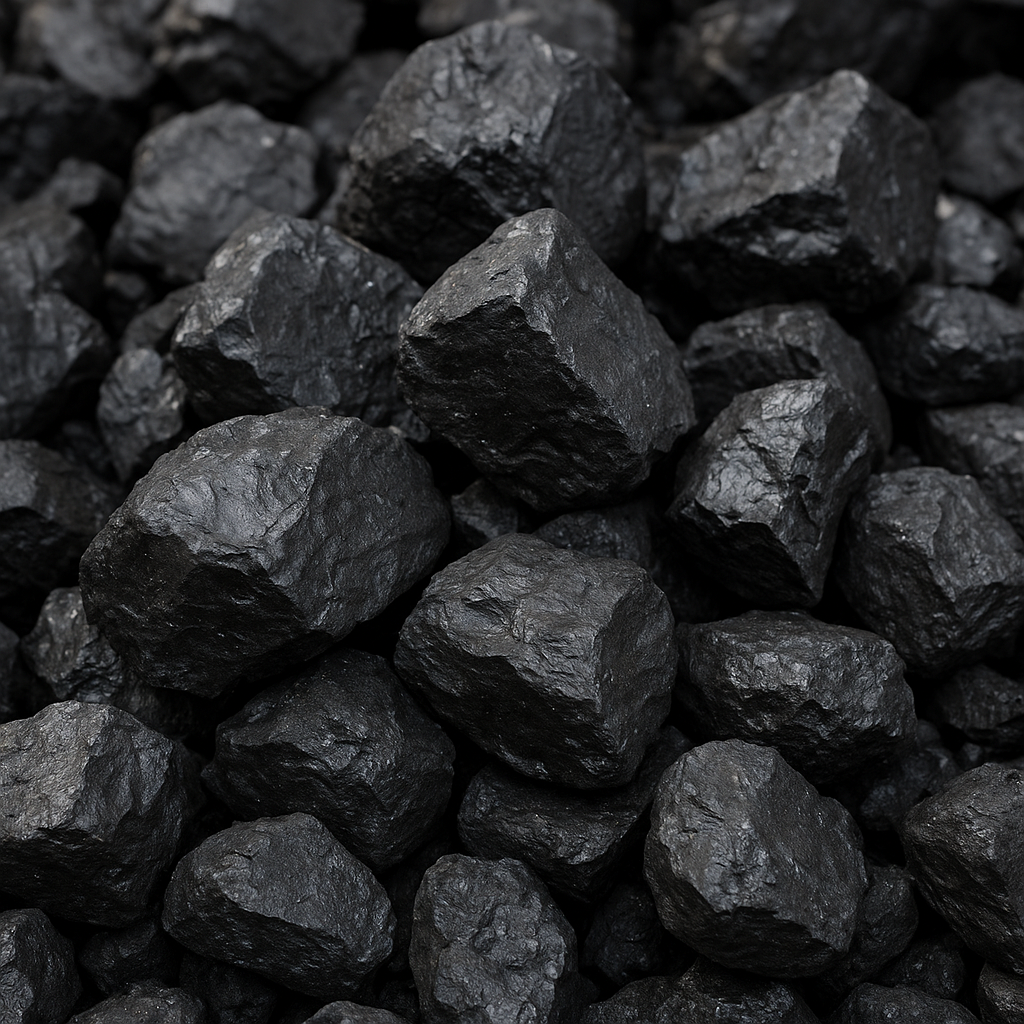
This article explores the characteristics, occurrence, economic importance and industrial role of dry steam coal — a variety of coal primarily used for heat and power generation. Dry steam coal is a subcategory of thermal or steam coal that typically contains relatively low moisture and can offer better combustion performance and handling characteristics compared with wetter coals. Below you will find geological, technical, statistical and socio-economic information, together with perspectives on markets and environmental challenges connected with the continued use of this fuel.
Properties and classification of dry steam coal
Coal is classified according to rank (lignite, sub-bituminous, bituminous, anthracite), calorific value and intended use. The term “steam coal” generally refers to coals intended for electricity generation and industrial heating rather than metallurgical coking. Within that group, “dry steam coal” denotes coals with lower inherent moisture (often below 10% by mass), which enhances net calorific value and reduces transport costs per unit of energy.
Important coal quality parameters include calorific value (measured in MJ/kg or kcal/kg), moisture, volatile matter, fixed carbon, ash content and sulfur. Typical ranges for steam coals:
- Calorific value: roughly 16–30 MJ/kg (4,000–7,000 kcal/kg), depending on rank and origin.
- Moisture: dry steam coal often <10%, while some sub-bituminous coals may reach 15–30%.
- Ash: from very low (<5%) in some high-quality Australian and Indonesian coals to >20% in others.
- Sulfur: variable, typically 0.2–2.5% — low-sulfur coals are preferred for emissions control.
Lower moisture improves boiler efficiency and reduces the fuel mass required for a given energy output. Dry steam coal is therefore favored by utilities seeking higher thermal efficiency and lower freight costs per unit of energy.
Where dry steam coal occurs and where it is mined
Coal forms in sedimentary basins where plant material was buried and transformed by geological processes. Steam-quality coals exist in many basins worldwide. Major regions producing low-moisture, high-quality thermal coals include parts of:
- Australia — Queensland and New South Wales (Bowen and Sydney basins) supply significant volumes of high-grade thermal coal with relatively low moisture and ash. Australia is a leading global exporter of both thermal and metallurgical coal.
- Indonesia — Kalimantan and Sumatra produce large volumes of relatively low-ash, low-sulfur thermal coal that is widely exported to Asian power markets.
- Russia — the Kuznetsk Basin (Kuzbass) and Far Eastern basins produce thermal coal for domestic consumption and export.
- United States — Appalachian and Illinois basins produce steam coal historically, although the Powder River Basin (PRB) produces sub-bituminous coal with higher moisture and lower energy density.
- China — numerous domestic basins (e.g., Shanxi, Inner Mongolia) supply most of China’s steam coal demand; quality varies widely.
- Other notable producers — South Africa, Colombia, Poland, Kazakhstan and India (where domestic thermal coal is extensively used for power).
Dry steam coals are often associated with basins where peat accumulation was followed by deeper burial and higher thermal maturity but without excessive water content in the seam. Export-focused mines in Australia and Indonesia have historically marketed coals described as “low moisture” or “low-ash” to meet utility specifications in Asia and Europe.
Mining, processing and transport
Dry steam coal is extracted using both surface (open-pit/strip) and underground (longwall/room-and-pillar) methods. The choice depends on depth, seam thickness and geology. Surface mining is common in large, thick seams and in places where overburden removal is economical; underground longwall mining is used where surface disturbance must be minimized or seams are deep.
Key post-extraction processes that influence the “dryness” and marketability of steam coal:
- Washing and beneficiation — removes ash-forming minerals and some moisture, improving calorific value and reducing airborne emissions when burned.
- Drying technologies — mechanical and thermal dryers can lower moisture content for higher-value markets; however, drying adds cost and energy use.
- Blending — coals of different properties are often blended to achieve target calorific value, moisture and emission profiles for specific power plants.
- Logistics — rail transport, conveyor systems, barges and large bulk carriers move coal from mine to export terminals and domestic power plants. Lower moisture coal yields lower transport cost per energy unit.
Modern terminals and ports incorporate stockpiles, covered conveyors and dust suppression to maintain quality and minimize environmental impacts.
Economic and statistical overview
Coal remains a major global commodity. In recent years, global coal production and consumption have fluctuated with economic growth, energy policy and short-term supply shocks. Key statistical features worth noting:
- Global production: In the last decade, annual worldwide coal production has generally ranged in the order of several billion tonnes (metric), with the largest single consumer and producer being China, which uses a substantial share of the world’s coal for power and industry.
- Electricity generation share: Coal-fired power historically provided roughly one-third of global electricity generation. In many emerging economies the share remains high, while several OECD countries have reduced coal use in favor of gas and renewables.
- Trade flows: Major exporters of thermal coal include Australia, Indonesia, Russia, the United States and Colombia. Major importers of thermal coal historically are China, India, Japan, South Korea, Taiwan and several European countries.
- Price dynamics: Thermal coal prices are volatile and respond to global demand, regional supply bottlenecks, shipping costs and policy signals. Market volatility was pronounced during 2021–2022 due to post-pandemic demand recovery and geopolitical events.
- Employment and regional economies: Coal mining supports local employment, regional infrastructure and public revenues in producing regions. However, the sector faces structural changes that affect jobs and local fiscal balances.
Precise production and trade volumes shift yearly. For planning, analysts commonly consult international agencies (IEA, World Bank, UN, national geological surveys) for up-to-date tonnages and balances.
Importance in industry and power generation
Dry steam coal’s principal role is fuel for thermal power plants, where it is combusted to produce steam that drives turbines. Advantages of lower-moisture steam coal include:
- Higher delivered energy per tonne and hence improved plant efficiency.
- Lower transportation energy and cost per unit of useful energy.
- Improved pulverization and combustion characteristics in many boiler designs.
Beyond power generation, steam coals are used for industrial boilers, district heating and some cement and chemical manufacturing processes. However, steam coal is not typically suitable for producing metallurgical coke, which requires specific coking coal qualities.
Technically, modern power plants combine coal quality management with advanced combustion systems:
- Supercritical and ultra-supercritical boilers achieve higher thermal efficiencies and extract greater value from higher-quality dry steam coals.
- Fluidized bed combustion can handle a wider range of coal qualities, including higher-ash or higher-moisture coals, and enables better control of emissions like SO2.
- Co-firing with biomass or the addition of emission-control equipment (scrubbers, selective catalytic reduction) mitigate certain air pollutants.
Environmental, health and regulatory aspects
Coal combustion is a major source of CO2, the principal driver of anthropogenic climate change. Steam coal use therefore sits at the center of many national and international policy debates. Key environmental and health concerns include:
- Greenhouse gases: Coal combustion emits more CO2 per unit of energy than oil or natural gas. Transitioning away from coal is central to many countries’ decarbonization pathways.
- Air pollutants: SO2, NOx, particulate matter and mercury from coal-fired plants cause respiratory and cardiovascular disease and ecosystem acidification. Emission-control technologies can reduce but not entirely eliminate these impacts.
- Mining impacts: Land disturbance, water contamination from acid mine drainage, subsidence and ecosystem loss are associated with both surface and underground mining.
- Waste: Coal ash and slag require careful management to avoid heavy-metal leaching and air-dispersion of particulates.
Mitigation and adaptation options include emissions controls, carbon capture and storage (CCS), reclamation of mined lands, stricter water and air regulations and moves toward replacing coal generation with low-carbon technologies. CCS research focuses on whether it can be scaled economically for thermal coal plants, but widespread implementation is not yet proven at large scale.
Market trends, risks and the future role of dry steam coal
The future of dry steam coal depends on several interacting forces:
- Energy policy and climate commitments: National targets to reduce greenhouse gas emissions and international agreements push many economies to reduce coal reliance.
- Economics: The competitiveness of natural gas, renewables plus storage, and hydrogen-based solutions affects coal demand. Where coal plants are already built, fuel-source economics and local resource availability influence continued operation.
- Demand in developing markets: In several emerging economies, increasing electricity demand and limitations of alternative infrastructure sustain coal use in the near to medium term.
- Financial and investor pressure: Banks, insurers and institutional investors increasingly restrict financing for new coal projects, which influences development of new mines and plants.
Short- to medium-term expectations typically foresee a gradual global decline in coal-fired generation in many high-income regions, while demand may persist longer in regions where coal remains the cheapest dispatchable power source. Markets for higher-quality, low-moisture steam coal could remain stronger than for lower-grade coals due to efficiency advantages and lower emissions intensity per unit of electricity produced.
Social and economic impacts in producing regions
Coal mining has historically underpinned regional economies, providing jobs, infrastructure and tax revenues. However, the transition away from coal entails:
- Workforce displacement and needs for retraining and diversification of local economies.
- Public finance impacts where royalties and taxes from coal contribute substantially to local and national budgets.
- Community health and environmental remediation responsibilities tied to legacy pollution.
Governments and companies increasingly plan “just transition” strategies intended to support affected workers and communities through retraining, investment in alternative industries, and reclamation projects that repurpose mining lands for renewable energy sites, agriculture or recreation.
Interesting technical and historical notes
- Historical role: Coal-fired steam engines powered the Industrial Revolution and the expansion of rail and maritime transport in the 18th and 19th centuries. The term “steam coal” reflects coal’s traditional use in steam boilers.
- Quality grading: Utilities often specify steam coal with tight ranges of calorific value, maximum ash and sulfur limits. Contracts for export steam coal commonly include detailed quality testing protocols.
- Innovations: Dry coal handling systems, improved dust suppression, remote mine operation, and automated washing circuits have improved safety and reduced environmental footprints.
- Co-benefits: When high-quality dry steam coal displaces poorer-quality, high-moisture coals, a power plant’s overall CO2 emissions per MWh can be reduced modestly due to improved efficiency — though this is not a substitute for low-carbon generation.
Summary
Dry steam coal remains an important component of the global energy mix, prized for its relatively low moisture and favorable combustion properties. It is widely mined in major basins across Australia, Indonesia, Russia, China and other countries, and it supplies electricity generation and industrial heat. Economic relevance is significant in producing regions, supported by long-established mining infrastructure and international trade. However, environmental pressures, policy shifts and evolving energy economics are driving reductions in some markets and creating uncertainty for the long-term role of coal. Technological measures (emissions controls, CCS) and careful social planning will shape how dry steam coal is managed during the energy transition.