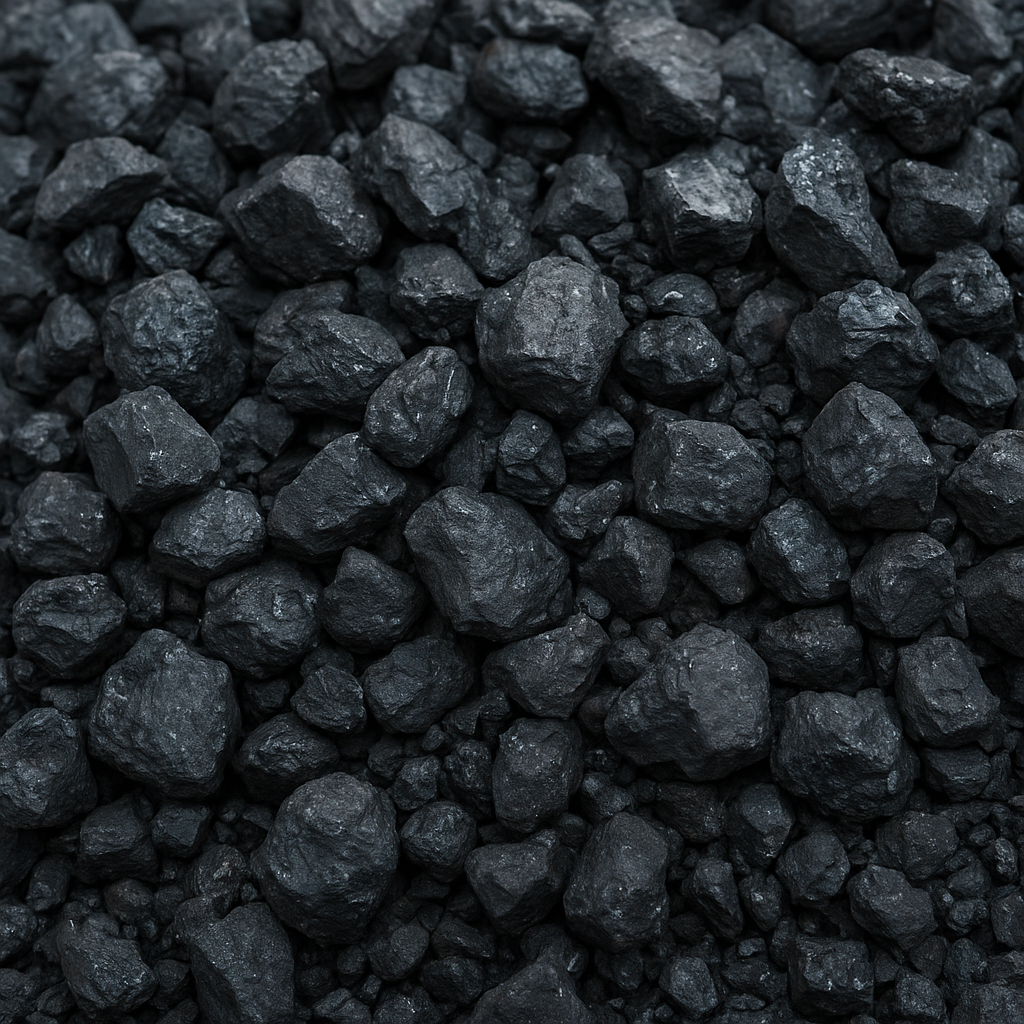
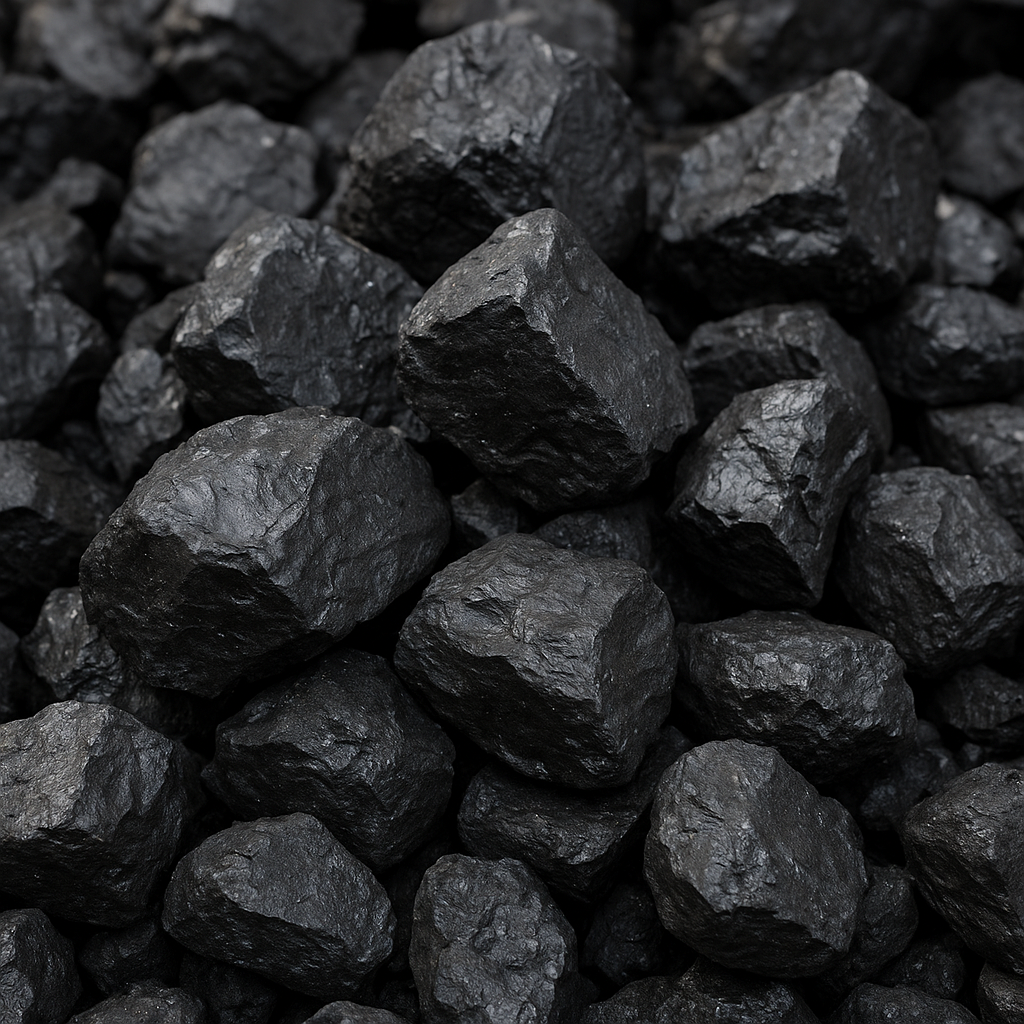
D-grade coal occupies a specific niche in the wider spectrum of coal types: it is typically a lower-ranked, commercially traded category of coal used mainly for thermal applications, industrial heating and sometimes for domestic purposes in certain markets. This article examines what D-grade coal is (composition and technical traits), where it is found and mined, its economic and statistical significance, roles in industry, environmental and regulatory considerations, and the likely outlook for this coal category in a world increasingly focused on decarbonization. The following sections provide a comprehensive look at D-grade coal from geological, technical, economic and policy angles.
What is D-grade coal: technical characteristics and classification
The term D-grade coal does not correspond to a single universal scientific classification but is most often used in regional and commercial contexts to denote a coal with relatively low calorific value and higher levels of moisture and ash compared with premium grades. In many markets, coal is divided into grades for trade and usage by parameters such as gross calorific value (GCV), fixed carbon, volatile matter, sulphur and ash content. D-grade generally sits below higher-ranked coals like A-, B- or C-grades and above the very lowest-quality residues.
Typical technical features associated with D-grade coal include:
- Lower calorific value (often in the sub-bituminous to low bituminous range) — this means fewer megajoules per kilogram relative to premium grades.
- Higher inherent moisture content — making transport and storage considerations more important and decreasing effective heating value unless dried.
- Moderate-to-high ash content — increasing slagging/fouling concerns in furnaces and requiring ash handling systems.
- Variable sulphur content — which affects emissions of SO2 and determines the extent of flue-gas treatment required.
Because these properties affect combustion performance and emissions, power stations and industrial boilers often blend D-grade coal with higher-grade coals or apply pre-treatment (drying, beneficiation) to meet operational and emission constraints.
Geology and global occurrence
Coal forms in sedimentary basins where plant material accumulated in ancient peatlands, was buried and transformed by heat and pressure. D-grade coal is not restricted to one geological setting; it emerges from basins where coal ranks did not advance to high-grade anthracite or high-volatile bituminous coals. As such, D-grade coal is widespread:
- Large deposits are found in Asia (China, India, Indonesia), where abundant younger coal seams often yield sub-bituminous and low-volatile bituminous coals commonly marketed as lower grades.
- Australia and South Africa host basins with a range of coal qualities; some seams and stratigraphic intervals produce lower-grade material suitable for D-grade classification.
- North America (United States, Canada) and Eastern Europe also contain seams that yield lower-rank coals historically used for electricity, industrial heat and domestic heating.
Regional terminology varies. In some countries the lettered grade (e.g., D) appears in utility and trade specifications rather than in geological literature; in other contexts the same coal might be labeled “sub-bituminous” or “low-grade thermal coal.” The net effect: D-grade coal is geographically widespread, abundant in many coal-producing regions and often mined where seams are large but rank is modest.
Where D-grade coal is mined: major producers and basins
Because D-grade coal corresponds to lower-rank thermal coal, it is produced in virtually every major coal-producing country. Notable producing regions include:
- China — the world’s largest coal producer, with extensive sub-bituminous and low-volatile bituminous coals mined in many basins; a substantial share of Chinese production can be classed as lower-grade thermal coal suitable for local power generation.
- India — many Indian coalfields produce medium- to low-grade coals used primarily in domestic power plants and industry. Upgrading is often limited, so lower grades remain a significant part of supply.
- Indonesia and Australia — both are major exporters of thermal coal; Indonesia’s exports often include lower- to mid-quality thermal coals used in Southeast Asia. Australia produces both high-quality and lower-quality thermal coals, the latter sometimes marketed as lower grades.
- United States, Russia, South Africa, Colombia and Poland — each has basins that yield thermal coals across a spectrum of qualities; particular seams or series within these basins supply lower-grade coals used for power, cement, brick-making or domestic heating.
Mining methods for D-grade coals mirror those used elsewhere: open-pit (surface) mining dominates where seams are shallow, while underground longwall or room-and-pillar methods are typical for deeper seams. Because D-grade seams may be extensive but less economically productive per tonne of energy, cost-efficiency in mining and transport is critical to competitiveness.
Economic and trade aspects
D-grade coal plays an important role in regional energy markets due to its affordability and widespread availability. Key economic considerations include:
- Price dynamics — lower-grade coals typically trade at discounted prices versus premium grades because of their lower energy content and higher treatment/handling costs. Prices vary widely by region, transport distance and contract terms.
- Domestic vs. export markets — in many producing countries, D-grade coal is primarily used domestically for power generation or industry because transport to distant markets reduces competitiveness. Some producers, however, export lower-grade coals where regional demand exists (e.g., Southeast Asian power stations).
- Supply chain costs — moisture and ash content increase effective transport costs per unit of energy. Beneficiation (washing, drying) raises quality and price but also adds capital and operating expenses.
- Employment and local economies — mining and associated logistics support jobs and local economic activity in mining regions; even lower-grade coal can be economically significant for regional development.
On a macroeconomic level, coal (including lower grades) remains a major contributor to electricity generation and industrial heat in many countries. Globally, annual coal production is measured in billions of tonnes: in recent years total global production has been on the order of 7–8 billion tonnes per annum, with production concentrated among China, India, the United States, Australia, Indonesia and Russia. China alone accounts for roughly half of this output, while India and the larger exporters (Australia, Indonesia) together account for several hundred million to over a billion tonnes collectively. Proven global coal reserves remain large — measured in the order of over a trillion tonnes — ensuring that lower-grade coals like D-grade will remain available for decades under many scenarios.
Industrial and practical uses
D-grade coal is principally a fuel for thermal applications. Its typical uses include:
- Power generation — many coal-fired power plants, particularly older or large-scale thermal stations, burn lower-grade coals either directly or blended with higher-grade coal. Boiler designs and emission control systems determine the proportion and processing required.
- Cement and lime industries — these sectors use coal as a primary fuel in kilns; lower-grade coals are acceptable where consistent heat and kiln conditions can be maintained.
- Brick-making, ceramics and local industrial boilers — in developing regions, lower-grade coals are commonly used to fire industrial furnaces where cost sensitivity is high.
- Domestic heating — in countries with household coal consumption traditions, certain forms of lower-grade coal can be sold for domestic stoves and heating (though environmental regulations are increasingly restricting this use in many urban areas).
Technical adjustments accompany the use of D-grade coal: furnaces may require modified air-fuel ratios, more robust ash handling, and frequent maintenance to counteract slagging and fouling tendencies. Where emissions standards are strict, flue gas desulphurization (FGD), particulate filtration and selective catalytic reduction (SCR) may be required.
Quality improvement and beneficiation
To improve the marketability and combustion behaviour of D-grade coal, several treatments are commonly applied:
- Washing/beneficiation — removes some ash and mineral matter to raise calorific value and reduce slagging.
- Drying — reduces moisture content, improving heating value per tonne and reducing transport of water weight.
- Milling and sizing — creating uniform particle sizes improves combustion efficiency and reduces unburnt carbon losses.
- Blending — combining lower-grade coal with higher-quality coals or biomass to tailor calorific value and emissions.
These measures can turn a low-value D-grade feedstock into a more attractive fuel for certain users, though the feasibility depends on local costs, access to processing facilities and regulatory drivers.
Environmental, health and regulatory issues
The environmental profile of D-grade coal is shaped by its composition: higher moisture and ash often lead to higher CO2 emissions per unit of delivered energy (because more coal is required to achieve the same heat output), and variable sulphur or trace metal contents influence pollutants. Key concerns include:
- Greenhouse gas emissions — burning lower-grade coal tends to emit more CO2 per megajoule than higher-grade coal of the same type because of lower carbon density and higher energy losses.
- Air pollutants — particulate matter, SO2 and NOx emissions can be higher if flue gas controls are absent or inadequate; ash disposal and dust are local health and environmental issues.
- Water and land impacts — mining and beneficiation demand water; surface mining alters landscapes and can affect communities, biodiversity and groundwater.
Regulation varies widely. In many developed countries, stricter emission limits, air quality standards and climate policies have constrained the use of lower-grade coals for power and domestic heating. In contrast, in some developing economies the cost advantage of D-grade coal continues to drive its use, though investments in emission control and efficiency upgrades are increasing. Technologies such as fluidized-bed combustion and modern boilers can burn lower-quality coals more cleanly, and where policy supports it, carbon capture and storage (CCS) remains a potential mitigation route, albeit expensive.
Statistical perspective and market trends
While granular global statistics specifically for “D-grade” coal are not universally reported (because grade definitions vary by market), several broad statistical points are instructive:
- Global production and consumption — world coal production has been in the order of several billion tonnes per year; coal still generates roughly one-third of global electricity production in many recent years, though this share is gradually declining in some regions due to renewables and gas.
- Major producers — China dominates production (roughly around half of world output), followed by significant volumes from India, the United States, Australia, Indonesia and Russia. Much of the lower-grade thermal coal used domestically is sourced and consumed within the producing country.
- Trade flows — thermal coal exports are dominated by Australia, Indonesia, Russia, Colombia and the United States; among exported coal, a sizable portion is lower- to mid-quality thermal coal serving power plants in importing nations.
- Price volatility — thermal coal prices can vary widely with demand cycles, supply disruptions and changes in regulatory regimes. Lower-grade coals typically track the lower end of the price curve, but logistics, quality and contract structure cause variation.
For stakeholders and analysts interested in D-grade coal, the key statistical indicators to watch are: local calorific value distributions, ash and moisture averages, regional production by basin, domestic vs. export shares, power plant coal consumption profiles and the level of investment in beneficiation and emission controls.
Case studies and regional perspectives
India
In India, coal is predominantly used domestically for power and industry. Much of domestic supply comprises medium- to lower-grade thermal coals that are crucial for base-load generation. Upgrading capacity is limited in some regions, so many power plants are designed or retrofitted to burn indigenous lower-grade coals. Policy efforts focus on improving efficiency, coal-gas switching in some plants, and electrification targets that alter future demand.
Indonesia and Southeast Asia
Indonesia exports large volumes of thermal coal to regional buyers. Many exported cargoes are lower- to mid-grade coals suitable for coastal power plants in Southeast Asia. Geographic proximity to buyers keeps transport costs low and maintains competitiveness for these grades.
China
China’s domestic coal mix includes substantial amounts of lower-rank coals that support its enormous power sector and heavy industry. China has invested heavily in emission control, co-firing technologies and efficiency improvements while also expanding renewables, leading to evolving patterns of coal use and procurement.
Outlook: demand, policy and transition
The future for D-grade coal is shaped by three competing forces:
- Persistent demand for affordable thermal fuel in economies with growing power needs or limited gas/renewable alternatives — this supports continued use of lower-grade coals in the near to medium term.
- Strong environmental and climate policy pressures that incentivize fuel switching, efficiency gains, retrofit of emissions controls, and ultimately reduction in coal use — this reduces long-term demand prospects.
- Technological developments such as advanced combustion systems, improved beneficiation, and potential deployment of CCS that could extend the viable lifetime of lower-grade coal by reducing its environmental footprint.
Most credible energy scenarios foresee a gradual decline in global coal use for power over several decades, but the pace and regional pattern vary: high-income economies are moving faster away from coal, while some emerging economies will continue to rely on coal — including D-grade coals — in the near term. Policy decisions, the pace of renewable deployment, gas availability and prices, and investment in carbon mitigation technologies will determine how quickly lower-grade coal demand falls.
Interesting facts and practical considerations
- Quality variability: Two lumps of coal labeled D-grade may behave differently in a boiler because “grade” is an aggregate commercial term; operators rely on proximate and ultimate analyses to know exactly what they are burning.
- Blending as a strategy: Blending is a cost-efficient way to stabilize fuel properties when users have access to varied coals — often cheaper than investing in full beneficiation.
- Logistics matter: Because D-grade coal carries more inert weight (ash, moisture), transport economics are critical — long-distance shipping of low-grade coal is uneconomical unless prices are strongly favorable.
- Social dimension: In many mining regions, even lower-grade coal remains a pillar of local employment and tax revenues, complicating transition plans that do not include just transition strategies.
Conclusions
D-grade coal is a commercially significant category of lower-rank thermal coal that supplies heat and power across many regions. It is characterized by lower calorific value and higher moisture and ash relative to premium grades, and it is mined in many of the world’s major coal basins. Economically, D-grade coal remains important where cost and local availability outweigh environmental constraints, but its future is subject to the twin pressures of climate policy and technological change. For industries and policymakers, the important responses are clear: optimize combustion efficiency, invest in emission controls and beneficiation where economically feasible, and plan equitable transition pathways for mining communities as energy systems evolve.