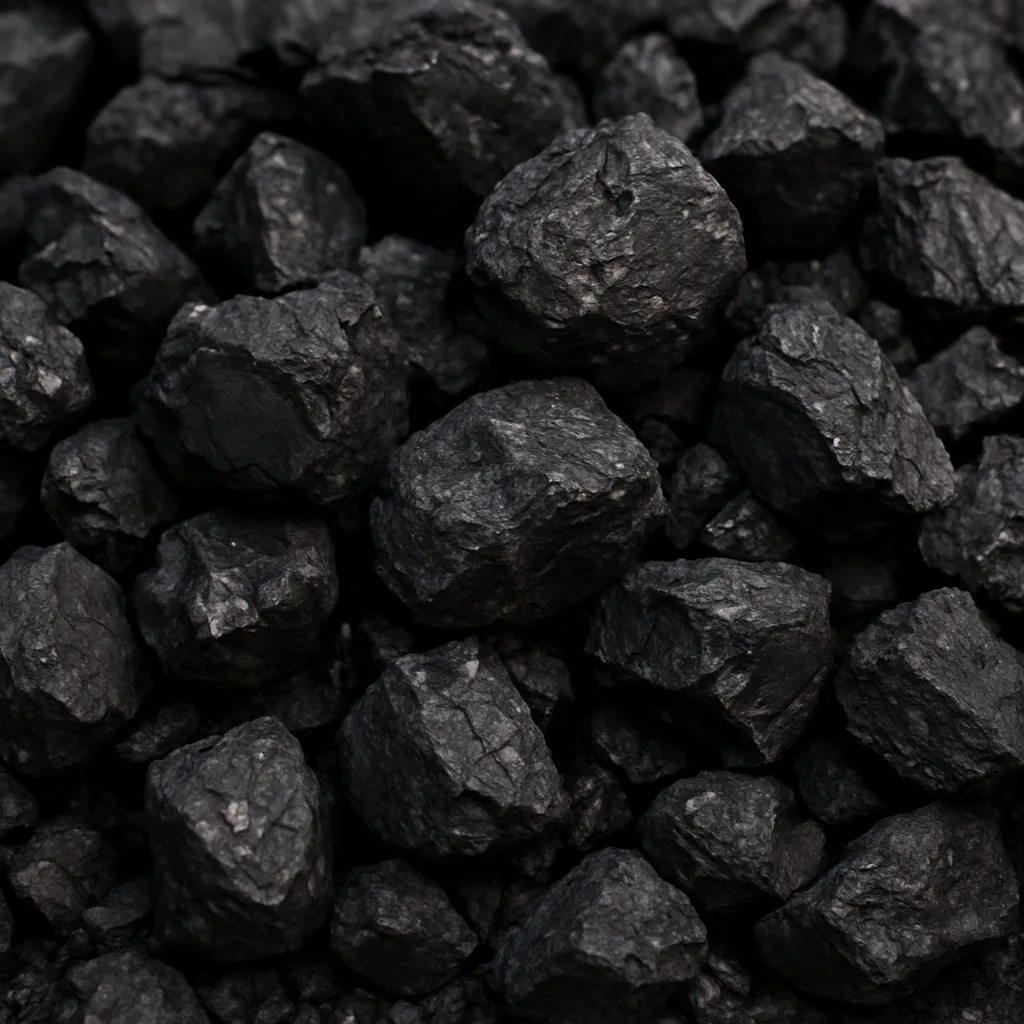
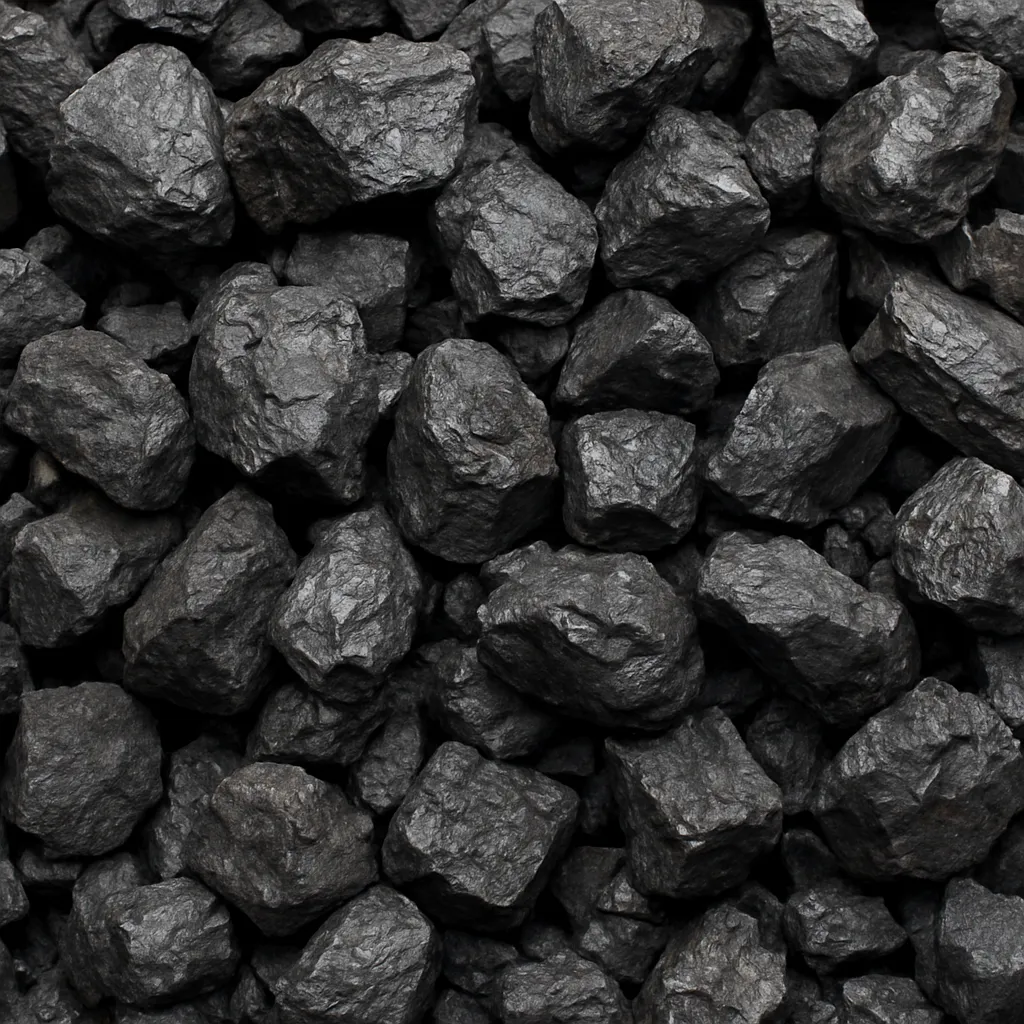
Coking coal, also known as metallurgical coal, is a specialized type of coal used primarily for producing coke, the essential carbonaceous material in traditional iron and steelmaking. Unlike thermal coal burned for power generation, coking coal must meet strict quality criteria to form a strong, porous coke under high-temperature, low-oxygen conditions. This article examines the geology, distribution, mining, economic importance, market dynamics, industrial uses, environmental considerations and future outlook for coking coal, providing technical details and available statistical context to portray its role in the modern global economy.
Origins, Properties and Types
Coking coal is typically a higher-rank bituminous coal formed during the late Carboniferous to Permian geological periods in sedimentary basins where heat and pressure transformed plant material over millions of years. Key petrographic and chemical characteristics determine a coal’s suitability for coking: high vitrinite content, appropriate volatile matter, low ash, low sulphur, and suitable plasticity and swelling behavior when heated. When heated in the absence of oxygen, good coking coals soften, devolatilize and resolidify to form a coherent mass — the process exploited in industrial coke ovens.
Classification and tests
- Hard coking coal (HCC): Produces strong, highly porous coke with excellent mechanical strength — preferred for blast furnace use.
- Semi-hard and semi-soft coking coals: Lower rank/quality used in blends to meet furnace specifications.
- Pulverized Coal Injection (PCI) coal: Used as a partial substitute for coke in blast furnaces; requires different properties (low ash, good grindability).
Laboratory assessments include measures such as Free Swelling Index (FSI), Gieseler plastometer results, dilatation, and CRI/CSR (coke reactivity index and coke strength after reaction). These indices help steelmakers and traders define blends and predict performance in blast furnace or foundry applications.
Where It Occurs and How It Is Mined
Coking coal deposits occur in numerous sedimentary basins worldwide. Major producing regions combine geological endowment with established mining infrastructure. Extraction methods vary with geology and seam depth: open-pit (surface) mining for shallow, thick seams and underground longwall or room-and-pillar mining for deeper deposits. After extraction, coals are often washed and blended to meet stringent quality specifications for volatile matter, ash, sulfur and caking properties.
Key producing and exporting regions
- Australia (Queensland, New South Wales): The dominant seaborne exporter of metallurgical coal; vast open-pit and underground operations service global steel markets.
- Russia (Kuzbass and eastern basins): Large production and significant domestic consumption; major influence on European and Asian trade.
- United States (Appalachian and Illinois Basin): High-quality metallurgical coals from Appalachia remain important for domestic blast furnaces and exports.
- Canada (British Columbia, Alberta): Export-oriented mines supply Asia and regional markets.
- Colombia and Mongolia: Important exporters; Mongolian coal (e.g., Tavan Tolgoi region) has grown in significance for Asian buyers.
- China and India: Large producers with significant domestic consumption; both are also major importers when domestic grades or volumes do not meet demand.
- South Africa and other countries: Smaller but locally important metallurgical coal production exists to supply regional steel industries.
Economic and Market Dynamics
The economic importance of coking coal is driven by its central role in global steel production. Approximately two-thirds of the world’s crude steel is made using the blast furnace-basic oxygen furnace (BF-BOF) route, which relies on coke derived from metallurgical coal. As a result, coking coal prices, trade flows and security of supply are tightly linked to trends in steel output, infrastructure cycles, and the pace of industrialization.
Production and trade statistics
Global statistics for metallurgical coal vary with definitions (total metallurgical coal vs. seaborne trade). The seaborne market — the portion traded internationally by sea — is smaller than total production but crucial for countries without adequate domestic supplies. Historically, seaborne metallurgical coal trade has fluctuated around the low hundreds of millions of tonnes per year, with Australia typically accounting for a substantial share of exports. Major importers include China, Japan, South Korea and various European countries. In recent years, geopolitical events and demand-supply imbalances have caused pronounced price volatility in the spot market, with premium hard coking coal sometimes trading at several hundred US dollars per tonne during tight-supply periods.
Steel production in 2021–2022 hovered around 1.8–1.9 billion tonnes of crude steel annually, with China responsible for roughly half of global output. Because each tonne of BF-BOF steel requires a significant fraction of a tonne of coke or coking coal equivalent, the steel industry’s scale translates into large aggregated metallurgical coal demand. Approximate consumption rates depend on technology and efficiency: traditional blast furnace operations can require roughly 0.6–0.8 tonnes of coking coal equivalent per tonne of crude steel, while modern optimised plants and PCI substitution can lower that intensity.
Price drivers and volatility
- Steel cycle: Construction and manufacturing demand drive steel and thus coking coal demand.
- Supply concentration: Large exporters (notably Australia and Russia) can heavily influence seaborne supply and pricing.
- Logistics and bottlenecks: Shipping capacity, rail and port constraints can create regional shortages.
- Policy and sanctions: Trade restrictions or sanctions affecting major producers can rapidly tighten seaborne markets.
- Substitution and technology: Greater use of PCI, scrap-based electric arc furnaces (EAF), or DRI routes reduces long-term coking coal demand.
Role in Industry and Technology
The primary role of coking coal is to produce coke for blast furnaces. Coke must provide structural support for the burden inside the furnace, allow permeability for gas flow, and act as a reductant for iron oxides. High-quality coke is strong, low-reactivity to CO2 (good CSR), and produces a stable burden. Beyond the main blast furnace role, metallurgical coals serve specialized functions: production of foundry coke, chemical byproducts recovered from coke ovens, and pulverized coal injection to reduce overall coke demand.
Blast furnace chemistry and coke performance
Coke acts both as a physical support (bearing the burden) and chemically during iron reduction. Its reactivity and mechanical strength at high temperatures affect coke consumption rates, furnace permeability and stability. Metallurgical coal blends are designed to produce coke with target CSR/CRI, reactivity, and tumble strength, balancing cost and technical performance. Steelmakers invest in coal testing and blending capabilities because small changes in coke quality can have large impacts on furnace productivity and coke rates.
Environmental and Transition Considerations
Coking coal’s major environmental issue is its connection to CO2 emissions from steelmaking. The iron and steel sector generates a significant share of industrial greenhouse gas emissions globally, largely because of reliance on carbon-intensive BF-BOF routes that use coke as the main chemical reductant. Consequently, the sector faces both regulatory and market pressures to decarbonize.
Decarbonization pathways and implications
- Direct Reduced Iron (DRI) with natural gas or hydrogen and subsequent electric arc furnaces: Potential to reduce coke demand drastically when paired with low-carbon hydrogen and renewable electricity.
- Increased scrap recycling and EAF routes: These reduce the share of primary steel made with coke but require high scrap availability and quality.
- Carbon capture, utilisation and storage (CCUS) applied to blast furnaces and coke plants: Technically feasible but adds cost and complexity.
- Process optimization: Greater use of PCI, improved efficiency and waste heat recovery lower coke intensity per tonne of steel.
These technological shifts imply that over the medium to long term, demand for coking coal could be moderated by accelerated decarbonization of steel production, particularly in regions pursuing aggressive climate policies. However, replacement of coke in existing furnaces at scale is capital-intensive and will take decades, so metallurgical coal will remain important in the near-to-medium term.
Supply Chains, Logistics and Geopolitics
Coking coal is traded globally, but trade patterns reveal vulnerability to logistics and geopolitical disruption. Export-dependent countries rely on stable shipments from major exporters; conversely, producers depend on open, reliable access to export markets. Infrastructure — rail networks, heavy-load ports, handling facilities and transshipment capacity — is crucial to connect inland mines to seaborne markets. Weather events, industrial action at ports, or geopolitical measures can quickly impact supply and lead to price spikes.
Strategic considerations
- Stockpiling and long-term contracts: Steelmakers maintain stocks and long-term purchase agreements to buffer against volatility.
- Vertical integration: Some steel companies secure coal assets to control feedstock and reduce price exposure.
- Geopolitical risk: Dependence on single-source suppliers is a vulnerability; diversification of supply is a common risk-management strategy.
Economic Importance and Employment
Coking coal mining supports employment, regional economies and export earnings in producing regions. Mining operations generate direct jobs in extraction, processing and logistics, and indirect jobs in services and supply chains. For export-oriented producers, metallurgical coal is a major foreign-exchange earner. Taxes, royalties and community investments associated with large mines can be economically significant for local and national governments.
Value chain and multiplier effects
Beyond the mine gate, the coking coal value chain supports shipping, port operations, terminal services, blending and testing laboratories, and the steel industry itself. High coking coal prices can raise costs for steel producers, affecting competitiveness, downstream manufacturing and construction sectors. Conversely, low prices benefit steelmakers but pressure coal producers’ margins and local economies dependent on mining.
Interesting Technical and Historical Notes
– Coke ovens historically were a source of valuable chemical byproducts — coal tar, ammonia, benzene and other aromatic compounds — used in chemicals and pharmaceuticals. Modern environmental controls have reduced fugitive emissions from ovens but many byproducts remain economically useful.
– The development of large-scale coking and coke-oven technology was fundamental to the growth of industrial steelmaking in the 19th and 20th centuries, enabling the modern era of construction, transport and heavy industry.
– Coal properties such as plasticity and swelling index are unique among fossil fuels and make coking coal technologically indispensable for the classic blast furnace method.
Future Outlook and Challenges
The outlook for coking coal is shaped by competing forces. On one hand, persistent urbanization and construction in developing economies sustain near-term steel demand; on the other, the global climate agenda and technological change push the steel sector toward lower-carbon processes. The pace of adoption of hydrogen-based DRI, wider recycling and EAF deployment will largely determine how fast demand for metallurgical coal declines. In the interim, supply-side factors — new mine approvals, long lead times for development, and capital allocation decisions by mining companies — will keep markets sensitive to demand fluctuations.
Key uncertainties
- Speed of steel sector decarbonization and policy incentives for low-carbon steel.
- Development of alternative reducants and their economics relative to coke.
- Investment in mining and logistics capacity in key exporting regions.
- Geopolitical events that affect trade flows and market access.
Conclusions
Coking coal remains a strategic industrial commodity with a central role in conventional steelmaking. Its unique physical and chemical properties make it difficult to replace quickly in many existing production systems, ensuring continued demand in the near term. However, technological shifts and climate policy are steadily challenging its long-term dominance. Market participants — from miners to steelmakers and policy makers — must weigh geological realities, economic cycles, environmental responsibilities and technological options when planning for the future. The interplay of supply concentration, demand from major steel producers, and decarbonization trajectories will determine coking coal’s place in the global energy and materials landscape for decades to come.