The following article explores the subject of coal pellets — a densified, processed form of coal widely used in industry and residential heating. It covers geological origins, where coal and coal pellets are produced and traded, the technical processes used to manufacture pellets, their economic significance, environmental considerations, and current market trends. Throughout the text you will find data-based context and a discussion of the roles coal pellets play in modern energy systems and manufacturing.
Overview of coal pellets: what they are and why they matter
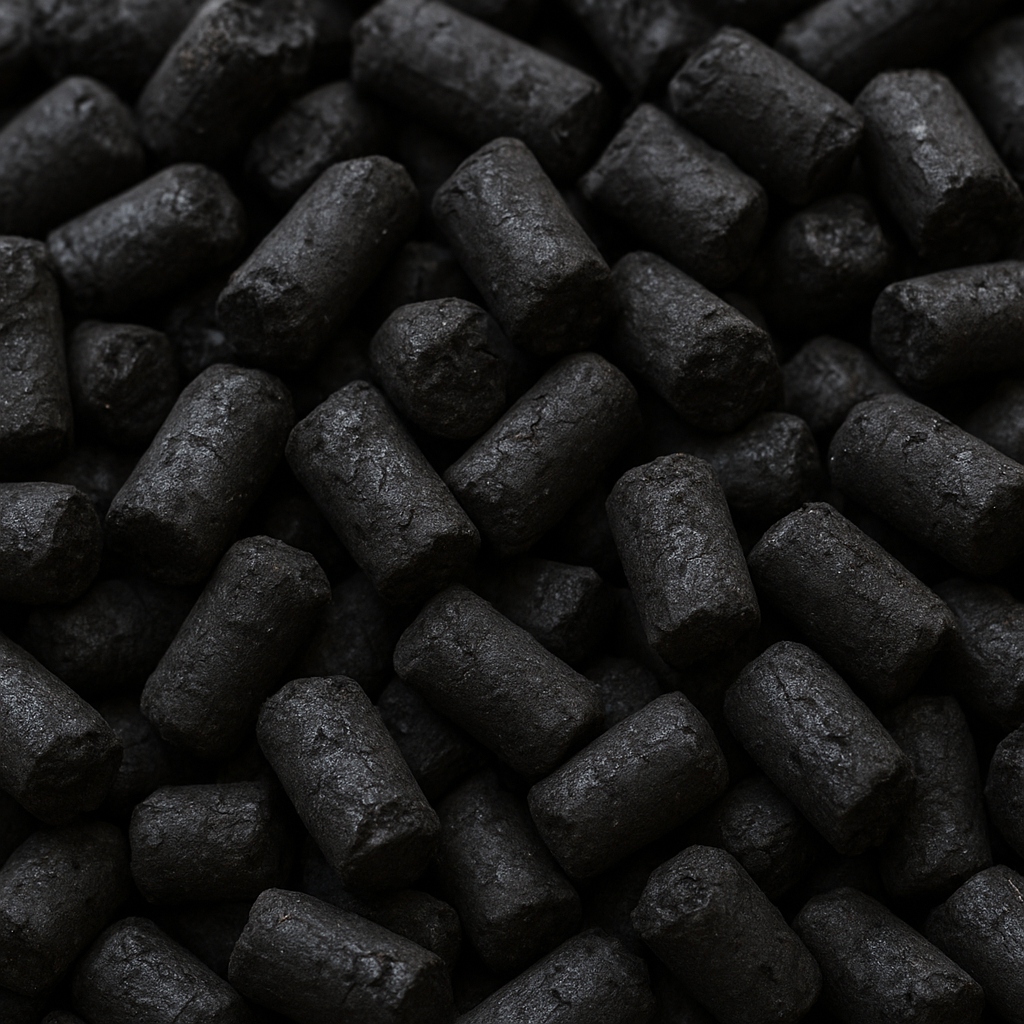
Coal pellets are compacted, engineered forms of pulverized coal or low-value coal fines transformed into uniform agglomerates. The process of pelletization and briquetting converts powdery material into manageable, transportable pieces with improved handling, combustion and mechanical properties. Coal pellets and brickets (briquettes) are used as a substitute for raw lump coal in many applications, including steel production (as a feedstock for certain processes), industrial boilers, cement kilns and residential heating. By combining coal fines into larger particles, pellets reduce dust, improve combustion control, and often allow lower-grade coal resources to achieve higher market value.
Geology and occurrence of coal
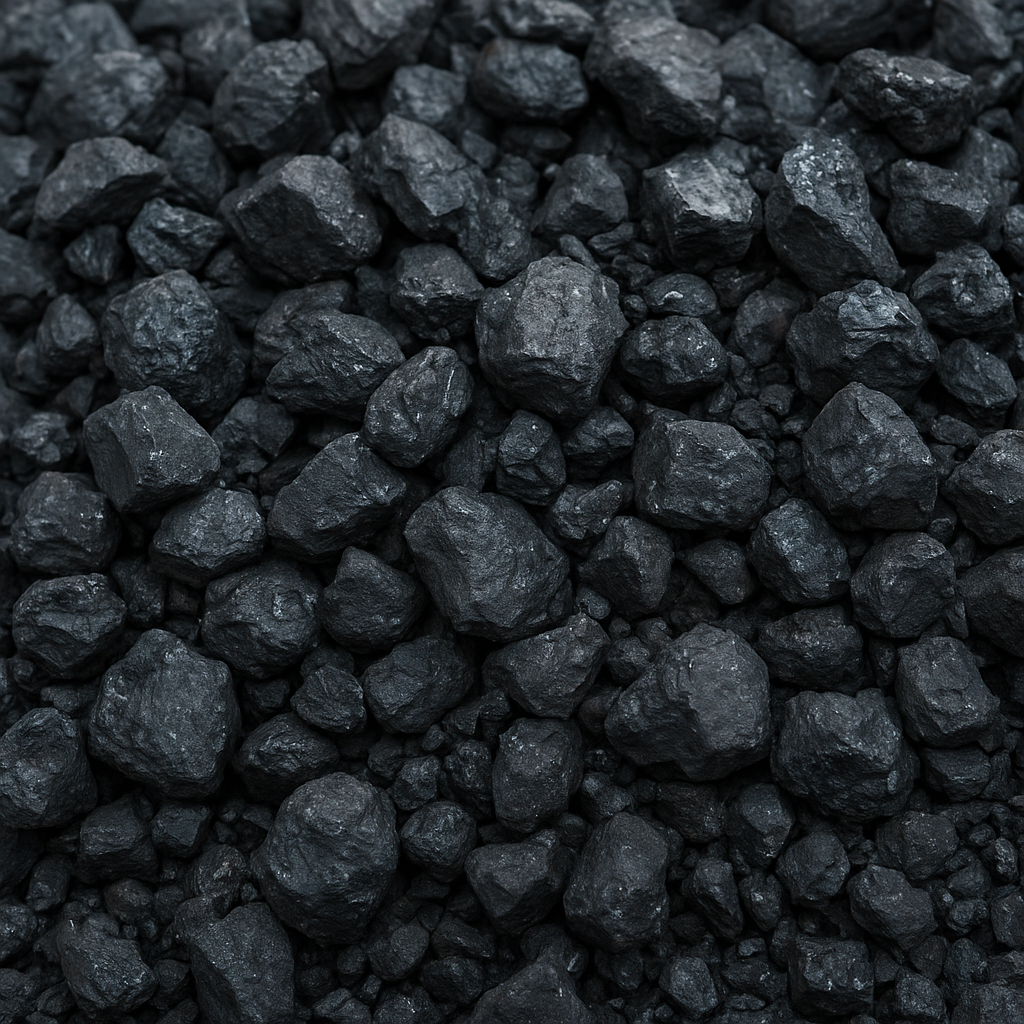
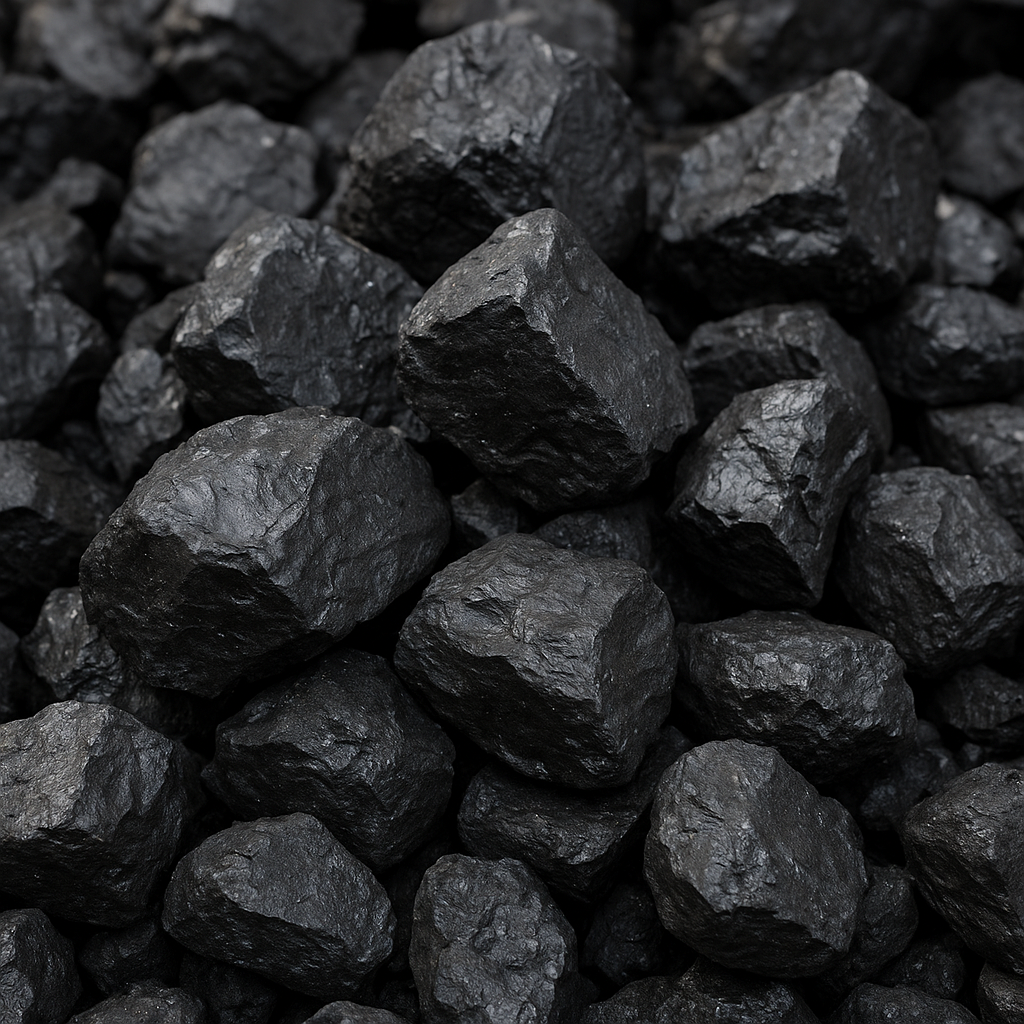
Coal forms from the compaction and alteration of plant material over geological time, primarily in sedimentary basins where vegetation accumulated in anaerobic environments such as swamps and peat bogs. Coal ranks range from lignite (low rank, high moisture) through sub-bituminous and bituminous to anthracite (high rank, high carbon content). The distribution of coal deposits is global but concentrated in specific large basins.
Major coal basins and types
- Asia: Large bituminous basins in China (Shanxi, Inner Mongolia), extensive deposits in India (Jharkhand, West Bengal) and Indonesia (Sumatra, Kalimantan) with both thermal and metallurgical coal.
- Oceania: Australia hosts major metallurgical and thermal coal basins in Queensland and New South Wales, making it a top exporter.
- North America: The United States and Canada contain extensive bituminous and sub-bituminous deposits (Appalachian, Powder River Basin).
- Europe: Germany and Poland have significant lignite and bituminous resources; Russia also has very large reserves spanning Siberia.
These geological endowments underpin the global coal industry and the production of coal pellets, since pellet manufacturing often uses local fines and low-grade coals that would otherwise be waste.
Where coal pellets are produced and mined
Coal pellet production tends to be located near coal mining operations or in industrial areas that use coal intensively. Common production settings include:
- Coal preparation plants at mine sites where fines are pelletized to add value locally.
- Industrial zones near steel mills and power stations where pellets supply specific combustion or injection needs.
- Residential and artisanal pellet plants in countries where home heating with fuel pellets is common.
Major producers of coal (and therefore primary sources of feedstock for pellets) are dominated by China, India, the United States, Australia and Indonesia. China is not only the largest coal producer but also a significant market for processed coal products, including densified fuels. Typical national production figures in recent years have been: global coal output on the order of several billion tonnes annually, with China accounting for roughly half of world production; India producing several hundred million tonnes; and Australia, the United States and Indonesia each producing in the hundreds of millions of tonnes. Exact volumes shift year-to-year with demand, policy and market dynamics.
Production processes and technology
Converting coal fines and low-grade coal into pellets involves several technical steps. The engineering goal is to produce mechanically strong, thermally stable pellets suitable for the intended application.
Key steps in coal pellet manufacturing
- Feed preparation: Screening and grinding of run-of-mine coal to an optimal particle size distribution.
- Blending: Combining coal types to achieve target calorific value, ash and sulfur content.
- Binder addition: Organic binders (tars, pitches), inorganic binders (lime, cement) or biodegradable binders (starch, molasses) are added to promote cohesion.
- Pelletizing/briquetting: Roll presses, disc pelletizers or extruders form rounded pellets or cylindrical briquettes.
- Drying and drying ovens: Remove moisture and thermally set binders where required.
- Curing or carbonization (optional): Low-temperature heating to harden pellets and improve abrasion resistance.
The choice of binder and pellet geometry depends on the end use. Pellets intended for power plants emphasize consistent combustion and low dust generation, while pellets for metallurgical applications prioritize strength, low volatile matter, and predictable behavior under PCI (pulverized coal injection) conditions.
Quality parameters
Important specifications for coal pellets include calorific value (kcal or MJ/kg), moisture content, ash content, volatile matter, sulfur and trace elements, pellet density, mechanical strength (abrasion index) and friability. High-quality pellets command a premium in markets where reliable combustion properties reduce downstream operational risk.
Economic and statistical profile
The economics of coal pellets are shaped by raw coal prices, processing costs, transport logistics, environmental regulations, and the demand profile of adjacent industries (power, steel, cement). Pelletization can transform low-value fines into salable products, improving overall mine recovery and margins.
Global production and trade (recent context)
In recent years, global coal production has hovered in the range of roughly 7.5–8.5 billion tonnes annually (thermal plus metallurgical coal). Major coal-producing countries typically include:
- China: several billion tonnes per year (dominant producer and consumer).
- India: several hundred million tonnes per year, rapidly growing domestic demand.
- United States: several hundred million tonnes annually, with large sub-bituminous output from Powder River Basin.
- Australia, Indonesia, Russia: each contributing hundreds of millions of tonnes, with Australia and Indonesia major exporters of thermal and metallurgical coals.
Trade in specialized coal products such as metallurgical pellets or high-quality briquettes is a smaller subset of total coal trade but can represent significant value because of higher unit prices. Regional markets for coal pellets depend on logistics — pellets can reduce transport losses from dust and enable handling on conveyor and pneumatic systems with fewer operational issues.
Prices and market drivers
Coal pellet prices reflect feedstock cost, energy used in processing, and local supply-demand balance. In regions with abundant coal fines, pelletization is attractive because it increases recoverable product volumes. Conversely, stringent emissions regulation or declining domestic coal demand can reduce pellet opportunities. The price spread between lump coal and pellets must cover processing and capital costs; when this is favorable, pellet production expands.
Employment and value chain
The pellet industry provides jobs in manufacturing, equipment supply, logistics and quality control. While pellet plants are less labor-intensive than mining, they add value to mining regions by retaining more economic activity locally and reducing waste disposal costs associated with coal fines.
Industrial uses and significance
Coal pellets have multiple industrial uses and strategic importance:
- Steelmaking: Pulverized coal injection (PCI) uses fine, controlled coal as a partial substitute for coke in blast furnaces. Coal pellets dedicated to metallurgical applications often have low ash and predictable volatile behavior.
- Power generation: Pellets may be used in smaller boilers or in retrofitting situations where handling lump coal is difficult. Densified pellets can offer more uniform combustion and easier fueling in automated systems.
- Cement and other kilns: Coal pellets provide stable feed for continuous processes.
- Residential heating: In some regions, densified coal briquettes are used as an economical heating fuel where alternatives are limited.
- Specialty chemical processes: Coal-derived pellets or briquettes with particular properties may be used as reductants in chemical production.
Environmental and regulatory considerations
Coal and coal-derived products are central to discussions about greenhouse gas emissions and air quality. Key environmental aspects include:
- Emissions: Combustion of coal pellets produces CO2, SOx, NOx and particulate matter. While pelletization can improve combustion efficiency and reduce dust emissions, it does not remove the fundamental carbon emissions associated with coal.
- Pollutant control: Deploying desulfurization, selective catalytic reduction and particulate filters can mitigate air pollutants from plants burning coal pellets.
- Waste reduction: Pelletizing coal fines reduces fine particulate waste, tailings and potential leachate problems at mine sites.
- Regulatory pressure: Many jurisdictions are tightening emissions rules and incentivizing low-carbon fuels, which affects long-term demand for coal and coal-derived products.
In response to environmental pressures, some producers develop co-pellets that mix coal with biomass or other low-carbon materials to lower net CO2 intensity. Furthermore, technologies such as CCUS (carbon capture, utilization and storage) are promoted as ways to decarbonize coal-fired industrial processes, although economic and technical barriers remain for widescale deployment.
Market trends, challenges and the future
Several trends influence the coal pellet market and the broader coal industry:
- Demand shifting regionally: While OECD countries have generally reduced coal-fired power generation in favor of gas and renewables, many developing economies continue to rely on coal for energy security and industrialization.
- Investment in efficiency and emission control: Upgrading plants and using densified fuels can improve efficiency and reduce local pollution, creating a niche for high-quality pellets.
- Integration with low-carbon strategies: Mixing biomass into pellets or integrating CCUS may extend the relevance of pellets in certain industrial niches (e.g., captive power in steel production).
- Price volatility and supply risk: Geopolitical events, shipping constraints and policy shifts can provoke rapid changes in international coal and pellet trade flows.
Opportunities for coal pellet producers include supplying specialized metallurgical markets, retrofits that replace lump coal with pellets for operational benefits, and producing blended pellets that reduce local pollutant intensity. Challenges include long-term demand uncertainty driven by climate policy and competition from lower-carbon alternatives.
Interesting facts and technological innovations
Some notable and lesser-known aspects of coal pellets and their industry:
- Pelletization increases the usable yield from mines by turning fines — traditionally a disposal problem — into a saleable product.
- Advanced binders and thermal curing can produce pellets with very low friability, enabling pulverized coal systems to accept pellet feed with minor adjustments.
- Research into co-pelleting coal with torrefied biomass aims to produce blends with reduced net CO2 emissions while retaining favorable combustion properties.
- Environmental monitoring and life-cycle assessments are increasingly used to quantify the net benefits (or liabilities) of pelletized coal relative to alternatives.
Conclusion and outlook
Coal pellets represent a pragmatic industrial response to the logistical and technical challenges posed by coal fines and low-grade coals. They provide operational benefits — improved handling, reduced dust, consistent combustion — and generate additional revenue streams for mines. However, the long-term trajectory of pellet markets is tightly linked to global energy transitions and environmental policy. In regions where coal remains part of the energy and industrial mix, pelletization will continue to play a role by enhancing resource efficiency and enabling process optimization. Simultaneously, efforts to reduce emissions, adopt clean technologies and develop lower-carbon fuel blends will shape the evolution of the sector.