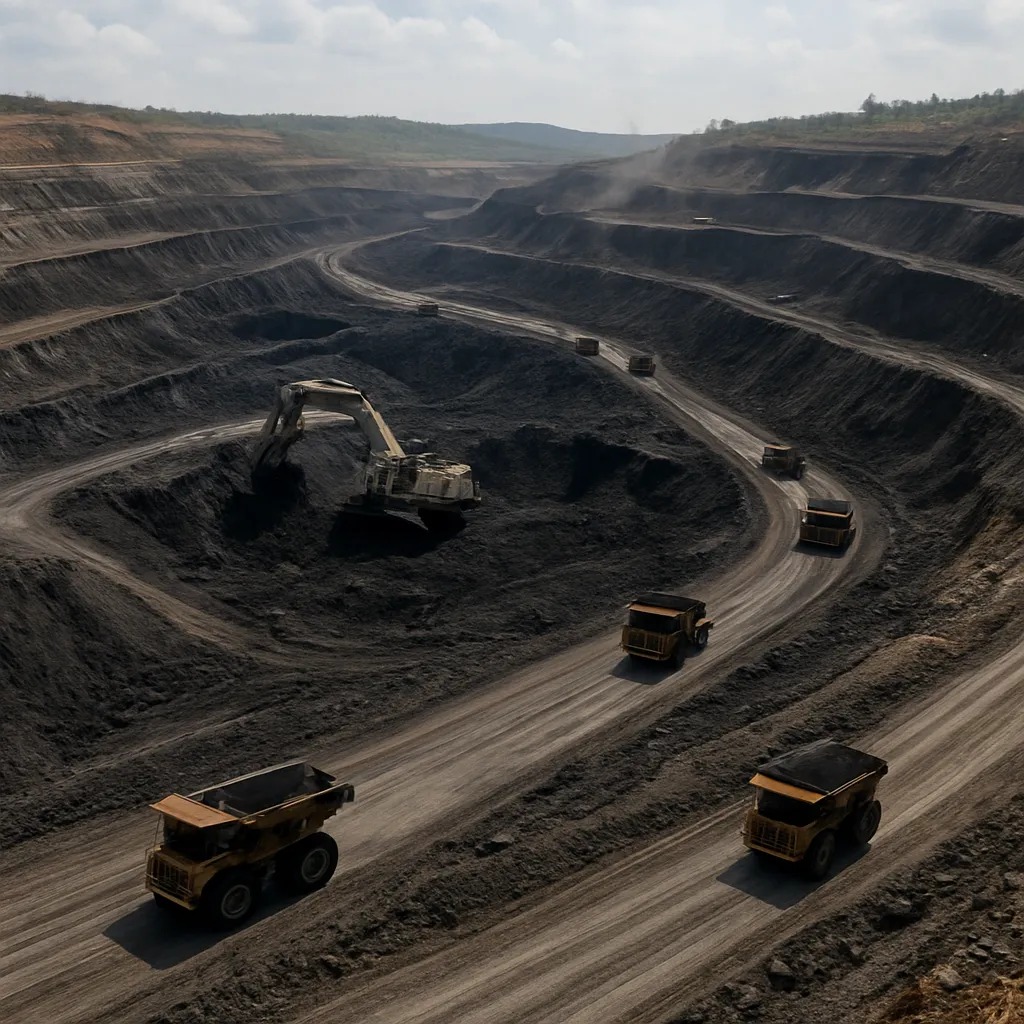
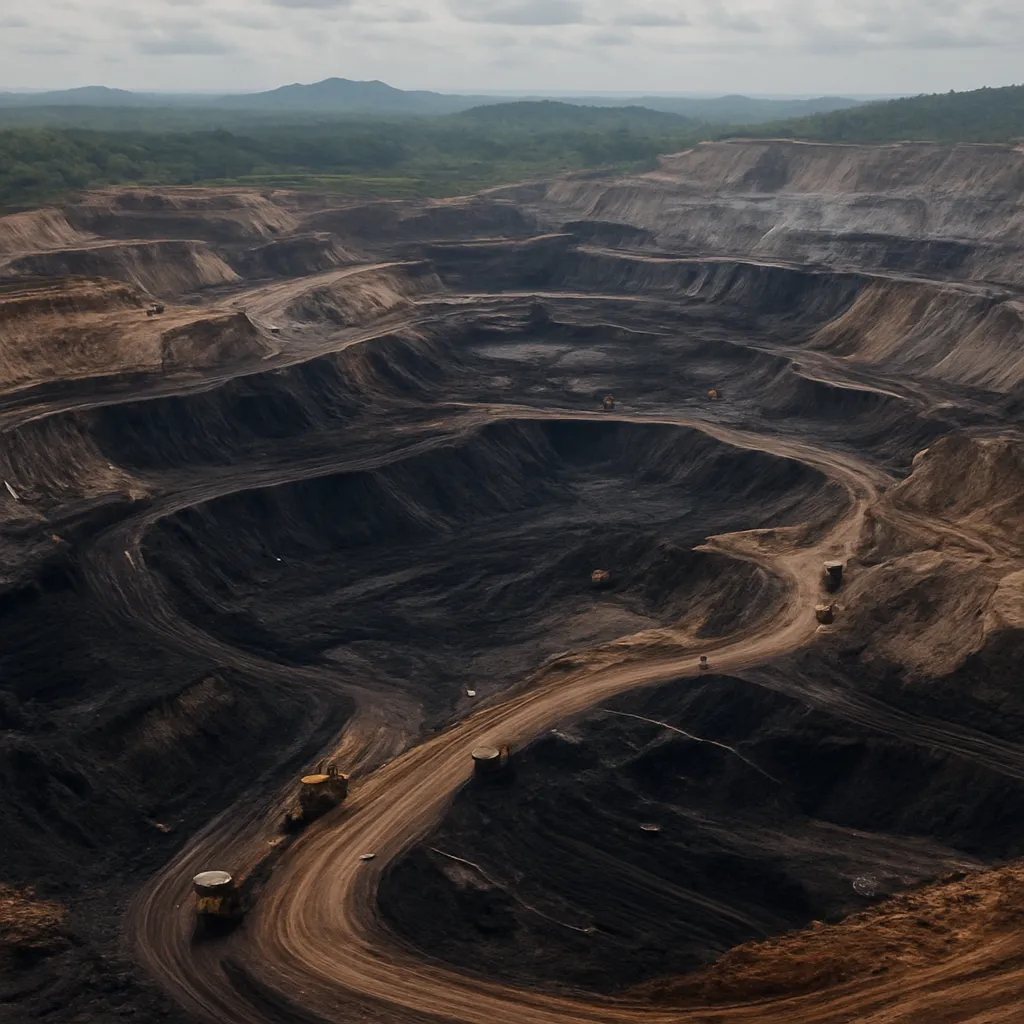
The Bulli Seam, one of the most important coal horizons in New South Wales, has played a central role in Australia’s coal industry for well over a century. Located within the broader Sydney Basin and exploited primarily in the Illawarra coalfields, operations targeting the Bulli Seam have supported local communities, supplied domestic and international markets, and stimulated technological and regulatory developments in underground coal mining. This article summarizes where the seam occurs, what type of coal it produces, the operational methods used, economic and statistical context, industrial significance, and other notable facts relevant to policymakers, industry observers and the general public.
Geological setting and location
The Bulli Seam occurs within the Permian coal measures of the Sydney Basin, a sedimentary basin that stretches from the Hunter Valley down the New South Wales coast into the Illawarra region. The seam is commonly associated with the Illawarra Coal Measures and is typically found at depths ranging from near-surface outcrops to hundreds of metres underground, depending on the local structural setting.
In terms of geography, the Bulli Seam extends along the coastal ranges south of Sydney and is most famously exploited in the Illawarra region—an area that includes towns such as Wollongong, Bulli, and nearby localities. The seam’s continuity and thickness vary along strike; in many places it is laterally persistent enough to support longwall mining panels, which has historically made it attractive for large-scale underground extraction.
Coal characteristics and uses
The Bulli Seam produces a type of bituminous coal with a reputation for relatively high calorific value and low to moderate ash when compared with many other coal seams in eastern Australia. The coal is primarily used for energy generation (thermal applications) and, in certain parts of the seam where rank and volatile matter are favourable, for metallurgical purposes. Key attributes often cited for Bulli Seam coal include consistent seam quality, good mechanical strength indices and relatively predictable washability characteristics.
- Bituminous coal: Generally the dominant rank within the Bulli Seam; this coal is well-suited to both thermal markets and some industrial uses.
- Thermal coal applications: electricity generation and steam production historically consumed a large share of output.
- Metallurgical coal potential: certain zones within the Bulli Seam or adjacent seams can meet coke-making or pulverised coal injection (PCI) specifications, depending on washing and blending.
Coal quality varies across the seam, and commercial product specifications are achieved through a combination of selective mining, processing (washing), and blending. Wash plants associated with underground operations improve product quality by reducing ash and impurities and by achieving consistent calorific values acceptable to buyers.
History and development of Bulli Seam mining
Mining of seams within the Illawarra region dates to the 19th century, with small-scale operations gradually giving way to industrial underground mining. The Bulli Seam emerged as a principal target because of its lateral continuity and mineable thickness in many locations. Over time, the area developed a network of collieries, rail links and coal handling infrastructure that connected producers to domestic ports and, later, export facilities.
Throughout the 20th century, Bulli Seam mining evolved from traditional bord-and-pillar methods to mechanised longwall operations in the mid-to-late 1900s. This transition increased recovery rates and productivity, enabling larger annual outputs but introducing new environmental and engineering challenges (notably subsidence and groundwater interaction) that have been managed through evolving regulation and technology.
Mining methods and modern operations
Contemporary exploitation of the Bulli Seam predominantly relies on underground mining techniques, with longwall mining being the most common method for large-scale operations. Longwall panels allow for high recovery rates and mechanised extraction through the use of shearers, powered roof supports and conveyor systems.
Key operational elements:
- Extraction: Longwall shearers cut coal off the face while hydraulic shields maintain roof support immediately behind the face.
- Ventilation: Robust ventilation networks ensure safe air quality for workers and dilute methane and other mine gases.
- Processing: Mine-mouth or near-mine wash plants separate ash and impurities to produce saleable product streams.
- Tailings and waste management: Handling of fine coal rejects and tailings ponds follows strict regulatory frameworks to limit environmental impacts.
Smaller seams or complex ground conditions sometimes necessitate bord-and-pillar or retreat mining, and modern operations often use real-time monitoring, automation and remote control systems to increase safety and productivity. Where the Bulli Seam outcrops or is shallow, some historical workings included room-and-pillar or even opencut extraction in nearby seams, though strip mining is generally not the primary method for the Bulli Seam itself.
Economic and statistical perspective
The Bulli Seam and associated Illawarra operations have historically been economically significant for the South Coast of New South Wales. Mining activity generates direct employment (miners, engineers, managers), indirect jobs (services, logistics, equipment suppliers), and fiscal revenues through royalties, taxes and community contributions.
Representative statistical features and economic indicators (estimates vary year by year and by source):
- Production: Annual coal production from Bulli Seam operations and adjacent Illawarra collieries has varied widely. In favourable market years, combined output from the broader Illawarra coal operations has been several million tonnes annually. Production fluctuates with commodity prices, regulatory constraints and the operational life of particular mines.
- Reserves: The Bulli Seam forms part of the larger coal endowment of the Sydney Basin. Proven and probable reserves for specific mining complexes are reported periodically by operating companies; in aggregate the Illawarra region has historically held hundreds of millions of tonnes of mineable coal across several seams, including but not limited to the Bulli Seam.
- Employment and regional contribution: At peak activity, Illawarra coal operations have supported thousands of jobs in mining and associated sectors. The economic multiplier effect of mining in regional towns contributes to local services, retail and infrastructure investment.
- Export and domestic split: Coal from the Bulli Seam has been destined for both domestic power generation and export markets. Metallurgical-grade product blends may be exported to steel-producing countries, while thermal coal serves local and international power stations depending on market access.
Because mine life, production rates and market focus change with project development and corporate ownership, precise year-on-year statistics should be taken from the latest company reports and government mining datasets for exact figures. Nevertheless, the Bulli Seam remains an asset of economic scale within the NSW coal portfolio.
Industrial significance and markets
The Bulli Seam’s industrial significance is multifaceted:
- As a source of relatively high-quality coal within the Sydney Basin, the seam has supplied both domestic power and industrial users, helping to underpin energy security and industrial processes.
- Where coal from the Bulli Seam meets metallurgical specifications, it contributes to the supply chain for steelmaking, either directly as coking coal or indirectly as a blending component for improving furnace performance.
- Infrastructure investments—rail, port handling and coal preparation plants—linked to Bulli Seam operations have broader regional benefits, enabling export and domestic distribution networks used by other industries.
Market demand for Bulli Seam coal is cyclical and influenced by global steel production, energy transitions, freight and port capacities, as well as regulatory developments on emissions and mine approvals. In some periods, premium pricing has been achieved for cleaner, lower-ash products originating from the seam after processing. Conversely, when thermal coal demand softens, operations may shift focus to niche markets or reduce output.
Environmental and community considerations
Longwall mining of the Bulli Seam has historically raised several environmental and community issues that continue to shape policy and practice:
- Subsidence: Underground extraction causes surface subsidence that can affect buildings, roads, vegetation and watercourses. Management techniques and design of extraction panels aim to minimise surface impacts, and compensation frameworks exist for affected landowners where damage occurs.
- Water management: Interaction between mine workings and groundwater systems requires careful monitoring to prevent impacts on drinking water supplies, aquifers and surface streams. Modern approvals typically include baseline hydrogeological studies and long-term monitoring.
- Biodiversity and land use: Mine planning must reconcile operations with conservation areas, endangered ecological communities and land-use planning. Rehabilitation of disturbed areas is a regulatory requirement.
- Community engagement: Operators engage with local communities over employment opportunities, social investments, cultural heritage protection and operational impacts. Community benefit funds and local procurement are commonly part of corporate social responsibility programs.
Regulatory responses to these challenges include stricter environmental impact assessment, adaptive management conditions on mine approvals, and the use of technological mitigations such as improved water treatment, controlled panel layout and advanced subsidence modelling. Community scrutiny and legal appeals have occasionally delayed or modified projects, reflecting the complex trade-offs between economic benefits and environmental protection.
Technology, safety and innovation
Mining the Bulli Seam today relies on a suite of technologies that both boost productivity and enhance safety:
- Automation and remote operation: Modern longwall operations increasingly use remotely operated shearers and conveyor systems to reduce exposure to hazards and improve operational consistency.
- Real-time monitoring: Sensors for gas, ground movement and ventilation allow proactive management of risks and lead to improved emergency response capability.
- Geotechnical modelling: Advanced modelling of strata behaviour and subsidence informs panel design and helps to mitigate surface impacts.
- Surface impacts: Techniques such as controlled collapse zones and engineered barriers limit the lateral extent of subsidence and protect sensitive surface assets.
Safety has been a continual focus, with training, mechanisation, and improved regulatory oversight contributing to lower injury rates over time compared to early mining eras. Continuous improvement in mine design and maintenance regimes contributes to both safety and operational efficiency.
Future prospects and challenges
The future of Bulli Seam operations is shaped by several intersecting factors:
- Market dynamics: Demand for thermal and metallurgical coal will remain the primary driver of activity. Transition dynamics in energy systems and the steel industry—such as decarbonisation efforts and alternative technologies—could reduce thermal coal demand while sustaining or changing patterns of metallurgical coal consumption.
- Regulatory environment: Environmental approvals, greenhouse gas emissions policies and land-use planning will continue to influence the scale and timing of development in the Bulli Seam area.
- Community expectations: Continued community engagement, transparent environmental performance and tangible local benefits will influence social licence to operate.
- Technical limits: As shallower, easier-to-mine areas are exhausted, operators will face increasing technical and economic costs associated with deeper, more complex workings and associated mitigation of environmental impacts.
Innovation—whether in emissions management, resource recovery from coal processing, or land rehabilitation practices—will shape how long the Bulli Seam remains a productive asset. Companies that successfully integrate environmental performance with operational efficiency and community value are better positioned to continue extracting value from the seam amid evolving expectations.
Notable statistics and reporting points
For those seeking to quantify the Bulli Seam’s role, key reporting sources include mining company annual reports, state government resource statements and independent industry analyses. Typical statistical lines of interest include:
- Annual tonnes produced (by mine and for the region).
- Measured and indicated reserves reported for particular mining complexes.
- Employment numbers, including direct and contracted roles.
- Royalties and taxes paid to state and federal governments, and community contributions.
- Reported environmental performance metrics: water use, emissions, rehabilitation progress and compliance incidents.
Exact figures for any one year should be taken from the latest published data by mine operators and the New South Wales government’s resources and energy statistical releases. Aggregate historical production from the Illawarra coalfields, of which the Bulli Seam is a core part, runs into many tens of millions of tonnes over the last several decades, meaning the seam has provided sustained economic value to the region.
Interesting facts and broader context
Several aspects of the Bulli Seam and its mining legacy are of broader interest:
- Historical depth: Some workplaces in the Illawarra trace mining activity back more than a century, reflecting the seam’s long-term contribution to regional development.
- Engineering achievement: The adaptation of longwall technology to coastal and shallow settings required significant engineering advances in geotechnical modelling and subsidence control.
- Social fabric: Mining culture and the presence of collieries have shaped local identity, employment patterns and politics in the Illawarra.
- Adaptive land use: Former mine sites have been rehabilitated for recreational, industrial or conservation purposes, showing the potential for post-mining land uses when rehabilitation is undertaken effectively.
Conclusion
The Bulli Seam remains a strategically important coal resource within the Sydney Basin, with long-standing ties to the Illawarra economy and broader Australian coal exports. Producing mainly bituminous coal suitable for both thermal and certain metallurgical applications, the seam has supported mechanised underground mining—principally longwall mining—for decades. Its economic footprint is seen in regional employment, royalties, and infrastructure development, while environmental and social considerations shape modern operations and approvals. As global markets and regulatory regimes evolve, the Bulli Seam’s future will depend on continuing technological improvements, responsible environmental management and constructive engagement with communities and regulators.