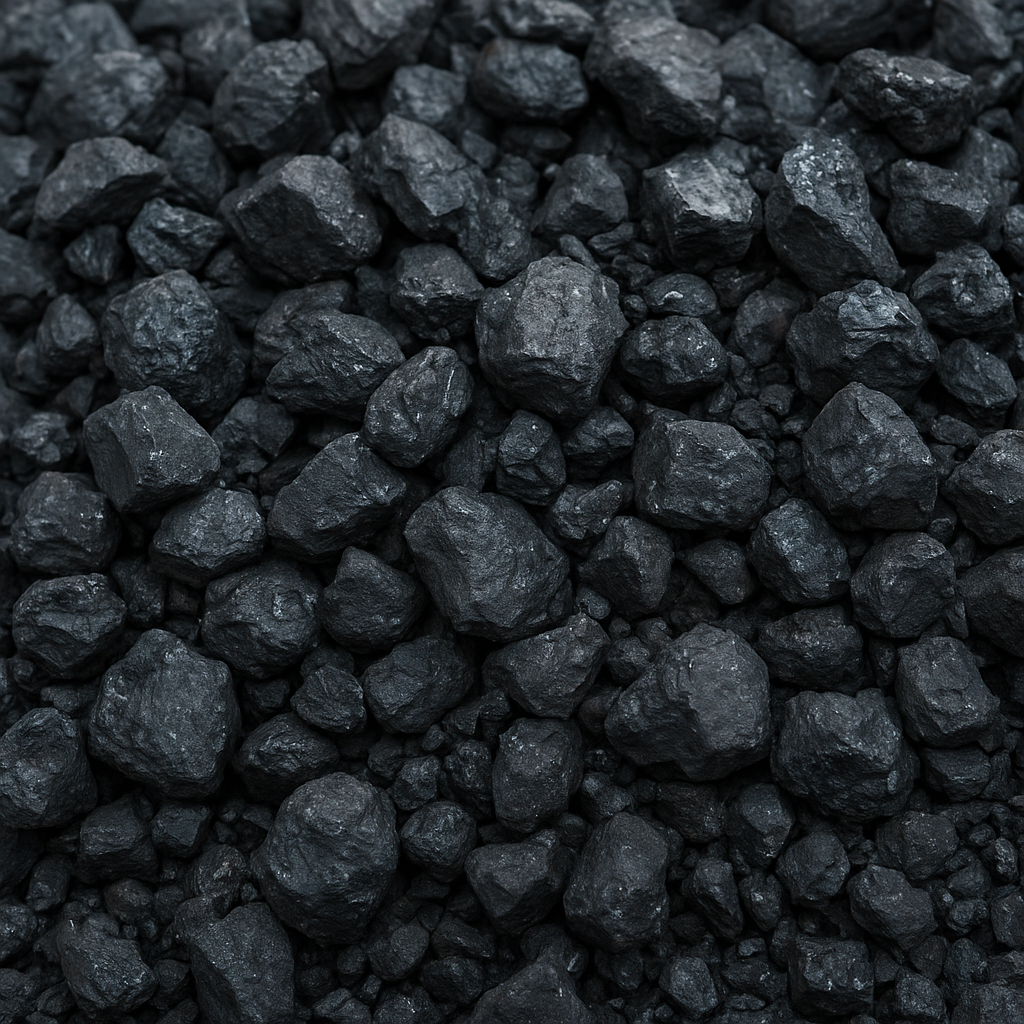
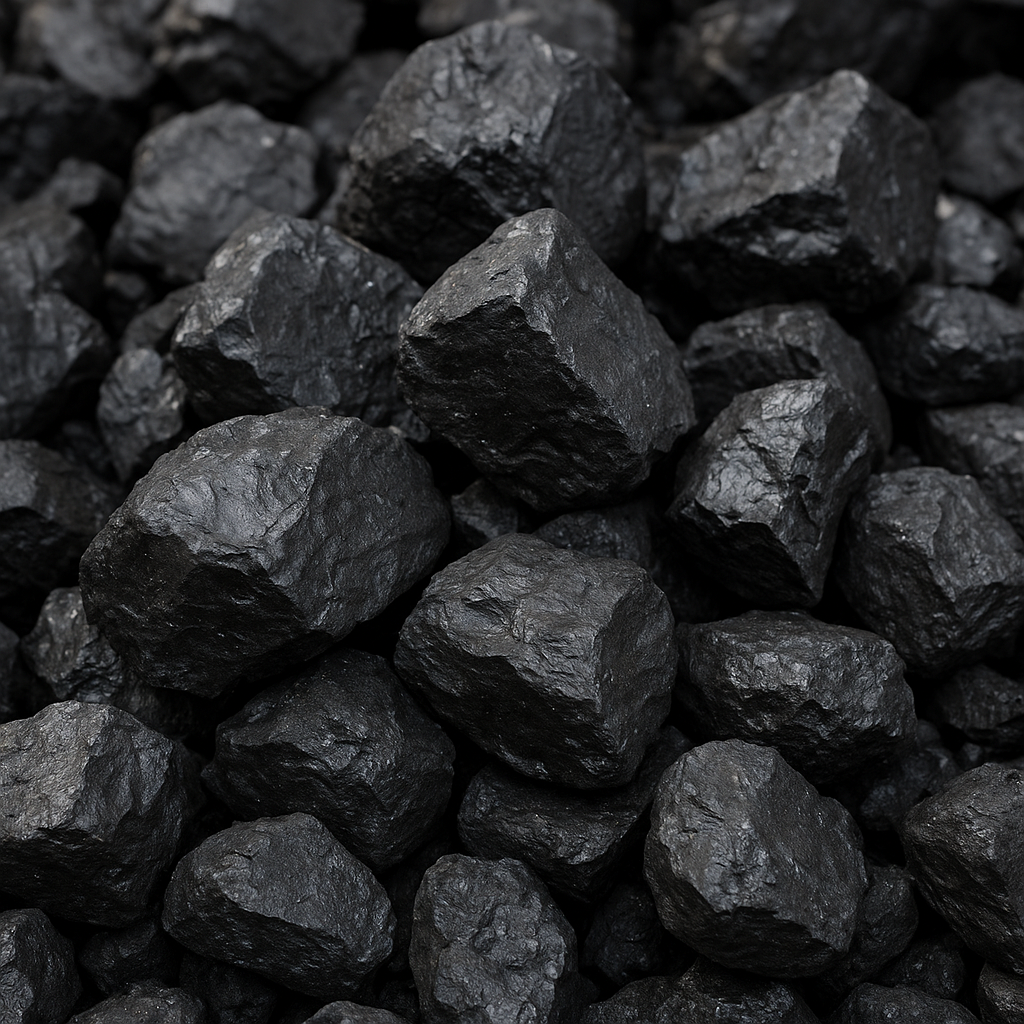
This article explores brown coal (commonly called lignite) in detail: its geological origins, where it is found and mined, its economic and industrial roles, statistical snapshots of production and consumption, environmental and social impacts, and technological developments shaping its future. The aim is to provide a comprehensive, balanced picture of a fuel that remains important for many energy systems while also being at the center of debates about climate, local environments and economic transitions.
Geology, formation and basic properties
Lignite is a type of low-rank coal formed from peat under conditions of relatively low pressure and temperature, representing an early stage in the coalification process that can progress through sub-bituminous and bituminous coal to anthracite. Key geological and physical characteristics include:
- High moisture content: Lignite typically contains between 30% and 60% moisture by weight in its natural state, which reduces its calorific value per unit mass.
- Low calorific value: On an as-mined basis the gross calorific value often ranges from roughly 8 to 20 MJ/kg (2,000–4,800 kcal/kg). Dried lignite has a substantially higher energy density.
- High volatile matter and relatively low fixed carbon compared with higher-rank coals; this influences combustion behaviour and emissions.
- Chemical composition commonly includes significant amounts of oxygen, humic substances and mineral impurities (ash), variable sulfur content, and trace metals.
- Because of its properties, lignite is generally used in mine-mouth power plants or after pre-treatment (drying, briquetting, gasification) rather than transported long distances in bulk as a primary export commodity.
Where lignite occurs and major mining regions
Lignite deposits are typically found in intermontane basins, foreland basins and large plains where peat swamp environments persisted during the late Tertiary and Quaternary. Major occurrences and active mining regions worldwide include:
- Germany: The Rhenish, Lusatian and Central German basins host large open-cast mines (e.g., Hambach, Garzweiler, Tagebau Inden, Jänschwalde). Germany has historically been one of the world’s largest producers of lignite.
- Poland: Significant basins include Bełchatów, Konin, Adamów and Turów. The Bełchatów mine is associated with one of Europe’s largest single lignite-fired power plants.
- Australia: Brown coal is abundant in the state of Victoria (Yallourn, Loy Yang), used mainly for domestic electricity generation.
- Central and Eastern Europe: Czech Republic, Greece, Bulgaria and Romania have substantial lignite resources used for power and district heating.
- Turkey: Large reserves of low-rank coal (lignite) supply domestic power plants and industry.
- United States: Lignite basins in North Dakota and Texas supply regional power plants; US lignite is important for grid baseload in some regions.
- Russia, Indonesia, Spain and parts of Asia and Africa contain economically important lignite deposits; Indonesia also produces low-rank coals that are exported in some grades.
Mining methods and infrastructure
Lignite is most often extracted by surface (open-pit or opencast) mining because deposits are relatively shallow and extensive. Common features of modern mining operations:
- Large-scale earthmoving equipment (bucket-wheel excavators, draglines, shovels and trucks) removing overburden and extracting seams.
- Mine-mouth power stations located adjacent to mines to minimize transport of low energy-density fuel.
- Extensive conveyor networks, beneficiation (drying, crushing), and in some cases briquetting or mild gasification facilities.
- Progressive land rehabilitation plans are often required by regulation or permits, though implementation quality varies by jurisdiction.
Economic, statistical and market perspective
Although lignite has a lower energy content per tonne compared with hard coal, its economics are shaped by local resource abundance and the low cost of mine-mouth fuel supply. Key economic aspects:
- Cost structure: Lignite’s delivered cost to a local power plant is often lower than imported higher-rank coal because of minimal transport, large-scale mining economies and sometimes government support.
- Energy security: Countries with large lignite deposits often consider it a strategic domestic fuel reducing dependence on imports.
- Employment and regional economies: Lignite mining and adjacent power generation can be major employers and tax bases in rural or post-industrial regions.
Statistical snapshot (approximate and context-sensitive):
- Global annual production of lignite and other low-rank coals is on the order of magnitude of ~1 billion tonnes (this varies year to year; lignite accounts for a significant share of non-coking coal production worldwide).
- Major producing countries historically include Germany, Russia, Poland, the United States, Australia, Turkey and Indonesia, along with several Central and Eastern European nations.
- Large single facilities: The Bełchatów coal-fired power plant in Poland (tied to the adjacent lignite mine) has a nameplate capacity of about 5,000 MW and has been among Europe’s largest single-site thermal generation sources.
- Electricity share: In some countries lignite supplies a large percentage of thermal generation — for example, specific regions of Germany and Poland have historically relied on lignite for a sizeable fraction of baseload electricity.
Because different sources classify coal types differently and because policy-driven phaseouts alter output quickly, precise country-by-country figures can change; however the overall picture is of a fuel that remains locally dominant in several countries even as global trends push toward decarbonization.
Industrial uses and technological adaptations
The primary use of brown coal is for electricity generation in thermal power plants. Other applications and technology trends include:
- Direct combustion in mine-mouth thermal power stations with specialized boilers (e.g., fluidized bed combustion) suited to high moisture and ash contents.
- Briquetting and drying: Mechanical or thermal drying and compaction to raise calorific value and reduce transport costs; dried lignite (or char) can be used more flexibly.
- Gasification: Lignite can be gasified to produce syngas for chemicals, fertilizers or electricity in integrated gasification combined cycle (IGCC) plants. Gasification may enable higher efficiency and better emissions control but is capital-intensive.
- Combined heat and power (CHP): In districts with heating demand, lignite plants can provide both power and district heating, improving overall fuel-use efficiency.
- Extraction of humic acids and use in agriculture, horticulture or soil conditioners. Lignite-derived materials also find niche uses in filtration or as precursors for activated carbon in some processes.
Technologies to reduce environmental footprint
- Pre-drying and fuel upgrading to raise thermal efficiency of combustion units.
- Advanced flue-gas cleaning systems for sulfur dioxide (FGD), nitrogen oxides (SCR), particulates (electrostatic precipitators, baghouses) and mercury control.
- Integration with carbon capture technologies (post-combustion capture, oxy-combustion, pre-combustion in gasification) — technically feasible but economically challenging; large-scale CCS deployment with lignite has been limited by costs and public acceptance.
- Conversion to biomass co-firing or fuel blending to reduce net CO2 intensity in the medium term.
Environmental, social and health impacts
Use of lignite has significant environmental and social consequences that must be weighed against its economic advantages:
- Greenhouse gas emissions: On a per-unit-energy basis, lignite combustion typically emits more CO2 than higher-grade coals because of lower energy density and higher moisture content. This makes lignite power a prominent source of carbon emissions in countries where it is widely used.
- Local pollution: Particulate matter, sulfur and nitrogen oxides, trace metals and mercury are key air quality concerns; modern emissions control can reduce but not eliminate these pollutants.
- Land use and biodiversity: Opencast mining permanently alters landscapes, removes soils and vegetation, and can fragment habitats. Post-mining rehabilitation is essential but may take decades to restore ecological function.
- Water impacts: Mines can lower groundwater levels, change surface water flows and require management of acidic or saline drainage. Water use by power stations and drying plants also stresses local resources.
- Social displacement: Expansion of mines has led to relocation of communities and loss of cultural heritage in several regions (notably in parts of Germany and Poland), generating conflicts and legal disputes.
- Health effects: Emissions and dust contribute to respiratory and cardiovascular diseases; monitoring and control are public health priorities around mining and power plant sites.
Examples of socio-environmental controversies include the legal and cross-border disputes over the Turów mine near the Czech-Polish border, and the high-profile protests and policy debates surrounding expansions of the Hambach and Garzweiler mines in Germany. In response to environmental and climate concerns, governments and industry are negotiating timelines for phaseouts and compensation for affected regions.
Policy, phaseout dynamics and socioeconomic transition
In many jurisdictions lignite is central to discussions about the pace and equity of the energy transition. Key policy and socioeconomic dynamics:
- Coal exit plans: Several European countries have adopted coal phase-out timelines; Germany’s commission proposed a national coal phase-out and large structural funds to support affected regions (the original target for lignite phase-out was 2038, with political debates about earlier dates).
- Just transition funds and employment programs: Because whole regions depend economically on lignite mining and power generation, national and EU-level packages have been established or proposed to finance economic diversification, retraining and infrastructure in former coal regions.
- Market pressures: Renewable generation, carbon pricing (EU ETS), and competition from gas and low-cost renewables make lignite plants less economically competitive in many electricity markets.
- Legal challenges: Cross-border legal action (e.g., by neighboring states) and national court disputes have at times compelled changes in mining permissions and operations.
Case studies and notable facilities
Bełchatów (Poland)
The Bełchatów mine and power complex is a notable example of large-scale lignite-based generation. The associated power plant has a nameplate capacity of roughly 5,000 MW and has been a major electricity supplier and one of the largest stationary CO2 emitters in Europe. The mine supplies the plant in a mine-mouth configuration that reduces transport costs but concentrates environmental impacts locally.
Rhenish mining area and Hambach (Germany)
Germany’s Rhenish lignite region around Aachen has been the site of expansive open-cast operations including Hambach and Garzweiler. These mines have driven intense public debate over landscape loss, forest clearing (notably Hambach Forest), and the pace of Germany’s energy transition. The region is a focal point for discussions about rehabilitation, relocation and carbon reduction.
Yallourn and Loy Yang (Australia)
Victoria’s brown coal deposits power major generation stations like Yallourn and Loy Yang. Australian brown-coal plants illustrate the technical challenge of operating high-moisture fuel-fired stations in a market increasingly influenced by renewables and emissions policy.
Future outlook: technology, markets and policy scenarios
The future role of lignite is shaped by interlinked technical, economic and policy drivers:
- Declining market share in many regions as renewables, energy storage and gas fill generation capacity and as carbon pricing penalizes high-emission fuels.
- Potential niche persistence where lignite supplies combined heat and power systems, industrial heat, or where logistical constraints and energy security priorities favour domestic fuel use.
- Technological pathways that could prolong use while reducing emissions: fuel pre-drying to improve plant efficiency, IGCC and CCS deployment (if costs and public acceptance permit), and co-firing with biomass or waste-derived fuels.
- Socioeconomic transition: The pace at which mining regions diversify economically, retrain workers and reclaim landscapes will determine political feasibility of phaseouts and the social acceptability of transition plans.
Interesting facts and lesser-known applications
- Lignite-derived humic substances are commercially extracted in some places for use as soil conditioners and fertilizer additives; these niche markets can valorize some low-grade coals.
- Because of the high moisture content, drying technologies that use low-grade waste heat from power plants can substantially increase the energy density of lignite and lower lifecycle emissions per MWh.
- Some lignite basins reveal rich palaeontological finds due to the depositional environments that formed the coal, offering insight into ancient ecosystems preserved in peat layers.
- Reclaimed opencast sites can be converted to lakes, recreation areas, industrial zones or restored habitats — examples in Germany and Central Europe show a range of post-mining futures, though ecological maturity and community benefit vary.
Conclusions
Brown coal remains an important domestic fuel in a number of countries because of its abundance, low direct fuel cost at mine-mouth plants and role in securing local electricity supplies and jobs. However, its low energy density and high greenhouse gas intensity make it a primary target for decarbonization policies. The coming decades are likely to see significant reductions in lignite-based generation in many regions, accompanied by complex socioeconomic transitions for mining communities, efforts to deploy emission-reduction technologies where feasible, and active debates about timelines for phaseout balanced against energy security and regional economies. Understanding the regional specifics — geological, economic and social — is crucial to crafting just and effective pathways away from high-emission lignite dependency while managing environmental rehabilitation and economic diversification.