This article explores the characteristics, geology, occurrence, extraction, economic importance and industrial uses of carbonaceous mudstone coal — a variety of organic-rich sedimentary material that often blurs the line between true coal seams and carbonaceous shales. The text reviews where these deposits are found, how they form, how they are exploited, and what role they play in contemporary energy systems and regional economies. It also discusses environmental considerations, statistical context for the broader coal sector, and technological or market developments that affect the value and fate of these resources.
Geology, Formation and Petrology
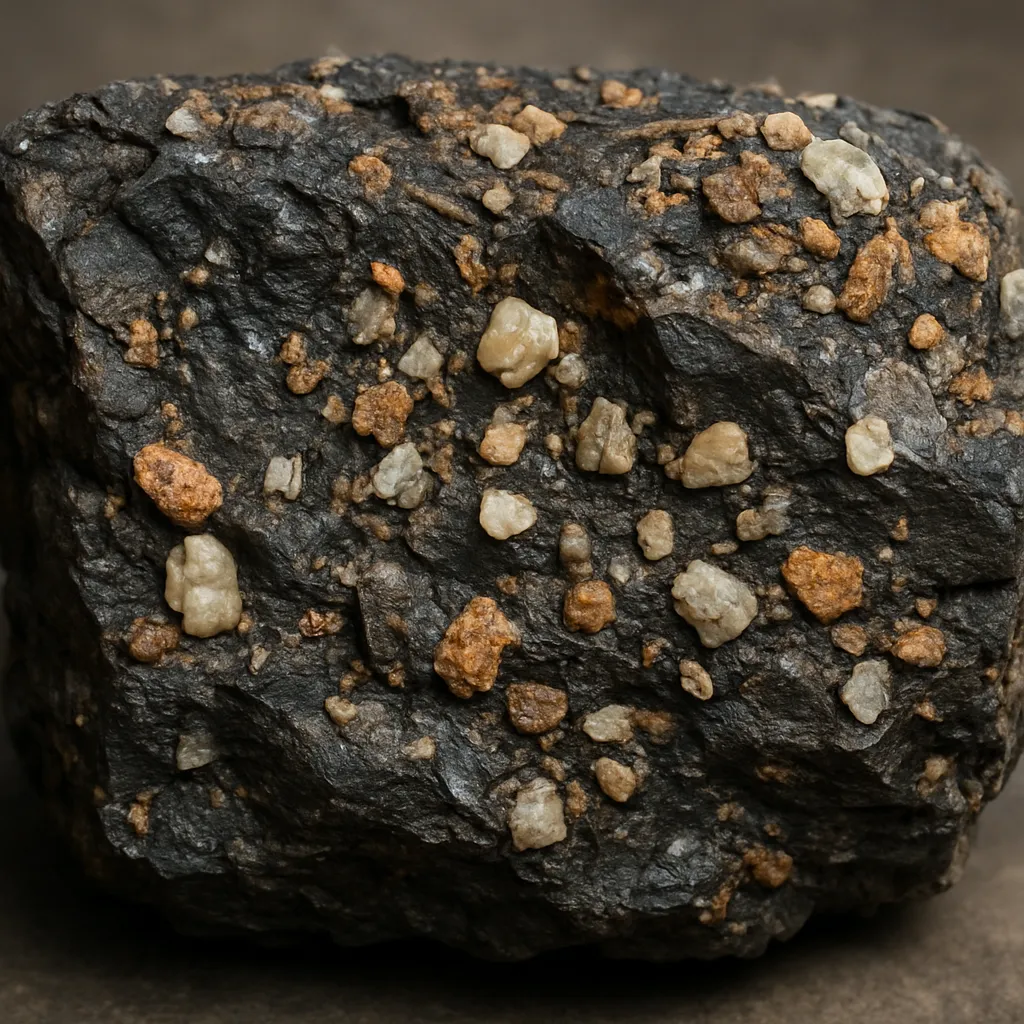
Carbonaceous mudstone coal refers to fine-grained sedimentary rocks rich in organic matter; in many cases the material grades continuously from organic-rich mudstone or shale into thin coal seams or coaly bands. The formation of such material is tied to depositional environments where plant debris accumulates under low-oxygen conditions — for example, broad coastal swamps, delta plains, lagoons and floodplain ponds. Over time, burial, diagenesis and progressive coalification transform accumulated plant material and organic-rich mud into low-rank coals or carbonaceous mudstones.
Key geological points:
- Organic accumulation: Fine-grained clastic sediments (silts and clays) trap plant debris and microbial remains. High water tables and restricted circulation lead to preservation of organic matter rather than oxidation.
- Coalification gradient: With increased burial temperature and pressure, organic-rich mudstones may evolve into lignite, sub-bituminous, or occasionally bituminous coals, depending on burial history. Many carbonaceous mudstones remain as low-rank materials because of limited burial or rapid uplift.
- Maceral composition: Petrographic study shows mixed macerals — vitrinite, inertinite and liptinite — plus dispersed mineral matter. The heterogeneity (sand/silt interbeds, clay) influences calorific value, grindability, and pollutant emissions during combustion.
- Geological settings: Deposits are typically associated with coal-bearing stratigraphic sequences of Carboniferous, Permian, and younger (Mesozoic to Cenozoic) basins. They are common in paralic and continental sedimentary environments.
Global Occurrence and Major Deposits
Carbonaceous mudstone coal occurs worldwide wherever peat-accumulating environments were later buried under fine clastic sediment. While many famous large coal seams are relatively pure, many coal basins worldwide also contain substantial volumes of carbonaceous mudstone interbeds and coaly mudstones that are mined either together with better coal or separately when economically viable.
Notable basins and regions where carbonaceous mudstones and coaly shales are common include:
- China: Multiple basins (e.g., Shanxi, Datong, Ordos) contain extensive sequences of coal-bearing strata with carbonaceous mudstones and thin coals. In some areas, carbonaceous mudstones are used locally for fuel or as a feedstock for industrial processes.
- Europe: The Carboniferous basins of the United Kingdom, Poland and the Czech Republic contain numerous carbonaceous mudstones and coaly bands within cyclothems. In Silesia and the Upper Silesian Coal Basin, coaly mudstones are common.
- Russia: The Kuznetsk Basin and other Permian/Carboniferous basins contain carbonaceous mudstone intervals associated with major coal seams.
- United States: In the Appalachian and Illinois basins, carbonaceous shales and coaly mudstones occur alongside thicker coal seams; similar materials are present in western lignite basins.
- Australia: Bowen and Sydney basins display coaly mudstones within coal measures; some carbonaceous shales are exploited for power in local contexts.
- Other regions: India, South Africa, and South America contain coal-bearing sequences where carbonaceous mudstones are present, though their economic importance varies by region.
Many of these carbonaceous mudstones are not prime metallurgical coal but can be used as thermal fuel, blended with higher-grade coals, or as feedstock for gasification, briquetting or soil amendments after beneficiation.
Mining, Extraction Methods and Industrial Processing
The mining of carbonaceous mudstone coal depends on seam thickness, continuity, and mineral matter content. Because these rocks often occur as thin beds or highly mixed sequences they can present technical challenges for conventional coal mining.
Extraction methods
- Surface mining: When carbonaceous mudstone forms part of a near-surface coal measure or is present in thick, laterally continuous strata, open-pit techniques (strip mining, surface coal mining) can be economical.
- Underground mining: In regions dominated by underground operations, mining techniques such as longwall or room-and-pillar may recover carbonaceous bands together with cleaner coal. Thin-seam mining and precision cutting are used where coaly bands are discontinuous.
- Small-scale and artisanal mining: In some developing regions, carbonaceous mudstone is extracted informally for domestic heating because of accessibility, despite lower heating values.
Processing and utilization
- Blending and washing: Beneficiation through washing, gravity separation or flotation can upgrade carbonaceous mudstones by reducing ash and sulfur levels and improving heating value.
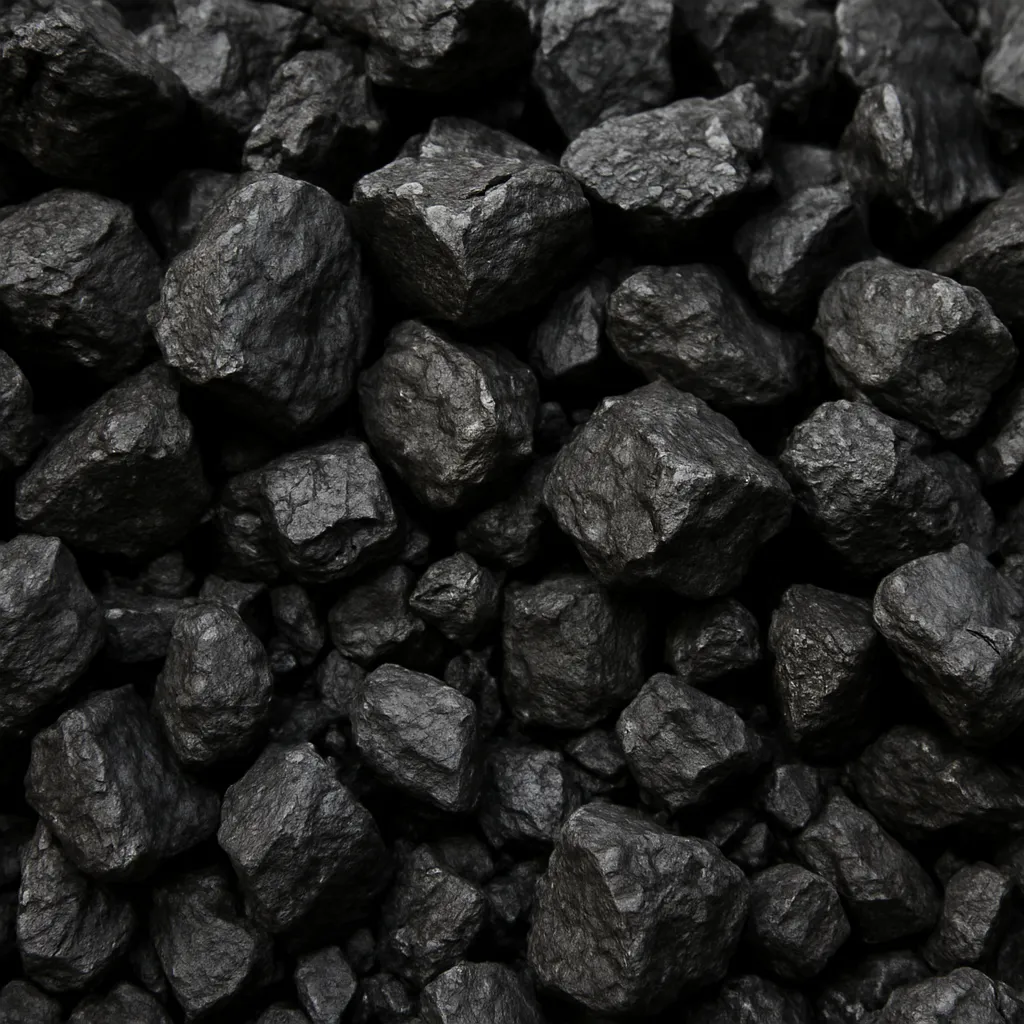
- Thermal use: Lower-ranked carbonaceous mudstones are primarily used as thermal fuels in power stations (when economically feasible), sometimes co-fired with higher-quality coals or biomass.
- Gasification and liquefaction: Gasification of organic-rich mudstones produces syngas for power, chemicals or synthetic liquid fuels; while not yet widespread, the technology provides a pathway for lower-quality materials.
- Extraction of hydrocarbons and gases: Some carbonaceous shales overlap with shale-gas plays; organic-rich mudstones can host adsorbed methane or be candidates for coalbed methane and shale gas development.
Economic Importance and Market Context
While most market attention focuses on higher-grade thermal and metallurgical coals, carbonaceous mudstone coal contributes to energy supply and local economies, particularly in regions lacking higher-grade alternatives. Its economic significance can be evaluated on several levels:
- Local energy security: For many small utilities, cement plants and industrial operations, low-rank carbonaceous mudstones are an affordable, locally sourced fuel that reduces transport costs and dependence on imports.
- Price sensitivity: Because of lower calorific value and higher ash, carbonaceous mudstones typically sell at a discount relative to higher-rank coals. Prices are sensitive to washing costs, emissions regulation, and availability of substitutes like natural gas.
- Employment and regional economies: Mining and associated processing create jobs in mining regions; in certain basins, coaly mudstones are part of the broader coal industry that supports services, transport and manufacturing.
Global coal market statistics provide context for how materials like carbonaceous mudstones fit into the energy mix. As of the mid-2020s, approximate figures include:
- Global coal production: on the order of roughly 7–8 billion tonnes per year (primary coal output), with annual variation due to economic cycles and policy changes.
- Major producers: China produces roughly half of world coal output, with other important producers including India, the United States, Indonesia, Russia and Australia. These countries host basins that also contain carbonaceous mudstones.
- Electricity generation share: Coal accounts for about one-third of global electricity generation in recent years, though the share is declining in some regions and rising temporarily in others depending on gas prices and policy.
Note that carbonaceous mudstone coal rarely commands the premiums associated with coking coals used in steelmaking; its primary market is lower-value thermal applications unless upgraded.
Environmental and Regulatory Considerations
Environmental concerns related to carbonaceous mudstone coal mirror those of coal in general but can be magnified by higher ash, moisture and heterogeneity. Key issues include greenhouse gas emissions, air quality impacts, water management and land disturbance.
- Greenhouse gases and carbon intensity: Combustion of coal is a major source of CO2. Even after accounting for lower heating value, low-rank materials can emit comparable or higher CO2 per unit of useful energy than higher-quality coals. Coal-fired power plants are one of the principal contributors to energy-related CO2 emissions globally.
- Air pollutants: Carbonaceous mudstones often have higher ash and trace element content (e.g., mercury, arsenic). Proper gas-cleaning and ash handling are essential to limit emissions of particulates, SO2 and toxic elements.
- Water and waste: Mining and beneficiation produce water effluents and solid wastes (tailings, ash). Fine-grained carbonaceous materials can lead to acid rock drainage or release of soluble metals if sulfide minerals are present.
- Rehabilitation and land use: Surface mining of coaly mudstones requires land reclamation plans. Reuse of spent mine land for agriculture, forestry or recreation is practiced in many jurisdictions, though rehabilitation costs can be significant.
Regulatory frameworks that place limits on CO2 emissions (carbon pricing, emissions trading, or direct limits), and stringent air quality standards, can reduce demand for low-grade fuels or push operators to invest in emissions controls and carbon capture.
Statistical Observations and Trends Specific to Low-Rank and Carbonaceous Materials
While detailed, globally harmonized statistics for carbonaceous mudstone as a distinct commodity are scarce, several observable trends shape their significance:
- Demand fluctuation with energy prices: When natural gas prices rise or supply is constrained, utilities may switch to locally available low-grade coals and coaly mudstones to reduce costs.
- Technological improvements: Advances in washing, briquetting and gasification enhance the usability of carbonaceous mudstones, increasing their economic viability in some markets.
- Decline in developed markets: In regions with strong climate policies and cheap gas or renewables, demand for any form of coal is declining. This trend reduces the long-term outlook for exploitation of marginal carbonaceous resources in those markets.
- Regional resilience: In developing economies with abundant coal basins and limited alternatives, carbonaceous mudstones remain part of the energy matrix, particularly where transportation infrastructure limits coal imports.
Quantitatively, lower-rank coals and coaly wastes may represent a non-trivial fraction of recoverable coal resources in many basins. For energy planners and investors, the crucial metrics are calorific value (kcal/kg or MJ/kg), ash percentage, sulfur content, moisture and trace elements — these determine marketability and required processing investments.
Industrial Uses, Value-Added Applications and Innovation
Beyond direct combustion for electricity or heat, carbonaceous mudstone coal has several potential industrial applications that may improve economic returns or reduce environmental impact:
- Gasification and chemical feedstock: Gasification produces syngas, which can be converted into chemicals, fertilizers, hydrogen or liquid fuels. This route can make use of lower-grade feedstocks if the scale and plant economics are favorable.
- Coal-to-liquids and coal-to-gas: Strategic applications in regions with limited oil and gas resources have historically driven CTL/CTG projects; high capital costs and environmental concerns limit widescale adoption.
- Soil amendment and carbon sequestration: Stabilized coaly materials can be used in certain soil applications or as a medium for storing carbon (biochar-like approaches), though careful testing is required to avoid mobilizing contaminants.
- Material recovery: In some cases valuable trace elements or rare metals are associated with carbonaceous shales and could be recovered as by-products, enhancing project economics.
Challenges, Opportunities and Future Outlook
Key challenges for the future of carbonaceous mudstone coal include environmental regulation, competition from cheaper or cleaner fuels (natural gas, renewables), and the technical costs of beneficiation. Nevertheless, several opportunities may sustain use in particular niches:
- Local energy security and fuel diversity remain drivers for use where transport costs make imports uneconomical.
- Upgrading technologies and carbon management (carbon capture and storage) could make low-grade resources acceptable in a decarbonizing world if costs fall.
- Integration with industrial processes (cement, metallurgy) that can accept lower-grade fuels while controlling emissions may preserve demand in the medium term.
Practical considerations for stakeholders:
- Investors and mine planners should evaluate the full cost of beneficiation, ash disposal and emissions compliance when valuing carbonaceous mudstone deposits.
- Policymakers must weigh local economic benefits against global climate commitments and public health impacts from air pollution.
- Communities and regulators can benefit from strict environmental baselines and monitoring to ensure mining and use do not impose disproportionate health or ecological costs.
Concluding Remarks
Carbonaceous mudstone coal occupies an intermediate position between pure coal seams and organic-rich shale. Its value depends heavily on local geology, processing costs and market conditions. In many parts of the world these materials remain an important part of the fuel mix for power generation and industry, especially where alternatives are limited. At the same time, the global push toward decarbonization, and increasing regulatory pressure to control air pollutants, requires adaptation — through improved cleaning, advanced utilization technologies such as gasification, or by redirecting resources into non-combustion uses where feasible. The story of these coaly mudstones illustrates the broader tensions facing coal in the 21st century: abundant and regionally important, yet environmentally challenged and increasingly contested in global markets.