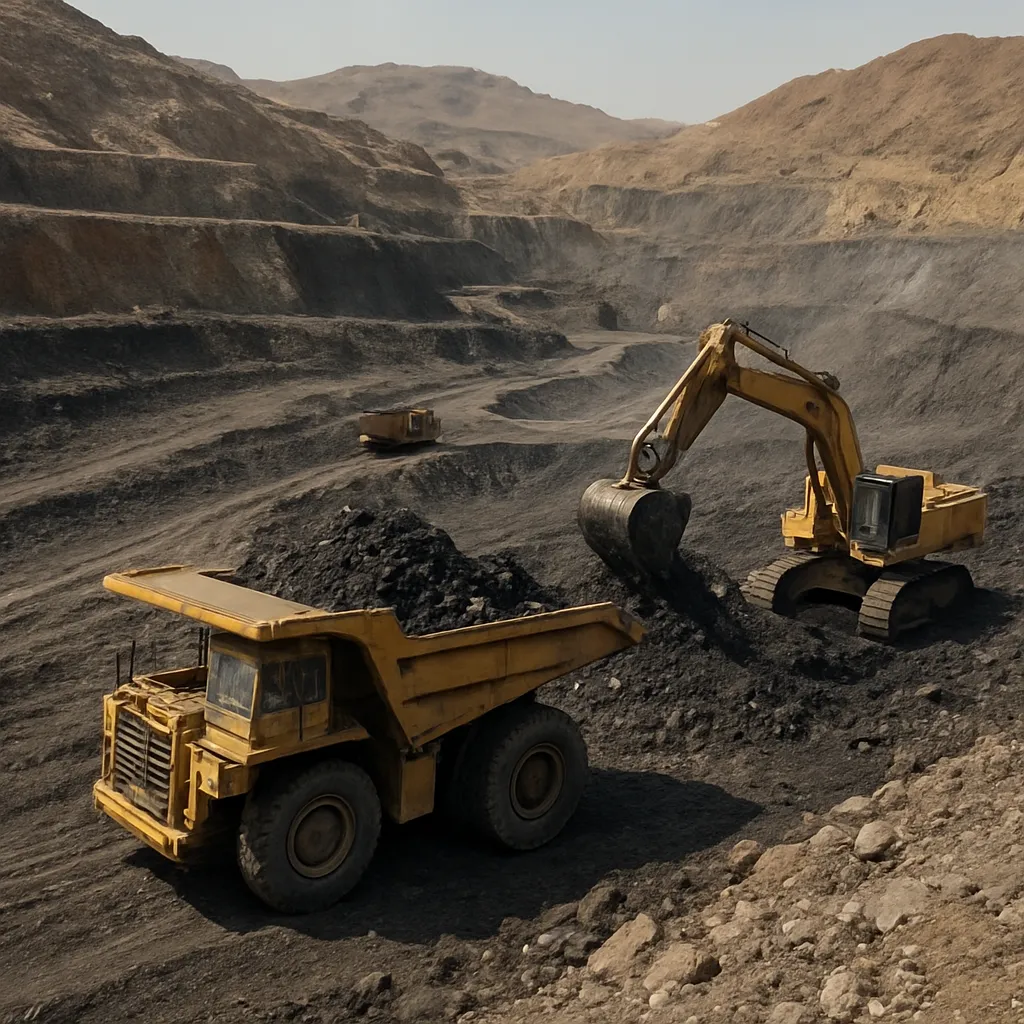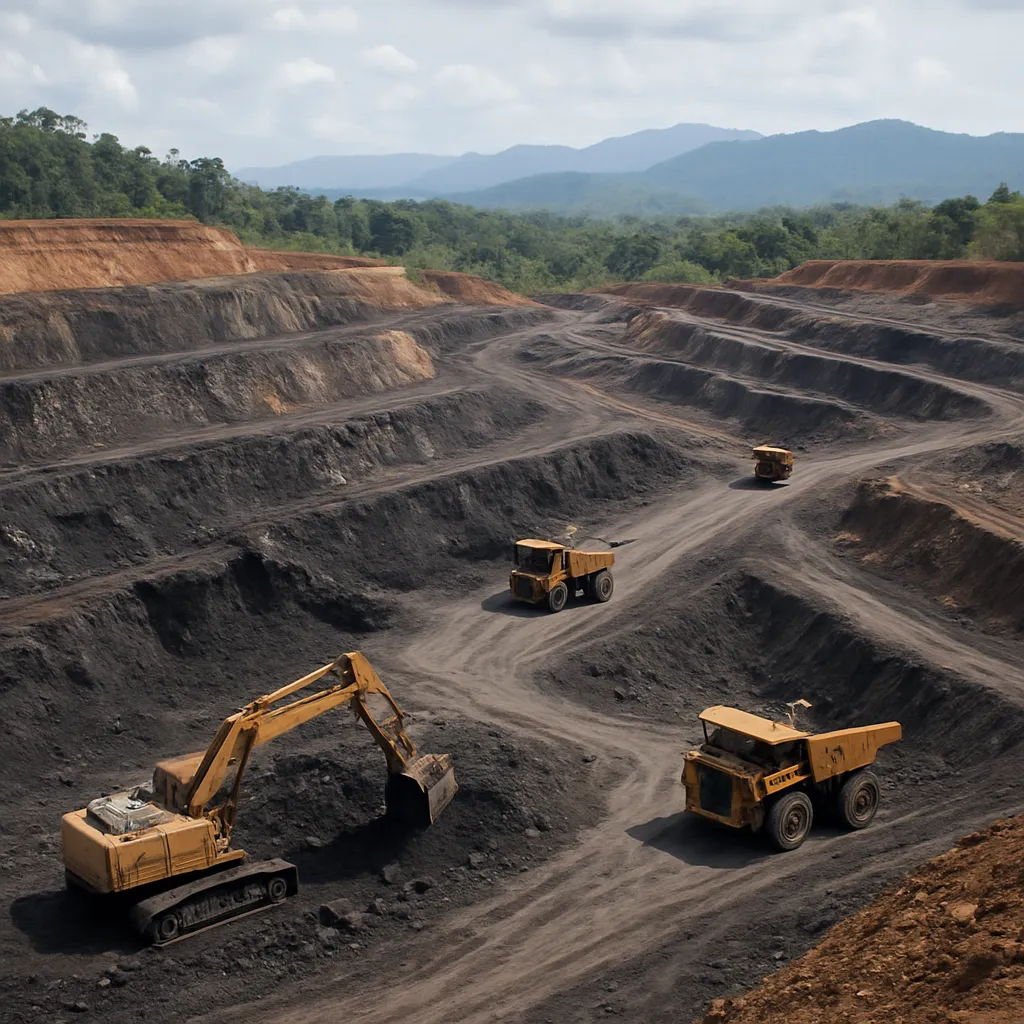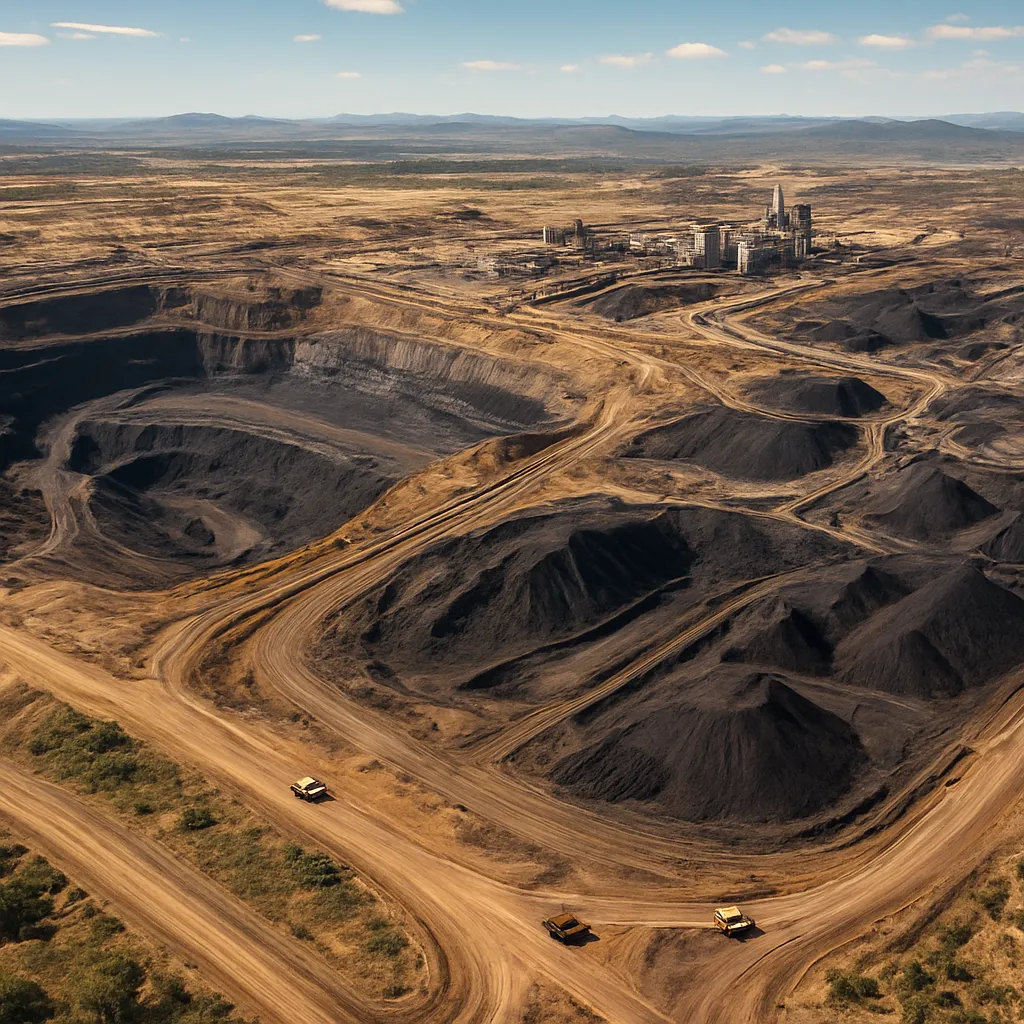
The following article provides a comprehensive overview of the Moranbah North East coal mining area in Queensland, Australia. It describes the mine’s geographic setting, the type and quality of coal extracted, the mining methods in use, and the broader economic and industrial significance of the operation. The text also discusses environmental management, community impacts, production statistics where available, and likely future directions for the mine and the region. Throughout the article several important terms are emphasized to guide the reader’s attention to key concepts and facts.
Location and Geological Setting
Moranbah North East is part of the broader Moranbah mining precinct, situated in central Queensland within the prolific Bowen Basin. The Bowen Basin is one of Australia’s most important coal-bearing regions, hosting numerous mines that produce both thermal and metallurgical coal. The Moranbah cluster lies in the Isaac Region, which has developed into a major coal-mining hub serving domestic and international markets.
Geologically, coal seams in the Moranbah area belong to the Permian-aged coal measures that make up the Bowen Basin strata. These seams are known for yielding high-quality metallurgical coals suitable for steelmaking. Coal seams in the Moranbah region often display characteristics of relatively high carbon content, low ash, and favourable coking properties—qualities that position them well in international coking coal markets.
Coal Type and Quality
The Moranbah North East operation produces primarily metallurgical coal, with a focus on higher-value grades such as hard coking coal and pulverised coal injection (PCI) coal. These coal types are essential feedstocks for blast furnaces and other steelmaking processes, where coal’s volatile and fixed carbon characteristics influence coke strength and furnace efficiency.
Key quality attributes commonly associated with Moranbah-area coal include:
- Low ash content relative to many thermal coals;
- Strong coking properties—good coke strength and stability;
- Moderate to low sulphur levels, improving suitability for stringent environmental standards in steel production;
- Consistency across lots, which helps secure long-term supply contracts with international steelmakers.
These attributes underpin the coal’s market position and support its premium pricing relative to thermal coal. Buyers typically include steel producers in East Asia (Japan, Korea, China, Taiwan) as well as regional steelmakers in Southeast Asia.
Mining Methods and Operational Practices
Moranbah North East operations utilise modern underground mining methods, primarily longwall mining where geological conditions permit. Longwall mining is widely used in the Bowen Basin for extracting continuous coal seams with high efficiency and relatively low surface footprint compared with large open-cut operations.
Typical features of the mine’s operational approach include:
- Longwall panels—large, mechanised cutters shear coal from a face while hydraulic supports control roof movement;
- Continuous conveyors and undercut systems to move coal from the face to the surface and onto railheads;
- Emphasis on mechanisation and the adoption of remote monitoring and control systems to improve safety and productivity;
- Comprehensive geotechnical monitoring to manage subsidence and maintain ground stability above and around workings.
Safety systems, ventilation controls, and methane management programs are critical elements of underground operations. Mines in the Moranbah area typically invest in monitoring and gas drainage to keep underground air quality within regulatory limits and reduce explosive gas hazards.
Economic Significance and Regional Impact
Moranbah North East forms part of a group of mines that contribute significantly to the economies of the Isaac Region and Queensland as a whole. The region benefits from direct employment, service-sector work, and a network of suppliers that support mining activities. At the state level, coal royalties, corporate taxes, and export revenues from mining are important contributors to public finances.
Major economic impacts include:
- Employment: The mine and the associated supply chain provide hundreds of direct jobs and many more indirect and induced positions across transport, maintenance, contracting, and community services.
- Export earnings: Metallurgical coal commands premium prices on world markets, delivering substantial foreign exchange to Australian exporters.
- Regional development: Infrastructure investment (roads, power, communications) and community funding from mining companies support local services, schools, and hospitals.
- Government revenues: Royalties and taxes provide funds for state-level projects and public services.
While precise annual revenues fluctuate with global coal prices and production volumes, the Moranbah operations are regarded as high-value contributors to Australia’s metallurgical coal sector. The Bowen Basin itself is a cornerstone of Australia’s export coal industry, and Moranbah North East sits within that strategic economic context.
Production Statistics and Historical Performance
Detailed production figures for Moranbah North East vary by year and operator reporting. Historically, mines in the broader Moranbah area have recorded annual production in the multi-million tonne range. Production volumes depend on the extent of working longwall panels, the number of operating faces, and market-driven cutbacks or ramp-ups.
Representative production and capacity features for Moranbah-area operations (indicative, not exhaustive):
- Annual production volumes for a single underground mine in the area commonly range between 3 and 8 million tonnes, depending on capacity and panel scheduling;
- Proven and probable reserves for a substantial mine in the Bowen Basin often exceed tens of millions of tonnes, with some sites reporting >100 million tonnes of extractable coal across the life-of-mine planning horizon;
- Export routing typically uses coastal export terminals in central Queensland—ports near Mackay such as Hay Point and Dalrymple Bay—to reach key Asian markets.
It is important to treat specific numbers with caution unless taken from the most recent operator or regulatory disclosures. Annual reports and Queensland government resources provide the most authoritative and up-to-date figures on tonnage, reserve estimates, workforce numbers, and financial performance.
Supply Chain and Markets
Coal from Moranbah North East feeds directly into global steel supply chains. Typical supply chain steps include:
- On-site processing and loadout, where ROM (run-of-mine) coal is washed and blended to meet contract specifications;
- Rail haulage across the Bowen Basin rail network to coastal export terminals;
- Bulk shipping to steel producers and traders in major consuming countries.
The coal’s metallurgical quality makes it attractive to blast-furnace steelmakers and increasingly to producers using co-injection systems. Buyers value reliability, consistent product specification, and the logistical efficiency offered by established Australian mines.
Environmental Management and Rehabilitation
Environmental management is a core component of modern mining operations. Moranbah-area mines operate under Queensland environmental approvals that require plans for water management, progressive rehabilitation, biodiversity protection, and air quality monitoring.
Key environmental focus areas include:
- Water management: separation of surface run-off, treatment of mine-affected water, and reuse where feasible to reduce freshwater withdrawals;
- Rehabilitation: progressive closure planning and rehabilitation of disturbed land to agronomic or ecological end states as approved with regulators;
- Biodiversity offsets: where impacts to habitat cannot be avoided, offset programs are developed in coordination with government agencies;
- Emissions control: monitoring and management of particulate matter and methane emissions, with investment in mitigation technologies;
- Subsidence management: predicting and managing surface impacts from longwall extraction to protect infrastructure and ecological values.
Many companies operating in the Bowen Basin report ongoing investments in sustainability initiatives, including energy efficiency measures, water recycling, and community environmental programs. Rehabilitation outcomes and post-mining land uses are key indicators regulators and communities watch closely during a mine’s life.
Safety, Technology and Workforce
Underground mining carries inherent risks, and safety performance is a constant priority. Over recent decades the industry has made strides through technology adoption, training, and stricter regulatory oversight. Important trends for Moranbah-area operations include:
- Automation and remote operation: increasing use of remotely operated longwall equipment and automated materials handling to reduce worker exposure to high-risk tasks;
- Real-time monitoring: continuous geotechnical, gas, and environmental sensors to support faster decision-making and hazard mitigation;
- Workforce training: emphasis on multi-skill training, fly-in fly-out (FIFO) rostering systems, and local hiring when possible to support community employment;
- Safety management systems: formal safety management frameworks, incident reporting, and investigative practices to drive continuous improvement.
The workforce typically includes coal-face operators, maintenance crews, geotechnical engineers, environmental specialists, and a wide network of contractors. Mines in the region also engage in apprenticeships and vocational partnerships with local education providers to develop skills locally.
Community Relations and Social License
Maintaining strong community relations is crucial. Mining operations near Moranbah invest in community programs, infrastructure support, and local procurement initiatives to maintain their social license to operate. Typical community engagement includes sponsorship of local events, funding for community facilities, scholarships, and health or education initiatives.
Engagement with Traditional Owners and Indigenous communities is also an important aspect of project development and ongoing operations. Companies commonly put in place Indigenous participation plans, employment and training programs, and cultural heritage management agreements to respect and protect cultural values.
Regulatory Framework and Royalties
Mines in Queensland operate under a framework of state and federal regulations covering environmental approvals, mining leases, workplace safety, and native title obligations. The Queensland government collects royalties on coal extraction, which contribute to state budgets. Environmental performance is overseen by state regulatory agencies, and approvals often require detailed plans for rehabilitation, monitoring, and community consultation.
Future Prospects and Strategic Considerations
Outlook for Moranbah North East is shaped by several intersecting factors:
- Global steel demand: sustained demand for steel, particularly in Asia, supports long-term demand for high-quality coking coal;
- Price volatility: metallurgical coal prices can be volatile, influenced by global supply/demand dynamics, geopolitical events, and alternative material technologies;
- Decarbonisation pressures: the steel industry’s drive to reduce carbon intensity may shift product demand patterns and spark investment in lower-emissions steelmaking technologies, potentially affecting long-term coal requirements;
- Resource life and exploration: ongoing exploration and mine planning determine life-of-mine extensions and reserves replacement; many Bowen Basin operations plan decades ahead with staged extraction and rehabilitation;
- Technological change: greater automation, electrification of mine fleets, and methane capture could alter operational costs and environmental footprints.
Proactive planning by operators, regulators, and communities will influence how Moranbah North East adapts to technological, market, and environmental changes over coming decades.
Statistical Snapshot (Indicative)
The following snapshot highlights representative indicators relevant to Moranbah-area mining. These figures are indicative and should be validated against the latest operator annual reports, Queensland government publications, and trade data for precise planning or reporting needs.
- Production range: typical single-mine output in the area can range from 3–8 million tonnes per annum, depending on configuration and market conditions.
- Reserves: many established Bowen Basin mines report tens to hundreds of millions of tonnes of life‑of‑mine reserves under proven and probable classifications.
- Employment: direct workforce at a large underground mine often numbers in the several hundreds, with indirect employment supporting broader regional economies.
- Export markets: primary customers are steel producers in East and Southeast Asia, reached via Queensland bulk coal terminals.
Interesting Facts and Context
Several broader facts help place Moranbah North East into context:
- Bowen Basin’s role: the Bowen Basin is a globally significant source of metallurgical coal, and Moranbah’s mines are key contributors to that status.
- High-value commodity: metallurgical coal typically trades at a premium relative to thermal coal due to its essential role in steel production.
- Local hub: the town of Moranbah acts as an administrative and service hub for surrounding mines, with infrastructure and services tailored to support mining operations and their workforces.
- Innovation drivers: the region has been a focus for piloting mining automation, predictive maintenance, and advanced environmental management systems.
Summary
Moranbah North East is an integral element of central Queensland’s coal-mining landscape, producing high-quality metallurgical coal used in steelmaking. Located in the Bowen Basin, the operation leverages modern underground mining techniques such as longwall extraction and benefits from well-established logistics to export markets. Economically, the mine supports local employment, contributes to regional development, and helps sustain Australia’s position in global coal markets. Environmental management, continuous improvement in safety, and adaptation to technological and market changes will shape the mine’s future role. For precise up-to-date statistics—production tonnages, reserve statements, workforce numbers, and financial data—consult the latest operator disclosures and Queensland government mining and resources publications.