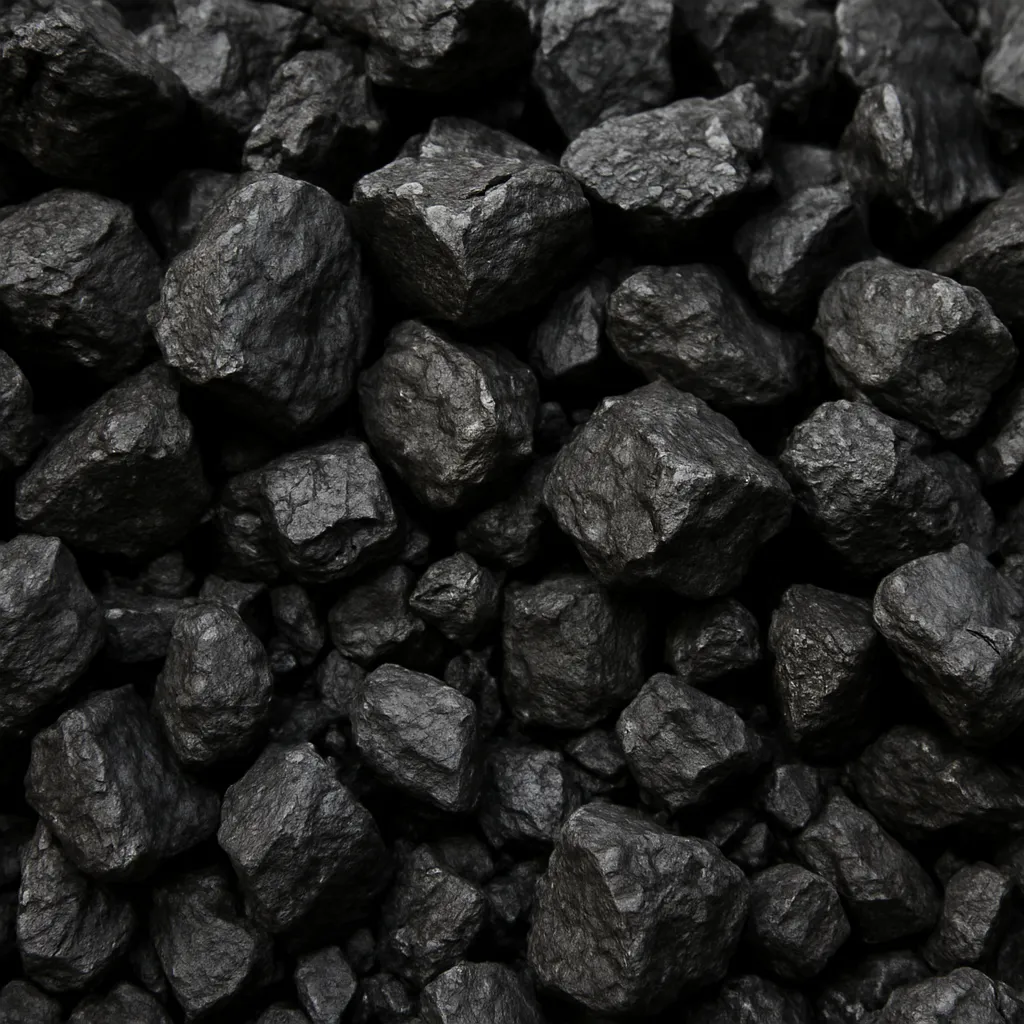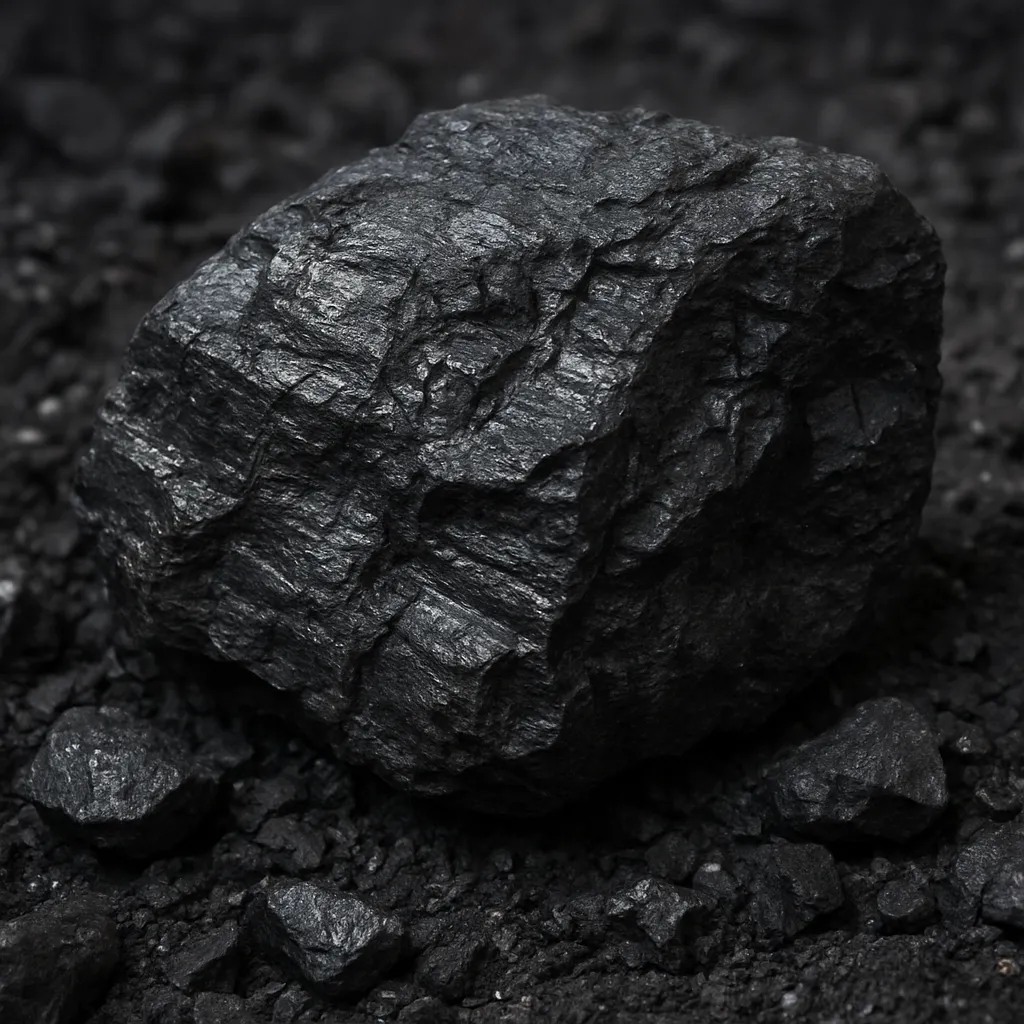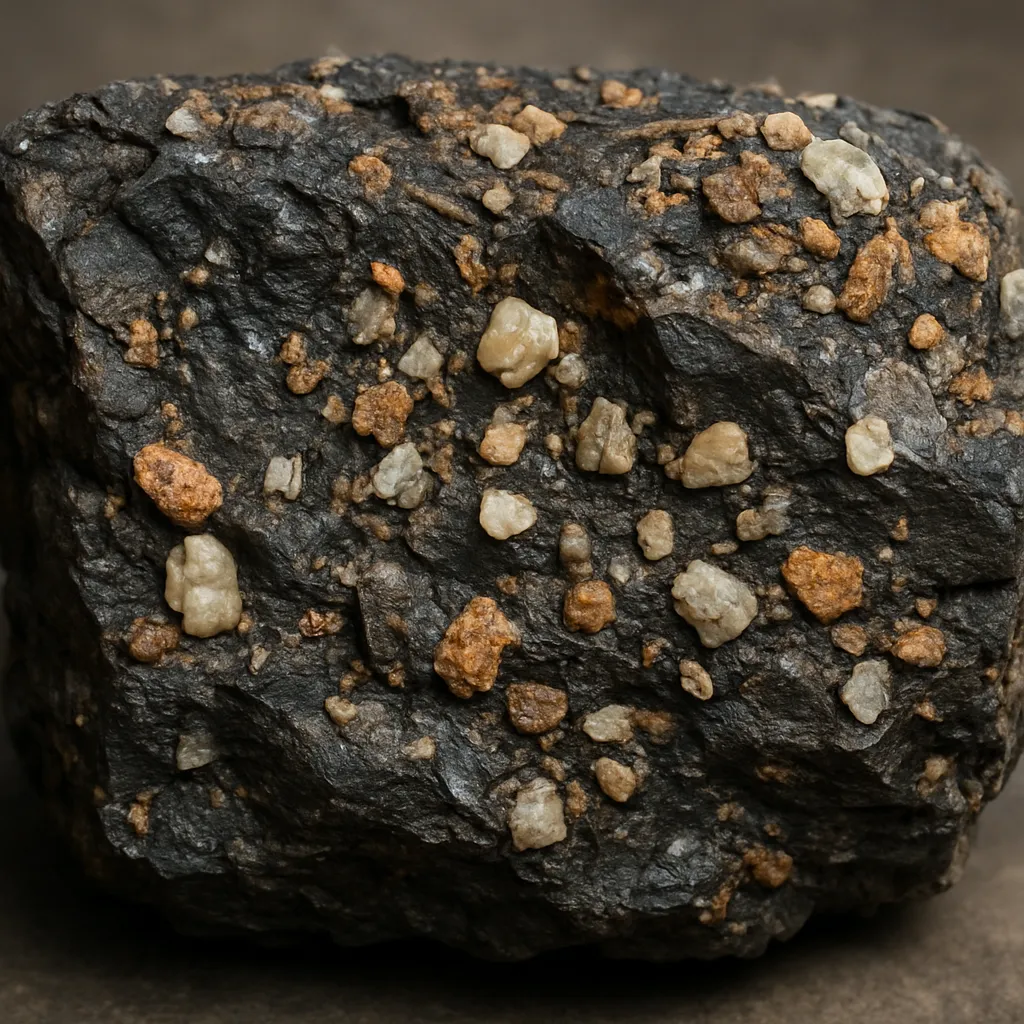
Mineral-rich lignite, often called brown coal, represents a distinctive and economically significant subset of low-rank coals distinguished by unusually high contents of inorganic matter and accessory minerals. Unlike higher-rank coals that are prized for calorific value, mineral-rich lignites are notable for their complex mineralogy, elevated ash yields and the presence of valuable trace elements such as rare earth elements (REEs) and certain metals. This article examines the geology, global distribution, mining and processing, economic importance, industrial applications, and environmental challenges associated with mineral-rich lignite, and discusses emerging technologies and future prospects.
Geology, Composition and Unique Mineralogy
Lignite forms in peat-accumulating environments where partial diagenesis converts plant material into coal under relatively low temperature and pressure. Mineral-rich lignites are distinguished by a higher proportion of detrital and authigenic minerals incorporated during peat formation or introduced during burial. Typical mineral components include clay minerals (kaolinite, illite, smectite), quartz, calcite and dolomite, pyrite, gypsum, siderite and various phosphate and sulfate phases. In many deposits, mineral-rich lignite also contains elevated concentrations of trace elements and potentially valuable metals.
Key chemical and physical traits of mineral-rich lignite:
- High moisture content (often 30–60%), which lowers calorific value compared with higher-rank coals.
- High ash yield; mineral-rich lignites can have ash contents from 20% up to 50% or more depending on the deposit.
- Elevated concentrations of sulfur (both organic and mineral-bound) and chlorine in some seams.
- Enrichment in trace elements: mercury, arsenic, lead, cadmium, and in some cases elevated concentrations of rare earth elements (REEs), uranium and thorium.
- Presence of authigenic minerals produced by diagenetic processes (e.g., siderite, pyrite, jarosite).
The discovery that some lignites concentrate REEs and other critical elements in the organic matrix and ash has spurred renewed scientific and commercial interest. In several deposits, ash derived from burning lignite can contain REE concentrations on the order of a few hundred parts per million (ppm)—levels that make recovery technically feasible under favorable economic and regulatory conditions.
Where Mineral-rich Lignite Occurs and Where It Is Mined
Mineral-rich lignite occurs worldwide, typically in Cenozoic basins with abundant peat formation and episodic siliciclastic input. Major occurrences and active mining regions include Europe (Germany, Poland, Greece, Turkey, Bulgaria), North America (United States), Asia (China, Indonesia, India), Australia and parts of Russia and Ukraine. The character of lignite varies by region: some deposits are relatively clean with low mineral content, while others are heavily mineralized, often reflecting input from nearby terrigenous sources or local groundwater chemistry.
Notable deposits and mines
- Germany — The Lusatia (Lausitz) and Rhenish basins (e.g., Garzweiler, Hambach) historically produced some of Europe’s largest lignite volumes. German lignites exhibit variable mineral contents; many seam zones are mineral-rich and have been the subject of studies on trace element and REE concentrations.
- Poland — The Bełchatów mine is one of the world’s largest open-pit lignite operations, supplying the massive Bełchatów power station. Polish deposits frequently have mineral-rich intervals and influence national electricity supplies and regional economies.
- Greece — Western Macedonia (Ptolemais–Amynteo basin) contains lignite with variable ash and mineral contents used predominantly for power generation.
- Australia — The Latrobe Valley in Victoria is famous for extensive brown coal deposits; while Latrobe coal is generally low in mineral matter, other Australian basins (e.g., in Queensland) contain mineral-rich low-rank coals.
- United States — Major lignite deposits in North Dakota, Texas and Montana supply regional power plants; U.S. lignites show a broad range of mineralogy and trace-element content.
- China and Indonesia — Both countries host extensive low-rank coals and lignites that vary from relatively clean to heavily mineralized, supporting large domestic power sectors and industrial usage.
- Turkey and Bulgaria — Significant lignite reserves used for domestic electricity generation; mineral content is often substantial in some basins.
Mining methods and scale
Mineral-rich lignite is typically extracted by large-scale open-pit mining because seams are often near-surface and extensive. Conventional methods include bucket-wheel excavators, conveyor systems, and in some settings, draglines. Underground mining occurs in a few regions where overburden or environmental constraints limit surface operations. Typical mine productivity at major operations ranges from several million tonnes per year to tens of millions of tonnes per year; for example, the largest open-pit lignite mines supply tens of millions of tonnes annually to adjacent power plants.
Economic and Industrial Importance
Despite low heat content compared with higher-rank coals, mineral-rich lignite plays important roles in regional energy systems, industrial processes and raw-material supply chains. Its economic significance includes electricity generation, district heating, raw material for chemical conversion, and—as emerging technologies develop—sources of critical elements.
Electricity generation and heating
The principal use of lignite is for onsite electricity generation in large thermal power plants sited adjacent to mines to minimize transport of low-energy-density fuel. These mine-mouth power plants have historically provided reliable baseload electricity in several countries, offering fuel security and local employment. Lignite is also used in combined heat and power (CHP) installations supplying district heating for industrial complexes and urban areas.
Economic implications:
- Low transport costs due to proximity of mines to power stations reduce total delivered fuel costs despite low calorific value.
- Large mine-mouth plants can deliver competitive electricity prices in regions with abundant lignite reserves.
- Employment and regional GDP: mining and power generation create substantial local employment and supply-chain activity (equipment, logistics, maintenance).
Industrial feedstock and niche uses
Beyond combustion, lignite can serve as a feedstock for conversion technologies:
- Gasification to produce synthesis gas (syngas) for chemicals or liquid fuels.
- Liquefaction processes to produce liquid hydrocarbons (historically of interest during fuel shortages).
- Production of briquettes and dried fuel pellets for industrial or residential heating after drying and densification.
- Use of lignite-derived fly ash and bottom ashes in cement, bricks, and construction fills when chemically suitable and environmentally managed.
Emerging mineral resource value
One of the most transformative developments is the recognition that mineral-rich lignite and its combustion residues can host elevated concentrations of rare earth elements and other critical metals. Research and pilot projects in Europe, China and the United States have investigated extracting REEs from lignite ash or leachates. If economically developed at scale, such recovery could create a new revenue stream and reduce reliance on primary mining of hard-rock REE deposits.
Scale and statistics (estimates and trends)
Global lignite production and consumption figures vary by source and year, but general patterns include:
- Global production of lignite and sub-bituminous coal combined is on the order of several hundred million to around one billion tonnes per year in recent decades, with significant interannual variability.
- Major producing regions include Europe (notably Germany and Poland historically), the United States, China, Indonesia and Australia.
- In some countries, lignite historically supplied a significant share of domestic electricity (in extreme cases, up to one-third or more of generation in regions heavily dependent on mine-mouth power plants), though shares have changed with policy and market shifts.
Because national energy policies, coal markets and environmental regulations have evolved rapidly over the last decade, production volumes and the economic role of lignite are dynamic. Several European countries have enacted phase-out schedules for coal-fired generation, directly impacting lignite demand.
Environmental, Health and Social Impacts
Mineral-rich lignite brings a set of environmental and public health challenges. Compared with higher-grade coals, lignite combustion releases more CO2 per unit of electricity because of lower energy density and higher moisture, unless mitigated by advanced technologies. The mineral and trace-element content leads to additional environmental considerations for air emissions, ash management and water quality.
Air emissions and greenhouse gases
Lignite-fired power plants typically emit more CO2 per megawatt-hour than plants burning higher-rank coals or natural gas. They may also produce significant emissions of sulfur oxides (SOx), nitrogen oxides (NOx), particulate matter, mercury and other hazardous air pollutants depending on mineral composition and control systems. Modern flue-gas desulfurization, selective catalytic reduction (SCR) and particulate controls reduce these emissions, but baseline emissions remain a policy concern.
Ash, trace elements and water impacts
High ash yields translate to large volumes of fly ash and bottom ash that require management. Mineral-rich lignite ashes can concentrate heavy metals, REEs and other trace elements, creating both an obligation to manage potential contaminants and an opportunity to recover valuable components. Poorly managed ash ponds and disposal sites have caused groundwater contamination incidents in some regions.
Land disturbance and reclamation
Open-pit lignite mining transforms landscapes dramatically, creating large pits, spoil heaps and altered hydrology. Progressive reclamation and land-use planning can restore ecosystems, agricultural lands or recreational areas, but reclamation is expensive and takes decades. Social impacts include displacement of communities in some cases, changes in local economies as mines open and later close, and conflicts over land rights and environmental protection.
Public health and socio-political issues
Communities near lignite mines and power plants may experience elevated exposures to particulate matter, heavy metals and sulfur compounds. Politically, lignite mining has sparked controversy: debates about employment, energy security and economic dependency are often juxtaposed with climate commitments and public health concerns. The EU’s coal-phase out processes, local protests (e.g., against mine expansions), and international investor pressure reflect these tensions.
Technologies for Mitigation and Added Value
Technological solutions aim either to reduce environmental impacts (decarbonization, emissions control, reclamation) or to extract additional value (resource recovery, fuel upgrading). Key approaches include:
- Pre-drying and upgrading: Thermal drying and densification (e.g., hot briquetting) raise the calorific value of lignite, lowering transport costs and improving combustion efficiency.
- Efficient combustion technologies: Circulating fluidized bed (CFB) units and ultra-supercritical designs adapted for low-grade coals help increase efficiency and reduce emissions.
- Gasification and polygeneration: Integrated gasification combines power generation with chemical production, potentially integrating carbon capture.
- Carbon capture and storage (CCS): CCS deployment on lignite plants is technically feasible but expensive; pilot projects have assessed CO2 capture from lignite-fired plants as part of decarbonization strategies.
- Trace element and REE recovery: Hydrometallurgical and leaching techniques can extract valuable elements from ash or coal itself, though economic viability depends on concentrations, processing costs, and regulatory frameworks.
- Land remediation and reuse: Progressive backfilling, soil amendments, mine-water treatment and ecosystem restoration convert exhausted sites into lakes, parks or agricultural land.
Policy, Market Trends and Future Prospects
The future of mineral-rich lignite is shaped by the intersection of energy policy, climate commitments, technology costs and market dynamics. Several interrelated trends deserve attention:
- Decarbonization pressures: National and international climate goals are driving reductions in coal use, including lignite. This trend is eroding long-term demand in regions with strong policy commitments to net-zero emissions.
- Local economic dependence: Regions that rely on lignite for employment and energy security face complex transitions. Managed phase-outs, worker retraining, and economic diversification are central policy challenges.
- Technological opportunities: Advances in upgrading, gasification, CCS and REE recovery could prolong the economic life of some lignite operations or transform waste products into valuable feedstocks.
- Commodity price and competitiveness: Natural gas prices, renewables costs, and carbon pricing influence the competitiveness of lignite-fired generation.
- Geopolitical supply security: In some countries, lignite remains attractive for energy independence, reducing reliance on imported fuels.
Practical scenarios for lignite’s future range from managed decline in carbon-constrained economies to continued local reliance where economics and policy favor domestic fuel use. In parallel, niche industrial applications and resource recovery from mineral-rich lignite and ash may create specialized markets that partially offset reduced combustion demand.
Interesting Case Studies and Regional Notes
Several cases illustrate how mineral-rich lignite intersects with economics, policy and innovation:
Bełchatów, Poland
The Bełchatów complex (mine and power plant) is among the world’s largest lignite-powered generating hubs. The operation has been central to Poland’s electricity supply and regional employment. Environmental concerns and EU climate policies have prompted discussions about the plant’s future, modernization measures and potential diversification of the local economy.
German Rhenish and Lusatian Basins
Germany’s extensive open-pit lignite mining shaped entire landscapes and local labor markets. Decisions to phase down coal-fired generation and mine operations by specific dates required complex political compromises, funding mechanisms for worker transition and ambitious land restoration programs. Additionally, German research into REE recovery from lignite and ash illustrates a pivot toward extracting value from existing coal infrastructures.
Latrobe Valley, Australia
The Latrobe Valley’s brown coal resources powered much of Victoria’s electricity for decades. Debates over station closures, rehabilitation of mine sites and transition of local economies have been prominent amid Australia’s evolving energy mix and growing renewable deployment.
Conclusions and Forward-Looking Observations
Mineral-rich lignite occupies a complex niche: it is a lower-grade fuel with environmental challenges, yet it also underpins regional energy systems, supplies industrial needs, and offers emerging opportunities for value recovery from mineral and trace-element contents. The balance between these roles is shifting under the pressure of climate policy, technological change and commodity markets.
Key takeaways:
- Mineral-rich lignite is characterized by high moisture, high ash and enriched mineral and trace-element content, including sometimes economically interesting concentrations of REEs.
- It remains important for baseload electricity in regions with large, accessible deposits and mine-mouth power plants, but faces long-term demand decline in jurisdictions committed to decarbonization.
- Environmental impacts—greenhouse gases, air pollutants, ash management and landscape alteration—are significant and require mitigation through technology and policy.
- Technologies for upgrading fuel quality, capturing emissions, gasifying coal for chemicals, and extracting critical elements from ash may reshape the value proposition for mineral-rich lignite.
- Socioeconomic transitions in lignite-dependent regions are a priority: workforce retraining, economic diversification and responsible reclamation are essential to equitable change.
Mineral-rich lignite therefore represents both a challenge and an opportunity: a challenge because of environmental and health impacts and an opportunity because of its potential role in secure regional energy systems, feedstock supply chains and novel mineral recovery pathways. The coming decades will determine whether evolving technologies and policies can convert that potential into sustainable, economically viable outcomes.