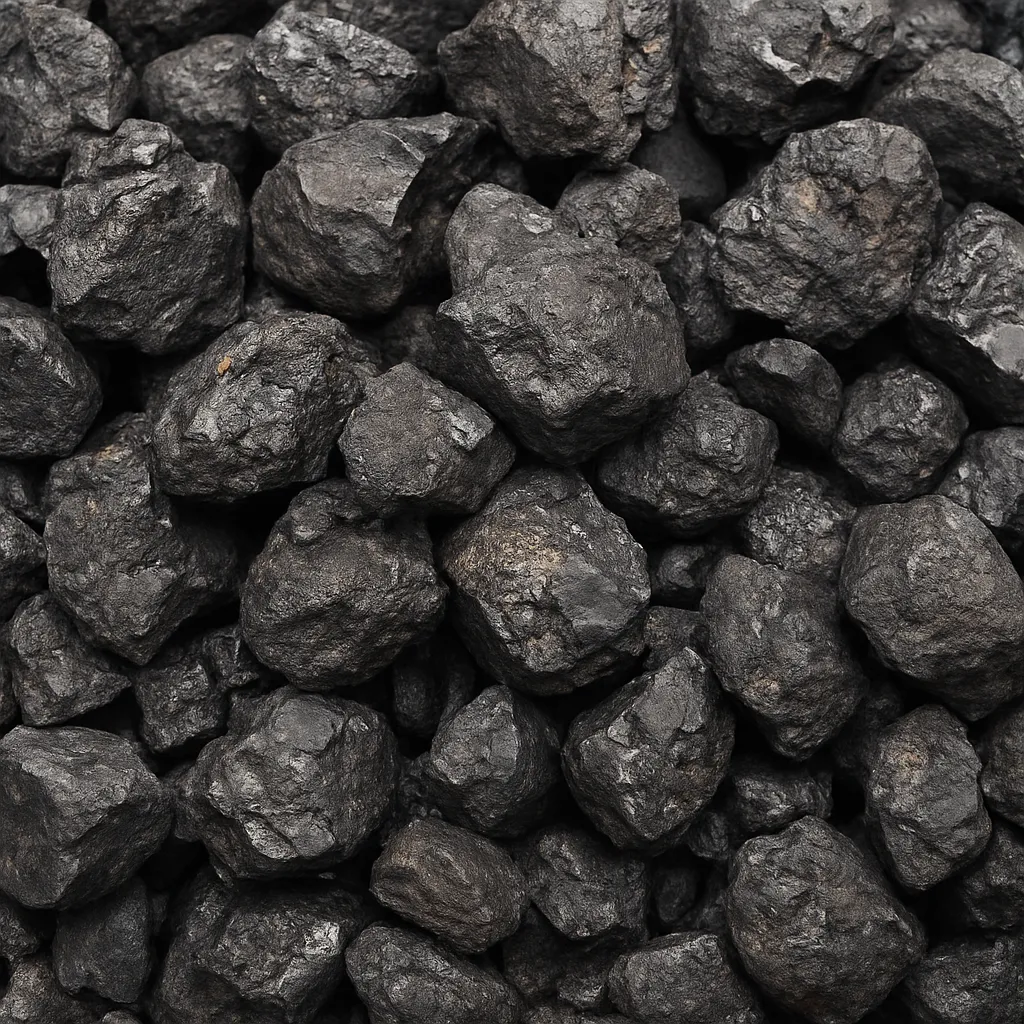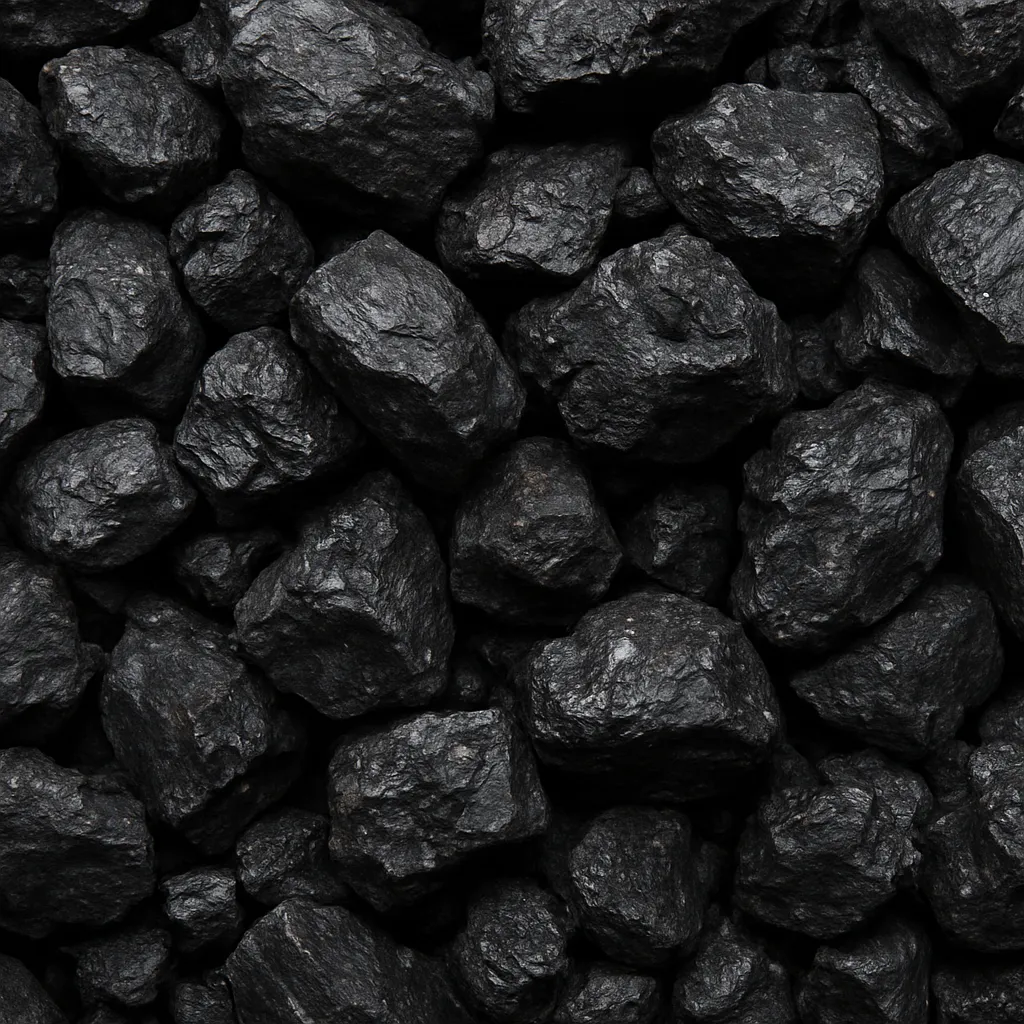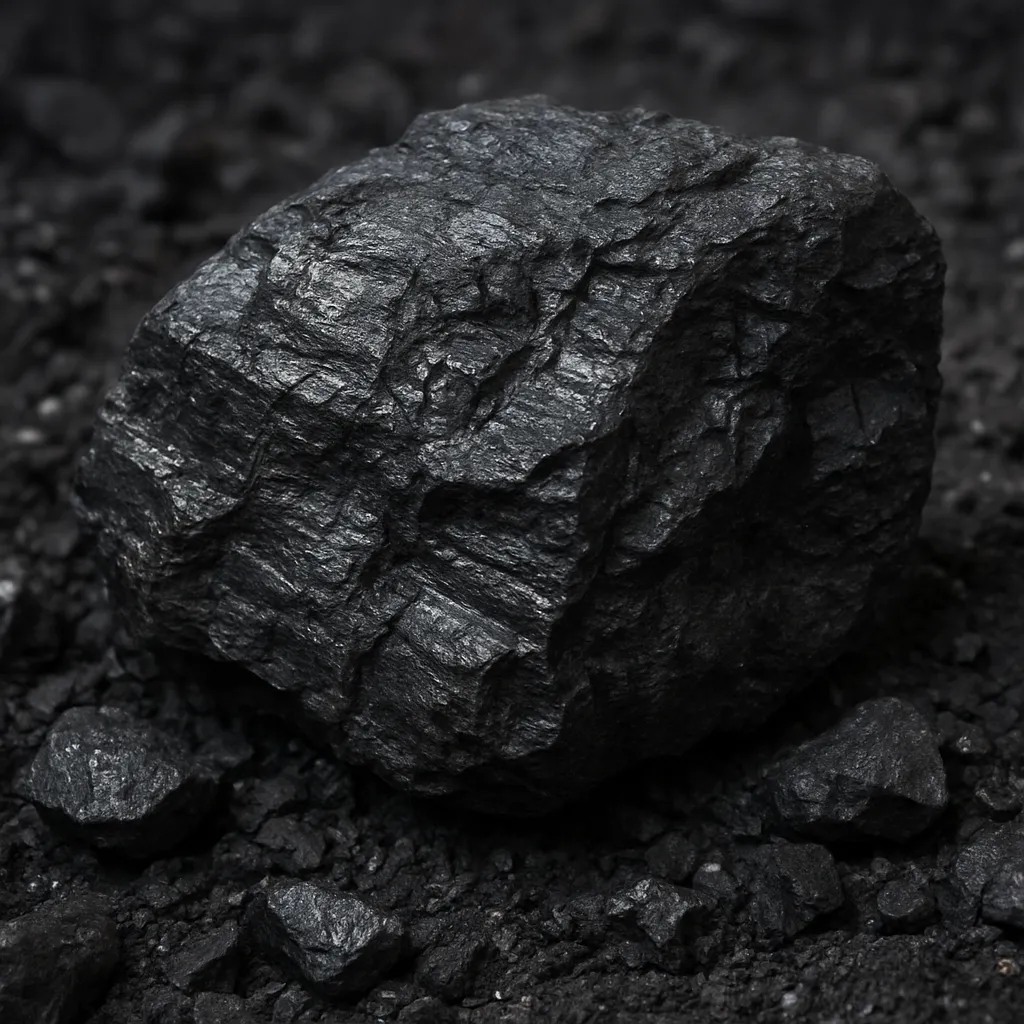
High-mineral coal — sometimes referred to as high-ash or mineral-rich coal — is a category of coal notable for its elevated proportion of non-combustible constituents. These mineral components influence the coal’s calorific value, combustion behavior, environmental footprint and market value. This article reviews the geology, global occurrence, technical characteristics, economic and industrial significance, environmental challenges and future prospects of high-mineral coal. It is intended for professionals, students and policy-makers seeking a comprehensive overview of this important but often underappreciated segment of the coal resource base.
Definition, composition and formation
High-mineral coal is characterized by a large proportion of inorganic matter relative to organic carbon. The inorganic portion is typically measured as ash produced during combustion or as mineral matter determined by chemical and mineralogical analyses. Mineral matter in coal includes clay minerals (kaolinite, illite), quartz, pyrite (iron sulfide), carbonates (calcite, dolomite), and various trace minerals that contain elements such as arsenic, mercury, lead and selenium.
The genesis of high-mineral coal commonly reflects depositional and post-depositional processes. Coal forms from accumulation of plant material in peat-forming environments; proximity to terrigenous input (rivers, floods, wind-blown dust) leads to incorporation of mineral grains and clays. Subsequent diagenesis and burial metamorphism can further modify mineralogy: chemical reactions may concentrate pyritic sulfur; tectonic deformation can introduce silica-rich veins; and groundwater movement can precipitate carbonates or mobilize trace elements. Basin architecture, climate, sediment supply and peat mire dynamics together determine how mineral-rich a coal seam becomes.
Where high-mineral coal occurs and where it is mined
High-mineral coal is a global phenomenon, but its prevalence varies by basin, rank and regional geology. Coal basins with strong terrigenous sediment input or with long exposure to groundwater interactions tend to host seams with higher mineral content. Major regions where high-ash or mineral-rich coals are common include South Asia (notably India), parts of China, certain basins in South Africa, some Russian seams, and many deposits in Eastern Australia. Low-rank brown coals and lignites in parts of Europe and Indonesia can also carry high mineral loads depending on local depositional conditions.
- India: Domestic coal resources are frequently characterized by high ash content—many domestic thermal coals average in the range of 30–45% ash in run-of-mine material—making India a prominent user and developer of beneficiation for mineral-rich coal.
- China: Large-scale production includes coals with widely varying ash contents. In some northern and northwestern basins, coals with elevated mineral content occur and are used regionally after appropriate preparation.
- South Africa: Certain coalfields contain seams with considerable rock partings and mineral inclusions affecting their suitability for different industries.
- Russia and Australia: While both countries produce many high-quality coals, specific basins include seams with higher mineral content that require processing or are used in appropriate applications.
- Indonesia and parts of Southeast Asia: Some low-rank coals and interbedded seams have significant mineral matter; however, exporters often blend to meet international specifications.
Where high-mineral coal is mined depends on the intersection of resource availability, market demand and the capacity for beneficiation. In many developing countries, domestic power generation relies heavily on local high-ash coals because they are abundant and cheaper than imported low-ash alternatives. In contrast, export markets often demand lower-ash products, so mineral-rich coals either undergo processing or are blended or diverted to local industries (cement, brickmaking, gasification) where ash is less penalized.
Physical and chemical characteristics
The technical behavior of high-mineral coal differs from cleaner coals in several critical ways:
- Lower calorific value (energy per unit mass): Minerals contribute mass but not combustible energy, reducing heating value and increasing fuel consumption per unit of energy output.
- Higher slagging and fouling tendency: Certain mineral assemblages (e.g., alkali sulfates, iron-bearing minerals) can melt or bond under combustion temperatures, forming slag on furnace surfaces and fouling heat exchangers.
- Greater ash handling needs: Higher ash volumes mean larger ash disposal systems, more handling costs and possibly higher particulate emissions without adequate controls.
- Trace element behavior: Minerals can host or adsorb trace contaminants such as mercury, arsenic, selenium and lead; combustion releases and partitioning among fly ash, bottom ash and flue gases depend on mineralogy and combustion conditions.
- Beneficiation potential: Some mineral matter is removable by physical separation (dense media separation, jigs, spirals) while clay-bound mineral matter may be less amenable to washing.
Laboratory analyses used to characterize these coals include proximate and ultimate analysis (moisture, ash, volatile matter, fixed carbon, elemental composition), petrographic analysis (maceral composition), mineralogical methods (X-ray diffraction, scanning electron microscopy) and trace element assays. The interplay of rank, maceral composition and mineralogy determines how a high-mineral coal will perform in industrial applications.
Processing, beneficiation and utilization pathways
Upgrading mineral-rich coal to improve its marketability or combustion performance can involve several techniques:
- Coal washing (physical beneficiation): Using differences in density between mineral matter and coal to separate and remove heavy mineral particles. This is effective for many stone partings and discrete mineral grains but less so for clay minerals intimately associated with coal macerals.
- Dry beneficiation and de-ashing technologies: Air jigs, electrostatic separation and triboelectrostatic methods can reduce ash without water, useful in water-scarce regions.
- Chemical leaching and solvent extraction: Targeted for removing specific contaminants (e.g., pyritic sulfur) though more costly and limited in industrial deployment.
- Thermal and chemical conversion: Gasification and liquefaction can convert low-grade, mineral-rich coals into syngas, chemicals or liquid fuels; ash becomes an immobilized residue but processing costs are high.
- Blending: Combining high-mineral coal with low-ash, higher-grade coals to create a composite fuel meeting pulverized coal unit or coking requirements.
End uses often reflect the coal’s quality. Thermal electricity generation is the largest consumer globally, and many power plants are designed or adapted to burn higher-ash fuels with appropriate boiler design, ash handling systems and emission controls. Industries such as cement manufacturing are relatively tolerant to high-ash fuels because the ash can be incorporated into the product as a partial raw material. Metallurgical uses (coking, metallurgical coke) generally require low ash and specific volatile matter and sulfur contents, so high-mineral coals are less suitable unless heavily upgraded or blended.
Economic and market considerations
High-mineral coal is often priced lower than low-ash coal because of its reduced heating value and increased handling and environmental compliance costs. However, the economics are context-dependent:
- For regions with abundant mineral-rich reserves and limited access to imports, high-mineral coal can be economically attractive due to proximity and lower transportation costs; domestic power plants and industries frequently adapt to these fuels.
- Investment in beneficiation plants (coal washery, dry separation) can raise product quality and export potential, but capital and operating costs must be justified by market premiums for cleaner coal.
- External costs — air pollution control, ash disposal, health impacts — may be borne by utilities, governments or society; when internalized through regulation or carbon pricing, they can further tilt markets away from high-ash coal.
- Logistics: Because ash adds bulk but not energy, transport costs per unit of delivered energy increase, often making high-ash coal less attractive for long-distance shipments.
Global context: Global coal production in recent years has been on the order of several billion tonnes annually (typically in the 7–8 billion tonnes range), with thermal coal comprising the majority used for electricity generation and heat. The share of high-mineral coals within that total varies by region and is significant in countries relying on indigenous coal supplies with limited beneficiation capacity. In many developing economies, a large fraction of domestic coal used for power and industry is mineral-rich, which shapes national energy strategies and infrastructure investments.
Industrial significance and sectoral uses
High-mineral coal plays important roles across several sectors, often beyond simple power generation:
- Power generation: Many coal-fired power plants are designed to tolerate higher ash content; retrofit options include improved burners, enhanced furnace design, and advanced flue gas cleaning systems.
- Cement and lime industries: These sectors can utilize high-ash coals as both fuel and partial raw feed because ash can act as a silica or alumina source in clinker formation.
- Gasification and chemical feedstock: Integrated gasification combined cycle (IGCC) plants and coal-to-chemicals facilities can accept lower-grade coal, turning it into syngas for downstream synthesis.
- Non-energy uses: Coal ash, if properly managed, can be used in construction materials (concrete, bricks, road base), although trace element mobility must be controlled.
It is important to note that while high-mineral coal is often seen as lower-value, its abundance in many regions means it underpins energy security and industrial activity. Strategic investments in processing, emission control and product integration can extract value from these resources while mitigating environmental liabilities.
Environmental and health impacts
High-mineral coal presents particular environmental challenges:
- Increased particulate emissions and ash generation: Without adequate controls, combustion of high-ash coal can lead to higher emissions of PM2.5 and PM10, with associated health risks.
- Trace element emissions and residues: Minerals in coal can contain toxic elements (mercury, arsenic, lead, cadmium). Combustion partitions these elements between fly ash, bottom ash and flue gas; controls such as electrostatic precipitators, fabric filters and activated carbon injection are essential to minimize releases.
- Land and water impacts of beneficiation and ash disposal: Coal washing generates slurry and tailings; ash ponds and landfills require sound engineering to prevent leaching into groundwater and surface water. Acid mine drainage from pyritic materials is a further risk if not managed.
- Greenhouse gas emissions: Because of lower calorific value, more fuel (and thus more CO2) is needed to produce a given amount of energy, increasing lifecycle emissions unless offset by technology.
Regulatory frameworks increasingly require stringent emissions controls, ash management standards and pollution monitoring. In many countries, meeting such requirements can be the deciding factor on whether a high-mineral coal resource is economically viable to develop or continue to use.
Technological responses and innovation
Several technological paths address the challenges of high-mineral coal and can improve its usability and reduce environmental impacts:
- Advanced coal washing and dry beneficiation reduce ash early in the supply chain, improving calorific value and reducing downstream emissions.
- Fluidized bed combustion and circulating fluidized bed (CFB) boilers better tolerate variable fuel quality and lower-grade coals while enabling efficient capture of sulfur and reduced NOx emissions.
- Gasification and combined cycle systems can convert mineral-rich coal into cleaner-burning syngas; ash is immobilized as slag in high-temperature gasification processes, reducing airborne particulate generation.
- Carbon capture and storage (CCS) combined with coal power may mitigate greenhouse gas emissions, although CCS deployment is capital-intensive and remains limited at scale.
- Utilization of coal combustion products (fly ash, bottom ash) in construction and industrial sectors can convert waste into resources, but requires quality control to manage trace elements and ensure performance.
Statistical trends and regional snapshots
Quantifying the share of high-mineral coal in global production is complicated because most official statistics categorize coal by rank and use rather than ash content. Nevertheless, several regional patterns are notable:
- India: A substantial portion of domestic coal production is mineral-rich; many thermal plants and industries have adapted to this quality through allowance in plant design, blending, and gradual investment in washeries. Average ash contents in Indian coal seams commonly exceed 30%, with some seams much higher.
- China: With the world’s largest coal consumption and production, China uses a wide spectrum of coal qualities, including mineral-rich seams in certain basins; investments in coal preparation and large-scale emissions controls are widespread.
- Export markets: International thermal coal trade tends to favor lower-ash, higher-energy coals. Consequently, mineral-rich coals are either upgraded or sold into domestic markets where logistical and regulatory conditions are favorable.
Overall coal production globally has been on the order of multiple billions of tonnes per year in the 2010s and early 2020s. The fraction of that tonnage represented by high-mineral coals is significant in several populous developing countries where indigenous coal is the backbone of electricity and industry.
Policy, social and economic implications
Governments and industry face trade-offs when dealing with high-mineral coal reserves. Relying on domestic mineral-rich coal can support energy independence, local employment, and industrial development. However, there are costs in terms of air quality, public health, water use, waste management and greenhouse gas emissions.
Policy responses have included:
- Mandating emission limits and requiring advanced pollution controls at power plants burning lower-quality coal.
- Subsidizing or facilitating investment in beneficiation facilities to upgrade coal for higher-value markets.
- Encouraging industrial uses that can absorb ash as a feedstock (cement, bricks, construction materials), paired with quality and environmental safeguards.
- Investment in alternative low-carbon energy to reduce long-term dependence on coal and its environmental burdens.
Social considerations include the livelihoods of mining communities dependent on high-mineral coal operations and the need for just transition policies if coal use declines. Decisions regarding whether to expand, maintain or retire high-ash coal operations must balance immediate economic needs against long-term health and environmental objectives.
Future prospects
The future for high-mineral coal will be shaped by a combination of market demand, technology, regulation and climate policy. Key factors include:
- Economic viability of beneficiation and conversion technologies: Improved, affordable de-ashing and gasification solutions can extend the usable life of mineral-rich coal reserves.
- Regulatory stringency: Tighter emissions and waste management standards can raise costs for high-ash coal, accelerating shifts to cleaner fuels or technologies.
- Global energy transition: As many jurisdictions decarbonize power systems, the role of all coals, including high-mineral varieties, is under pressure. However, in regions with limited alternatives, improved coal technologies and co-beneficial uses of ash may sustain demand.
- Research and material innovation: Novel uses for coal combustion products and improved capture or immobilization techniques for trace elements may reduce environmental liabilities while creating economic value.
Concluding observations
High-mineral coal is a pervasive and consequential part of the global coal resource base. While inherently lower in energy density and often more challenging environmentally than low-ash coals, mineral-rich coals remain central to energy systems and industrial processes in many regions. Managing their use responsibly requires an integrated approach: technical upgrades (beneficiation, cleaner combustion technologies, ash utilization), robust environmental regulation, and socioeconomic policies that address the needs of affected communities. In the near term, high-mineral coal will continue to underpin energy security for many countries; over the longer term, its role will depend on technological progress and the pace of the global energy transition.
Key terms emphasized: ash, mineral matter, beneficiation, calorific value, emissions, desulfurization, coal washing, coking, power generation, metallurgical.