This article examines high-carbon brown coal — a transitional rank of coal often referred to as high-rank brown coal or high-carbon lignite — covering its geological origin, global occurrence, mining and processing methods, economic role, statistical context, industrial uses and environmental implications. The aim is to give a comprehensive overview for readers interested in energy resources, regional economies and the technological and policy trends that shape the future of this often overlooked but regionally important fuel.
Geological origin, classification and main properties
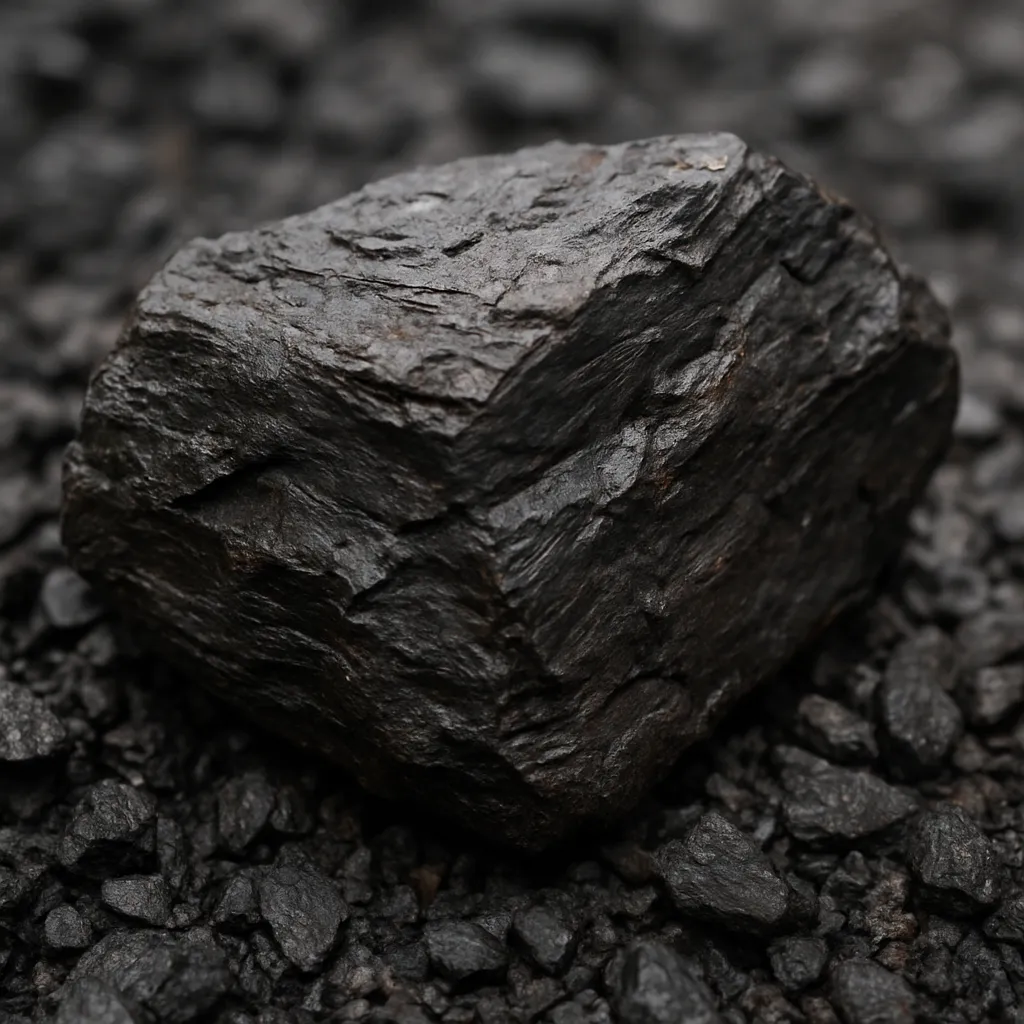
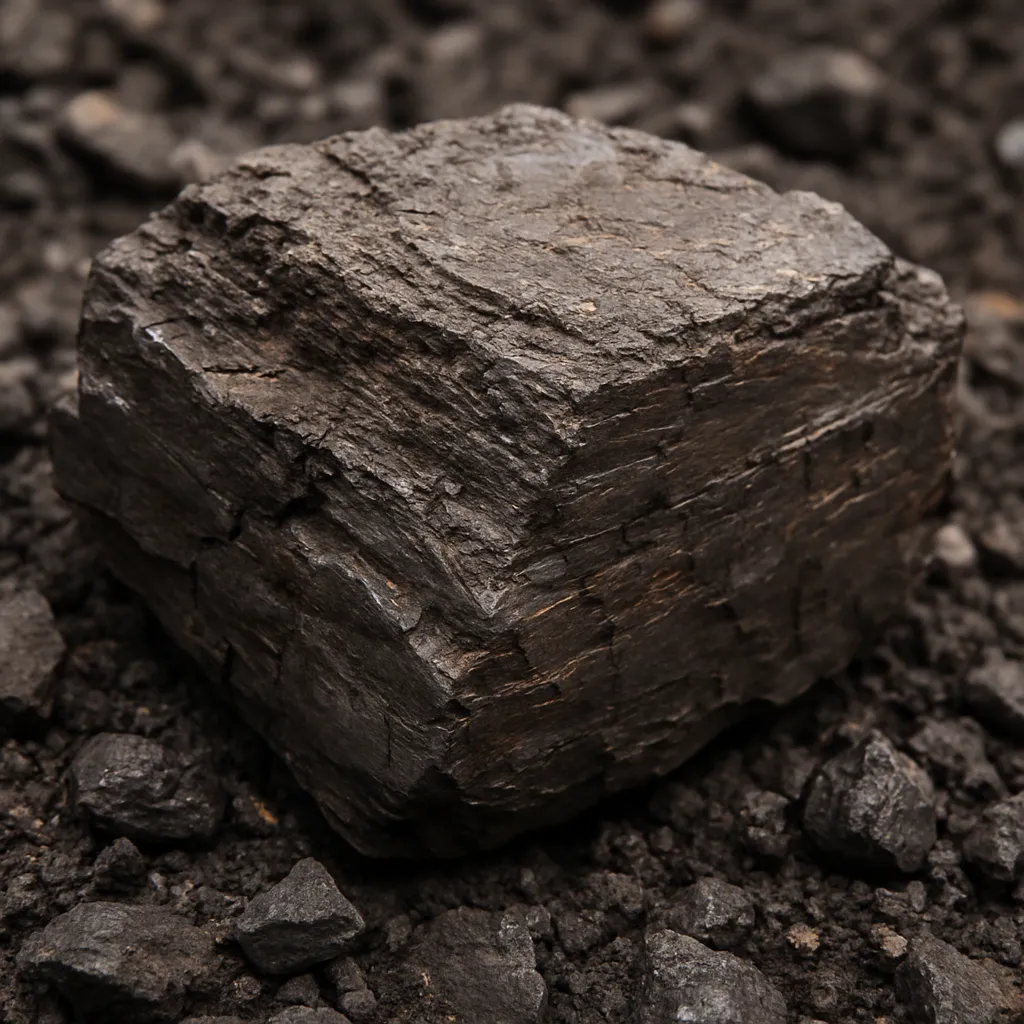
Brown coal, or lignite, is a type of sedimentary coal that forms from the partial decay of plant material in ancient peat-forming environments. It typically originates in Tertiary basins (Miocene–Pleistocene in geological age) where thick peat deposits were buried and subjected to increasing heat and pressure. Over geological time and with varying burial depths and thermal histories, some lignites mature into higher-rank coals. The term high-carbon brown coal is used for lignites that have experienced relatively greater compaction and coalification, resulting in a higher fixed carbon content and improved fuel properties compared with typical low-rank lignite.
Key physical and chemical characteristics that distinguish high-carbon brown coal from lower-rank lignite:
- Fixed carbon: Higher than typical lignite, often reaching a level closer to sub-bituminous coal on a dry basis.
- Moisture: Still appreciable, but lower than low-rank lignite; moisture content may range widely depending on deposit and processing (typical raw values 20–45%, with high-carbon variants on the lower end).
- Calorific value: Greater heating value than typical lignite; high-carbon brown coal can show calorific values in the approximate range of 12–20 MJ/kg (higher values possible after drying and beneficiation).
- Volatile matter and ash: Volatile matter remains significant, enabling easier ignition; ash content varies with mineral impurities.
- Sulfur: Variable; many brown coals have moderate sulfur content but some deposits are low-sulfur.
As a rule, high-carbon brown coal occupies an intermediate position in the coal rank scale between typical lignite and sub-bituminous coal. It is valued when local energy systems require a low-cost, abundant fuel that can be burned in conventional boilers after appropriate drying or upgraded into briquettes or pellets. Its geological occurrence in shallow basins makes open-cast mining the dominant extraction method.
Where it occurs and where it is mined
High-carbon brown coal deposits are concentrated in sedimentary basins formed during the Tertiary period. Many of the world’s largest and most economically important brown coal accumulations are in Europe, Australia and parts of Asia. Because lignite is bulky and has a lower energy density than higher-rank coals, most brown coal production serves local or regional markets rather than long-distance export.
Europe
Europe hosts several of the most famous brown coal basins and large surface mines:
- Germany — the Rhenish, Lusatian and Central German basins contain vast lignite reserves and some higher-rank brown coals. Major open-cast mines include Garzweiler, Hambach and the lignite operations in the Lusatian region. Germany historically produced one of the largest volumes of lignite worldwide and used it extensively for base-load electricity generation.
- Poland — significant brown coal deposits power units such as the Bełchatów complex (Bełchatów mine and power plant), one of the largest lignite-fired power stations in Europe. Other mines include Konin, Adamów and Turów (the latter close to the Czech and German borders).
- Czech Republic, Greece and Bulgaria — important regional producers with lignite-fired power plants supplying domestic grids.
Australia
Australia’s state of Victoria contains the world’s largest known reserves of low-rank brown coal, including the Gippsland and Latrobe Valley deposits. Large open-cut operations such as Loy Yang and Yallourn supply electricity generation and historically accounted for a substantial share of Australia’s domestic coal-fired generation. Australian brown coal is notable for high inherent moisture in some deposits, which has driven interest in drying and upgrading technologies to improve its energy density.
Turkey and parts of Asia
Turkey is a major lignite producer, much of it used domestically for electricity and heat. Significant deposits are found in Afsin-Elbistan, Soma and several basins across the Anatolian plateau. Other Asian producers with lignite or brown coal include Indonesia, parts of India (some sub-bituminous and lignite basins), and the Russian Far East, though the coal types and market roles differ by region.
Other regions
Smaller deposits occur in the United States (lignite basins in North Dakota and Texas), Canada, and parts of southern Africa. In many of these locales, brown coal is locally important for heat and power even if it represents a smaller share of national coal production when compared with bituminous resources.
Mining, processing and typical technologies
Because brown coal beds are often near the surface and laterally extensive, the predominant extraction method is open-cast (surface) mining. This allows high production rates and mechanization but results in large-scale landscape disturbance and removal of overburden.
- Mining methods: Draglines, bucket-wheel excavators and trucks are common in large basins. Underground mining is rare for modern large-scale brown coal because open-cast is generally cheaper where feasible.
- Processing and upgrading: Raw brown coal can be dried, briquetted, pelletized or carbonized to reduce moisture and increase energy density. Drying technologies (mechanical, thermal, hydrothermal) and agglomeration into briquettes improve transportability and combustion characteristics. Gasification and liquefaction are also possible but capital-intensive.
- Combustion technologies: Brown coal is commonly burned in pulverized-fuel boilers adapted to high moisture feed. Circulating fluidized-bed combustion (CFBC) is attractive for brown coal because it tolerates fuel variability and allows in-furnace sulfur capture. Integrated gasification combined cycle (IGCC) has been piloted with lignite in some locations.
- Emissions control: Flue gas desulfurization (FGD), electrostatic precipitators or baghouses for particulate control, and selective catalytic reduction (SCR) or selective non-catalytic reduction (SNCR) for NOx reduction are widely used in modern plants burning brown coal.
Economic and statistical overview
High-carbon brown coal plays a distinct economic role: it is often among the cheapest domestic fuels on a per-tonne basis, and because of large local reserves in some regions it can secure energy autonomy and supply stability. However, because of its lower energy density and higher moisture, its cost per unit of energy can be less attractive unless drying or upgrading is performed.
Some general statistical and economic observations (approximate ranges and historical context):
- Global coal production (all ranks) in recent years has been on the order of several billion tonnes annually. Lignite and other low-rank coals account for a significant but smaller fraction of that total, with major production concentrated in a few regions.
- European lignite production historically numbered in the hundreds of millions of tonnes per year across the continent; Germany and neighboring countries were historically dominant producers in Europe. For instance, single large complexes in Europe have produced tens of millions of tonnes per year each.
- Australian brown coal production (Victoria) has been in the range of tens of millions of tonnes annually, primarily serving local power stations rather than export markets.
- Turkey’s lignite production has also been in the tens of millions of tonnes annually, with lignite forming a central part of domestic electricity production in many years.
Because brown coal is usually used close to the point of extraction, its price on local markets tends to be low compared with traded hard coal. The fuel supports large regional value chains — mining, power generation, transportation (short distance), plant operations and maintenance — and can be a major local employer in mining regions. At the same time, as nations decarbonize and apply carbon pricing or emissions regulations, the economic competitiveness of brown coal for electricity generation has been increasingly challenged, especially where alternatives (gas, renewables) are becoming cheaper and policy-driven costs of carbon emissions rise.
Significance in industry and common uses
The dominant industrial use of brown coal is for electricity generation in lignite-fired power plants sited close to mines (mine-mouth power plants). Other notable uses and roles include:
- District heating and industrial heat: In many regions, lignite supplies heat for local industries and municipal heating networks.
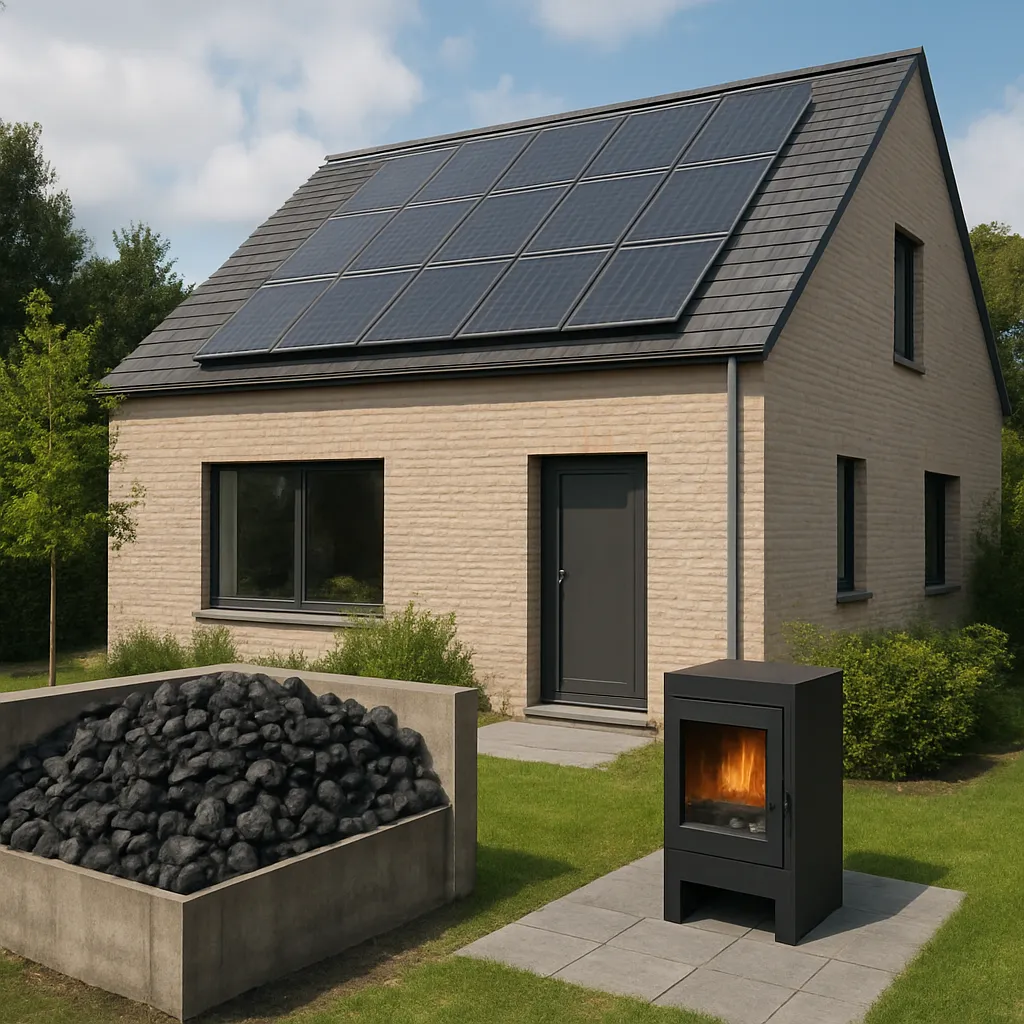
- Briquettes and domestic fuel: Historically and in some regions today, brown coal is compressed into briquettes for more convenient household or industrial use.
- Gasification and chemicals: Lignite can be gasified to produce syngas for chemicals or converted into liquid fuels, although such pathways are capital-intensive and compete with cheaper feedstocks in many markets.
- Soil amendment and carbon products: With processing (pyrolysis) lignite can produce char and activated carbon for niche markets, though scale is limited.
Because high-carbon brown coal has better energy characteristics than low-rank lignite, it is sometimes selected where local resources allow to provide a relatively cheap, flexible source of baseload electricity while still remaining significantly cheaper than higher-rank imported coals.
Environmental, social and regulatory aspects
Brown coal mining and combustion carry pronounced environmental footprints. Some of the most salient issues:
- CO2 emissions: Lignite-fueled power plants emit more CO2 per unit of electricity than plants burning higher-rank coals or natural gas, primarily because of higher moisture and lower energy density. This makes lignite a target in decarbonization policies and low-emission strategies.
- Local pollution: Particulate emissions, SO2 and NOx can be significant without modern controls. Requiring flue gas treatment and dust control raises the cost of continued lignite use.
- Land use and reclamation: Large open-cast mines transform landscapes, displace communities and require extensive post-mining reclamation. Some regions have experienced large-scale relocations of villages for mine expansion, generating social conflict.
- Water and biodiversity: Mining and dewatering affect water tables and local ecosystems; reclamation aims to restore habitats but is complex and long-term.
- Policy and phase-out trends: In many advanced economies, policy pressure, carbon pricing and commitments to net-zero targets have resulted in planned phase-outs of lignite-fired capacity or accelerated retirements. Germany historically announced a lignite phase-out timetable, and other countries in Europe are planning reductions or replacements with cleaner generation.
Technological trends, mitigation and future prospects
The future of high-carbon brown coal depends on three interacting drivers: technology, policy and market economics. Technologies to reduce environmental impacts and increase energy conversion efficiency are being developed and deployed:
- Upgrading and drying: Mechanical or thermal drying and densification increase calorific value and lower transport and combustion costs, enabling more efficient plant operation.
- Advanced combustion: CFBC and supercritical or ultra-supercritical steam cycles can improve efficiency and reduce emissions intensity per MWh.
- Gasification and combined-cycle systems: IGCC paired with carbon capture offers the potential for lower emissions from lignite, though economic feasibility remains a challenge without supportive policy (e.g., carbon pricing, subsidies for CCS).
- Carbon capture, utilization and storage (CCUS): Capturing CO2 from lignite-fired plants is technically feasible but costly. Demonstrations and pilot projects have explored integration with lignite plants in Europe and Australia.
- Just transition and economic diversification: Regions economically dependent on brown coal mining face the challenge of transitioning workers and communities to new industries — a central social and political issue in many countries.
Case studies and regional examples
Several locations illustrate both the importance and the controversies of high-carbon brown coal use:
- Germany: Large-scale mining complexes have supplied baseload power for decades. The country’s energy transition (Energiewende) has forced political negotiation over how and when to retire lignite capacity while managing employment and social impacts in mining regions.
- Poland: Lignite-fired plants and mines are central to Poland’s energy mix in many regions; debates focus on balancing energy security, costs and EU decarbonization commitments.
- Australia (Victoria): The Latrobe Valley’s brown coal resources underpin local power generation. High inherent moisture in Victorian brown coal spurred R&D into pretreatment and drying technologies. Policy shifts toward renewables have impacted the long-term outlook of brown coal operations.
- Turkey: Lignite fuels substantial domestic electricity generation; expansion of mining and plant capacity has economic motives tied to energy independence, but environmental pressures and air quality concerns are rising.
Statistical perspective and data caveats
Providing precise statistics for high-carbon brown coal specifically is difficult because global coal statistics are typically reported by broad coal ranks (lignite, sub-bituminous, bituminous, anthracite) rather than by narrow designations like “high-carbon brown coal.” Nevertheless:
- Global coal production across all ranks has been reported in the order of several billion tonnes per year (recent figures in the early 2020s center around 7–8 billion tonnes annually); within that, lignite/brown coal typically represents a several-hundred-million-tonne to roughly one-billion-tonne scale, depending on classification and reporting year.
- European lignite production historically was a major share of global lignite output, with single-country or single-mine contributions often in the tens to low hundreds of millions of tonnes per year at peak levels.
- National statistics should be consulted for precise, up-to-date production and reserve numbers. Data sources typically include national geological surveys, energy ministries and international agencies that publish detailed year-by-year breakdowns by coal rank and mine.
Interesting and lesser-known facts
– Some high-carbon brown coals have been successfully briquetted or pelletized to provide a marketable solid fuel that is easier to store and transport and that burns more uniformly than raw lignite.
– In areas with very high-moisture brown coal, researchers and companies have experimented with underground drying and ex-situ drying to reduce transport costs and lower emissions intensity at the point of combustion.
– Lignite basins often preserve important paleoenvironmental records (pollen, plant remains) valuable for reconstructing past climates and vegetation.
– Because brown coal deposits are frequently shallow, they are sometimes discovered during construction or agricultural development, prompting localized mining projects that transform regional economies.
Concluding outlook (without policy advocacy)
High-carbon brown coal represents a pragmatic energy resource for many regions: abundant, locally available and capable of supplying reliable baseload power and heat. Its lower rank relative to black coals imposes inherent efficiency and emissions penalties, but technological upgrades, fuel drying, gasification and emissions controls can reduce some disadvantages. The future role of high-carbon brown coal depends heavily on national and regional policy choices, carbon pricing regimes, the pace of renewable energy deployment, and the success of technologies such as CCUS. For regions with significant deposits, managing the transition — balancing economic stability, employment and environmental objectives — will be a defining challenge in the coming decades.