La Jagua de Ibirico, located in the department of Cesar in northern Colombia, is one of the municipalities most closely associated with the country’s coal industry. The area sits within the broader Cesar-Ranchería coal basin and hosts several mining operations and associated infrastructure. This article provides a comprehensive overview of the La Jagua de Ibirico mining area: its geological setting, the type of coal produced, mining methods, economic and social impacts, environmental challenges and regulatory context, and its significance for the Colombian and international coal markets.
Location, Geological Setting and Historical Context
La Jagua de Ibirico lies in the south-central part of the Cesar department in Colombia’s Caribbean region. Geologically, it is part of the Cesar-Ranchería coal basin, which extends across Cesar and neighboring areas. The basin formed during the Late Cretaceous to Paleogene periods and hosts multiple coal-bearing strata within fluvial and deltaic sedimentary sequences. These coal seams have been exploited since the mid-20th century, with rapid industrial-scale expansion beginning in the late 20th and early 21st centuries as global demand for thermal coal grew.
The locality is characterized by its plateaus and valleys, crossed by intermittent rivers and creeks. Historically a municipality oriented to agriculture and livestock, the discovery and exploitation of coal transformed La Jagua de Ibirico’s economic profile. Over the decades, mining activity has become a central component of the municipality’s identity, affecting land use, demographics, and municipal finance.
Coal Characteristics and Mining Methods
Type and Quality of Coal
The coal extracted in the La Jagua de Ibirico area is primarily used as thermal coal for electricity generation and industrial heat applications, as well as for export. The rank of coal in the Cesar basin generally ranges from sub-bituminous to bituminous, with details varying between seams. Typical characteristics include moderate to low sulfur content compared with some international coals, variable ash content depending on seam and washing, and calorific values suitable for power plants and some industrial processes.
Specific quality parameters — such as calorific value (kcal/kg), volatile matter, ash percentage, and sulfur content — will vary between individual seams and between washed and unwashed products. Processing and washing plants in the region aim to upgrade run-of-mine material to meet export specifications required by thermal coal buyers in Europe, the Americas and Asia.
Mining Techniques and Logistics
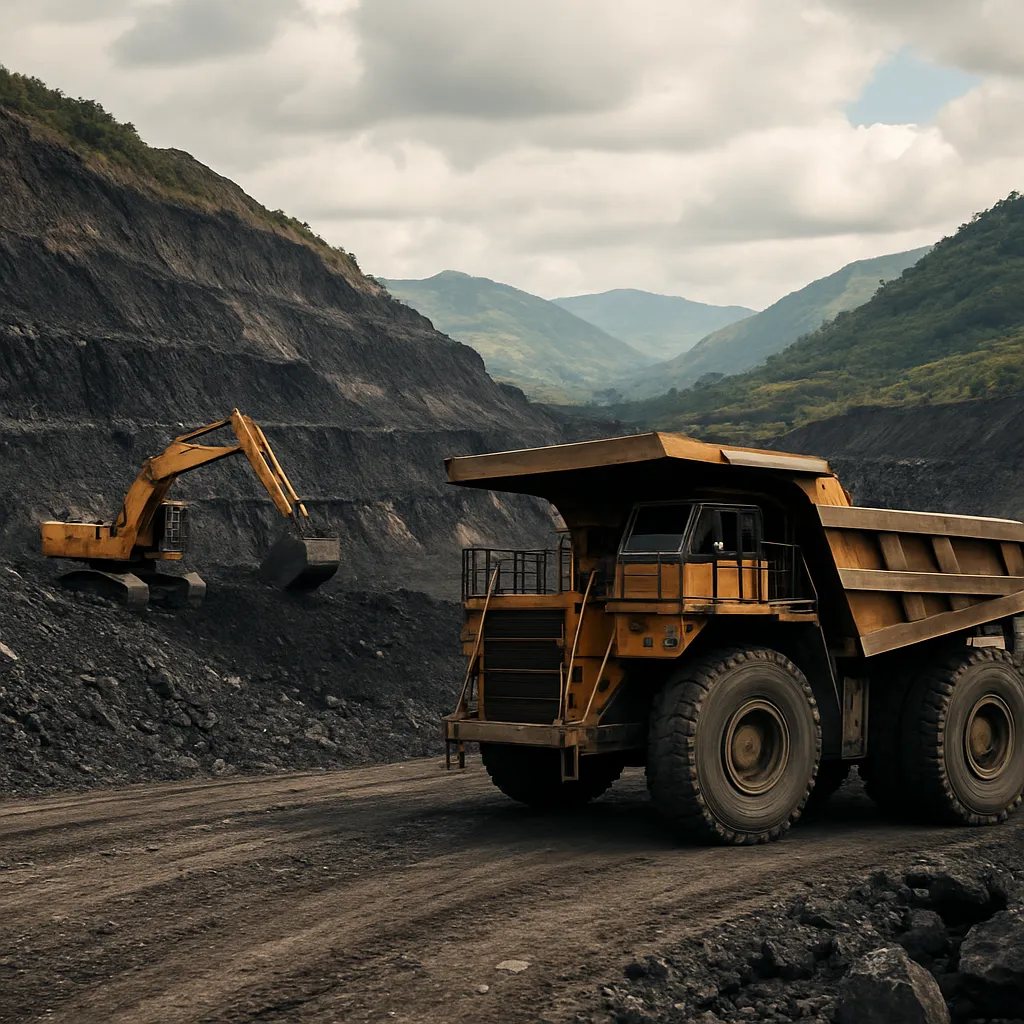
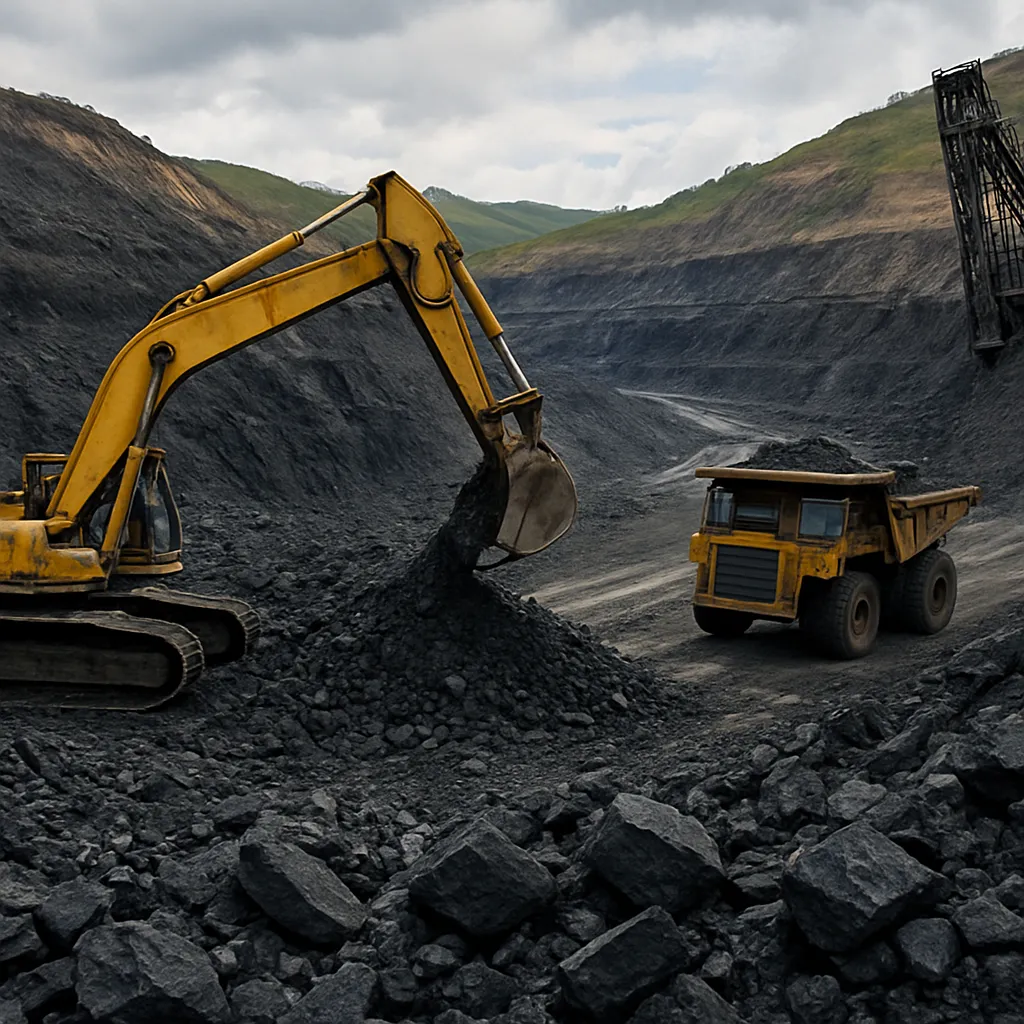
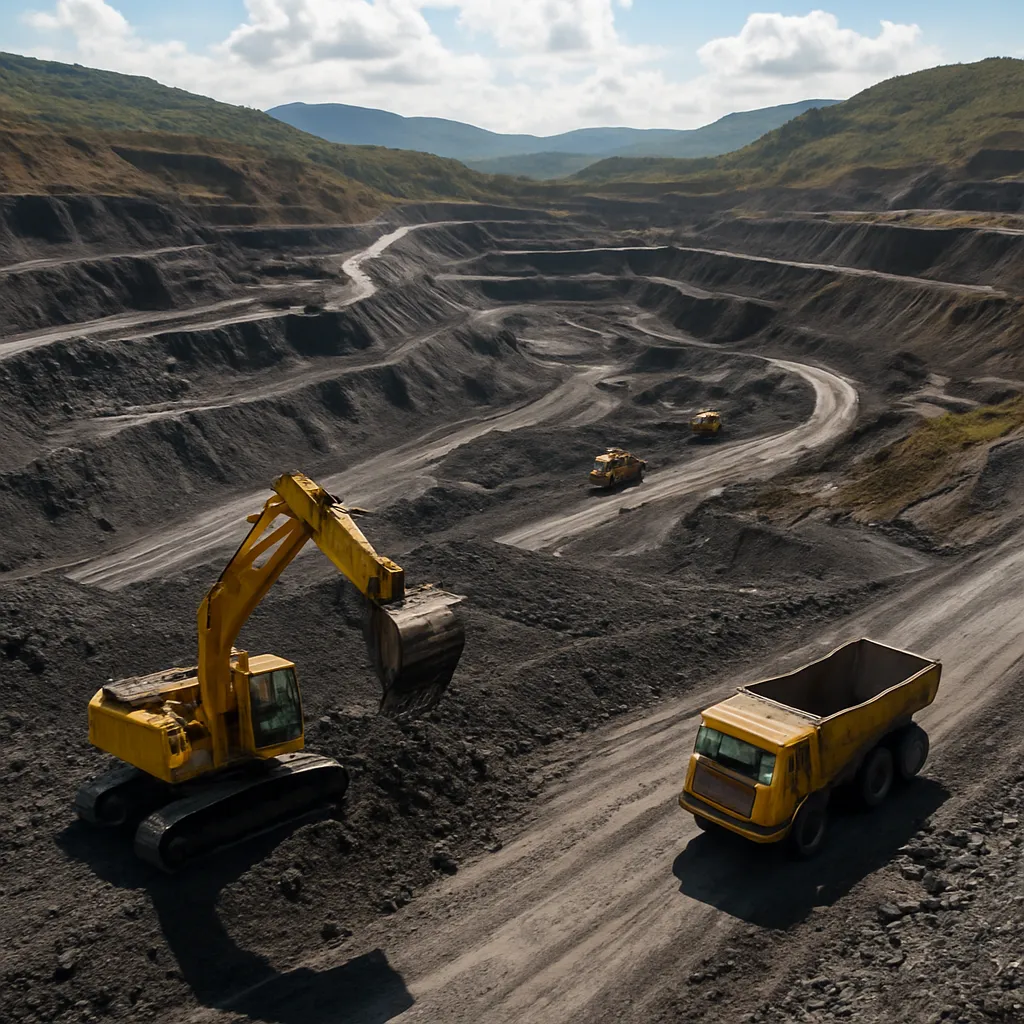
Mining in La Jagua de Ibirico is dominated by open-pit or surface mining methods. Large-scale earthmoving equipment — including draglines, shovels, bulldozers, haul trucks and crushers — is used to remove overburden and extract coal in benches. Open-pit mining permits relatively high production rates and mechanized operations but requires significant land disturbance and waste management.
After extraction, coal is often processed in nearby washing plants to reduce ash and improve quality for export markets. Transport logistics typically involve conveyor systems, truck fleets and highway links to rail or to coastal ports (such as Puerto Bolívar, Santa Marta or other ports used by Colombian coal exporters) for overseas shipment.
Economic and Social Impact
Contribution to Local and Regional Economy
The economic contribution of coal mining in La Jagua de Ibirico has been substantial. Mines provide direct employment in extraction, processing, maintenance and administration and support indirect jobs in services, transport, construction and commerce. Mining royalties, taxes and municipal agreements also provide fiscal income that can be used for local public services and infrastructure.
At the regional level, coal production from the Cesar basin is one of Colombia’s major export earners. For decades, coal has helped drive foreign exchange inflows and has been a cornerstone of the Colombian mining sector. The success of individual mining operations in La Jagua de Ibirico thus has multiplier effects — improving road networks, stimulating local businesses and attracting auxiliary industries.
Social Changes and Community Issues
Large-scale mining brings rapid social changes. Population influxes from other regions increase local demand for housing, education and health services. While some communities benefit from improved infrastructure and job opportunities, there are persistent social issues including unequal distribution of mining benefits, tensions over land tenure, and disputes related to relocation or compensation where mining requires clearing inhabited land.
Social responsibility programs by mining firms often include community investment in schools, clinics, water systems and vocational training. Nevertheless, the quality, consistency and perceived fairness of such programs are frequent points of discussion between companies, communities and authorities.
Environmental Impacts and Management
Main Environmental Challenges
Open-pit coal mining has several environmental consequences. In La Jagua de Ibirico and surrounding mining areas the main concerns include:
- Land disturbance and deforestation from clearing of vegetation and removal of soil horizons;
- Alteration of hydrology — changes to surface water flow and groundwater levels caused by excavation, dewatering and changes in drainage patterns;
- Dust and air emissions during blasting, hauling, crushing and stockpiling, which can affect air quality;
- Production and management of mine waste (overburden, spoil piles and tailings) that require stable engineering and long-term monitoring;
- Potential contamination of water bodies from sedimentation and runoff if not properly managed.
Mitigation, Reclamation and Regulation
Colombian environmental authorities and mining companies have established frameworks to manage impacts: environmental impact assessments (EIAs) are required for large projects, along with environmental management plans (EMPs) that include mitigation measures, monitoring and reclamation obligations. Typical mitigation measures in the La Jagua de Ibirico area include dust suppression, sediment control systems, progressive rehabilitation of exhausted benches, reforestation using native species, and creation of water-treatment facilities.
Rehabilitation aims to stabilize slopes, restore soils where possible and enable alternative land uses post-mining — such as agriculture, forestry or ecological reserves. Successful reclamation requires long-term funding and monitoring, and the effectiveness varies across projects. Community engagement and transparent monitoring are important to ensure that reclamation addresses local expectations and ecological realities.
Statistical Overview and Industry Role
Precise, up-to-date production statistics for individual pits in La Jagua de Ibirico vary over time and depend on company reporting. Generally, the Cesar basin has historically accounted for a significant share of Colombia’s coal output. Colombia’s thermal coal exports in recent years have fluctuated in response to global demand, logistics and market prices, with annual export volumes often in the tens of millions of tonnes.
At the local level, mining complexes in municipalities like La Jagua de Ibirico have produced several million tonnes per year in active years, supporting local employment and export flows. These figures can change due to operational adjustments, commodity price cycles, legal/contractual issues, and investment decisions by operators.
Royalty streams and tax regimes are an important statistical dimension: mining royalties provide municipalities with recurring revenue related to production volumes and values. These funds can be earmarked for public investment but are occasionally the subject of debate regarding allocation and transparency.
Significance in National and International Context
La Jagua de Ibirico’s coal operations are part of Colombia’s broader strategy as a significant coal exporter. Colombian coal serves energy markets in Europe, the Americas and Asia. The strategic importance of this area stems from:
- Its contribution to national export earnings and foreign exchange;
- Its role in regional development and employment;
- The availability of relatively accessible, large coal seams amenable to open-pit mining;
- Existing logistics linkages to ports and international shipping routes.
Internationally, Colombian coal competes on price, quality and delivery flexibility. Producers in La Jagua de Ibirico contribute to this supply base, but they also face competition from other exporting countries and pressure from global climate and energy transitions that affect demand for thermal coal.
Legal, Political and Social Dynamics
Mining in La Jagua de Ibirico occurs within a framework of national mining law, environmental regulation and local land-use planning. Over time, policy shifts — including changes in royalty formulas, environmental standards and permitting procedures — have influenced investment decisions. Social dynamics, including the role of local and regional leaders, unions, and civil society organizations, shape how benefits and burdens are distributed.
In areas with intense mining activity, there have been episodes of social conflict over labor conditions, environmental impacts, and territory. Constructive engagement, participatory planning and benefit-sharing mechanisms improve the prospects for stable, mutually beneficial relationships between operators and communities.
Future Outlook: Markets, Technology and Sustainability
The future of coal mining in La Jagua de Ibirico depends on a combination of market dynamics, regulatory trajectories and technological adaptation:
- Market trends: Global demand for thermal coal may decline in the medium to long term as countries decarbonize power systems, though near-term demand in some regions can remain robust. Price volatility will continue to affect project economics and investment decisions.
- Operational efficiency: Continued mechanization, digital monitoring and improved processing can reduce unit costs and environmental footprint.
- Environmental controls: Stronger environmental requirements and more rigorous enforcement push companies to invest in water treatment, dust control and progressive reclamation.
- Economic diversification: For municipalities like La Jagua de Ibirico, diversifying the local economy beyond coal — into agriculture, manufacturing, renewable energy projects, and services — is a strategic priority to mitigate the risks of long-term decline in coal demand.
Mining companies and local governments are increasingly exploring transitional strategies that combine continued responsible mining with investment in alternative industries and workforce retraining. International financial flows, carbon policies and buyer preferences (e.g., banks and utilities limiting coal exposure) will also shape investment in the region.
Interesting Facts and Local Features
- La Jagua de Ibirico’s transformation from an agricultural municipality to a mining center is a clear example of how extractive industries can reshape local economies and demographics.
- Mining infrastructure in the area includes not only extraction sites but also washing plants, maintenance yards, logistic hubs and access roads that connect to national transport networks.
- Community initiatives in some areas have focused on improving access to education and healthcare partially funded by mining royalties and corporate social investment.
- Progressive reclamation efforts in some Colombian mines have experimented with turning exhausted pits into artificial lakes or managed ecological zones, though such outcomes depend on local geology and hydrology.
Key Challenges and Opportunities
Key challenges include managing environmental impacts, ensuring equitable social benefits, preparing for possible long-term reductions in coal demand, and maintaining operational safety and regulatory compliance. Opportunities arise from improving mining efficiency, leveraging royalties for sustainable development, investing in workforce skills that translate to other sectors, and exploring rehabilitation projects that add long-term value to local landscapes.
For La Jagua de Ibirico, balancing the immediate economic benefits of coal extraction with the need to protect livelihoods, ecosystems and future options is the central policy and community challenge. With careful planning, transparent governance, and collaborative approaches between companies, communities, and authorities, the region can maximize the benefits of its mineral endowment while preparing for a changing energy future.
Conclusion
La Jagua de Ibirico is emblematic of many coal-producing municipalities: rich in a valuable natural resource that has driven rapid economic change, provided employment and revenue, while also creating environmental pressures and social adjustments. The coal extracted from this part of the Cesar basin has played an important role in Colombia’s export portfolio and in powering domestic and international energy needs.
Going forward, the path for La Jagua de Ibirico will be defined by how well stakeholders manage environmental restoration, diversify local economies, and adopt technologies and practices that reduce the ecological footprint of mining. The area’s future depends not only on geology and markets but also on governance, community engagement and the ability to adapt to a global energy landscape that is gradually shifting away from traditional thermal coal.