Gurvan Nars Coal Mine is one of the many coal mining sites contributing to Mongolia’s growing role in the global energy and raw materials markets. Located in Mongolia’s vast geological landscapes, the mine extracts coal that is used primarily for power generation and industrial heating, and it sits within a national context where mining is a major driver of economic growth. This article examines the mine’s location and geology, the type and scale of coal extraction, economic and social impacts, technical and environmental aspects, and its place in Mongolia’s mining sector and the wider regional coal trade.
Location, Geology and Resource Characteristics
The Mongolia interior contains several coal basins concentrated primarily in the south and central regions, but coal occurrences are widespread. The Gurvan Nars deposit is situated in one of the country’s coal-bearing provinces (aimag), within sedimentary basins characterized by Paleozoic-to-Mesozoic sequences. The exact coordinates and administrative affiliation of the mine can vary in public references, but it is representative of a class of working mines outside the country’s largest complexes such as Tavan Tolgoi and Nariin Sukhait.
Geological setting
- Coal seams at Gurvan Nars typically occur in fluvial and lacustrine sedimentary sequences, often interbedded with sandstones, siltstones and thin shales.
- The coal rank in many of Mongolia’s smaller deposits tends to be sub-bituminous to low-volatile bituminous, or in some locations lignite (brown coal). Available descriptions of similar regional deposits suggest that Gurvan Nars most likely yields predominantly thermal quality coal suitable for power plants and heating rather than high-grade metallurgical coal.
- Seam thicknesses and continuity vary; small-to-medium deposits commonly present several economically mineable seams ranging from less than a meter to several meters in thickness.
Resource estimates
Publicly available, independently verified reserve figures for Gurvan Nars are limited. Unlike Mongolia’s flagship mines—where reserve volumes are widely reported—smaller sites such as Gurvan Nars often have resource estimates held by operating companies or included in national mineral inventories without broad international dissemination. Where company reports exist for comparable local mines, resources can range from a few million tonnes to several hundred million tonnes of coal. Because of limited public data, this article focuses on the qualitative and sectoral implications rather than asserting precise reserve numbers for Gurvan Nars.
Mining Operations and Production
Mining at Gurvan Nars follows the conventional approaches used across Mongolian coal fields, balancing surface and shallow underground methods depending on seam depth, thickness and overburden characteristics.
Mining methods
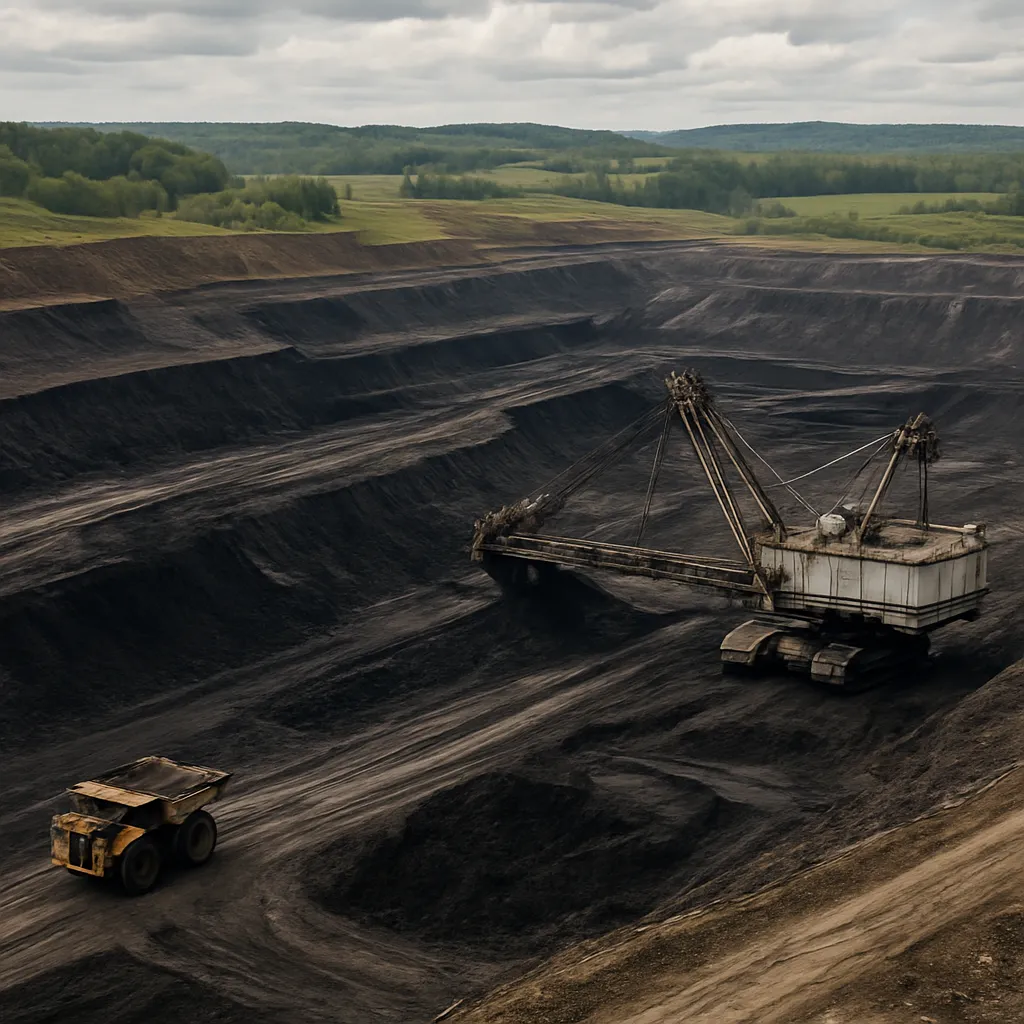
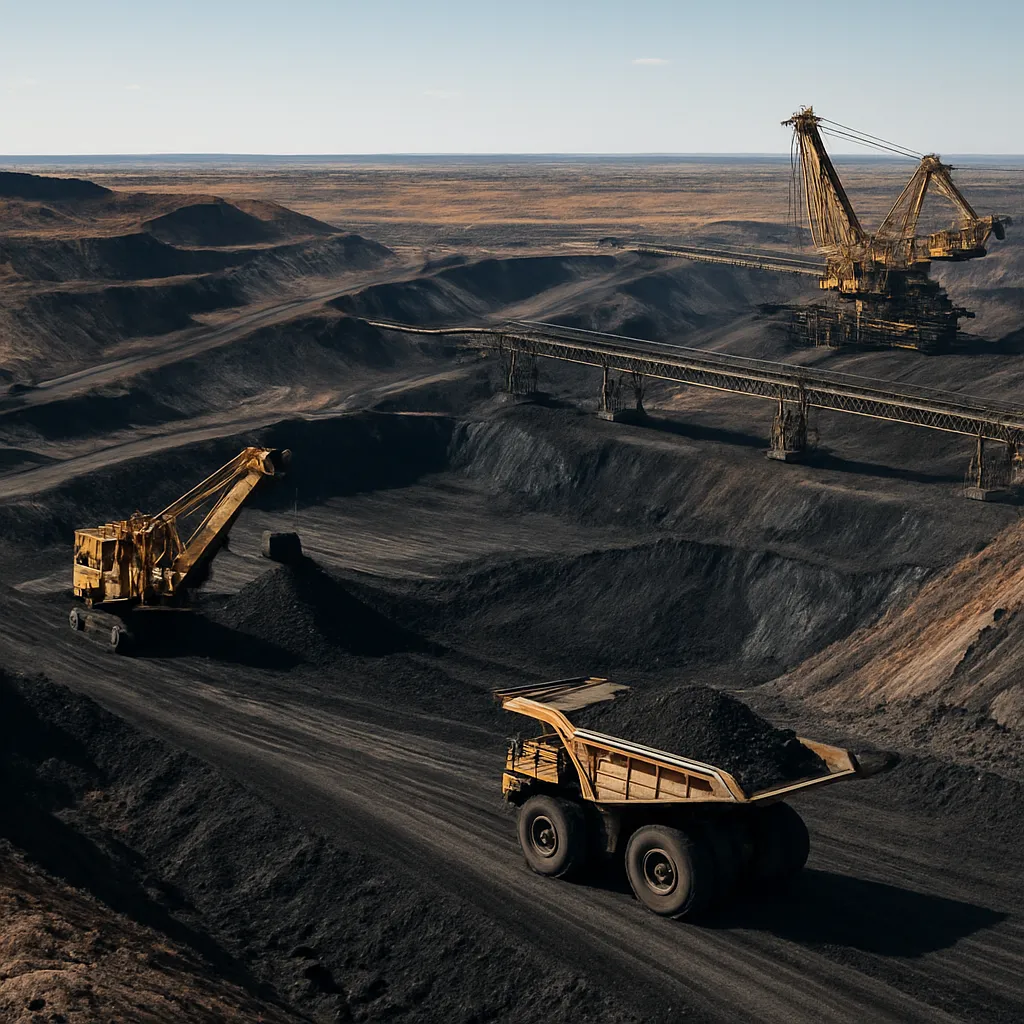
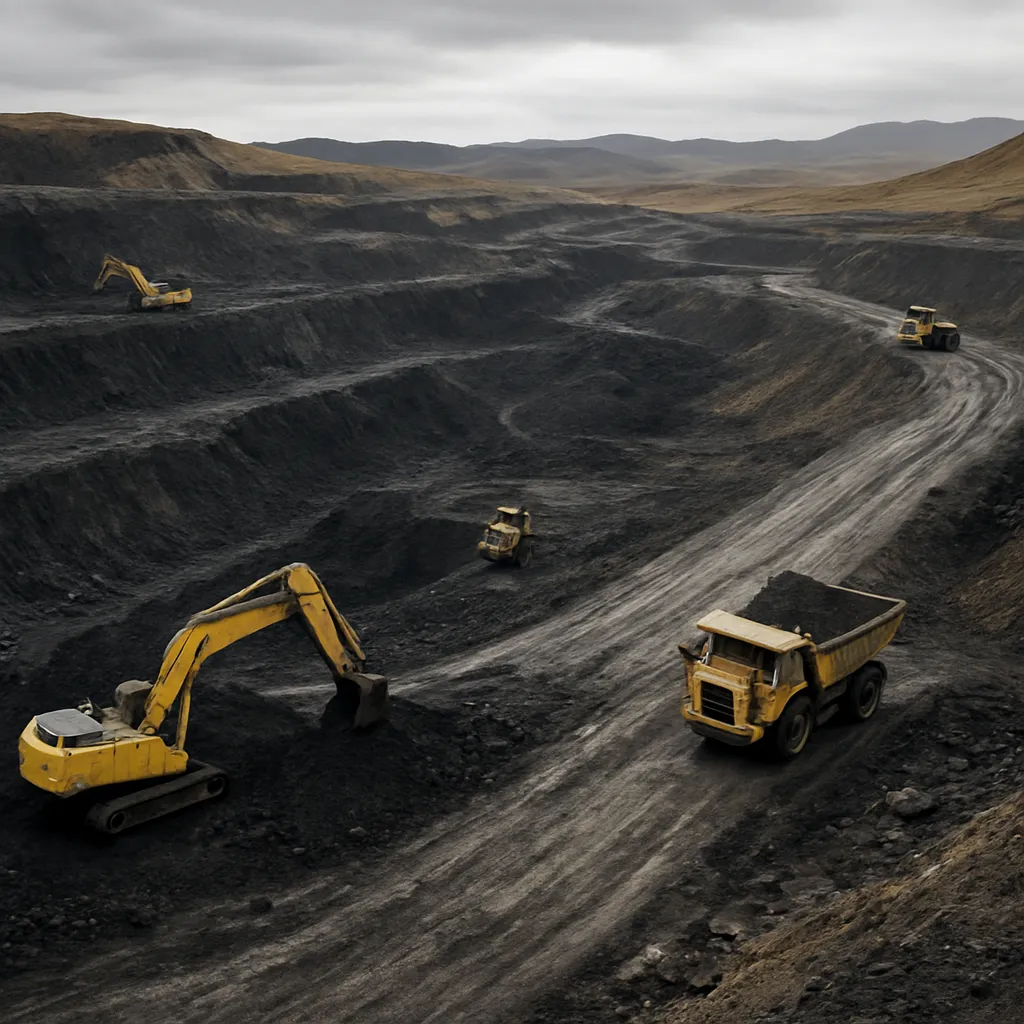
- Open-pit (surface) mining is the dominant method where seams are near surface and overburden removal is economically viable. This method allows for mechanized extraction using excavators, haul trucks, and dozers.
- In areas where seams dip or are deeper, small-scale underground mining or room-and-pillar methods may be used. These operations often require more labor per tonne and specific ground control measures.
- Mine infrastructure typically includes a beneficiation or screening plant for sizing, wash and desliming facilities when required, stockyards, access roads, and often temporary settlements or worker camps.
Production volumes and logistics
Precise annual production figures for Gurvan Nars are not universally published. However, mines of this scale in Mongolia commonly produce from several hundred thousand up to a few million tonnes of coal per year. Coal from Gurvan Nars would typically be transported by truck to nearby railheads or directly overland to customers. Key logistical routes for Mongolian coal lead south and east toward the Chinese border, where demand for thermal coal remains high. Efficient transport links significantly influence the mine’s economics: proximity to sealed roads or rail connection can turn a marginal deposit into a viable operation.
Economic and Social Importance
Coal mining is central to Mongolia’s economy, accounting for a major share of export revenues and government receipts. Small and medium mines such as Gurvan Nars contribute locally and nationally in several ways.
Contributions to local and national economy
- Employment: Mines provide direct jobs in extraction, maintenance and administration, and indirect jobs in transport, logistics, services and supply chains. A typical small-to-medium mine supports dozens to several hundred direct positions and multiplies local employment through indirect effects.
- Revenue: Royalties, corporate taxes, and license fees contribute to provincial budgets and to national coffers under Mongolia’s mineral fiscal regime.
- Infrastructure: Mining development often spurs improvements in roads, power supply and communications, benefiting surrounding communities.
Role in energy supply
Mongolia relies heavily on coal for domestic heating and power generation. Mines like Gurvan Nars supply thermal coal to local users—municipal heating systems, small-scale power plants, and industrial consumers—reducing reliance on imported fuels and stabilizing energy supplies in remote regions.
Export potential
China is the dominant export market for Mongolian coal due to geographic proximity and high demand for thermal coal. While flagship operations supply large volumes via rail to northern Chinese provinces, smaller mines may also contribute to export flows through trucking or through aggregation hubs. Export prospects for a given mine depend on consistent quality, reliable logistics, and long-term contracts with buyers.
Environmental, Social and Governance (ESG) Considerations
Mining carries environmental impacts that operators of Gurvan Nars must manage responsibly. Mongolian regulations and international lenders increasingly require environmental and social safeguards.
Environmental impacts and mitigation
- Land disturbance and habitat fragmentation from open-pit mining; progressive reclamation and rehabilitation plans are essential.
- Dust emissions from blasting, crushing and transport; mitigation includes dust suppression, enclosed conveyors and covered trucks.
- Water use and potential impacts on local aquifers; careful water management, recycling, and minimizing contamination are standard requirements.
- Greenhouse gas emissions related to coal combustion upstream in customers’ plants. While these are scope 3 emissions for the mine, market and regulatory pressure is increasing globally to address lifecycle emissions of fossil fuels.
Social and community issues
Local communities benefit from jobs and infrastructure improvements, but may also face challenges such as dust, noise and changes to traditional land use. Community engagement, benefit-sharing agreements, and corporate social responsibility programs are important to maintain social license to operate.
Regulatory environment
Mongolia’s mineral sector is governed by national legislation that sets terms for exploration and mining licenses, fiscal regimes, environmental requirements and land use permitting. Operators must secure an environmental impact assessment and implement monitoring programs. Recent years have seen efforts to tighten environmental oversight and improve transparency in mining contracts and revenue reporting.
Statistics, Market Context and Outlook
While specific verified statistics for Gurvan Nars are limited in the public domain, the mine must be understood within Mongolia’s broader coal sector trends.
National statistics and trends
- Mongolia is among the world’s significant coal producers, with annual coal production and exports fluctuating but measured in tens of millions of tonnes nationally. Major projects dominate volumes, while numerous smaller operations supply domestic markets and regional export corridors.
- The global energy transition and fluctuating coal prices affect demand; however, in the near to medium term, thermal coal continues to be a major fuel source in the region, particularly in northern China.
- Infrastructure constraints—especially rail capacity—have historically limited Mongolia’s ability to increase exports rapidly. Investment in rail and border facilities is pivotal for growth of exports from mines across the country.
Market and price factors
Coal price dynamics depend on global thermal coal benchmarks, regional demand (primarily from China), and logistical costs. Mines producing consistent quality coal with reliable delivery terms can secure premium pricing within regional markets. Conversely, mines facing logistical bottlenecks can see margins eroded by transport expenses.
Future prospects for Gurvan Nars
- Demand drivers: Continued industrialization and energy demand in regional markets may sustain demand for thermal coal in the near term.
- Infrastructure improvement: Any upgrades to road or rail links in the mine’s vicinity would materially improve its commercial viability and facilitate higher production and exports.
- Regulatory and environmental pressures: Stricter environmental rules and pressure to decarbonize can alter the operating environment, favoring mines that adopt mitigation technologies and pursue responsible mining practices.
Operational and Technical Highlights
Operational efficiency and modern mining practices can substantially affect the productivity and environmental footprint of a site like Gurvan Nars.
Equipment and technology
- Mechanized fleets (excavators, haul trucks, dozers) raise productivity and lower unit costs in open-pit operations.
- Screening, crushing and simple beneficiation can enhance coal quality and marketability.
- Remote monitoring and digital tools for fleet management and safety monitoring are increasingly adopted to optimize operations and reduce downtime.
Health and safety
Mongolian mines adhere to national safety standards; maintaining worker safety through proper training, protective equipment, and emergency preparedness is crucial. Smaller mines may face challenges resourcing comprehensive safety programs, making industry oversight and partnerships important.
Concluding Remarks
The Gurvan Nars Coal Mine exemplifies the many coal operations that together make mining a backbone of Mongolia’s economy. Although large national projects attract the most attention, smaller mines play key roles in local employment, regional energy supply and as contributors to export volumes. The mine’s long-term prospects depend on its ability to manage environmental and social impacts, secure efficient transport links, and adapt to shifting market conditions. While comprehensive, audited public statistics specific to Gurvan Nars are scarce, understanding this mine within Mongolia’s broader coal landscape helps clarify its likely significance: a source of thermal coal that supports regional energy needs, local economies and the complex supply chains linking Mongolia to neighboring markets such as China.
Mongolia’s coal sector continues to evolve under economic, environmental and geopolitical pressures. Companies and policymakers operating around sites like Gurvan Nars will need to balance short-term economic benefits with strategies for sustainability, community engagement, and long-term value preservation for both local populations and national stakeholders.