This article provides a detailed overview of the Greenhills Phase 6 coal mining site in Canada: its location and geology, the types of coal produced, operational methods, economic and social roles, environmental management, and its significance within the Canadian and global coal industry. The text synthesizes known industry patterns and site-specific features typical of a modern Canadian coal expansion project while highlighting areas where public data are limited. Throughout the article, key terms are emphasized to guide the reader to the most important concepts.
Location and geological setting
Greenhills Phase 6 is an expansion phase of the larger Greenhills coal complex situated in the western provinces of Canada, in the foothills adjacent to the eastern slopes of the Rocky Mountains. The Greenhills mining area occupies part of a long, structurally complex coal-bearing basin where sedimentary rock sequences from the Late Cretaceous to Tertiary periods host multiple coal seams. The region’s geology features alternating layers of shale, sandstone and coal, often gently folded and faulted by tectonic activity associated with mountain-building.
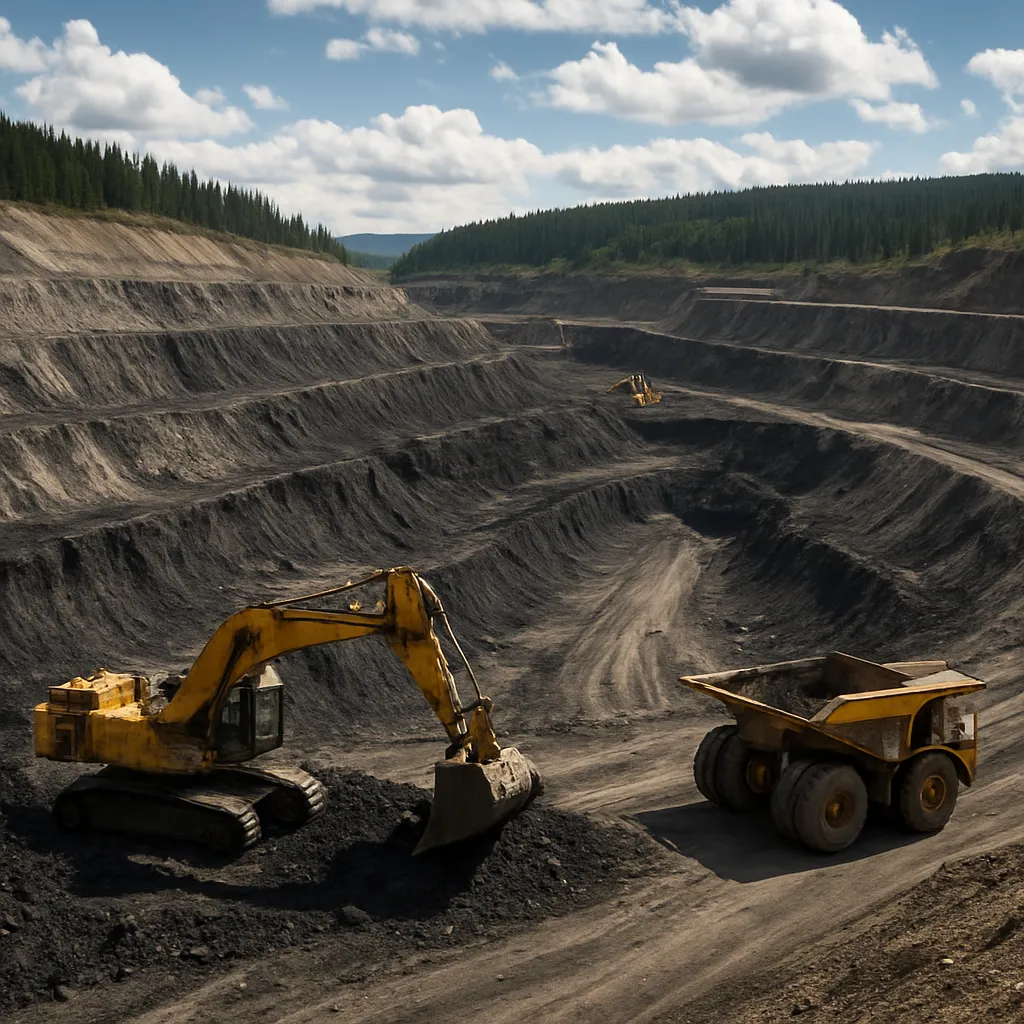
The predominant seam geometry in the Greenhills area typically results in laterally extensive but variable-thickness coal beds, which influence the choice of mining method and the economic feasibility of each phase. Overburden thickness, seam depth and seam inclination determine whether operations are carried out as surface (open-pit) or underground mining. Phase 6 represents a targeted development designed to access a set of seams identified as economically recoverable after previous phases’ operations and geological study.
Coal type and quality
Coal from the Greenhills complex is characterized by properties common to Western Canadian deposits, but exact classification can vary seam by seam. Two broad product categories are important for Canadian coal operations:
- Thermal coal used for power generation and some industrial heating applications; and
- Metallurgical coal (coking coal) used as a critical input for steelmaking.
Greenhills Phase 6 typically targets coal with properties suited to one of these markets depending on seam rank. In many foothills deposits the coal rank ranges from sub-bituminous to high-volatile bituminous; specific sections may produce coal amenable to coking after washing and beneficiation. Key quality parameters include calorific value (energy content), moisture, ash, sulfur and volatile matter. Beneficiation plants at or near the site remove impurities and produce marketable products (e.g., washed thermal coal or semi-soft coking coal) that meet customer specifications.
Mining methods and infrastructure
Greenhills Phase 6 employs contemporary mining methods consistent with environmental and safety standards in Canada. Depending on seam depth and geometry, the operation may utilize:
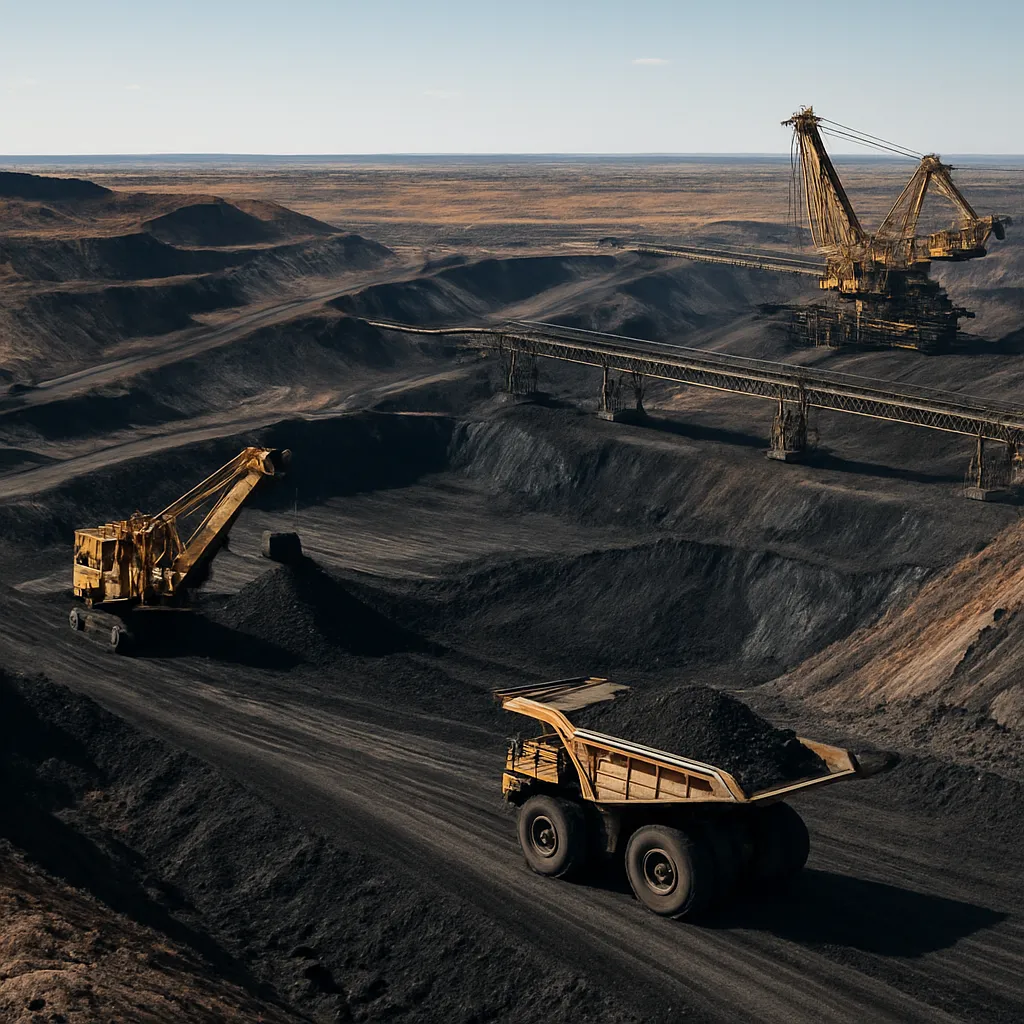
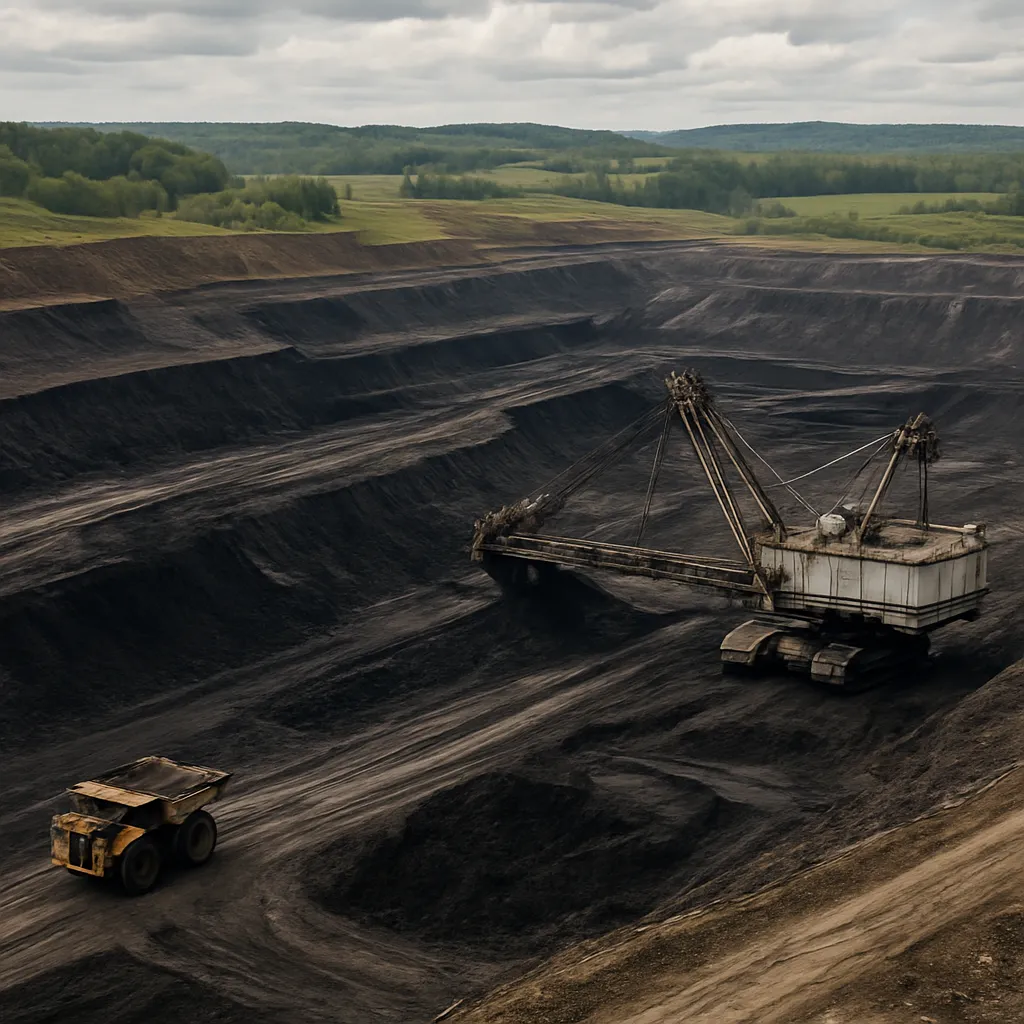
- Open-pit mining with large hydraulic shovels, wheel loaders and haul truck fleets for shallow-to-moderately deep seams;
- Room-and-pillar or longwall underground methods where seams are deeper or where surface disturbance must be minimized;
- Highwall mining or selective mining methods for edges of previously worked pits.
The mine infrastructure includes a processing (wash) plant, stockyards, load-out facilities, and a transportation connection to regional rail lines or highways. Typical site utilities encompass water management systems (for slurry, tailings and runoff control), power supply, workshops and controlled access roads. Modern safety systems, emergency response plans and continuous monitoring are standard. Reclamation and progressive environmental management are integrated into site planning, with waste rock and tailings facilities engineered to Canadian regulatory standards.
Production levels and processing
Exact tonnages for Phase 6 will depend on the scale of the development and market conditions at the time of operation. Mining phases in Canadian coal complexes are usually planned for multi-year extraction campaigns that produce several million tonnes over the life of the phase. Coal from Greenhills Phase 6 is sent to a beneficiation plant where it undergoes crushing, screening and washing to separate coal from mineral matter; this increases product quality, decreases ash and sulfur content, and improves calorific value.
Output is marketed as specific product streams—washed metallurgical coal, thermal coal, or a mix—tailored to domestic utility needs or export markets. Where rail access is available, export logistics commonly route product to Pacific ports for shipment to Asia, while domestic sales supply local power plants or industrial users.
Economic and social impact
Greenhills Phase 6 contributes to the local and regional economy through employment, procurement, and tax revenues. Typical economic and social effects include:
- Employment: the site directly employs a workforce across operations, maintenance, processing, and administrative roles. Indirect employment occurs through contractors, service providers, and local suppliers.
- Local procurement: goods and services — from heavy equipment maintenance to catering and housing for fly-in-fly-out crews — create ripple effects in regional economies.
- Public revenues: royalties, property taxes and corporate taxes contribute to provincial and municipal budgets, funding public services and infrastructure.
- Community investment: operators often negotiate agreements with nearby communities for training programs, local hiring commitments, and funding for community projects.
For many resource towns in western Canada, coal operations have historically been a cornerstone of economic stability. Phase expansions like Greenhills Phase 6 can extend mine life, maintain jobs and provide predictable cash flows that help local governments plan. In addition, some project operators pursue social license by establishing long-term benefit agreements with Indigenous communities and by implementing robust workforce development programs.
Environmental management and reclamation
Environmental stewardship is a central concern for modern Canadian mining projects. Greenhills Phase 6 follows regulatory frameworks that demand careful planning, monitoring and progressive reclamation. Key environmental management areas include:
- Water management: controlling surface runoff, treating process water and protecting downstream aquatic habitats;
- Tailings and waste rock: engineering storage facilities to prevent acid rock drainage and to limit leaching of metals or sulfur;
- Air quality: minimizing dust emissions through suppression systems and controlling combustion-related pollutants from onsite equipment;
- Biodiversity and land reclamation: staged rehabilitation of disturbed land, replacement of soils, and reestablishment of native vegetation; site closure plans often include habitat enhancements;
- Greenhouse gas management: implementing efficiency measures, electrification of some mobile fleets where feasible, and measurement/reporting of emissions.
Operators commonly prepare detailed environmental impact assessments (EIA) before expansion phases and maintain monitoring programs during operations. Reclamation bonds or financial assurances are often required by provincial regulators to ensure funds exist for mine closure and land restoration.
Regulatory and permitting context
Greenhills Phase 6 operates within a layered regulatory environment: federal laws concern fisheries, migratory birds and Indigenous consultation; provincial statutes govern permitting, environmental protection, and royalties; and municipal regulations can address land use and local services. Early and ongoing consultation with Indigenous groups is a legal and practical requirement in Canada, and many modern projects co-develop benefits agreements, job-training initiatives and monitoring programs with local Indigenous communities.
Market dynamics and trade
The markets for coal products from Greenhills Phase 6 depend on global demand and the specific product mix produced. Metallurgical coal typically sells on global commodity markets and is sensitive to steel production trends, while thermal coal prices are influenced by power-generation demand and the availability of alternative fuels (natural gas, renewables). Major export destinations for Canadian metallurgical coal include Asian steel-producing countries, while domestic markets absorb thermal coal where coal-fired generation remains in operation.
Shipping logistics—rail capacity, port access, and shipping cycles—play a deciding role in competitiveness. The cost-to-market, plus the quality of the washed product, determines the realized price. Operators periodically adjust production and stockpiling strategies to respond to cyclical price changes.
Statistics and regional industry context
Publicly available, site-specific statistics for Phase 6 may be limited in the public domain, but some general industry trends provide context:
- Canada is a significant global supplier of metallurgical coal; much of Canada’s export tonnage originates from British Columbia, though foothills and prairie operations contribute to both domestic supply and export volumes.
- Production volumes at individual mine phases typically range from hundreds of thousands to several million tonnes over the life of a phase depending on seam size and market conditions.
- Employment multipliers from mining are notable: direct site employment is complemented by a larger pool of indirect jobs in services, transportation and equipment supply.
For readers requiring exact figures (production tonnages, annual sales, employment numbers and royalty payments specific to Greenhills Phase 6), operators’ annual reports, provincial mining statistics and regulatory filing documents are the authoritative sources. Those documents typically present breakdowns by product type, sold volumes, realized prices and environmental performance metrics.
Significance within the industry
Greenhills Phase 6 is representative of how mature coal basins evolve through phased development. Its significance includes:
- Extending mine life: incremental phases such as Phase 6 allow companies to extract remaining economically viable reserves identified through ongoing exploration.
- Product optimization: beneficiation and selective mining can upgrade lower-quality coal into higher-value products, improving economic returns.
- Technology adoption: modern phases frequently incorporate automation, digital monitoring and improved environmental controls that raise safety and reduce per-ton costs.
- Regional stability: continued operations support local economies and maintain logistics infrastructure that can serve other resource sectors.
Challenges and risks
Even well-managed expansions face several challenges:
- Commodity price volatility: coal prices can swing widely based on global demand for steel and power, affecting project economics.
- Regulatory changes: evolving provincial and federal policies regarding emissions, land use and Indigenous consultation can alter project timelines and costs.
- Public acceptance: social license is crucial; opposition grounded in environmental concerns or land rights can delay or halt projects.
- Operational risks: geological uncertainties, equipment failures and workforce constraints can affect production throughput and safety performance.
Innovation, mitigation and community relations
To mitigate risks and improve sustainability, operators of projects like Greenhills Phase 6 invest in:
- Technologies to reduce water use and improve tailings management;
- Programs aimed at reducing greenhouse gas intensity per tonne mined, including fuel efficiency and equipment electrification trials;
- Community engagement platforms, local hiring commitments, and formal benefit agreements with Indigenous and nearby communities;
- Continuous monitoring and transparent reporting on environmental performance to build trust.
These actions are increasingly central to securing permitting, finance and market access in the current global context where environmental, social and governance (ESG) considerations carry weight with buyers and investors.
Future outlook
The future of Greenhills Phase 6, like other coal phases, is shaped by market demand for its product types and by policy direction on energy and emissions. If metallurgical coal demand for steelmaking remains strong, high-quality coking coal streams will continue to command robust markets. For thermal coal, long-term demand is more uncertain as many countries transition power systems toward lower-carbon alternatives. However, near to medium-term demand—driven by industrial and developing economies—can sustain production.
Operators that combine efficient production, strong environmental performance, and constructive community relationships are best positioned to keep projects viable. Ongoing technological improvements in mining and processing can lower unit costs and environmental footprints, while strategic logistics planning ensures competitiveness in export markets.
Summary
Greenhills Phase 6 represents a strategic expansion within a long-established Canadian coal complex. It integrates geological knowledge, modern mining practices and processing capabilities to produce coal products suited to domestic and international markets. The phase delivers economic benefits—through employment, local procurement and public revenues—while facing challenges from market volatility, regulation and environmental expectations. Sound environmental management, proactive community engagement and technological innovation are central to the project’s ability to operate responsibly and profitably. Accurate, phase-specific statistics and financial details are best obtained from operator disclosures and provincial regulatory filings for readers needing precise numerical data.