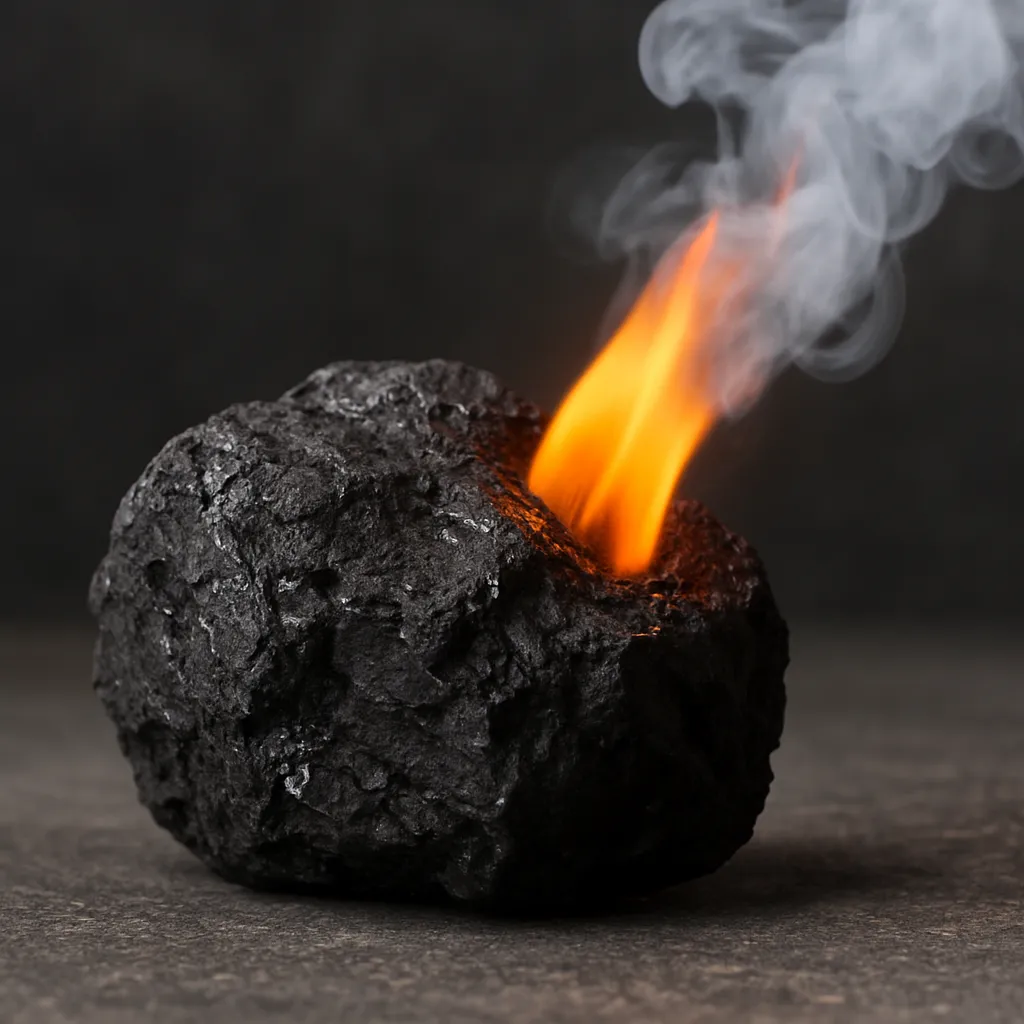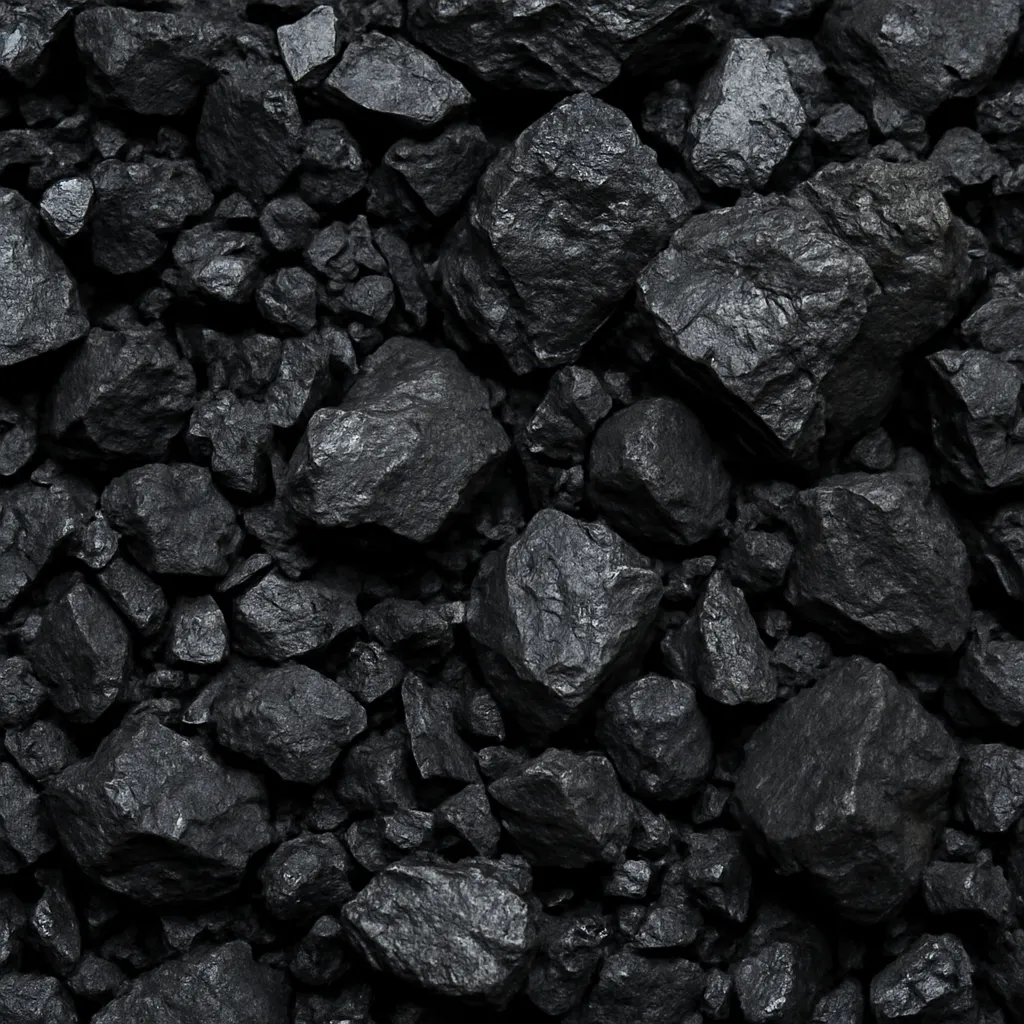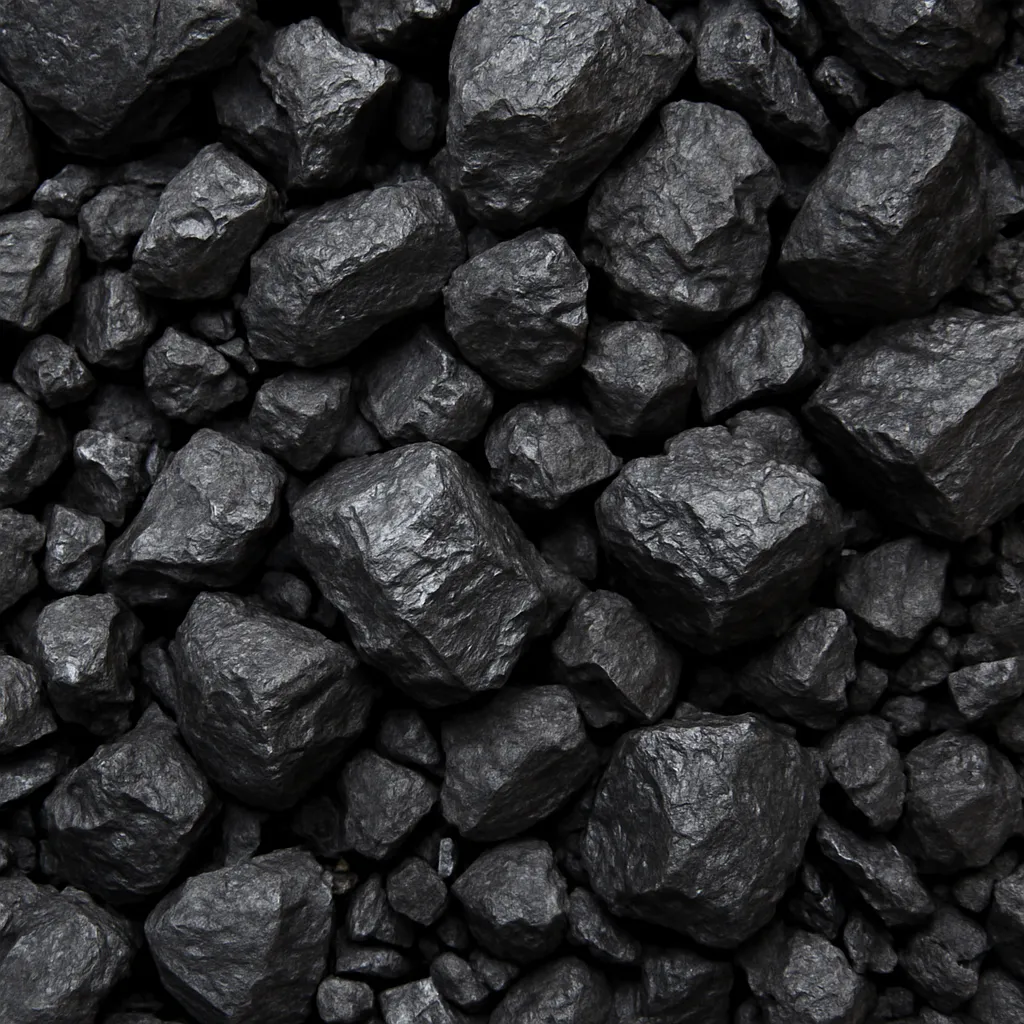
Multi-seam coal blends are combinations of coals from different geological horizons (seams) blended to produce a tailored fuel or metallurgical feedstock that meets specific physical and chemical specifications. This practice is widespread across the global coal industry because it allows operators and consumers to optimize fuel performance, control costs, reduce unwanted constituents (like sulfur and ash), and stabilize supply. Below is a comprehensive overview of where multi-seam blends occur, how they are produced and used, their economic and statistical context, and their role in the modern energy and industrial landscape.
Occurrence, geology and rationale for blending
Coals suitable for blending are found in layered sedimentary basins where multiple discrete seams were deposited during different geological periods. In many basins the seams vary in thickness, rank (from lignite through sub-bituminous, bituminous to anthracite), moisture, maceral composition and impurity content. Blending coals from multiple seams—or from different mine sections within the same basin—addresses variability in these properties and produces a more uniform product.
Why blend?
- Quality control: Combining coals smooths out variations in calorific value and other fuel properties so power plants or coke ovens receive a predictable feedstock.
- Specification compliance: Blends can be engineered to meet contractual limits on sulfur, ash, volatile matter, and grindability.
- Cost optimization: Lower-cost or lower-ranked coals can be blended with premium coal to reduce overall fuel expense while keeping performance within acceptable bounds.
- Resource utilization: Blending enables economic use of thin or lower-quality seams that would otherwise be uneconomic to market alone.
- Operational stability: For combustion systems, a predictable calorific profile and combustion behavior reduces emissions and maintenance issues.
Where multi-seam coal blends are mined and produced
Multi-seam coal operations are common in many traditional coal basins worldwide. Below are regions and the character of their multi-seam operations.
North America
- Appalachian Basin (USA): Characterized by numerous relatively thin seams of bituminous coal. Blending across seams and mines is common to meet coking and thermal specifications for both domestic use and export.
- Illinois Basin and Powder River Basin (PRB): The PRB is dominated by very thick sub-bituminous seams, so blends often occur between different mines rather than within a mine. Illinois Basin operators blend to meet metallurgical or steam coal requirements.
- Canada (British Columbia and Alberta): Multiple seams and grades are blended for metallurgical and thermal markets.
Europe
- Poland (Upper Silesia): Historically many seams of varying quality are mined. Multi-seam blending has been an important tool for both power generation and district heating.
- United Kingdom: The coalfields historically had numerous thin seams; blending and mixing of collieries’ output was common, though overall production has declined.
Asia and Oceania
- China: Very large coal basins (e.g., Shanxi, Inner Mongolia) contain multiple seams of differing rank. Blending is used extensively to manage quality for power plants and industrial consumers.
- India (Jharia, Raniganj, Talcher regions): Multiple seams with variable quality—blending helps balance calorific value and impurity levels for utilities and industry.
- Australia (Bowen Basin, Surat Basin): While some basins have thick, discrete seams, many operations blend seams and run-of-mine (ROM) coal streams to supply thermal and metallurgical markets. The seaborne metallurgical coal trade often uses blended products to meet buyer specifications.
Russia, South Africa and others
- Kuzbass (Russia): Large basin with multiple seams, used for both thermal and coking blends.
- South Africa (Highveld and Witbank): Multi-seam mining is practiced, and blending is used to deliver both power station coal and metallurgical coal feedstocks.
Mining methods, processing and logistics for multi-seam blends
Producing reliable multi-seam blends requires integrated planning from mine to end user. Key components include selective mining, coal preparation, stockyard management and controlled reclamation.
Mining and selective handling
- Selective mining and segregation at the face minimize dilution from roof and floor rock and allow separate streams from different seams to be maintained as distinct batches in the supply chain.
- Longwall, bord-and-pillar, and continuous miner systems are all used depending on seam geometry. When multiple seams are mined in sequence or simultaneously, careful planning prevents mixing until intentional blending.
Coal preparation and blending infrastructure
- Washery operations remove mineral matter and generate product coal and rejects. Blending often occurs after washing, combining clean coals of different seam origins to meet specifications.
- Stockpiles, silos, surge bins and automated reclaimers enable controlled blending. Modern facilities use computerized blend recipes and real-time analyzers (e.g., PGNAA—prompt gamma neutron activation analysis) for moisture, ash and sulfur monitoring.
- Handling challenges such as segregation (particle size separation), spontaneous combustion risk in high-moisture or reactive coals, and moisture equilibration are managed with engineering controls.
Industrial applications and technical considerations
Multi-seam blends serve a broad set of industrial applications, each with distinct technical requirements.
Power generation (thermal coal)
For pulverized coal-fired boilers and fluidized bed units, consistent calorific value, predictable combustion behavior and acceptable ash characteristics are essential. Blends are tuned to avoid slagging, fouling and excessive particulate emissions. Many utilities prefer coal blends that minimize the need for frequent combustion tuning and reduce boiler corrosion risks.
Metallurgical uses (coking coal and PCI)
Coking coal quality is judged on coking properties (CSR, CRI, fluidity), volatile matter and ash chemistry. Multi-seam blends can be devised to meet coke oven and blast furnace requirements or to make up PCI (pulverized coal injection) blends to reduce coke consumption in steelmaking. In metallurgical contexts, even small changes in blend composition can materially affect coke strength and blast furnace stability.
Cement, lime and industrial heating
Industries such as cement and lime production accept a wide range of coals. Blending allows operators to use cheaper, lower-ranked coals blended with higher-ranked coals to maintain kiln temperatures and reduce fuel costs.
Economic and statistical context
The global coal market is large, complex and regionally differentiated. Blending is both a response to and a driver of market dynamics.
Global production and trade (approximate figures)
- Global coal production in recent years has been on the order of approximately 8 billion tonnes per year (2021–2023 timeframe), with variation year-to-year depending on energy demand and policy shifts.
- Major producing countries include China (roughly 3.5–3.8 billion tonnes/year), India (around 700–900 million tonnes), the United States (≈ 500–700 million tonnes), Indonesia (≈ 500–600 million tonnes), Australia (≈ 400–500 million tonnes) and Russia (≈ 350–450 million tonnes). These figures vary annually with domestic demand and export volumes.
- Seaborne thermal coal trade typically ranges around 1.0–1.2 billion tonnes/year, while seaborne metallurgical coal trade is smaller (on the order of 150–250 million tonnes/year). Blending is particularly important for seaborne traders who must deliver contract-compliant cargos.
Economic drivers for blending
- Price volatility: When premium coals become expensive, blending with cheaper seam material reduces delivered cost without a proportionate loss in performance.
- Contract specifications: Buyers frequently require guaranteed calorific value, ash and sulfur limits; blending allows sellers to meet these contractual terms and avoid penalties.
- Inventory flexibility: Stockpile blend strategies reduce exposure to single-mine shutdowns and allow suppliers to manage throughput and cash flow.
Operational savings and performance
While exact savings depend on local conditions, blending can: reduce fuel costs by substituting lower-cost material while meeting specs; reduce downtime and maintenance costs by preventing high-ash or high-slagging coals from damaging boilers; and improve saleability of product coal by meeting end-user quality windows. For steelmakers, controlled blending can reduce coke consumption and thus lower overall steelmaking costs.
Environmental, regulatory and social aspects
Blending impacts environmental performance and regulatory compliance in multiple ways.
Emissions and environmental control
- By blending coal to lower average sulfur or to reduce fines that increase particulate emissions, operators can meet emissions limits more easily and reduce the necessity for costly flue gas desulfurization adjustments.
- However, blending to include higher-moisture or lower-rank coals may increase CO2 emissions per unit of delivered energy because lower calorific coals require higher mass throughput.
- Waste (washery rejects) management remains a major environmental consideration. Blending strategies that allow more coal to be washed (and rejects disposed or reprocessed) can reduce ash-related problems at the combustion site but increase waste volume at the mine.
Regulatory drivers
Air quality standards, pollutant emission limits and carbon pricing policies influence blending decisions. In jurisdictions with strict emissions and carbon costs, blending to lower sulfur and improve combustion efficiency is an economic response. Conversely, aggressive decarbonization policy can reduce demand for coal overall, changing the economics of investing in sophisticated blending infrastructure.
Social and community implications
In regions where multi-seam mining is a major employer, blending that allows longer life for mines and more stable employment can have positive social impacts. Conversely, blending that enables continued use of lower-quality coal in the face of climate goals may engender social and political debate.
Challenges and technical constraints
Despite many benefits, multi-seam blending faces several practical constraints:
- Logistics complexity: Maintaining separate streams from many seams and then blending on specification requires investment in handling and analytic equipment.
- Quality measurement: Real-time, accurate measurement of ash, sulfur and calorific value is technically demanding and requires capital investment.
- Segregation: Particle size and density differences can cause segregation in stockpiles, undermining intended blend ratios and requiring reprocessing or layering strategies.
- Moisture equilibration: Differences in moisture can change heat value post-blend, especially for low-rank coals with high inherent moisture.
Future outlook, innovation and strategic roles
Multi-seam blending will remain relevant in the near- to medium-term because it provides a way to optimize existing resources and meet user needs. However, longer-term demand for coal is uncertain in the face of decarbonization trends. Several forces will shape the role of multi-seam blends:
Technological innovations
- Advanced sensor-based sorting and online analyzers improve blend accuracy and reduce the need for conservative buffer margins.
- Digital optimization (AI and machine learning) enables dynamic blending recipes that respond to real-time market prices, plant performance and emissions readings.
- Improved washery technologies and fine coal recovery increase the range of material that can be profitably included in blends.
Market and policy influences
- Carbon pricing and stricter emissions will encourage blends that lower pollutant intensity and improve combustion efficiency; they may also reduce total thermal coal demand.
- Steel industry decarbonization (hydrogen DRI, increased scrap use) may reduce demand for coking blends over time, but near-term demand remains significant—especially where blast furnace routes persist.
Role in energy transitions
Blending can support a smoother transition by allowing plants to improve emissions performance and fuel flexibility. Cofiring of biomass with blended coal is one option some utilities use to lower net CO2 intensity while leveraging existing blend infrastructure.
Interesting facts and practical examples
- Large seaborne coal cargos are often blends from several mines and sometimes several countries to meet tight buyer specifications—traders build bespoke blends in port stockyards before loading.
- Some power plants maintain dozens of separate coal stockpiles, each representing a different seam or mine batch; blending recipes draw from these inventories to achieve precise quality targets.
- In some basins, historically uneconomic seams gain value when blended—permitting marginal mining fronts to be extended and increasing overall resource recovery.
Summary
Multi-seam coal blends are a pragmatic and widely used solution in the coal value chain that allow supply flexibility, cost optimization and technical compliance with consumer specifications. They are produced in many of the world’s major coal basins—from Appalachia and the PRB to China, India, Russia, Australia and Central Europe—and are important for thermal power generation, steelmaking and other industrial processes. While blending helps operators manage quality and economics in a volatile market, the practice faces technical, environmental and regulatory challenges as global energy systems evolve. Continued innovation in sensors, washery technology and digital optimization will determine how blending adapts to a lower-carbon future.