Gare Palma IV/2 is one of the named coal mining sites in India that belongs to a broader cluster of deposits commonly referred to under the Gare Palma group. Situated in the central-eastern region of India, this site is part of a larger Gondwana coalfield system that has been instrumental in supplying fuel for the country’s power generation and industrial needs. This article summarizes the geological setting, the type and quality of coal, the mining methods in use, its economic and industrial significance, environmental and social aspects, and strategic prospects for the future. Where precise official statistics for the specific IV/2 sub-block are scarce in the public domain, broader regional and sectoral figures are provided for context.
Location and geological setting
Gare Palma IV/2 is located in the coal-bearing basins of central India, in a region characterized by the extensive Gondwana sedimentary sequences that host most of India’s inland coal reserves. The Gare Palma group of blocks sits within a larger coal belt that includes well-known districts and states such as Chhattisgarh and adjacent areas, where thick sequences of Permian and Triassic-aged sediments contain multiple coal seams. These deposits formed in ancient fluvial-deltaic and peat-accumulating environments, producing medium- to high-ash bituminous coals typical of the Indian interior basins.
Geologically, the seams in the Gare Palma area often display multiple benches with seam thicknesses that can be favorable for large-scale extraction. The regional geology features alternating sandstone, shale and coal seam horizons, which influences both the choice of mining method and the engineering design for slope stability, dewatering and pit layouts.
Coal type, quality and reserves
Coal extracted from the Gare Palma complex, including the IV/2 sector, is predominantly of the non-coking, high-ash bituminous rank that is commonly used for thermal power generation. Typical characteristics for coals from similar Gondwana deposits include:
- Calorific value in the range typical for Indian thermal coals (often between 4,000 and 6,500 kcal/kg on as-received or air-dried basis, depending on washability and seam quality).
- Moderate to high ash content, frequently ranging from 25% to over 35% in run-of-mine material; washability improvements can reduce ash percentages in beneficiated coal.
- Sulfur content usually low to moderate, which is advantageous for reducing certain emissions, though ash handling remains a major operational consideration.
Precise, audited reserve figures specifically for Gare Palma IV/2 are not always available in public sources. However, the Gare basin as a whole has been reported in industry and government exploration surveys to contain substantial in-situ coal resources, often measured in the hundreds of millions of tonnes across multiple sub-blocks. For planning purposes, operators typically classify resources into proved, probable and possible categories based on drilling density and geotechnical assessments. In many Indian coal blocks of similar size, economically mineable reserves for a single sub-block may range from several tens to a few hundred million tonnes depending on seam continuity, thickness and depth.
Mining methods and operational aspects
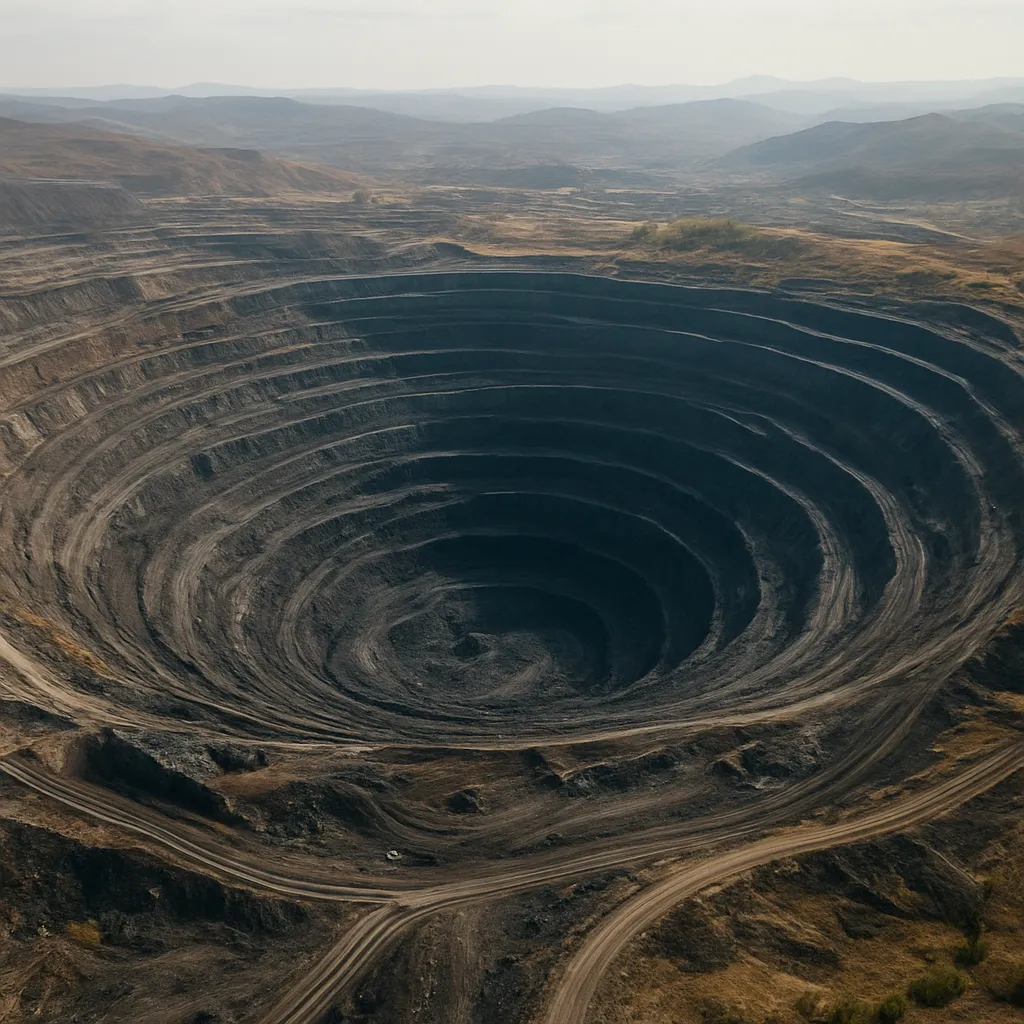
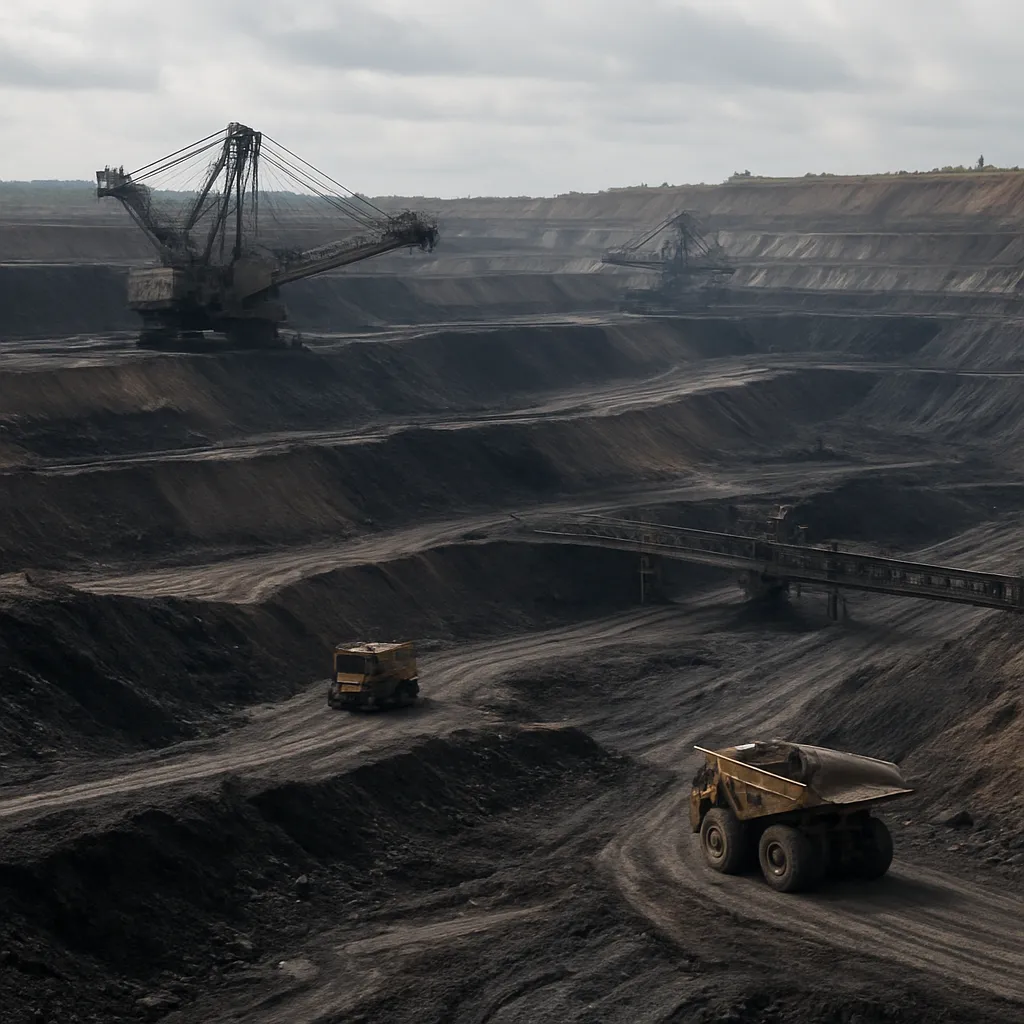
Given the geological profile and seam depths, the predominant extraction method for a site like Gare Palma IV/2 is likely to be opencast mining where seam depth, lateral extent and overburden ratios make surface mining economically viable. Opencast mining offers advantages of high productivity, lower unit cost, and simpler logistics compared with underground mining, especially for high-volume thermal coal supply.
Key operational features typically include:
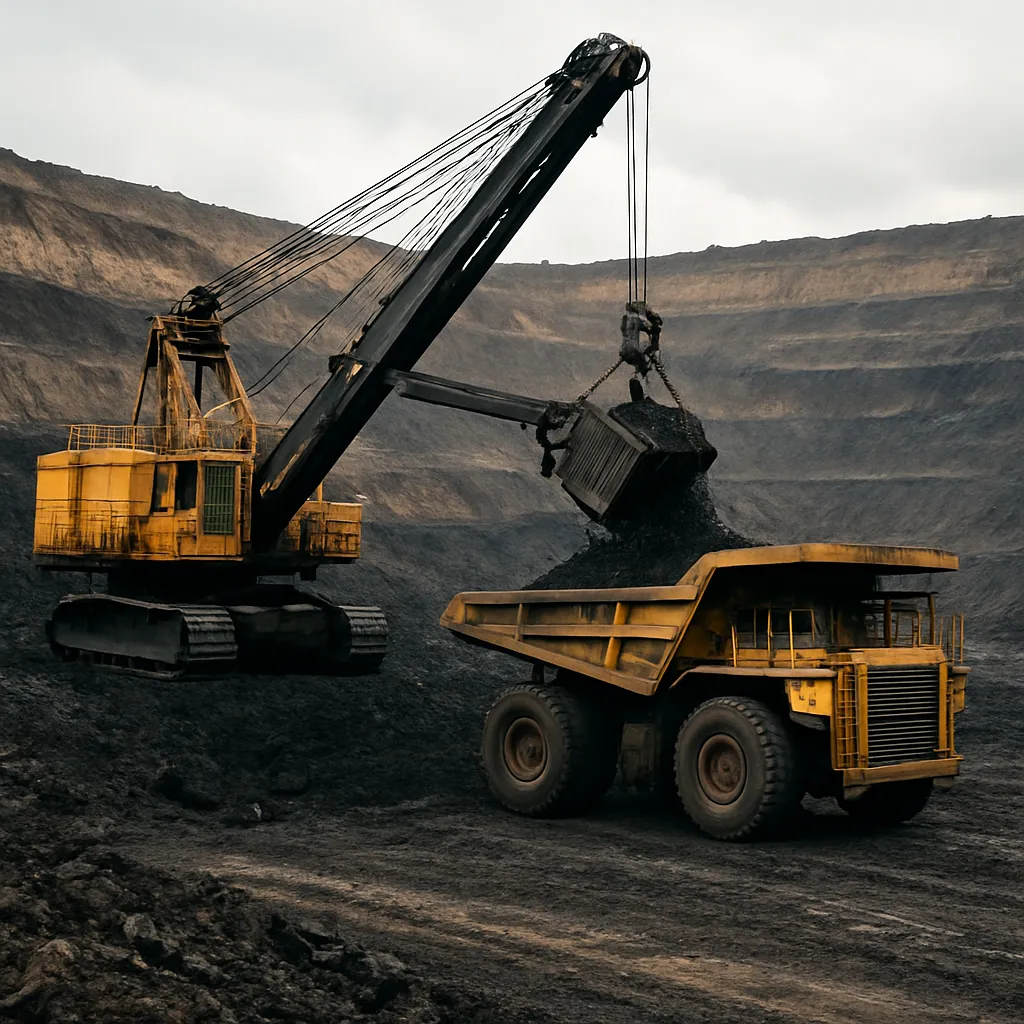
- Removal of overburden using large excavators and dumpers, with progressive benching to reach the coal seams.
- Coal extraction with heavy excavators, loaders and, where appropriate, continuous mining systems for softer, friable seams.
- On-site coal handling and crushing facilities, with coal beneficiation plants (washery) either integrated or located nearby to improve calorific value and reduce ash.
- Progressive rehabilitation and slope stabilization of mined-out areas, in line with regulatory environmental obligations.
For deeper seams or where geological complexity dictates, selective underground mining methods (such as bord-and-pillar or mechanised longwall, if applicable and justified economically) could be considered, but in many such Gondwana blocks, surface mining remains dominant for near-surface reserves.
Economic and industrial significance
The strategic importance of coal blocks such as Gare Palma IV/2 is multifaceted. Coal remains the backbone of India’s electricity generation mix and a major input to industries such as steel, cement and various metallurgical processes. A few points of economic significance:
- Energy security: Local coal production reduces dependence on imports and supports nearby power plants, ensuring more stable fuel supply and lower transport-related costs.
- Employment: Large-scale opencast operations create a mix of direct and indirect jobs—equipment operators, engineers, geologists, maintenance and logistics staff, plus ancillary services in local communities.
- Regional development: Mining projects often spur the development of roads, rail connectivity, power lines and social infrastructure (schools, clinics), contributing to local economic multipliers.
- Revenue generation: Royalties, taxes, lease payments and corporate investments contribute to state and central government revenues, and can finance public services.
At the national level, coal production in India has historically been measured in the realm of several hundred million tonnes per year (with production rising into the 700–900 million tonnes per annum range during recent years). Coal-producing states, including the central-eastern belt that hosts Gare-type blocks, account for a significant share of this output. The local supply to thermal power plants can be a decisive factor in reducing hourly grid constraints and supporting industrial customers in the region.
Infrastructure, logistics and connectivity
A mining site’s value is closely tied to its logistical connectivity. For Gare Palma IV/2, as with similar projects, critical infrastructure elements include:
- Rail links: Dedicated rail sidings or connectivity to mainline railways are essential for bulk coal dispatch to distant power plants and industrial customers. Rail transport offers cost-efficient long-haul movement compared with road haulage for large tonnages.
- Road networks: All-weather roads connect the mine to regional markets, construction supply chains and workforce settlements.
- Power and water: Adequate electrical supply supports mine operations, washery processing and workshop facilities; water is required for dust suppression, washing operations and domestic use, making water management a critical operational task.
- Washery and beneficiation: Where high ash content is a constraint, nearby or captive washeries improve coal quality and broaden marketability for higher-end customers.
Investment in rail and power infrastructure around mining sites often becomes a shared priority among mining companies, utilities and state governments to maximize the economic potential of the block and reduce logistical bottlenecks.
Environmental and social aspects
Mining in India is subject to regulatory regimes that mandate environmental impact assessments (EIA), public consultations, pollution control measures and mine closure plans. For Gare Palma IV/2, environmental management typically addresses:
- Air quality and dust control: Measures such as water spraying, covered conveyors, greenbelt development and enclosures for crushing units reduce particulate emissions.
- Water management: Ensuring sustainable groundwater use, controlling mine runoff, and treating effluents from washeries are essential to prevent contamination of local water bodies.
- Rehabilitation: Progressive backfilling of exhausted benches, topsoil preservation and post-mining land use planning (afforestation, community spaces or water reservoirs) are standard practices.
- Social impact: Resettlement and rehabilitation (R&R) of affected communities, livelihood restoration programs, and ongoing stakeholder engagement are necessary to maintain social license to operate.
The environmental footprint of high-ash coal also extends to power plants’ ash disposal and management, suggesting that integrated planning across the fuel supply chain is important. Modern mining projects increasingly emphasize sustainable practices, including energy-efficient equipment, waste recovery (e.g., fly ash utilization), and biodiversity conservation measures.
Regulatory, ownership and policy context
Coal mining in India is regulated through a combination of central and state laws, licensing regimes and policy instruments. Over the past decades, policy reforms have enabled a mix of public sector undertakings and private firms to develop coal blocks under various allocation models. Key policy dimensions relevant to a block like Gare Palma IV/2 include:
- Licensing and environmental clearances based on statutory EIA processes.
- Royalty structures and revenue-sharing arrangements with state governments.
- Obligations for mine closure plans, environmental compensation and community development funds.
- Market reforms allowing commercial mining and sale of coal to various end-users, thereby encouraging private investment and operational optimization.
Ownership and operator information for specific sub-blocks can vary: some are operated by state-owned enterprises (such as those within the Coal India group), while others may be concessions granted to private firms. The market orientation of coal—whether captive for a specific power or steel plant or sold on the open market—also shapes investment and operational decisions.
Statistics and performance indicators
Publicly available, granular statistics for a single sub-block such as Gare Palma IV/2 may be limited. Nevertheless, useful performance indicators typically tracked for mining operations include:
- Annual production (million tonnes per annum)
- Strip ratio (cubic metres of overburden removed per tonne of coal)
- Washability and post-wash calorific value
- Capital and operating costs per tonne
- Employment figures and local procurement value
- Environmental metrics: particulate emissions, effluent quality, area rehabilitated
For contextual reference, India’s national coal production in recent years reached levels in the several hundred million tonnes per annum bracket, and states in the central-eastern belt contributed a large share. At the sub-block level, feasible annual production can range widely—from fractions of a million tonnes for small mines to tens of millions of tonnes for large-scale opencast operations—depending on reserves, mining capacity and market access.
Interesting facts and strategic considerations
Several broader observations about coal blocks like Gare Palma IV/2 help place them in perspective:
- Strategic fuel role: Despite global shifts toward decarbonization, coal remains a critical transitional fuel for India’s energy mix, used heavily in power generation and industry. Blocks with substantial reserves directly support local and national energy stability.
- Technological evolution: Modern surface mining increasingly uses high-capacity shovels, electric-driven equipment, and automated dispatch systems to improve productivity and reduce operating costs.
- Value addition: Establishing washeries and value-chain linkages (e.g., captive power plants, coal-to-chemicals or briquetting of fines) enhances the economic yield from mined coal and reduces waste streams.
- Climate and transition pressures: Long-term policy trends toward lower-emissions energy systems will shape investment timelines; consequently, mine operators focus on efficiency, mitigation and diversified use of land post-mining.
Future outlook
The immediate future for a site like Gare Palma IV/2 will depend on a confluence of factors: geological productivity, the availability of capital for development, market demand from power and industrial sectors, and regulatory approvals tied to environmental performance and social commitments. Expected directions include:
- Continued focus on maximizing recovery rates and improving product quality through beneficiation.
- Investment in logistics—particularly rail connectivity—to reduce delivered costs and expand market reach.
- Emphasis on sustainable mining practices, including lower-carbon equipment, improved dust control, and more effective water recycling.
- Potential integration with local industrial clusters for captive use, which can provide stable off-take and justify higher initial capital deployment.
At the policy level, balancing short- to medium-term energy needs with long-term decarbonization goals will be central. This implies that while coal mining remains relevant for several decades, operators and policymakers are likely to accelerate adoption of cleaner technologies, circular economy practices (e.g., ash utilization) and community-oriented development strategies.
Conclusion
Gare Palma IV/2 is representative of many Indian coal sub-blocks that play an important role in regional industry and energy supply. While specific public-domain statistics about production and reserves for this exact sub-block may be limited, the geological setting, typical coal characteristics and operational models are well understood: medium- to high-ash bituminous coal extracted primarily by opencast mining, serving thermal and industrial markets, and contributing to local economic development. The future of such blocks will be shaped by investments in efficiency, environmental stewardship and infrastructure, as well as the evolving national and global energy landscape.