The following article provides a comprehensive overview of the El Palmar coal mining site in Colombia. It covers the mine’s geographical setting, geological characteristics, the types of coal produced, economic and social importance, operational and statistical information (where publicly available), environmental considerations and regulatory context, and prospects for the future. The aim is to present a clear picture of El Palmar’s role in Colombian coal mining and the wider energy and commodity markets.
Location and geological setting
El Palmar is a coal mining site situated in northern Colombia, within one of the country’s major coal-producing regions. The mine lies in the broader geological domain commonly referred to as the Cesar Basin and adjacent basins that host much of Colombia’s commercially exploited coal. This region is characterized by extensive Tertiary and Cretaceous sedimentary successions that contain multiple coal seams formed from ancient peat swamps.
The geology around El Palmar typically includes interbedded sandstones, siltstones and shales, with stratigraphic coal seams varying in thickness, lateral continuity and depth. The coal-bearing sequences were deposited in deltaic to fluvial environments and later buried and thermally matured to generate the types of coal targeted by modern mining. Faulting and folding associated with Andean tectonics have influenced seam geometry and mining design.
Key geological characteristics
- Coal seams: multiple seams of varying thickness; mine planning targets the most continuous and economically recoverable seams.
- Stratigraphy: alternating sandstone-siltstone-shale units creating benches and interburden that control extraction methods.
- Structural controls: faults and minor folds which can affect seam continuity and require geotechnical assessment.
- Hydrogeology: shallow aquifers and groundwater inflows may be present and need to be managed in both open-pit and underground workings.
Mining operations and coal characteristics
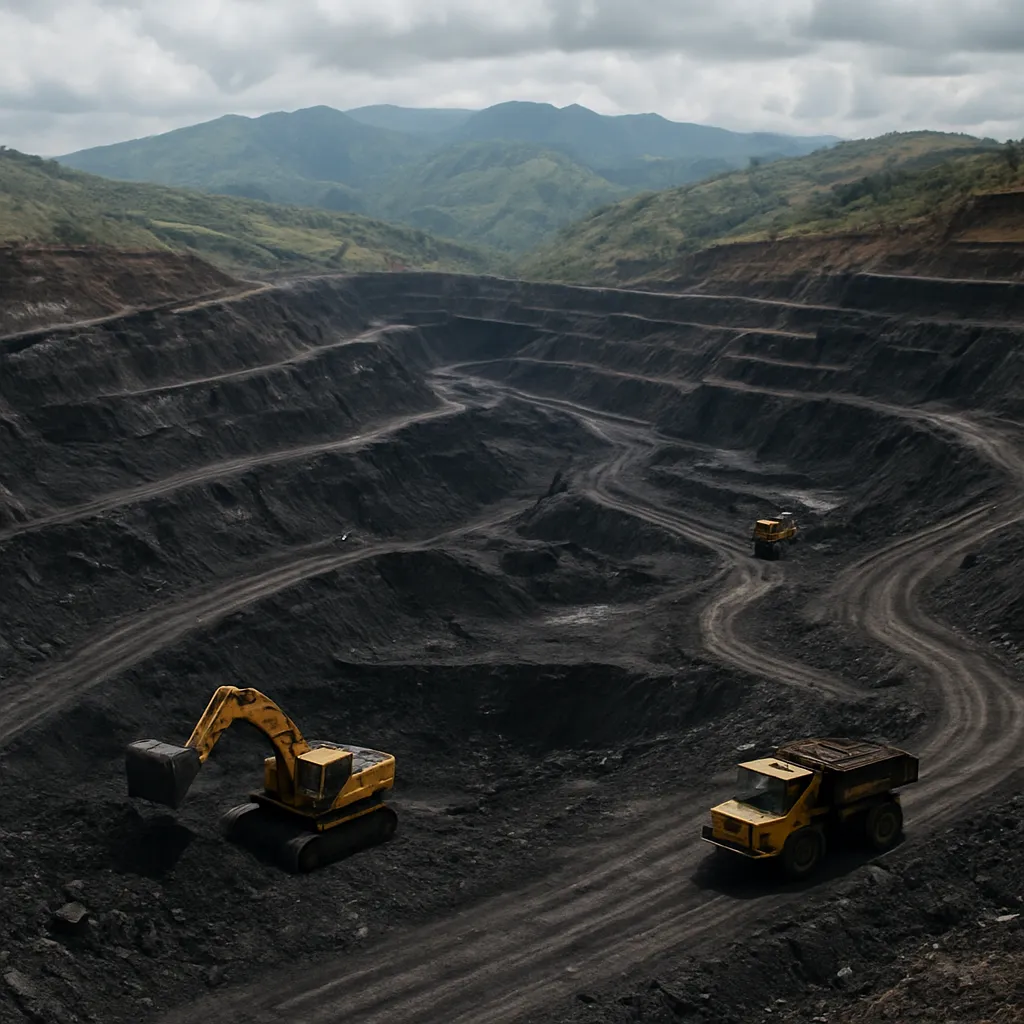
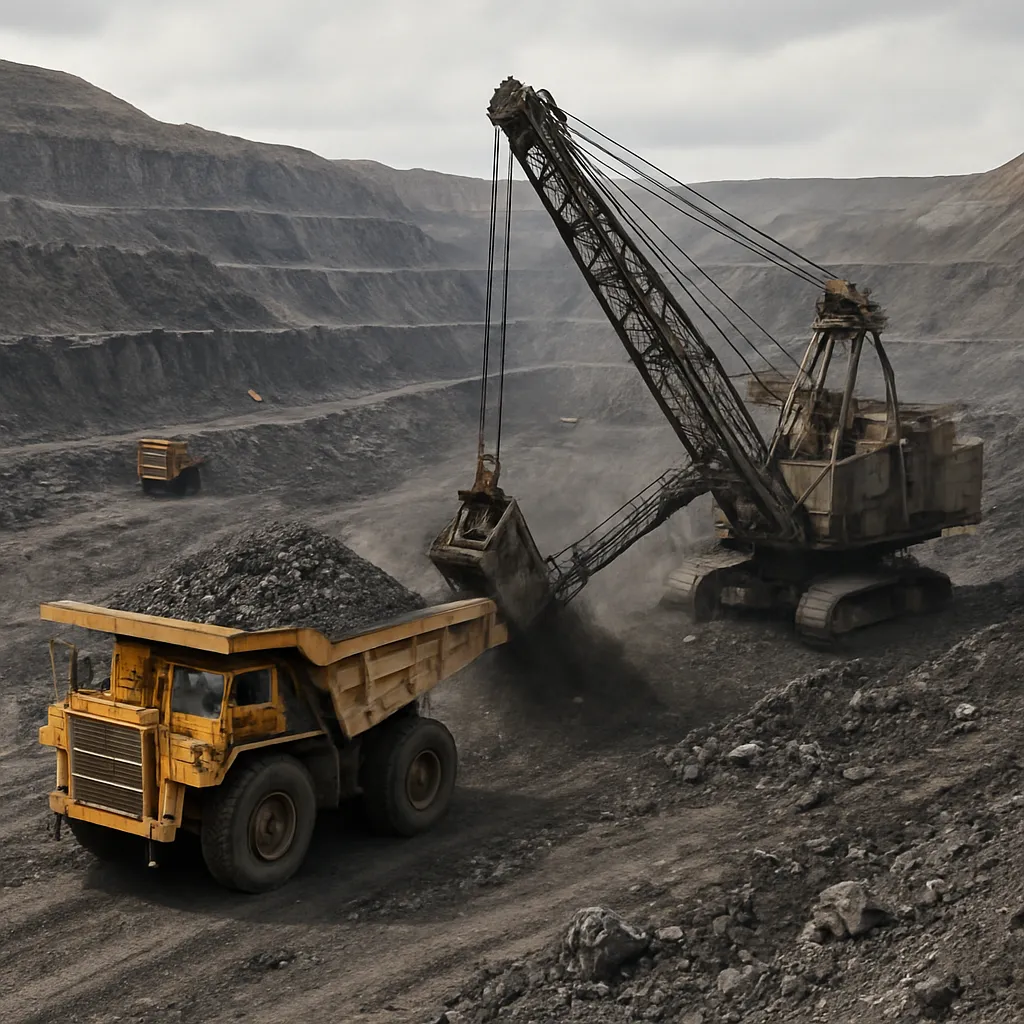
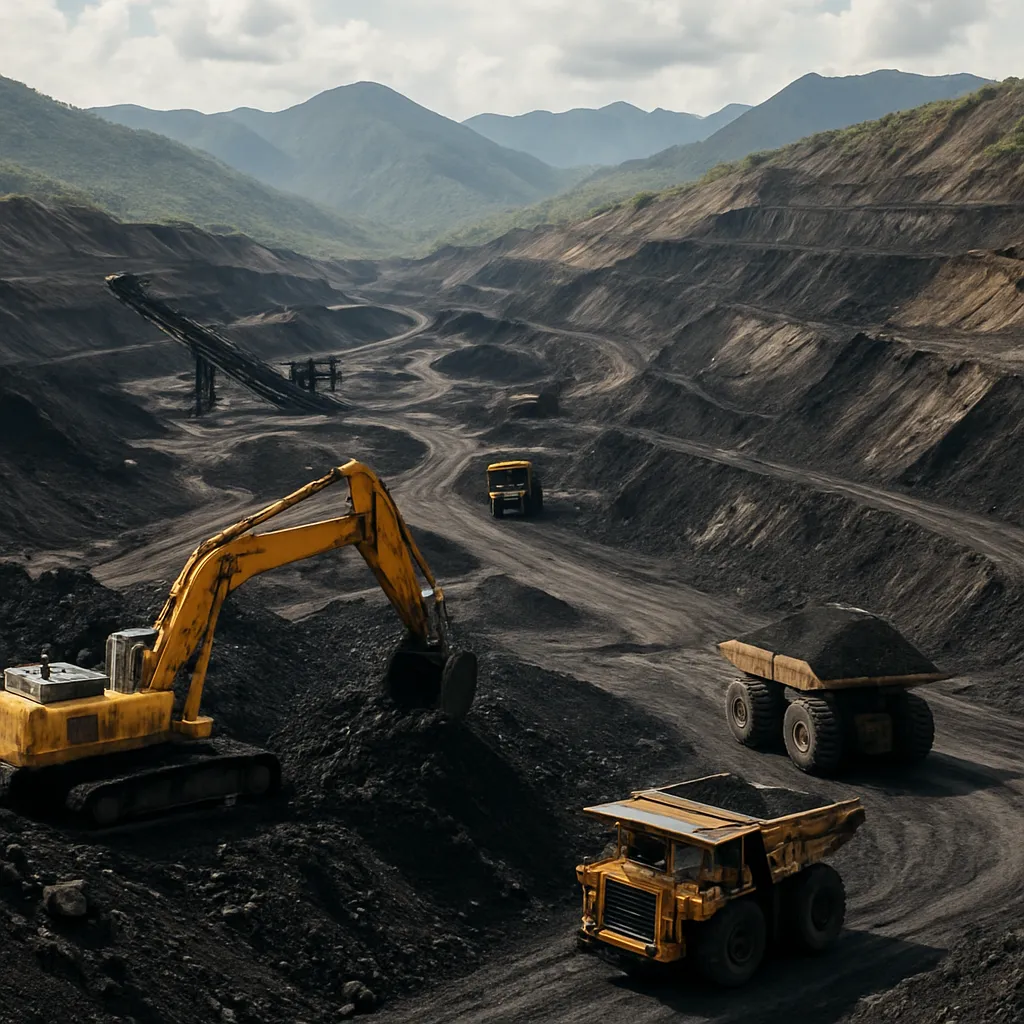
El Palmar operates using techniques common to Colombian coal mining: where seams are shallow and extensive, open-pit methods are used; deeper or structurally complex areas may require underground extraction. The mine infrastructure typically includes overburden removal systems, haul trucks, processing facilities (wash plants), stockyards, and logistics for transporting coal to ports or domestic consumers.
The coal at El Palmar is generally classified as thermal coal with properties suited for power generation and industrial heat. Operational coal quality parameters commonly referenced include calorific value (gross calorific value expressed in kcal/kg or MJ/kg), moisture content, ash content, sulfur content, and volatile matter. Colombian coal often has relatively low sulfur content, making it attractive for export markets with sulfur emission regulations.
Typical coal quality features
- Rank: predominantly bituminous to high-volatile bituminous, suitable for power stations.
- Calorific value: medium to high (exact values vary by seam and wash plant output).
- Ash and sulfur: variable ash content; generally low sulfur compared with some global coals, helping meet environmental constraints.
- Washability: many Colombian coals are amenable to washing and physical beneficiation to improve product quality.
Processing and product streams
After extraction, coal from El Palmar is typically sized and washed to remove impurities and meet buyer specifications. Product streams often include:
- Washed thermal coal for international export markets
- Lower-grade coal or reject streams used for domestic power or industrial applications
- Coal fines that may be pelletized or blended for specific combustion properties
Economic and social importance
The El Palmar mine contributes to regional and national economies through direct employment, indirect service-sector jobs, and fiscal revenues such as royalties and taxes. Coal remains one of Colombia’s most important mineral exports, supporting foreign exchange earnings and development financing for regional infrastructure. At the local level, El Palmar is often a major employer in nearby communities and a focal point for local procurement by suppliers and contractors.
Employment and community impacts
Mines like El Palmar create a mix of jobs: mine operators, equipment maintenance crews, processing plant operators, geologists and engineers, truck drivers, administrative personnel, and roles in safety, environment and social outreach. In addition to direct wages, mining projects generate indirect employment through local suppliers, transport services, and retail. Social investments by mining companies commonly include community development projects such as education, healthcare clinics, local road improvements and water supply initiatives.
Fiscal contributions and regional development
Coal mining contributes through royalties, export taxes, corporate taxes and local levies. These revenues can be channeled into departmental budgets and national funds for infrastructure, education and social programs. In Colombia’s multi-tiered fiscal system, municipalities and departments hosting mines typically receive a share of mining-related revenues, which can be significant for budgets in less diversified local economies.
Statistics, production and market context
Exact production and reserves figures for El Palmar depend on company reporting and national mining inventories. While specific public figures for some smaller or mid-sized mines are not always systematically published, a few general points are useful:
- Colombia ranks among the world’s leading coal exporters, with major export volumes directed to Europe, Asia and the Americas.
- Regional export infrastructure (rail links, port terminals) determines the economic viability and market reach of a mine such as El Palmar.
- Mine production can range widely: some Colombian mines produce several million tonnes per year, while smaller operations produce below one million tonnes per year. El Palmar’s scale places it as a local to regional contributor rather than a national super-producer like the largest mines.
When discussing statistics, it is important to note that production volumes, employment headcounts and reserve estimates can change year-to-year because of market conditions, operational adjustments and exploration results. For readers seeking the most current numerical data for El Palmar, company reports, Colombia’s National Mining Agency (Agencia Nacional de Minería) and Colombia’s mining statistics publications are primary sources.
Market dynamics and export channels
El Palmar’s coal typically finds buyers in both domestic power generation and international markets. Key market drivers include:
- Global demand for thermal coal, driven by power generation needs in coal-dependent countries
- Freight and logistics costs (port availability and shipping rates influence competitiveness)
- Quality parameters (buyers seek specific calorific values, ash and sulfur limits)
- Price volatility on global coal markets, which affects mine revenues and investment decisions
Environmental, social and regulatory aspects
Coal mining at El Palmar is regulated under Colombian environmental and mining laws. Environmental impact assessments (EIAs), water management plans, reclamation strategies and community consultation processes are mandatory components of permitting. Companies must implement mitigation measures for air emissions (dust), water quality, soil stability and biodiversity impacts.
Environmental management practices
- Water control: sedimentation ponds, treatment plants and controlled discharge to protect local waterways.
- Dust suppression: watering of haul roads, covered conveyors, and enclosures at coal handling facilities.
- Rehabilitation: progressive reclamation of disturbed land, topsoil conservation and revegetation to restore ecosystem services.
- Biodiversity: baseline studies and offset measures when habitats of conservation interest are affected.
Social license to operate is crucial. Community relations programs include employment priority for local residents, grievance mechanisms, and long-term development agreements. Conflict can arise over land use, water resources and perceived unequal distribution of mining benefits, so transparent stakeholder engagement is essential.
Regulatory framework
Colombian mining regulation includes licensing, environmental licensing (by national and regional authorities), occupational safety standards, and fiscal obligations. Recent years have seen increased scrutiny around environmental impacts and indigenous/community rights, leading to more stringent consultation practices and, in some cases, project delays or litigation. Compliance with national laws and international best practice standards (for example, IFC performance standards when international financing is involved) is increasingly a feature of large and medium-sized mining projects.
Operational challenges and risk management
Mines like El Palmar face a range of operational challenges that require active management. These include fluctuating coal prices, logistic bottlenecks, variable geology, safety and occupational health risks, and environmental compliance obligations. Effective risk management involves:
- Robust geological modeling to reduce uncertainty and optimize mine planning
- Adaptive operational planning to align production with market demand
- HSE systems to minimize incidents and promote safe working conditions
- Community engagement strategies to address social impacts proactively
- Contingency planning for supply chain disruptions and regulatory changes
Technological advances — such as improved dragline and truck fleets, automation of certain processes, and enhanced coal preparation technologies — can increase productivity and reduce unit costs. However, adoption requires capital investment and skilled personnel.
Significance in the Colombian coal industry
While El Palmar is not typically listed among Colombia’s largest single mines, it plays a meaningful role in the regional mining landscape by supplying coal to domestic plants and export channels, contributing to employment, and supporting local economies through procurement and fiscal payments. Mines of this scale collectively sustain the critical mass of Colombia’s coal sector, enabling export logistics and regional services that larger players also use.
Integration with national supply chains
El Palmar’s output often integrates with regional processing facilities and export terminals. The presence of several medium-sized operations in a basin creates economies of scale in services such as rail haulage, port handling, and coal blending. Coal quality blending at port or at the mine’s preparation plant helps producers meet the strict contract specifications demanded by international buyers.
Interesting facts and contextual insights
- Historical context: Coal mining in northern Colombia expanded rapidly in the late 20th and early 21st centuries as global demand increased and investments in open-pit technology grew.
- Export orientation: Many Colombian coal mines focus on export markets, which makes them sensitive to global economic cycles and shifts in energy policy abroad.
- Local supply chains: Mines create secondary industries, including maintenance workshops, equipment rentals, transport services and specialized contracting businesses.
- Climate considerations: The global transition to low-carbon energy creates both risks and opportunities. While thermal coal faces demand pressures in some markets, other markets continue to rely on coal for baseload electricity for years to come.
Future outlook and challenges
The future of El Palmar will be shaped by a mix of local operational decisions, global market forces and national energy and environmental policies. Key factors include:
- Market demand: Continued demand for thermal coal in certain regions supports production, but long-term structural decline in coal demand in some markets may reduce export opportunities.
- Cost competitiveness: Maintaining low unit costs through efficient mining, processing and logistics will be crucial to remain competitive.
- Regulatory changes: Tighter environmental and social regulations could increase operating costs but also drive improvements in sustainability practices.
- Exploration and reserve replacement: Ongoing exploration is needed to replace mined reserves and sustain production levels.
- Energy transition strategies: Mines and stakeholders may explore diversification, reclamation-led land uses, and carbon management strategies as part of broader adaptation to a low-carbon future.
El Palmar’s continuing contribution will depend on balancing economic returns, social responsibilities and environmental management. Mines that successfully integrate modern operational efficiency with transparent engagement and robust environmental practices will be better positioned amid changing global energy landscapes.
Where to find more detailed data
For readers seeking precise, up-to-date figures on production, reserves, employment and fiscal payments related to El Palmar, recommended sources include official company reports (if the mine is operated by a private or public mining company), Colombia’s National Mining Agency (Agencia Nacional de Minería), the Ministry of Mines and Energy, and trade publications that track coal shipments and prices. Environmental impact assessments and permitting documents, when publicly available, provide detailed technical and social baseline data. International organizations and commodity analysts also publish periodic reviews of Colombia’s coal industry that place individual mines in national and global context.
Summary
El Palmar is a representative Colombian coal mine located in the nation’s important northern coal-producing region. It produces thermal coal of bituminous rank that feeds domestic power needs and export markets. The mine’s value lies not only in the tonnes of coal produced but also in its contributions to regional employment, infrastructure and fiscal revenues. Like many coal operations, El Palmar faces operational, environmental and market challenges that will determine its long-term role in Colombia’s energy and mining sectors. Responsible management, adherence to regulatory standards and adaptive planning will be critical to sustaining its benefits while minimizing local impacts.