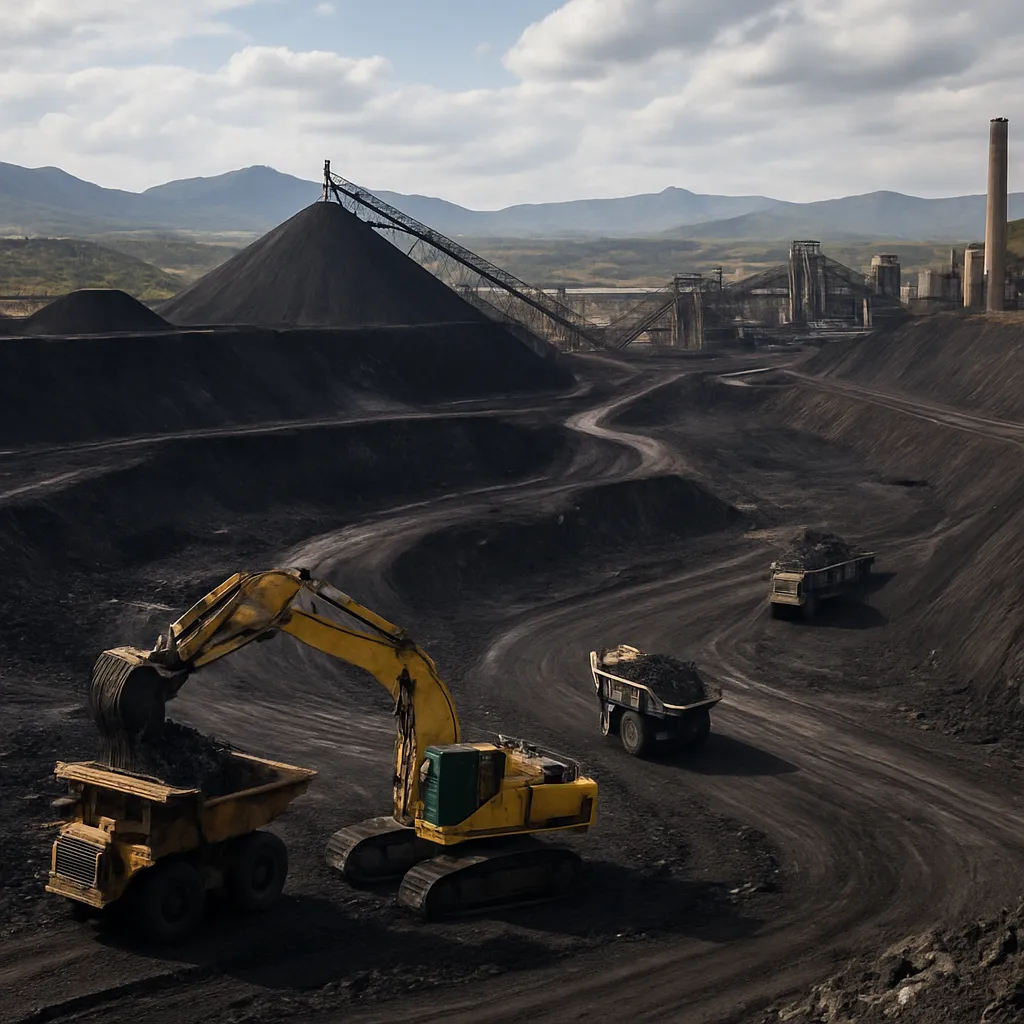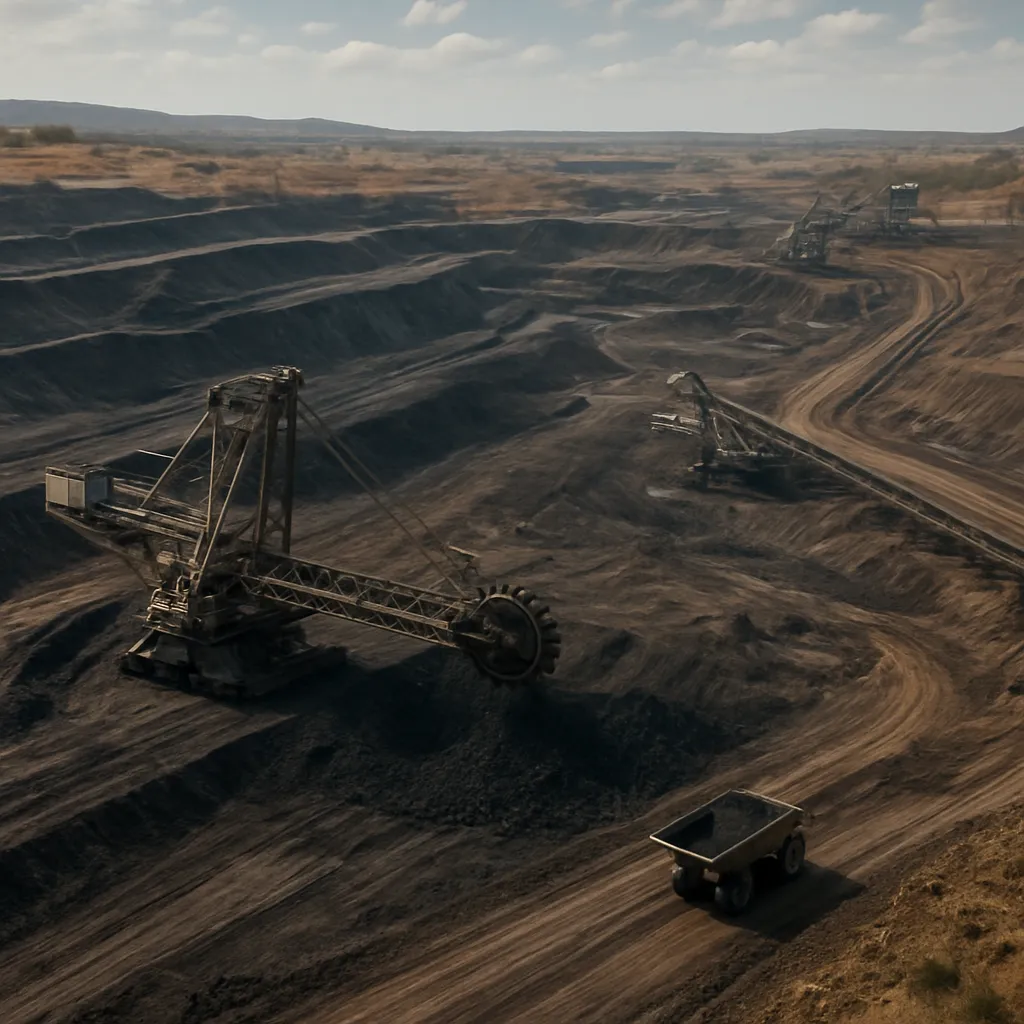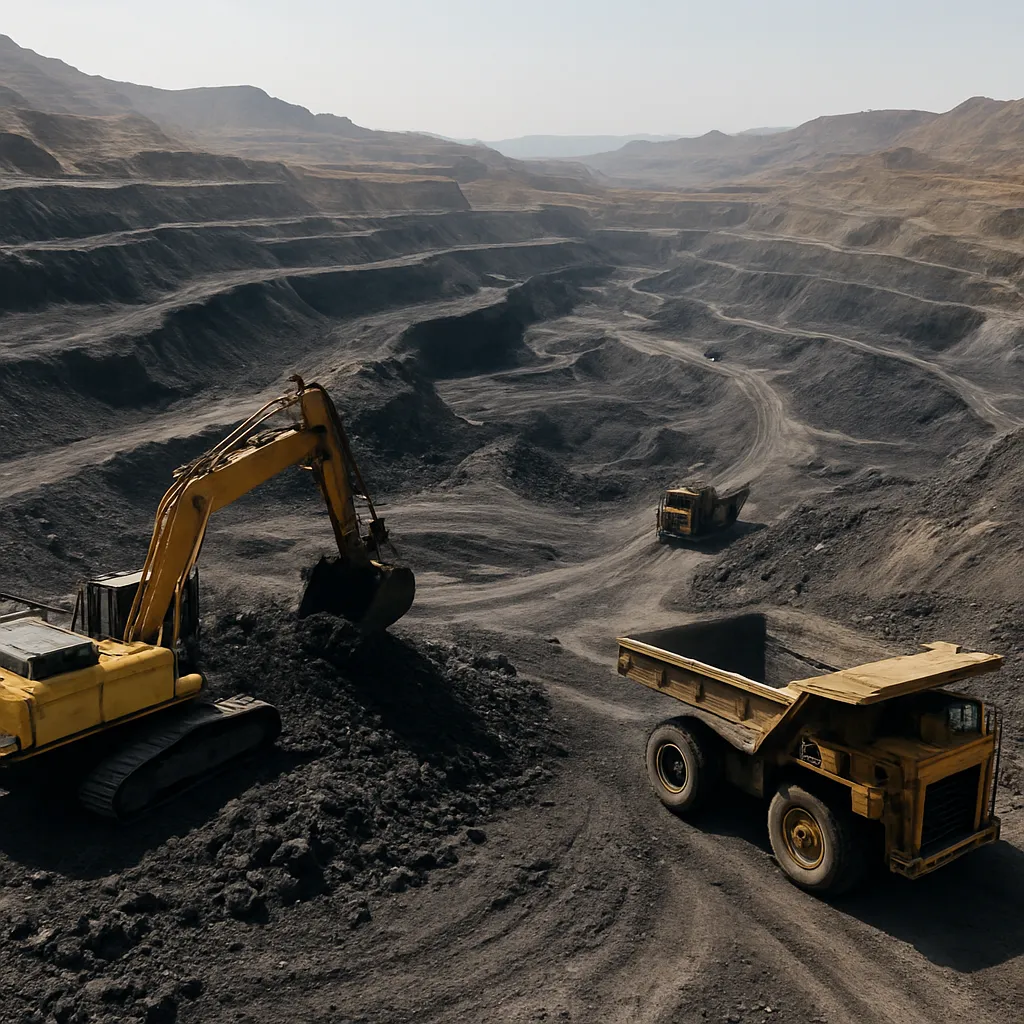
The Duki coal area, located in Pakistan’s southwestern province of Balochistan, is one of the country’s better-known regional coal-producing centers. Although overshadowed in public attention by the vast Thar lignite basin in Sindh, Duki plays an important role in the local economy and regional fuel supply. This article reviews the location and geology of the Duki deposits, the character of the coal found there, mining methods and production patterns, local economic and social impacts, environmental and safety issues, and prospects for future development, drawing on available public information and general knowledge about coalfields in Balochistan.
Location and geological setting
The Duki area lies in the north-eastern part of Balochistan, within a rugged landscape of folded sedimentary rocks and foothills that form part of the Sulaiman-Kirthar geological systems. Coal occurrences in this region are associated with Paleogene to Neogene sedimentary sequences that include sandstone, shale and thin carbonaceous layers. The geology favored formation and preservation of coal seams of variable thickness and extent. Coal-bearing strata outcrop in valleys and river-cut sections, leading to historically accessible deposits.
Geographic context and accessibility
- Duki is situated inland, distant from major seaports; this influences the role of the coal (primarily for local and regional consumption rather than export).
- Road and transport infrastructure varies in quality. Transport to larger markets requires passing through hilly terrain, which raises costs for bulk fuel movement and limits large-scale industrial use unless significant infrastructure investment occurs.
- Because the deposits are inland and often in tribal or remote administrative zones, development has been shaped by local land use, security and governance factors.
Coal characteristics and mining practices
The coal at Duki is generally categorized as bituminous to sub-bituminous in many reports, though seam quality varies across the field. Some local coal is of medium calorific value suitable for industrial uses such as brick- and lime-kilns, small thermal boilers and cement kilns; other portions are more suited to domestic heating and local industry.
Physical and chemical properties
- Calorific value: variable; many seams are moderate in energy content compared to high-grade metallurgical coals. Typical values fall in the sub-bituminous/bituminous range, making the coal suitable for thermal applications rather than steelmaking.
- Moisture and volatile matter: often moderate to high, which affects combustion properties and handling.
- Ash and sulfur: ash content can be significant in some seams; sulfur generally lower than in many imported thermal coals but variable—affecting emissions control needs.
These variations mean that coal from different parts of the Duki area may require sorting, washing or blending to achieve consistent quality for industrial consumers.
Mining methods and scale
Mining in Duki has historically been dominated by small- and medium-scale operations, including both formal companies and artisanal miners operating informal shafts and trenches. Two broad methods are in use:
- Small open-pit or trench mining where seams are close to the surface; low capital cost but higher environmental footprint per tonne.
- Shallow underground workings using adits and shallow shafts; these carry typical artisanal safety and ventilation concerns.
Large-scale modern mechanized mining has not been widely applied in Duki due to infrastructure constraints, capital requirements, and the dispersed nature of the seams. As a result, output per mine is often limited, but collectively the field supplies significant local demand.
Production, reserves and statistical context
Pakistan’s national coal endowment is dominated by the Thar coalfield in Sindh; the country’s total identified coal reserves are commonly cited at around 185 billion tonnes, with the Thar block accounting for the majority. Reserves in Balochistan—including Duki and several other local coalfields—represent a smaller fraction of the national total but are strategically important at the provincial and local levels.
Duki-specific figures and uncertainties
- Published and public domain estimates of coal in the Duki area vary; many reports describe the deposits as containing from tens to several hundred million tonnes of in-place coal, but definitive, modern, detailed reserve studies are limited or not widely published.
- Annual production from Duki is generally modest compared with major national projects; much of the output serves local industry and domestic markets. Annual tonnages tend to be in the low hundreds of thousands of tonnes regionally, rather than millions, but exact recent figures are not consistently reported in public statistics.
- Reserves are commonly distinguished between geological (in-place) estimates and economically mineable reserves. The latter depends on investment, infrastructure and regulatory clarity, and therefore is smaller than in-place tonnages.
Because public, audited production data for many Balochistan mines are incomplete, any planning for expanded use or investment in the Duki region typically needs updated geological mapping, resource assessments and feasibility studies.
Economic and social significance
The Duki coal area provides a range of economic benefits for the surrounding communities. At a local level the mining sector supports direct and indirect employment, creates market activity for transport and material suppliers, and supplies fuel for local industries. Key features of the economic role include:
- Employment: Mining and coal-related activities create jobs in extraction, transport, local processing and trade. For some villages and towns, mining is a principal source of income.
- Local industry support: Brick kilns, small cement and lime producers, and other fuel-intensive operations often rely on Duki coal because of proximity and lower transport cost compared with imported coal.
- Household fuel: In rural communities, coal is used for heating and cooking where alternatives are limited or more expensive.
- Revenue potential: Properly managed, coal royalties and taxes can contribute to provincial revenues; however, informal mining sometimes circumvents formal revenue streams.
Despite these benefits, capture of economic value is uneven. Many miners operate under informal arrangements or small leases; local elites and middlemen sometimes control flows to market. Strengthening formalization can increase public revenue and worker protections but requires careful local engagement.
Environmental, safety and governance challenges
Like many coal-producing regions with small- to medium-scale operations, the Duki area faces multiple environmental and safety issues. Addressing these is essential for any plan to scale up extraction or to improve the social outcomes of mining.
Environmental impacts
- Land degradation and habitat disturbance due to surface workings and waste dumps.
- Air quality impacts from coal dust, blasting, and combustion in local industries—affecting respiratory health in nearby communities.
- Water pollution risks from runoff and potential acid mine drainage where sulfide-bearing strata are present; groundwater disturbance can be a concern in arid climates.
- Lack of systematic reclamation of worked-out areas leads to long-term landscape scars and safety hazards.
Safety and social issues
- Mine safety: Shallow underground workings and adits often lack adequate ventilation, roof support and emergency planning. Accidents and collapses have been reported historically in similar settings.
- Child labor and informal employment: Some local reports from artisanal coal regions in Pakistan have identified child labor and informal employment practices; strengthening regulation and alternatives for households is needed.
- Community health: chronic exposure to dust and emissions from unregulated combustion affects local health outcomes.
Governance and regulatory environment
Effective governance of mining requires clear permitting, enforcement of safety and environmental rules, and transparent revenue collection. In Duki, as in other remote coal areas, institutional capacity constraints, overlapping authorities, and local power structures can complicate implementation of best-practice mining regulations. Addressing these governance gaps is a precondition for attracting larger-scale investment and for improving social outcomes.
Industrial uses and market dynamics
Duki coal’s primary role has been supplying regional thermal and industrial demand rather than feeding large centralized power plants. Major uses include:
- Brick kilns and tile factories—where proximity to mines reduces fuel costs.
- Small- and medium-scale cement and lime plants that can accept variable coal quality.
- Local power generation and agricultural processing where grid access is limited.
- Domestic heating and cooking in rural households.
Because the coal is generally not of metallurgical grade, it is not typically used in steelmaking without significant beneficiation or blending with higher-grade coking coals. The economics of haulage limit distant markets; bulk transport to national grids or ports would require investment in road or rail and in handling facilities.
Future prospects and development pathways
Several factors will influence the future of Duki coal: domestic energy demand, government policy on coal and regional development, infrastructure investment, and environmental regulation. Possible development pathways include:
- Formalization and modernization: Encouraging formal licenses, safety training and mechanized methods could raise productivity, improve worker safety and increase taxable revenues.
- Value addition: Installing small coal-washing plants or centralized blending facilities can provide consistent fuel quality for industry, expanding the market for Duki coal.
- Localized power generation: Small or medium-scale power plants sited closer to the coal source could reduce transmission losses and support local industrial clusters, but must meet emissions safeguards.
- Environmental mitigation: Implementing dust control, water protection, and reclamation practices will reduce health and environmental costs and improve social license to operate.
- Diversification: Using mining revenues to support diversification in local economies—education, services, renewables—can reduce dependency on extractive employment.
Investment and feasibility considerations
For large-scale investment, companies and governments will seek:
- Reliable geological and reserve data from modern surveys;
- Clear regulatory frameworks and stable leasing arrangements;
- Transport and energy infrastructure to move coal economically;
- Plans to manage social and environmental risks to obtain community support.
Because Pakistan has major policy attention focused on the large Thar reserves for power generation and fuel security, smaller fields such as Duki must be positioned around niche advantages—proximity to local industry, lower capital requirements for localized projects, and potential to improve rural livelihoods through formal employment.
Concluding observations
The Duki coal area of Balochistan illustrates the mixed opportunities and challenges of regional coalfields in Pakistan. The deposit provides important local energy and employment benefits but is constrained by limited infrastructure, variable coal quality, environmental risks and governance gaps. Any effort to realize more of Duki’s potential will require improved geological data, investment in transport and beneficiation, stronger regulatory and safety systems, and meaningful engagement with local communities to ensure benefits are shared. With careful planning that balances economic development and environmental protection, Duki could continue to supply important local demand and serve as a stepping-stone for wider regional development.
Duki remains a noteworthy component of Pakistan’s broader coal resource base—lesser in scale than the giant Thar basin but significant for the communities it touches and the industries it supports. Continued study, transparent reporting of production and reserves, and targeted infrastructure investments would clarify the mine’s long-term role in Pakistan’s energy and economic landscape.