Coal has shaped the trajectory of human progress for centuries, powering everything from early steam engines to the modern electric grid. Its impact resonates through the fields of geology, industry, and environmental studies. As the world navigates the challenges of the 21st century, preserving the story of coal and its multifaceted legacy becomes imperative. This article explores the geological origins of coal, the management of global coal resources, and the vital role that museums play in illuminating this legacy for future generations.
History and Geological Formation of Coal
The story of coal begins hundreds of millions of years ago during the Carboniferous period. Dense swamp forests covered vast regions of the Earth, teeming with primitive plants and trees. Over time, thick layers of dead vegetation accumulated in these wetlands. Buried under sediments and subjected to intense heat and pressure, this organic matter gradually transformed into peat and then into various grades of coal. Studying coal’s formation provides insights into geology, paleoclimate, and the evolution of plant life.
Stages of Coalification
- Peat: The initial stage, composed of partially decayed plant material.
- Lignite: A soft, brownish-black coal with high moisture content.
- Bituminous Coal: More compact, higher carbon content, commonly used in power generation.
- Anthracite: The highest grade, known for its hardness and high carbon concentration.
Embedded within coal seams are fossils—remnants of prehistoric flora and fauna. These fossils allow scientists to reconstruct ancient ecosystems, track evolutionary trends, and understand shifts in Earth’s atmosphere over geological time.
Global Coal Stock and Resource Management
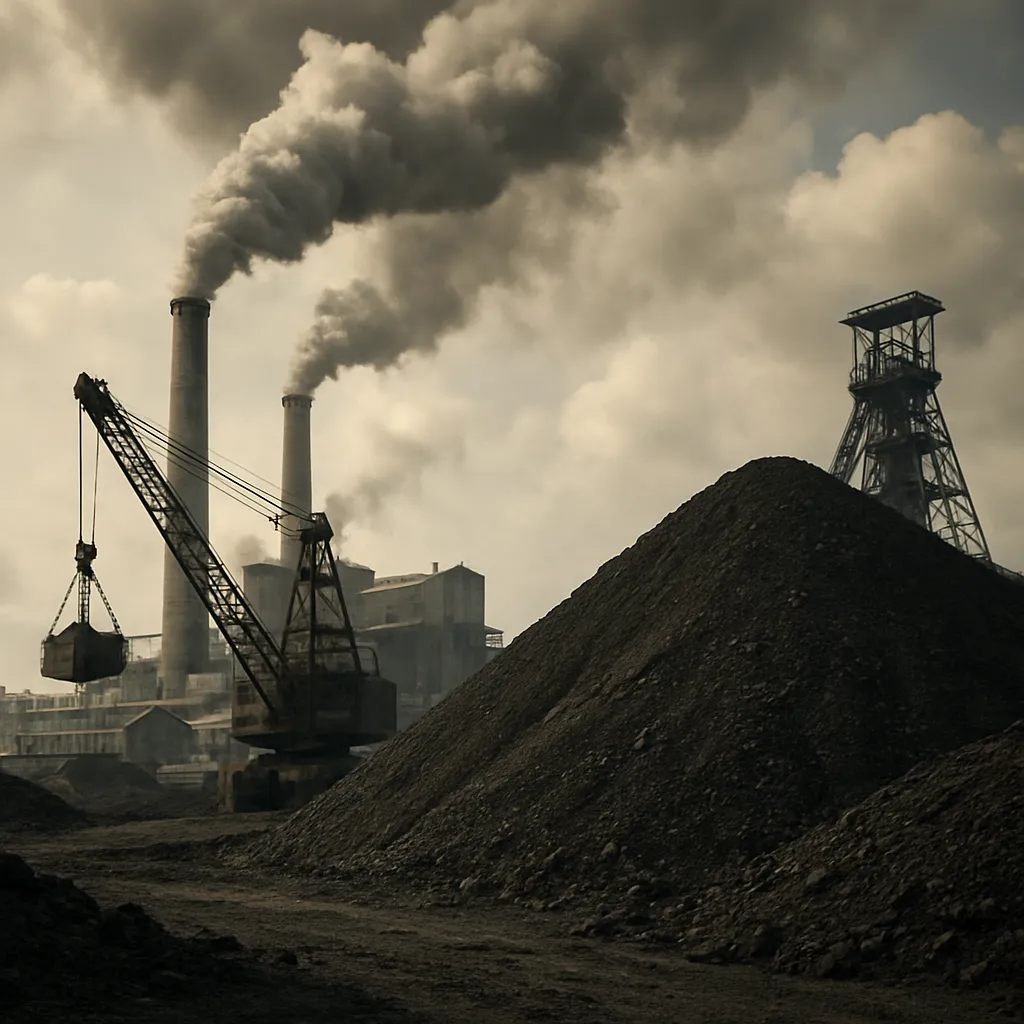
Coal remains a significant energy source worldwide, despite growing investments in renewable technologies. Understanding the distribution of coal resources and the principles of sustainable extraction is key to balancing economic growth with environmental stewardship.
Major Coal-Producing Regions
- Asia (China, India, Indonesia): Rapid industrialization fuels immense coal demand.
- North America (United States, Canada): Diverse coal grades support electricity and steel industries.
- Australia: Significant exporter of high-grade coal to global markets.
- Europe (Russia, Poland): Historical centers of coal mining still in operation.
Effective coal stock management involves:
- Assessment of resources and reserves through geological surveys.
- Environmental impact evaluations to mitigate land degradation and water contamination.
- Technological innovations in mining methods, such as longwall and room-and-pillar techniques.
- Rehabilitation of former mining sites through reforestation and soil remediation.
The Role of Coal Museums in Preserving Industrial Heritage
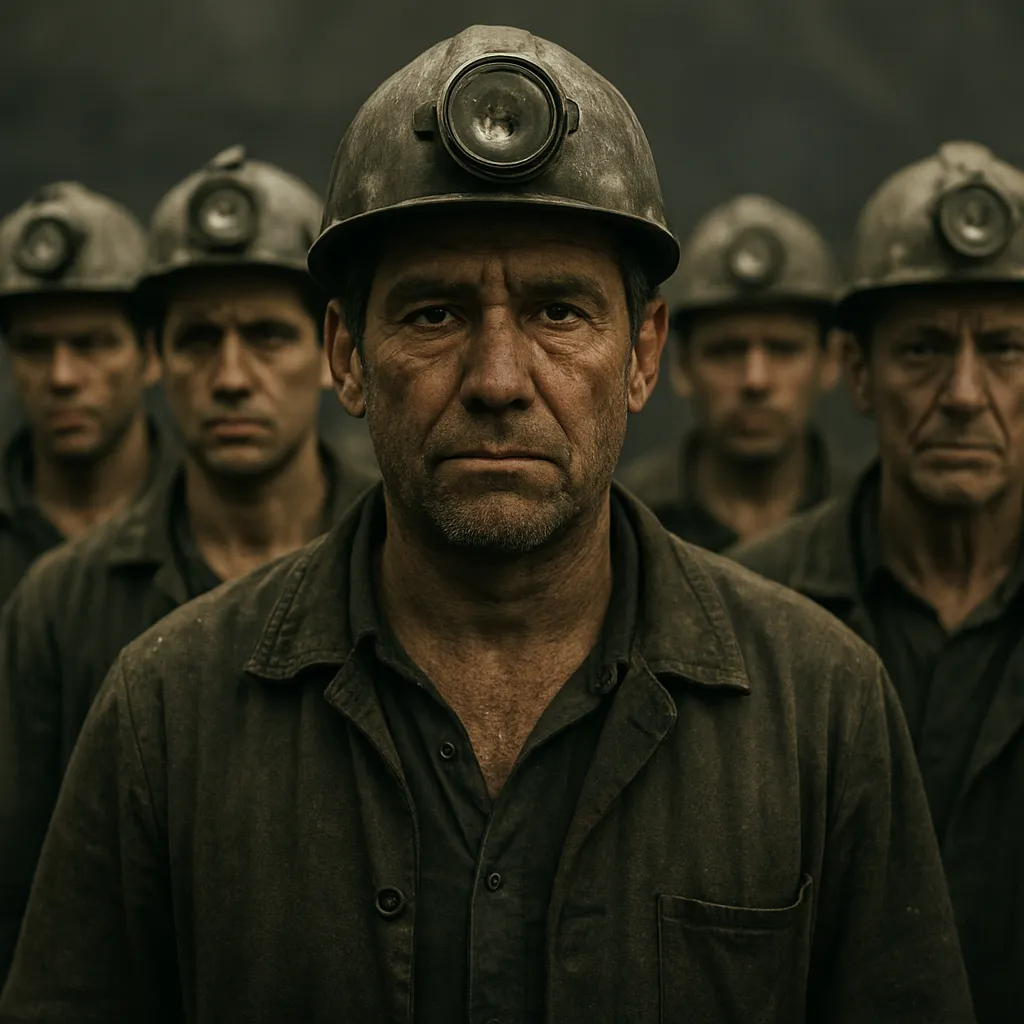
Coal museums serve as custodians of a bygone industrial era, safeguarding tools, machinery, and personal narratives of miners. They connect visitors to the human experiences behind the industry of coal extraction, from the darkest underground galleries to the bustle of surface operations.
Key Functions of Coal Museums
- Exhibition of historical mining equipment: Displays of drills, lamps, and safety gear.
- Oral histories and testimonies: Recorded interviews with former miners and their families.
- Interactive experiences: Simulated mine tours, allowing visitors to appreciate the working conditions.
- Archival collections: Documents, photographs, and maps tracing the development of mining communities.
By curating these artifacts, museums highlight both the triumphs and the challenges of coal mining—its role in driving economic progress, and its social costs, including labor struggles and health impacts on miners.
Education and Community Engagement
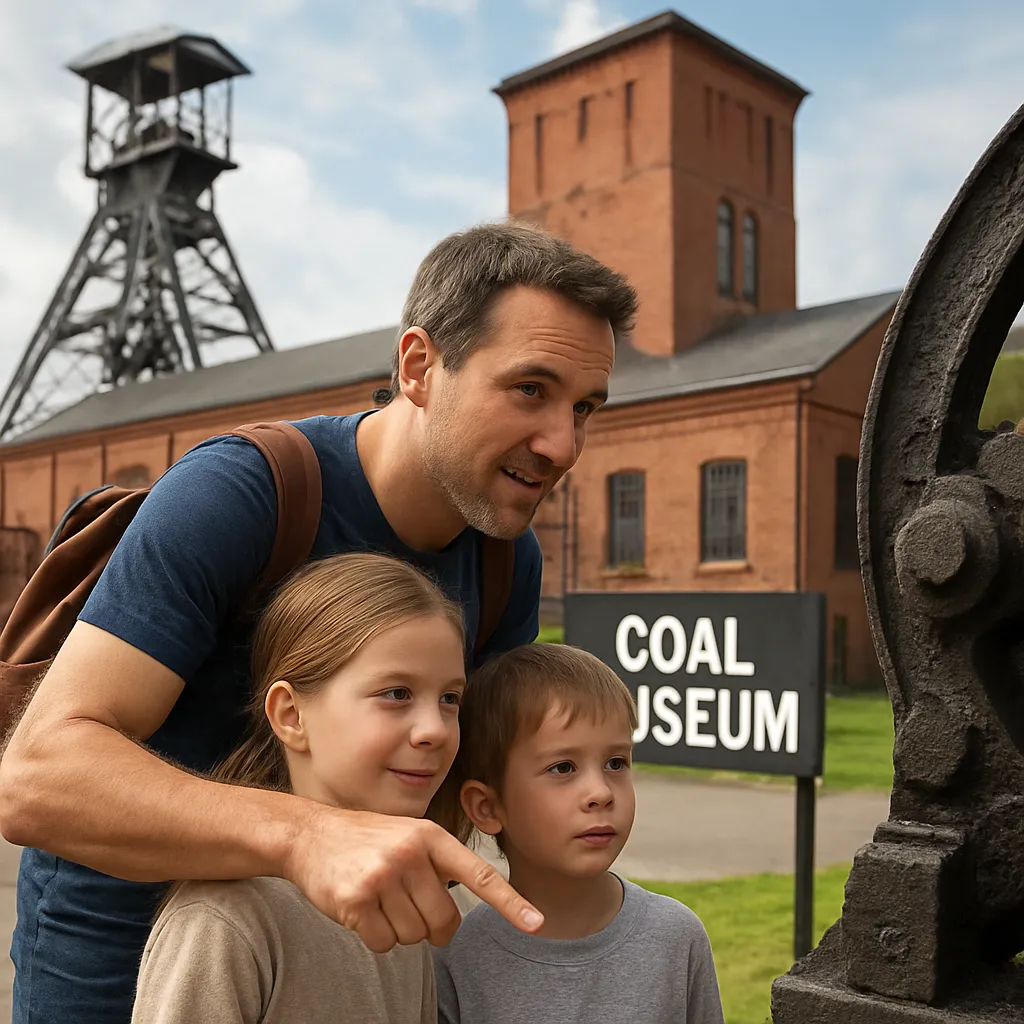
One of the most vital contributions of coal museums is their commitment to education and community outreach. These institutions often collaborate with schools, universities, and local organizations to foster a deeper understanding of coal’s place in history and society.
Educational Programs and Workshops
- Guided tours tailored for different age groups, focusing on science, technology, and history.
- Hands-on workshops in fossil identification, rock sampling, and basic geology experiments.
- Lectures and seminars on contemporary issues like energy transition and sustainability.
- Collaborative research projects involving students and professional historians or geologists.
Engaging the public through special events—such as heritage days, photo exhibitions, and lecture series—strengthens the museum’s bond with the local community. This collaborative spirit fosters a sense of pride, ensuring that the legacy of coal is neither forgotten nor taken for granted.
Innovations in Conservation and Interpretation
As technology advances, coal museums embrace modern methods to enhance visitor experiences and conservation efforts. Digital archives and augmented reality (AR) installations bring static exhibits to life, allowing users to visualize the subterranean world of mining without descending into a real shaft.
- 3D scanning of artifacts for virtual exhibitions.
- AR and VR applications recreating historical mine sites.
- Online databases cataloging over 100,000 items, from mining helmets to corporate ledgers.
- Mobile apps guiding visitors through thematic trails and geo-located stories.
Such innovations make coal museums more accessible to a global audience, preserving their collections for future researchers and enthusiasts.
The Broader Significance of Coal Heritage
Beyond the objects and narratives, coal heritage embodies the spirit of innovation—the engineering feats that powered steam locomotives, fueled steel mills, and shaped modern urban landscapes. Preserving this heritage underscores the lessons learned in resource exploitation, labor rights, and environmental responsibility.
- Inspiration for sustainable energy practices by reflecting on past reliance on fossil fuels.
- Recognition of miners’ social and cultural contributions to regional identities.
- Promotion of interdisciplinary research linking history, economics, and environmental science.
- Encouragement of future generations to balance technological advancement with ethical conservation.
By championing these stories, coal museums not only honor the past but also inform the dialogue on energy futures, reminding us that every resource has a story rooted in both nature and human endeavor.