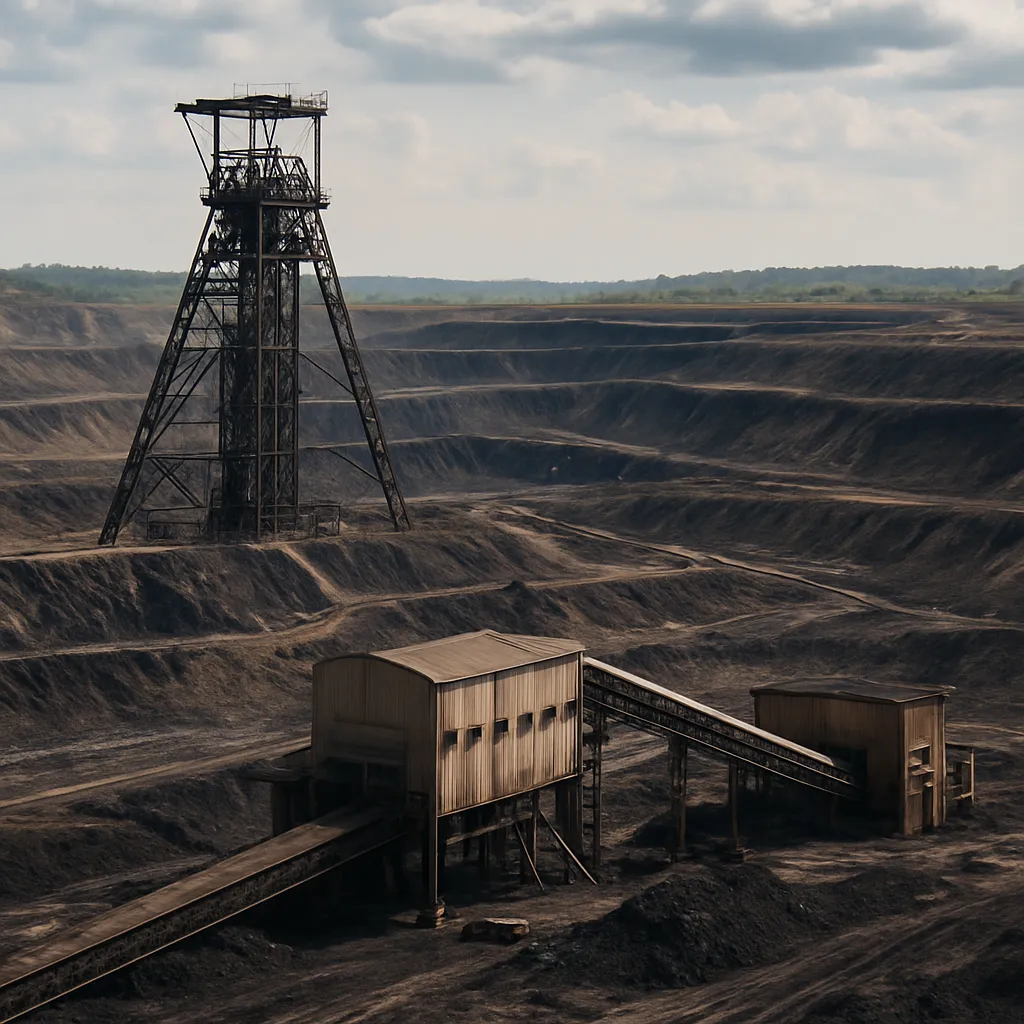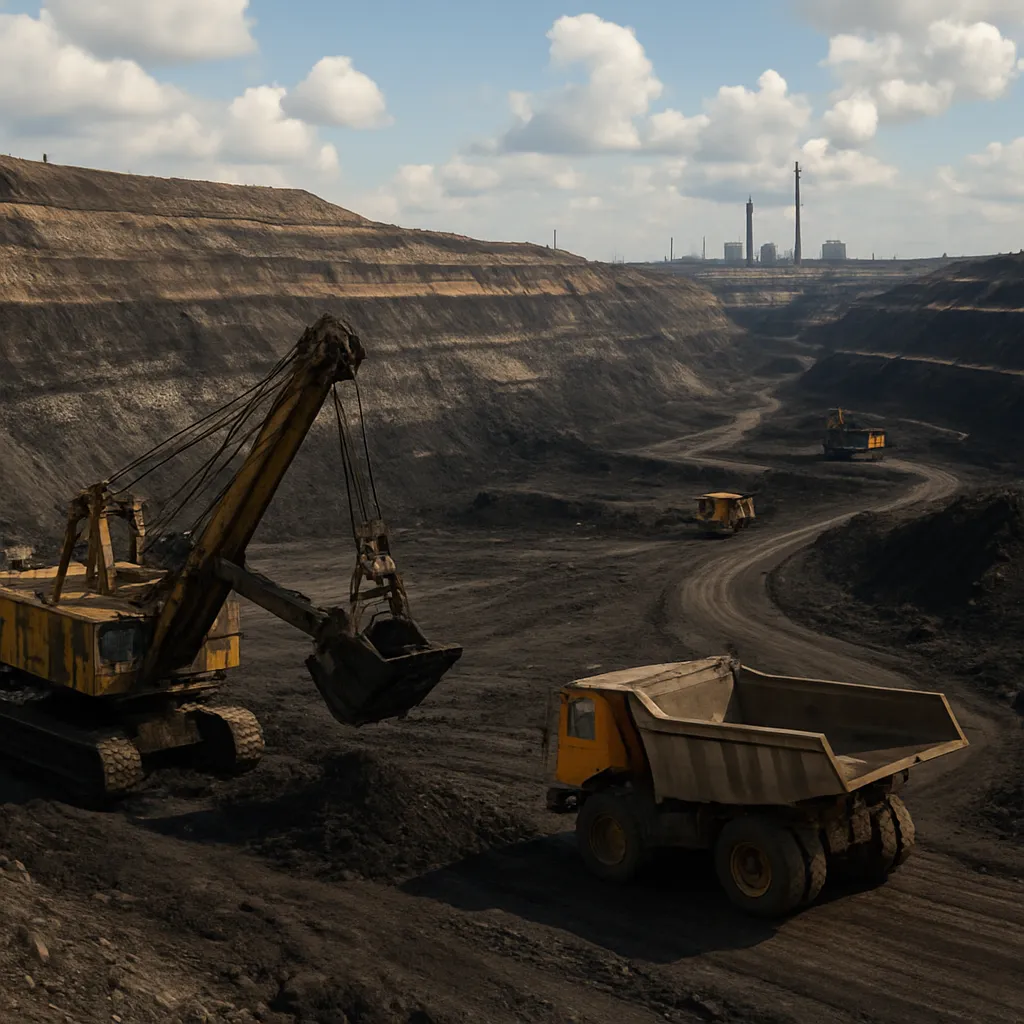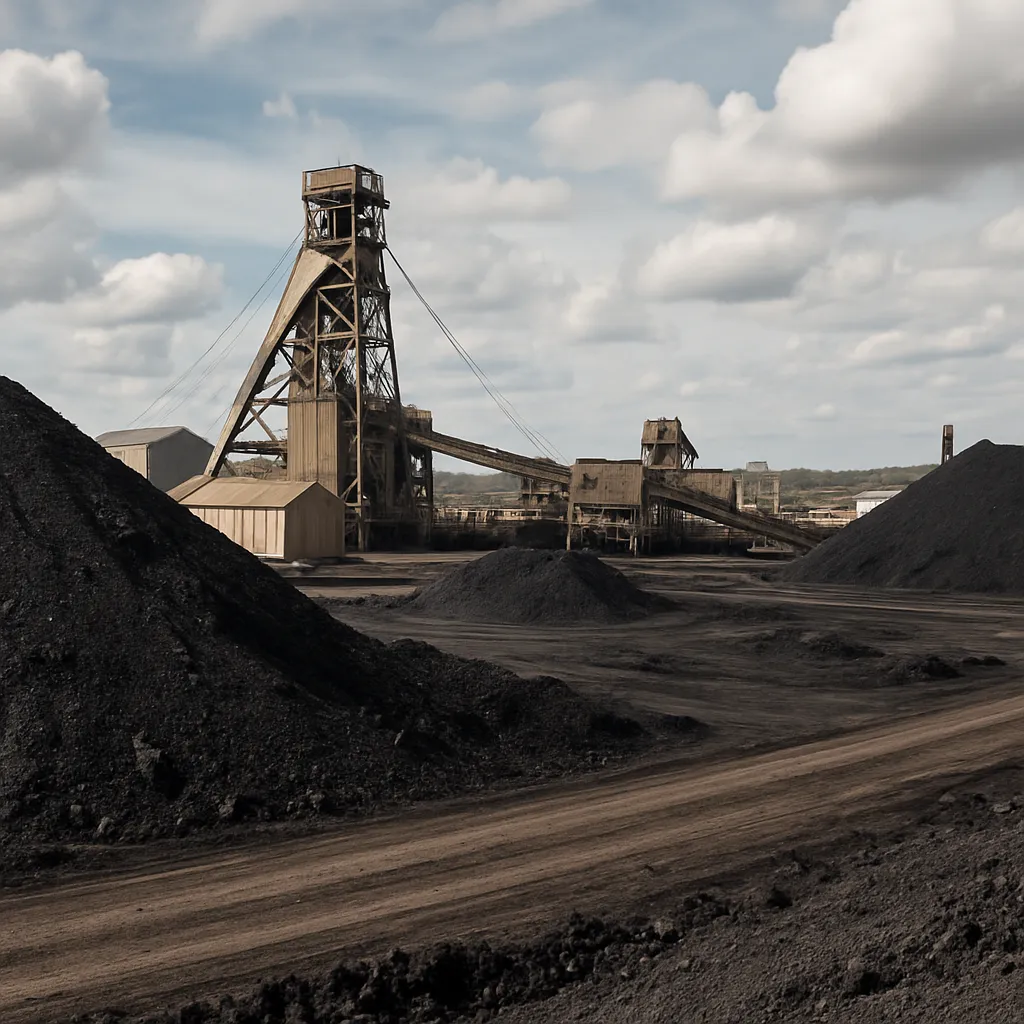
The Bienfait coal mining area, located in southeastern Saskatchewan, Canada, played an important role in the early development of the province’s energy and industrial base. From small underground pits that supplied local communities and railways to regional contributions supporting electricity generation, Bienfait’s legacy is a mix of industrial achievement, social struggle, and evolving environmental priorities. This article reviews the mine’s location and geology, the history of operations, the economic and social impacts, available statistics and production characteristics, technological and environmental developments that have affected the region, and the present-day status and significance of Bienfait in both local memory and the Canadian coal industry.
Location and Geological Setting
The Bienfait mining area lies in the vicinity of the town of Bienfait and the city of Estevan in southeast Saskatchewan, near the provincial border with Manitoba and not far from the Canada–United States border. The region is part of the broader Williston Basin and Moose Mountain coal-producing belt that extends across southeastern Saskatchewan and into adjacent areas.
Coal in the Bienfait area occurs in relatively shallow seams that were accessible to early 20th-century mining methods. These seams are generally characterized as lower-rank coals (from sub-bituminous to higher volatile bituminous in parts of the regional coalfield), suitable historically for steam generation, heating, and industrial uses rather than premium metallurgical coking applications. Seam thicknesses in the region are commonly described in mining literature as being modest—often a few metres—allowing underground room-and-pillar mining in the early decades and, where exposed, limited surface extraction later on.
History of Mining and Operations
The Bienfait area was among the earliest centers of commercial coal mining in Saskatchewan. Small-scale operations began in the late 19th and early 20th centuries as local demand for fuel (for railways, agriculture, homes, and nascent industrial uses) rose. The town of Bienfait developed partly as a mining community, with company-built housing and services emerging around pit entrances and mine infrastructure.
Early mines in the region were typically underground, using conventional room-and-pillar methods. Miners worked in difficult conditions by modern standards—limited mechanization, manual rock and coal loading, and variable ventilation and safety systems. As the region’s coal resources were tied into rail lines and growing regional markets, the Bienfait operations supplied coal both for local consumption and for distribution to nearby communities.
Throughout the first half of the 20th century the Bienfait mines experienced the boom-and-bust cycles common to resource towns: periods of strong employment and community growth alternating with downturns in demand and temporary closures. Social and labor tensions were significant in this period, and the region is remembered for its militant labor activism. A notable historical episode was the 1931 labor disturbances and confrontations in the Estevan–Bienfait area when striking miners and protesters clashed with authorities—a painful episode in local and provincial labor history that left a lasting legacy in community memory and labor relations.
Economic and Social Impact
The economic influence of the Bienfait mines went beyond simple extraction. For decades, mining provided a stable source of wages and supported a local economy that included merchants, transport operators, schools, churches, and other services. The presence of coal resource activity contributed to:
- Employment of local residents and attracting immigrant and interprovincial workers.
- Development of transportation links (rail spurs and roads) to move coal to market.
- Growth of nearby service towns—most prominently Estevan—which diversified into power generation and other industries.
- Creation of social institutions and community networks centered around mining life (unions, recreational clubs, and mutual aid groups).
Mining towns like Bienfait often demonstrated tight-knit community structures shaped by shared occupational risks and rhythms. At the same time, the town’s fortunes were closely tied to coal market dynamics, meaning that when demand fell or operations modernized/centralized, local unemployment and population decline often followed.
Production Characteristics and Statistics
Accurate, continuously detailed production records for specific historical small mines like those at Bienfait are often incomplete in the public domain. However, several general points can be made about production characteristics:
- The Bienfait mines were generally medium- to small-scale by modern industrial standards—producing quantities appropriate for regional trade and local power/industrial requirements rather than large export volumes.
- Output varied over time with demand, but historical annual production from individual pits in the region typically ranged from the low tens of thousands up to several hundred thousand tonnes in stronger years—depending on the number of active shafts and the scale of operations.
- Employment at individual mines frequently ranged from dozens to a few hundred workers; the combined regional workforce across Estevan–Bienfait coal operations at peak times was larger and provided substantial local employment.
- Coal quality in the region supported steam generation and domestic heating; its rank and calorific properties were suitable for regional power stations and industrial boilers rather than high-grade metallurgical tasks.
More recent provincial figures (for the broader Saskatchewan coal sector) show that coal mining continues to be a relevant contributor to local economies in southeastern Saskatchewan—feeding thermal power plants and supporting construction and service industries. The region is also home to major power generation facilities (for example, the large plants near Estevan) that have long relied on local coal sources.
Significance in the Energy and Industrial Sectors
While Bienfait was not a national-scale coal exporter, its significance is best understood at the regional level and in historical context. Key elements of its industrial significance include:
- Supplying fuel to early rail networks and regional industries, enabling broader economic development in southeastern Saskatchewan.
- Contributing labor and technical expertise that helped build a local mining culture and provided a pool of skilled workers for later, larger operations in the area.
- Providing a feedstock for local thermal power generation, directly linking resource extraction to energy security for the province during important phases of development.
- Acting as a focal point in provincial labor history—events tied to the mines influenced labor law, union organizing, and social policy in Saskatchewan.
Environmental and Technological Developments
The 20th and 21st centuries brought major changes to how coal is viewed and managed, and Bienfait (as part of the regional coalfield) experienced many of these shifts. Environmental awareness, stricter regulation, and technological advances reshaped both production and consumption:
- Mining safety and workplace regulations significantly improved after the early decades, reducing some occupational risks—although legacy hazards (abandoned workings, subsidence) can remain a concern.
- Air quality and emissions regulation led to changes in how coal-fired electricity was produced and prompted investment in emissions controls across the region’s generating stations.
- One of the most high-profile technological developments nearby is the deployment of carbon capture and storage (CCS) at the Boundary Dam Power Station (near Estevan). While Boundary Dam is not the same as the historical Bienfait pits, the project demonstrates the broader push to reduce greenhouse gas emissions from coal-fired power in the region. The existence of such projects has implications for the continued viability of local coal resources—if capture and retrofit technologies are expanded, demand for certain thermal coal types could persist in a decarbonizing energy system.
- Economic pressure from the global move away from coal for electricity generation, combined with increased natural gas and renewables penetration, has reduced long-term prospects for many small coal operations, favoring larger, modern mines or conversion of lands to other uses.
Social Legacy, Commemoration and Present Status
Although many of the original Bienfait pits are no longer in operation, the community and surrounding area remember the mining past in multiple ways. The legacy includes social memories of work, migration, and local organization; monuments and commemorative events; and museum displays in regional institutions that recount life in mining towns.
Present-day southeast Saskatchewan remains an energy-producing region. Modern coal use has been increasingly concentrated in larger, more efficient power plants that source coal from larger-scale operations or, in some cases, import alternative fuels or shift to natural gas and renewables. Local communities have sought economic diversification—expanding into mining for potash, oil, natural gas services, and other industries—while also cultivating heritage tourism linked to mining history.
Interesting Facts and Broader Context
- Bienfait is representative of many small North American coal towns where localized deposits drove initial settlement and infrastructural development.
- Events in the Estevan–Bienfait area contributed to social and labor policy reform in the province, and the historical strikes are often studied as part of Saskatchewan’s labor history.
- The proximity of the Bienfait area to major power plants (such as Boundary Dam) means that the region’s coal story intersects with modern debates about carbon capture, energy transition, and the future of thermal coal in developed economies.
- Remnants of mine infrastructure—shafts, tailings, rail spurs—can still be found in the landscape and are sometimes documented by local historical societies and land-use planners assessing reclamation needs.
Challenges and Opportunities Ahead
The future of former coal localities like Bienfait involves both challenges and opportunities. Environmental rehabilitation of former mine sites, economic transition for communities that depended on mining incomes, and integration of heritage into local planning are ongoing tasks. Opportunities include:
- Heritage tourism and education that leverage the mining history without romanticizing hazardous working conditions.
- Reuse of industrial land for new economic purposes—light industry, logistics, or renewable energy projects (for example, solar or wind developments that can take advantage of existing transmission infrastructure).
- Engagement with First Nations, municipal authorities, and provincial agencies to manage land reclamation, preserve historical sites, and support economic diversification.
Conclusion
The Bienfait coal mine and the wider Estevan–Bienfait coalfield occupy an important place in Saskatchewan’s industrial past. While not the largest source of Canadian coal by modern measures, the mines were central to regional economic development, social formation, and the province’s early energy supply. The area’s historical experience—marked by community resilience, labor activism, and technological change—continues to inform contemporary discussions about energy transition, environmental remediation, and how small resource towns adapt in a changing economy. The Bienfait story therefore serves as both a record of a particular local industry and a case study in the broader evolution of coal regions in Canada and beyond.