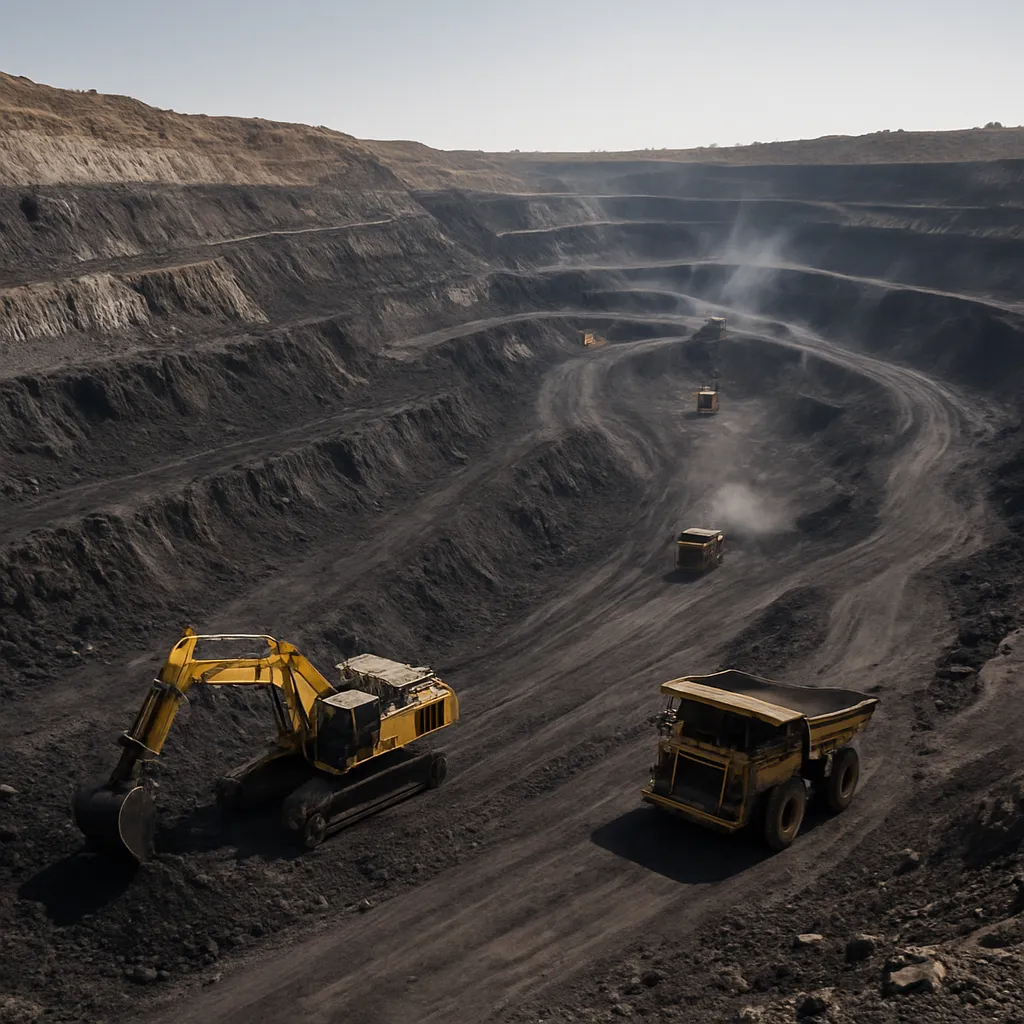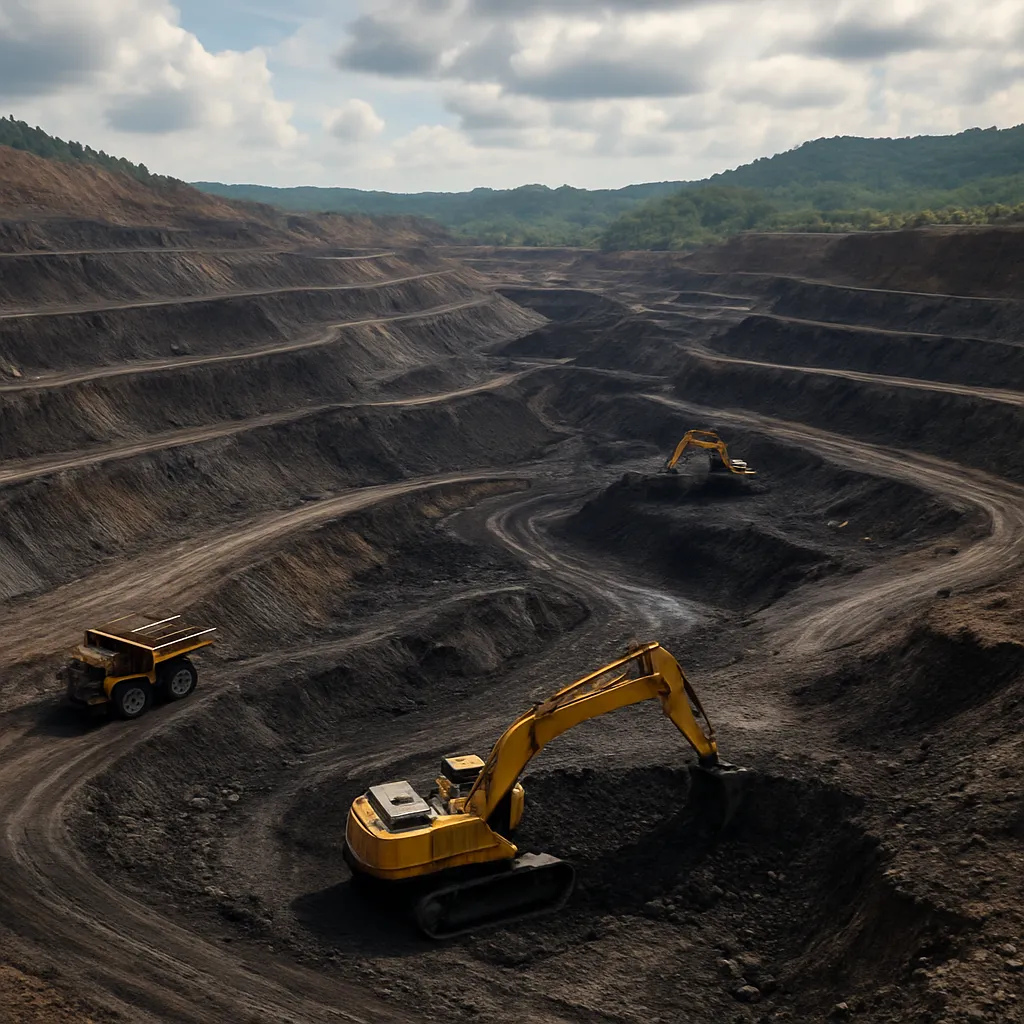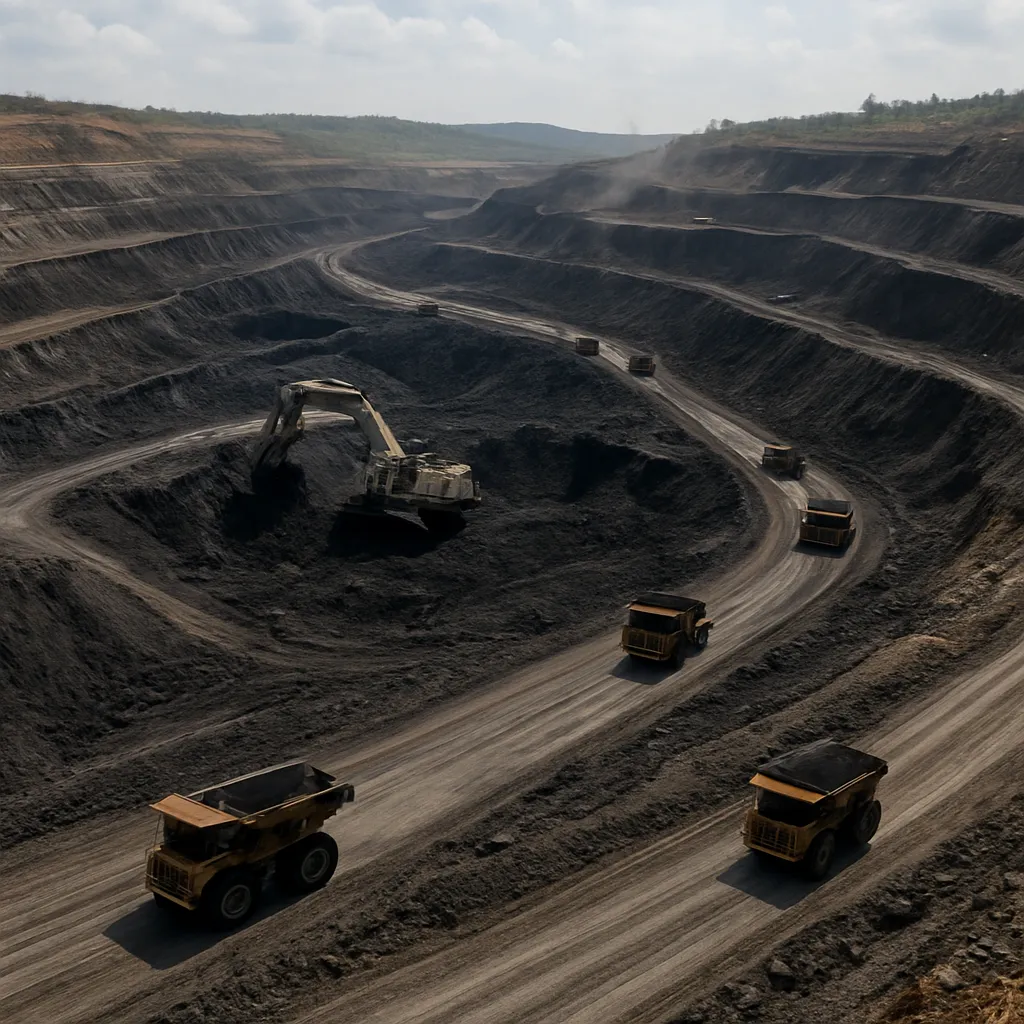
The Indominco West Block is one of several coal-bearing concessions in Indonesia that exemplify the country’s long-standing role as a global supplier of thermal coal. Located on the island of Borneo, this mining site forms part of a larger concession area operated by an Indonesian coal producer and contributes to regional economies, national export earnings, and local communities. The following article reviews the mine’s location and geology, the type and quality of coal produced, operational and economic aspects, environmental and social dimensions, and the broader industry context that shapes its present and future role.
Location and geological setting
The Indominco West Block is situated in the province of East Kalimantan on the island of Borneo (Kalimantan), a region that hosts some of Indonesia’s most productive coal basins. The area sits within Tertiary sedimentary basins that developed in coastal and fluvial environments, giving rise to multiple coal seams formed from ancient peat deposits. These seams typically occur in sequences of sandstones, siltstones and clays, often resulting in interbedded layers of variable quality and thickness.
Geologically, the coal in East Kalimantan is generally associated with the Neogene (Miocene–Pliocene) successions, deposited in river-dominated deltaic systems. Such depositional environments tend to produce coals with relatively high moisture and volatile matter compared to many hard coals, characteristics that influence how the coal is processed, marketed and used. The concession area commonly includes both near-surface and moderately deep seams, making open-pit or surface mining the dominant extraction method in practice.
What is mined: coal type and quality
The primary product of the Indominco West Block is thermal coal, intended mainly for electricity generation and industrial heat applications. Indonesian coals from East Kalimantan typically fall into the low- to medium-rank thermal coal categories. Key quality parameters for these coals often include:
- Calorific value: Many producers in the region offer coals in a range generally from around 4,000 to 6,000 kcal/kg (as received basis), with some variability by seam and post-wash product.
- Moisture and volatile matter: Elevated moisture and volatile content are common compared with higher-rank hard coals, which has implications for shipping calorific efficiency and combustion behavior.
- Ash and sulfur: Ash values can range widely depending on the seam, often from low single digits to teenage percentages; many operations treat ash levels via washing and blending. Sulfur levels in Kalimantan coals tend to be moderate to low, an advantage for meeting emission specifications in many importing countries.
- Washability: Coal preparation plants (CHPPs) often wash and size coal to improve product quality; washed coals will command higher prices on the market.
Because these coals are principally non-coking, they are not used for steelmaking coke production but are widely used in power plants, cement kilns and as fuel for various industrial boilers throughout Asia.
Mining methods, processing and logistics
The Indominco West Block is typically developed using surface mining techniques, the most economical approach for near-surface coal seams. Equipment and methods commonly employed in the region include hydraulic excavators, large rope shovels, wheel loaders, and fleets of heavy-duty haul trucks. Operations often use progressive cutback designs with staged overburden removal and waste dump management.
Processing techniques depend on seam characteristics and market requirements. Many sites use coal handling and preparation plants to wash and grade products, improving calorific value and reducing ash. Product sizing and screening are standard, and blending strategies frequently combine different seam products to meet contractual specifications for calorific value and ash content.
Logistics in East Kalimantan rely on a combination of road, barge and port facilities. Coal is commonly transported from the pit to a CHPP and stockyard, then moved by truck or conveyor to barging points on rivers for shipment to coastal transshipment terminals, or directly to port facilities for export. Major export destinations historically include China, India, South Korea, Japan and neighboring Southeast Asian countries. The proximity to deepwater ports and established export supply chains has been a key economic advantage for mines in the region.
Economic and statistical context
At the macro level, Indonesia has been one of the world’s leading exporters of thermal coal for decades. Throughout the 2010s and into the early 2020s, Indonesian annual coal exports commonly exceeded several hundred million tonnes, making the sector a significant contributor to foreign exchange earnings and national GDP. Coal revenues are also important for provincial and district governments since the industry generates royalties, taxes and fees, along with payments for land and resource rent.
For the Indominco West Block specifically, production volumes and reserves are typically reported by the operating company in corporate disclosures and annual reports when part of publicly listed groups. Individual block production commonly ranges from modest single-digit million tonnes per year to higher, depending on the scale of the concession and capital investments in fleet, processing and logistics. In aggregate, concession areas in East Kalimantan have historically contained reserves ranging from tens to hundreds of millions of tonnes, though reserve statements must always be understood in the context of technical classifications (measured, indicated, inferred) and price/market assumptions that underpin economic recoverability.
The economic viability of a coal block like Indominco West Block is influenced by:
- International coal prices and demand trends in power generation markets
- Transportation and freight costs (which influence delivered thermal value)
- Local operating costs including labor, fuel, equipment and maintenance
- Taxation, royalties and domestic regulation (including domestic market obligations in Indonesia)
- Environmental compliance costs, reclamation liabilities and social investment commitments
While precise figures for the West Block’s annual output and proven reserves vary by reporting cycle, most Indonesian coal concessions that are actively mined supply several million tonnes annually when fully developed and integrated into export logistics routes.
Role and significance in the industry
The Indominco West Block contributes to several layers of economic and strategic importance:
- Export earnings: By supplying thermal coal to international markets, the block supports national export volumes that underpin Indonesia’s trade balance in the energy sector.
- Local development: Mining operations provide direct employment, subcontracting opportunities and procurement for local businesses, often operating in remote or rural areas where alternative industries are limited.
- Energy security: Coal supplied to the domestic market helps meet Indonesia’s electricity demand and supports industrial users.
- Supply chain integration: The project helps sustain jobs in logistics, shipping and port services, creating multiplier effects across the economy.
Beyond economics, mines such as Indominco West Block are integral to the broader energy transition debate. On one hand, coal remains a dependable baseload fuel for many Asian power grids; on the other hand, global climate commitments and decarbonization pathways create long-term demand uncertainty. This duality affects valuations, investment decisions and corporate risk management strategies within the mining sector.
Environmental and social considerations
Coal mining inevitably presents environmental and social challenges. In East Kalimantan, these commonly include land use change, habitat disturbance, dust and noise, water management and sediment control, as well as potential impacts on local communities’ livelihoods and health. Typical mitigation and management measures that responsible operators adopt include:
- Progressive rehabilitation of disturbed land, with recontouring, soil replacement and revegetation programs designed to restore ecosystem functions or create alternative land uses.
- Water management systems to control runoff, minimize sedimentation and protect downstream water quality.
- Dust suppression measures including watering of haul roads, covered conveyors and controlled stockpile management.
- Community engagement and social investment programs supporting education, healthcare, local infrastructure and livelihood alternatives.
- Compliance with Indonesian regulatory frameworks for environmental impact assessment (AMDAL) and post-mining land use planning.
Companies operating in the region increasingly report on sustainability metrics—such as land rehabilitation area, water reuse rates, greenhouse gas emissions intensity and community development spending—to demonstrate progress and meet stakeholder expectations. Nevertheless, monitoring, enforcement and transparency remain critical to ensure that commitments translate to tangible local benefits.
Regulatory and market drivers
Several national and international factors shape the operational environment for Indominco West Block:
- Domestic policy: The Indonesian government requires miners to supply a portion of production to the domestic market, which affects export volumes and contract pricing. The tax and royalty framework, as well as licensing and land access rules, also influence operating margins.
- Global demand: Demand from major importers such as China and India is a primary determinant of long-term price trends. Seasonal demand fluctuations (e.g., northern hemisphere winters) and changes in competing fuel markets (gas, renewables) have immediate price impacts.
- Decarbonization efforts: International climate policies, corporate decarbonization commitments and the transition away from coal-fired generation in some markets create longer-term downward pressure on demand and capital allocation for coal projects.
- Finance and insurance: Increasingly, lenders and insurers apply environmental and social governance (ESG) criteria, which can affect project financing conditions, insurance premiums and access to long-term capital.
Economic impacts at local and national levels
Mining operations like the Indominco West Block produce direct economic benefits in the form of wages, procurement of goods and services, and taxes/royalties. Local governments may receive significant revenue shares that fund public services and infrastructure projects. Indirectly, the presence of mining stimulates businesses from hospitality to transportation and creates opportunities in secondary industries.
However, economic dependency on single-resource activities also introduces risks: commodity price volatility can lead to boom–bust cycles in local economies, and inadequate diversification can leave communities vulnerable when production declines. This is why many stakeholders emphasize the importance of long-term planning, skills development, and investments that help diversify regional economies beyond resource extraction.
Operational challenges and best practices
To operate efficiently and responsibly, mines in East Kalimantan face a number of operational challenges and adopt corresponding best practices:
- Fleet optimization and maintenance programs minimize downtime and reduce unit cost per tonne.
- Use of modern mine planning software and geological modeling improves resource recovery and reduces waste mining.
- Strict safety management systems, training and contractor oversight help reduce accidents and maintain workforce productivity.
- Environmental monitoring networks, transparent reporting and third-party audits build community trust and regulatory compliance.
- Local content policies and vendor development programs help increase economic linkages to host communities.
Outlook: opportunities and risks
The near- and medium-term outlook for a coal site such as Indominco West Block depends on a combination of market dynamics, regulatory developments and company strategy. Key opportunities include:
- Continued demand in Asian power sectors where coal-fired generation remains central for grid reliability.
- Potential to add value through washing, blending and logistics optimization to access higher-value markets.
- Community and workforce development that supports productivity and creates a social license to operate.
Conversely, significant risks include:
- Long-term structural decline in demand due to global decarbonization and the growing competitiveness of renewables and gas.
- Price volatility that affects cash flow and capital investment decisions.
- Increasing environmental and social expectations from financiers, insurers and importers that may raise compliance costs.
Forward-looking strategies that balance near-term operational efficiency with investments in sustainability, community development and adaptive re-use of post-mining landscapes will be central to maintaining value from the concession over the lifespan of the deposit.
Interesting technical and historical notes
Coal mining in Kalimantan has evolved substantially over the last several decades. Initially characterized by smaller-scale operations, the industry undertook extensive mechanization and consolidation, enabling higher productivity and lower unit costs. Advances in geological surveying, remote-sensing and mine planning have improved resource conversion rates from inferred to proven reserves.
Technically, the challenge of high-moisture Indonesian coals has driven innovations in coal handling, drying, and blending techniques to enhance delivered calorific value. On the environmental front, some operators are piloting greenhouse gas reduction measures—such as methane capture from mine ventilation and more efficient loading/shipping logistics—to reduce the carbon footprint associated with coal supply chains.
From a historical perspective, coal from Kalimantan has been integral to Indonesia’s economic development, financing infrastructure and public services in many districts and provinces. Mines such as the Indominco West Block are part of that legacy while also facing the task of evolving in an era of energy transition.
Summary
The Indominco West Block is a representative example of an East Kalimantan coal concession producing thermal coal for domestic and international markets. With operations centered on surface mining and coal processing, the site contributes economically through production, employment and export revenues. At the same time, it must address environmental, social and market challenges common to the modern coal sector. The block’s long-term prospects will be shaped by global energy trends, domestic policy, operational performance and the ability of stakeholders to manage environmental and community impacts while extracting remaining value from the resource.