The Bobrek Mine, located in the historic industrial heartland of southern Poland, represents an important chapter in the country’s coal mining tradition. This article explores the mine’s location, geological setting, the type of coal extracted, its economic and social role, and the contemporary challenges and legacies associated with coal mining in the region. The narrative combines historical perspective with technical, economic and environmental considerations to provide a rounded picture of Bobrek’s significance within the Polish coal sector.
Location and historical background
Bobrek Mine sits in the Upper Silesian industrial region, part of the broader Silesian Voivodeship in southern Poland. The area is one of Europe’s oldest and most concentrated coal-mining districts, with many operations dating back to the 19th century. Bobrek itself developed as a mining settlement around the exploitation of near-surface and deeper coal seams that were attractive to both local entrepreneurs and later state-directed industrial programs.
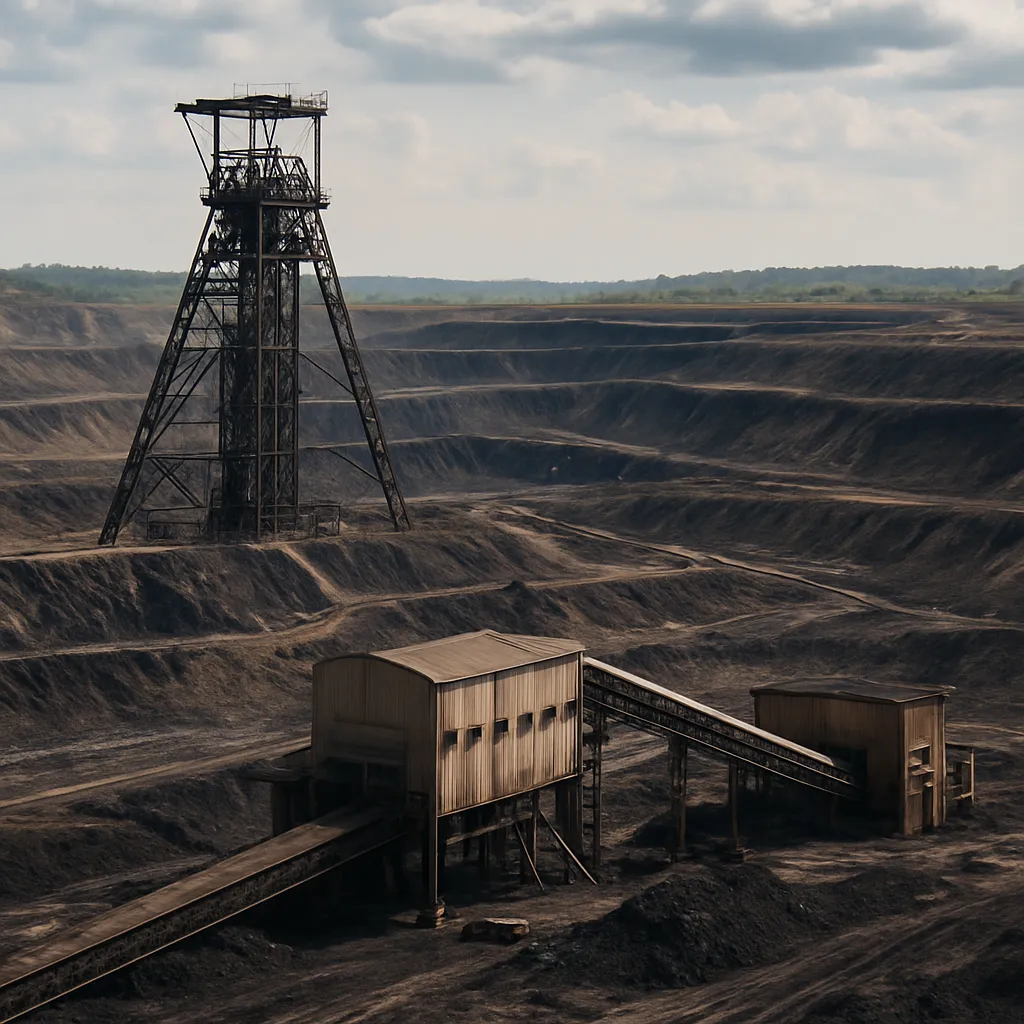
The development of Bobrek is tied closely to the industrialization waves that swept Upper Silesia: rail infrastructure, steelworks and chemical plants were built nearby to take advantage of the local energy supply and raw materials. Over generations, mining companies, local communities and municipal governments shaped a distinct industrial landscape of pit heads, winding towers, miners’ housing estates and related service infrastructure.
Geology and the type of coal extracted
The coal extracted at Bobrek is part of the deposits within the Upper Silesian Coal Basin, one of Poland’s principal coal-bearing provinces. The deposit consists primarily of hard (bituminous) coal, which in many areas includes seams suitable for both thermal use (power generation) and metallurgical processes (coking).
- Coal rank: predominantly bituminous/hard coal (higher calorific value compared with lignite)
- Common uses: power generation, industrial heating, coke production for metallurgical applications
- Seam variability: multiple seams of varying thickness and depth, requiring both shaft and longwall mining methods
Local geology at Bobrek features layered Carboniferous strata typical for the basin: sandstone and shale roof and floor rocks separated by coal seams. Some seams are gassy and high in methane, creating operational safety requirements and influencing ventilation and degasification strategies. The quality of coal—calorific value, ash and sulfur content—varies between seams, which affects both marketability and environmental treatment measures.
Mining methods and operational characteristics
Operations at Bobrek historically employed a mix of conventional shaft mining and mechanized longwall systems, depending on seam depth and geometry. Modern longwall mining techniques allowed the extraction of large, continuous panels with high productivity, but also necessitated sophisticated ground control and water management systems.
Typical infrastructure and equipment
- Shafts and winding towers: vertical access for miners, equipment and coal hoisting
- Underground roadways and gate roads: transport corridors and ventilation passages
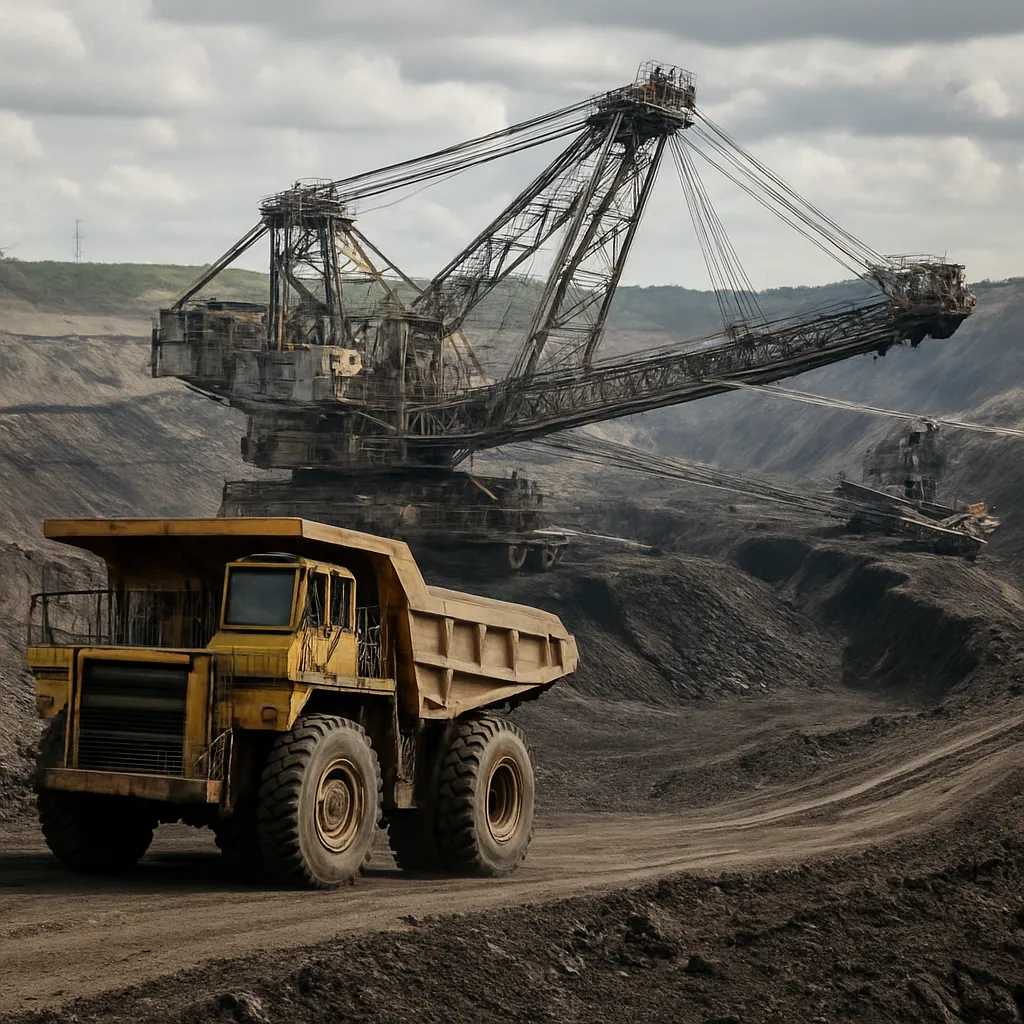
- Longwall shearers and shields: used where seams are sufficiently continuous
- Conveyor belts and crushers: to move coal to the surface and to processing plants
- Surface preparation plants: cleaning, sorting and sizing to meet market specifications
Safety systems—methane monitoring, roof support technology, and emergency evacuation planning—are central to operations, particularly in older, deeper workings. Over time, mechanization reduced the on-shift workforce per tonne extracted, while increasing output and the demand for technical skills among remaining employees.
Economic and industrial significance
Bobrek Mine has historically been an important local employer and a contributor to regional industrial output. Coal from Bobrek supplied power plants, heating systems, and industrial plants in the Silesian region, and where of metallurgical quality, it served steelworks producing iron and steel products.
The mine’s economic role can be considered on several levels:
- Local employment: mining and associated services provided steady jobs for generations, supporting families and whole communities around the pit.
- Energy security: domestic coal reduced reliance on imported fuels for electricity and heat, a strategic priority for Poland for much of the 20th century.
- Industrial feedstock: coking coal supported metalworking industries, contributing to the regional manufacturing base.
- Municipal revenue: taxes and payments from mining companies supported local budgets and infrastructure investment.
At the national level, operations like Bobrek were part of a network of mines that historically provided the backbone of Polish heavy industry and power generation. Even as the economy diversified, coal remained politically and economically significant because of its role in employment and energy policy.
Statistical overview and production trends
Precise production figures for a single mine can vary year to year. At its height in the 20th century, a mid-sized Upper Silesian colliery such as Bobrek could have produced hundreds of thousands to a few million tonnes of coal per year. Over recent decades, production volumes across the Polish coal sector have trended downward at many sites due to a combination of reserve depletion, economic restructuring, environmental regulation and market changes.
Some relevant statistical and trend observations (contextual and generalized for the basin and comparable operations):
- Poland remained one of Europe’s largest coal-producing countries through the 20th and early 21st centuries; individual mines contributed varying shares depending on capacity.
- Labor productivity increased with mechanization: fewer miners were needed to extract each tonne compared with earlier decades.
- Many older shafts experienced rising extraction costs as easily accessible reserves were exhausted, making operations less economically viable without modernization or state support.
Because of restructuring in the Polish mining sector, many pits in the region underwent consolidation, modernization, partial closures or conversion to other uses. Where available, company reports and government statistics provide the best source for mine-specific tonnages, workforce size and economic contribution for particular years.
Social and cultural impact
Coal mining shaped the social fabric of Bobrek and surrounding towns. A distinct miners’ culture developed—trade unions, local traditions, festivals (such as Miners’ Day), and a network of social institutions including housing, schools, and cultural centers funded by mining companies. Miners’ identity and solidarity were central to community life, with generational continuity common in workforce composition.
The mine also influenced urban form: rows of workers’ housing, public amenities built by companies, and a landscape marked by slag heaps, spoil tips and industrial architecture. Over time, as mines closed or scaled down, communities faced challenges of unemployment, social dislocation and the need to repurpose former mining spaces.
Environmental and post-mining issues
Coal mining carries significant environmental footprints. At Bobrek and similar sites these included:
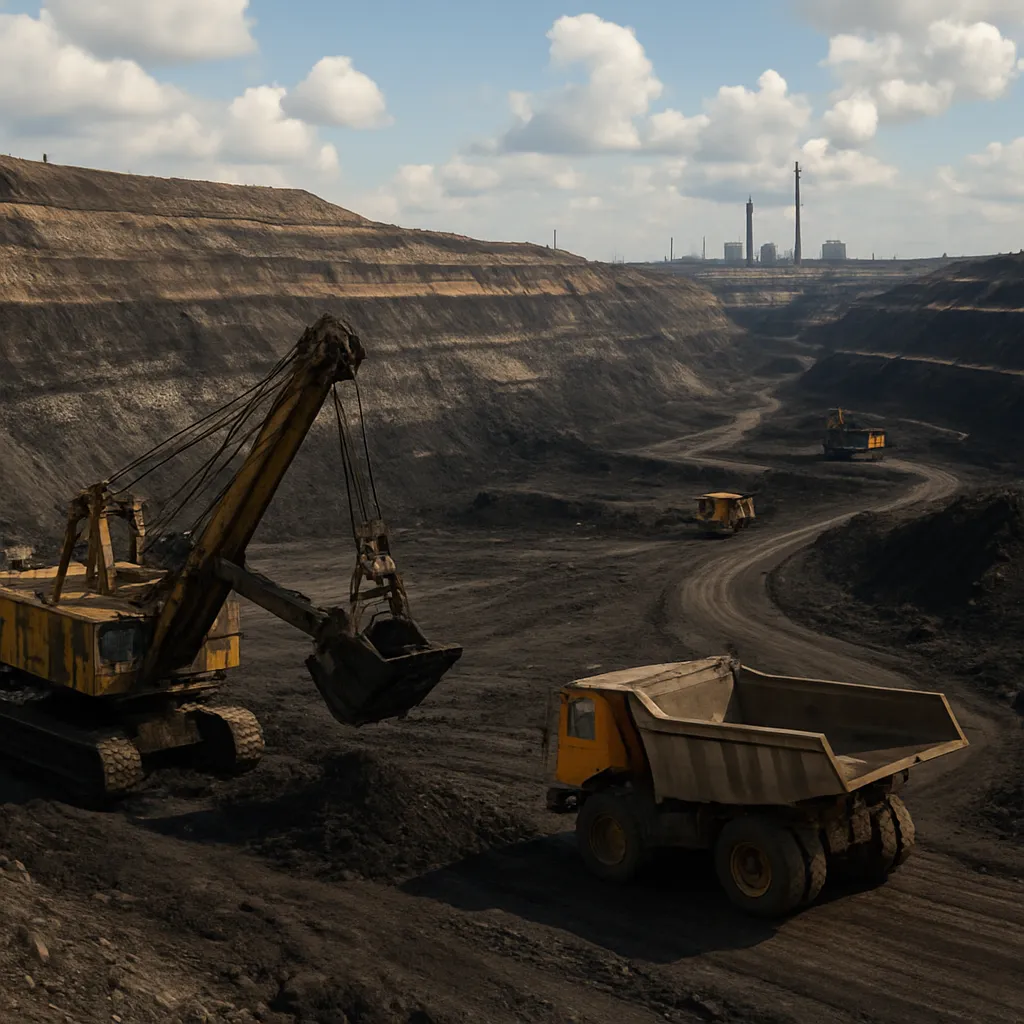
- Landscape alteration: spoil heaps, subsidence and altered drainage patterns
- Water impacts: mine drainage and altered groundwater levels affecting wells and ecosystems
- Air emissions: dust, particulates and historical emissions from coal combustion in nearby industries
- Soil and spoil contamination: heavy metals and other contaminants in waste rock
Contemporary approaches to legacy issues include reclaiming spoil tips, stabilizing ground subsidence, treating mine water, and converting former industrial lands into recreational areas, photovoltaic installations, or business parks. Successful reclamation often requires long-term monitoring and targeted investment.
Modern context: transition and future prospects
Poland’s energy policy and EU climate commitments are driving a gradual transformation of the coal sector. This impacts mines like Bobrek in several ways:
- Economic pressure: competition from cheaper imported fuels and the rising cost of environmental compliance
- Policy signals: incentives for low-emission technologies and potential support for worker retraining
- Local transition: diversification of local economies away from mining toward services, logistics, and renewable energy projects
Some former mining sites have been redeveloped into museums or cultural centers to preserve industrial heritage and attract tourism. Others host industrial parks or green-energy installations, turning former liabilities into new assets. The prospects for a particular site depend on local leadership, availability of funding, and the technical condition of infrastructure and land.
Interesting technical and historical facts
- Historic depth: some workings in the Upper Silesian Basin reached depths of several hundred to over a thousand meters, reflecting intense historical exploitation.
- Mining innovation: the region was a laboratory of mining technology, adopting mechanized longwall systems and complex ventilation strategies early in industrial history.
- Cultural legacy: miners’ hymnody, museum exhibits, and monuments commemorate the labor and sacrifice associated with coal production.
- Environmental engineering: modern reclamation at many Polish sites employs geomorphological design, phytoremediation and hydrological engineering to restore ecosystems.
Conclusion
Bobrek Mine exemplifies the complex role coal mining has played in Poland: as a source of energy and industrial feedstock, as a local economic engine, and as a shaper of culture and landscape. While precise annual tonnages and workforce numbers vary over time and depend on specific historical records, the broader patterns are clear: coal mining brought prosperity and identity, but also created environmental and structural challenges that communities and policymakers continue to address. The mine’s legacy endures in regional architecture, social networks and evolving land uses, even as Poland navigates an energy transition that will redefine the future of former coal districts.