The decline of coal across Europe and the United States has profound implications for local economies, labor markets, and social cohesion. As mines close and power plants retire, entire communities face an uncertain future. This article explores the historical roots of coal use, examines the social fallout of its downturn, analyzes the shifting landscape of coal stock investments, and considers the policy and environmental forces reshaping the energy sector.
Historical Legacy and the Roots of Decline
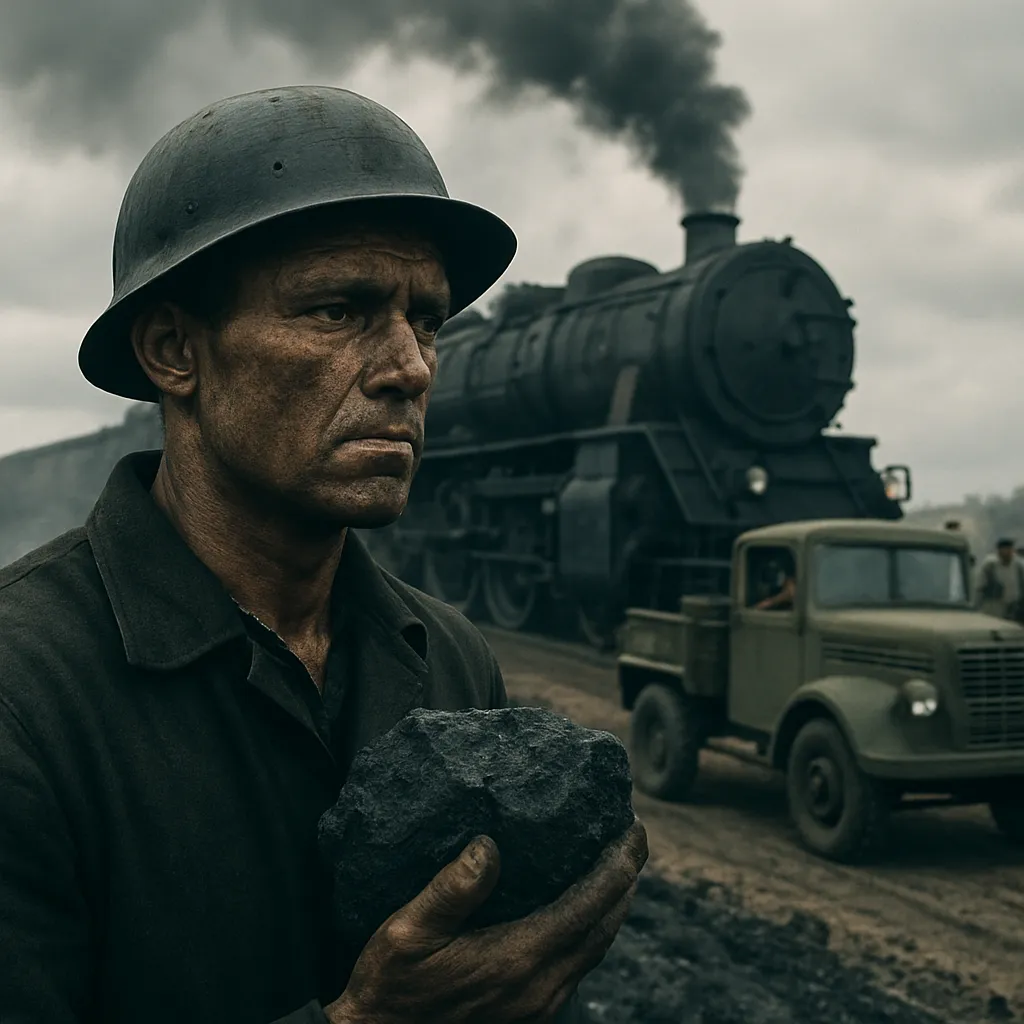
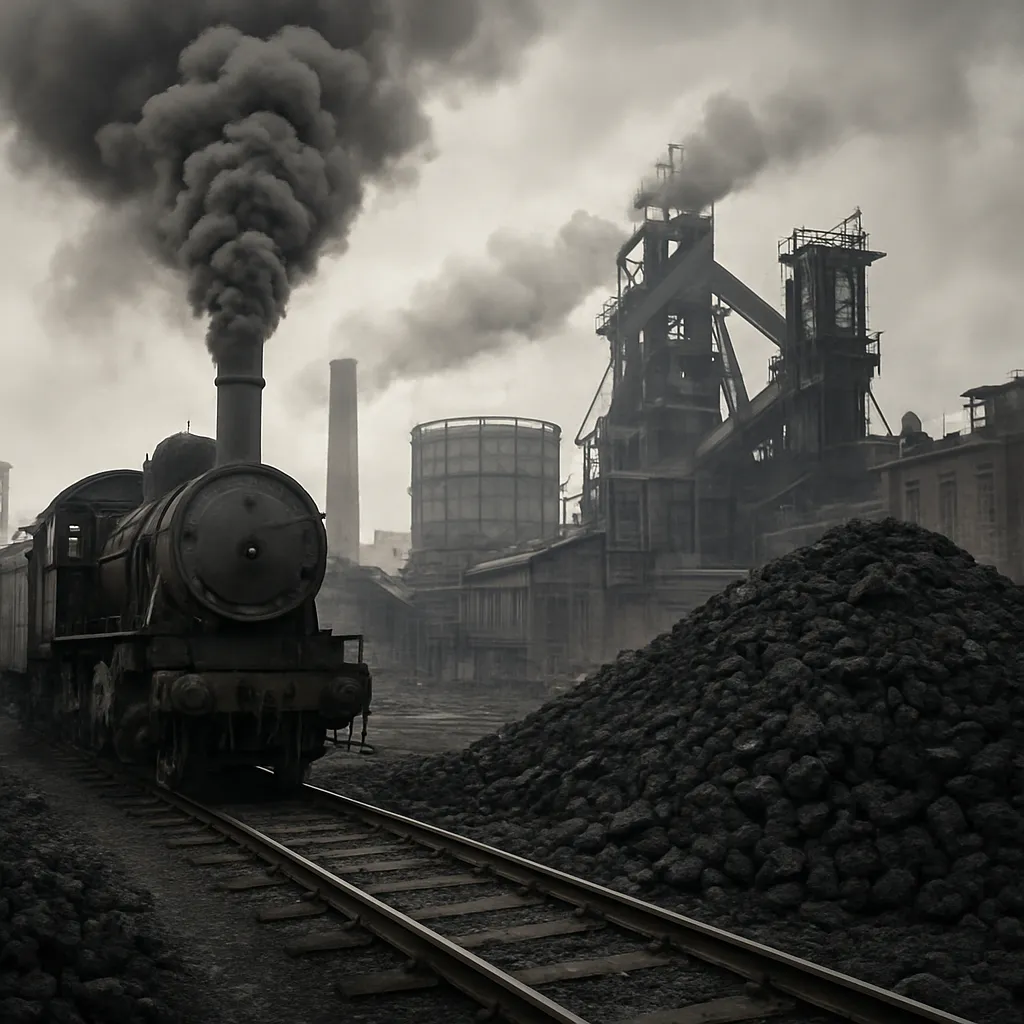
Coal fueled the Industrial Revolution, powering steel mills, railroads, and electric grids. Regions such as the Ruhr Valley in Germany, Silesia in Poland, Appalachia in the US, and South Wales in the UK developed deep cultural ties to mining. Over decades, however, technological innovation and environmental concerns set the stage for decline. Mechanization reduced the need for labor, while global competition lowered coal prices. Stringent regulations on carbon emissions further accelerated plant closures, forcing a shift away from a once-dominant fuel.
Mechanization and Mine Closures
- Introduction of continuous miners and longwall systems
- Reduction in workforce despite stable or increased output
- Rapid mine closures in less productive seams
By the late 20th century, many small operations became economically unviable. Governments and corporations moved quickly to phase out marginal mines, leaving workers and towns without clear alternatives.
Economic and Social Impacts on Mining Communities
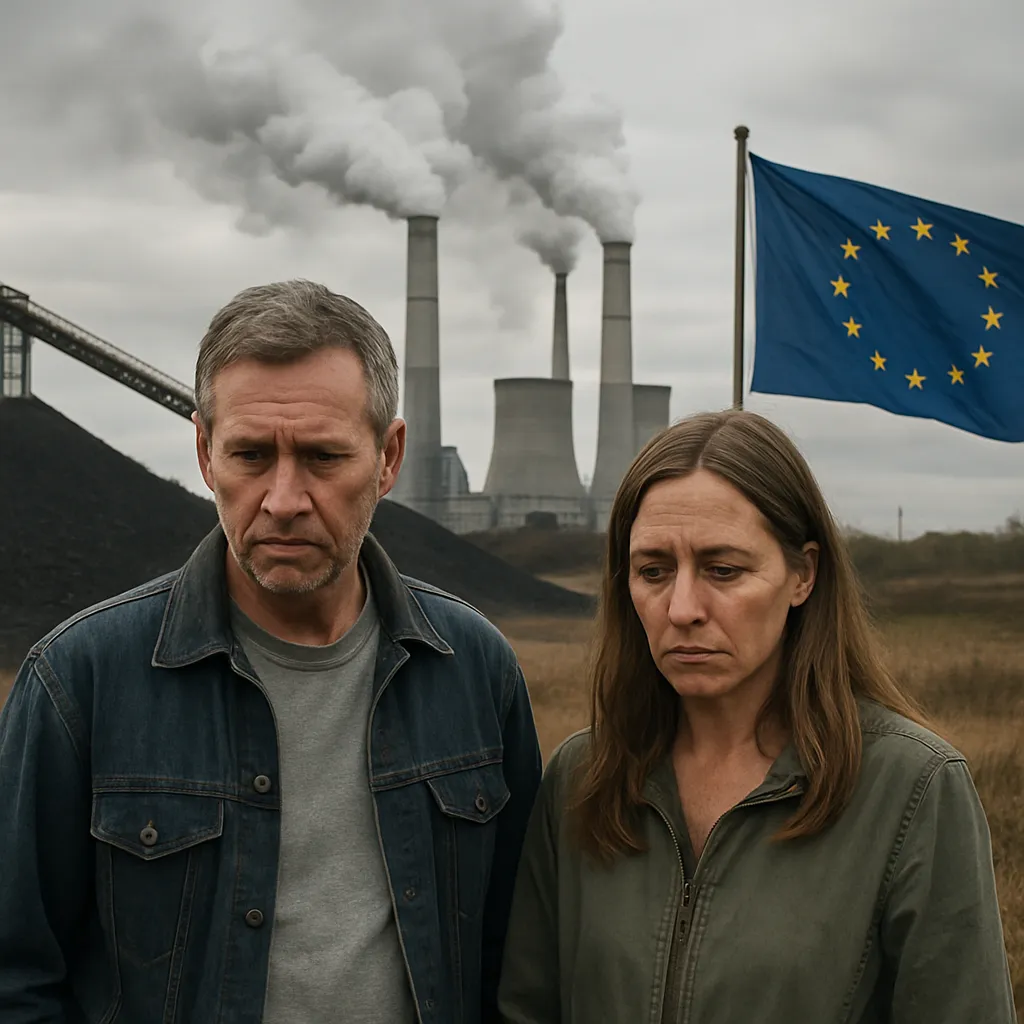
The contraction of coal industries led to rising unemployment rates in former mining areas. Entire towns built around shafts and tipples found their social fabric unraveling. Local businesses, dependent on miners’ wages, suffered. Schools and healthcare facilities saw funding cuts as tax bases shrank. These pressures contributed to spikes in poverty, substance abuse, and outmigration among younger generations seeking opportunities elsewhere.
Deindustrialization and Community Struggles
- Closure of mines triggering a downward economic spiral
- Decline in ancillary industries such as rail transport and equipment manufacturing
- Challenges in retraining a specialized workforce
The process of deindustrialization altered demographic patterns, leaving behind aging populations and hollowed-out urban centers. Efforts to attract new industries often struggled, blocked by persistent negative perceptions and logistical obstacles such as geographic isolation.
Coal Stock Markets and Investment Shifts
Investors increasingly view coal companies as high-risk. Share values of major coal producers have declined as global markets pivot toward renewable energy sources. Institutional investors and pension funds face mounting pressure to divest from fossil fuels, redirecting capital to wind, solar, and battery technologies.
From Black Gold to Stranded Assets
- Wave of divestment announcements by universities, banks, and sovereign funds
- Heightened scrutiny of balance sheets for environmental liabilities
- Creation of green bonds and climate-aligned investment strategies
The concept of stranded assets—coal reserves that can never be burned without breaching climate targets—has gained traction. Analysts warn that companies holding vast unburnable reserves may face insolvency, compounding social costs in regions reliant on royalties and taxes from coal sales.
Environmental Drivers and Regulatory Responses
Efforts to combat climate change have placed coal in the crosshairs. International agreements, national carbon pricing, and local air quality standards have steadily tightened. Power plants must install expensive pollution controls or retire early. Meanwhile, growing public awareness of health impacts from particulate matter and acid rain bolsters support for phase-outs.
Policy Frameworks and Just Transition
- Implementation of emissions trading systems (ETS) in Europe
- Federal and state-level subsidies for renewable projects in the US
- Funding for job retraining and community revitalization
Governments have begun to recognize the need for a just transition, aiming to mitigate hardships faced by workers and towns. Programs include pension guarantees, early retirement packages, and grants for small businesses. Such policies seek to build community resilience by diversifying local economies and supporting social services.
Opportunities and Future Pathways
Despite the hardships, several communities have launched success stories. Former mining regions are reinventing themselves as hubs for technology, tourism, and green manufacturing. Abandoned pits become reservoirs or recreational lakes. Retrofitted coal plants operate as biomass or hydrogen facilities. The key lies in long-term vision and collaboration among government, industry, and civil society.
Building on Local Strengths
- Investing in broadband and infrastructure to attract remote-friendly businesses
- Leveraging heritage tourism around industrial archaeology
- Promoting small-scale renewable cooperatives
As Europe and the US navigate the energy transition, balancing environmental imperatives with social justice remains critical. The decline of coal need not mean the decline of communities. With targeted support and innovative planning, former coal districts can emerge as symbols of resilience and reinvention.