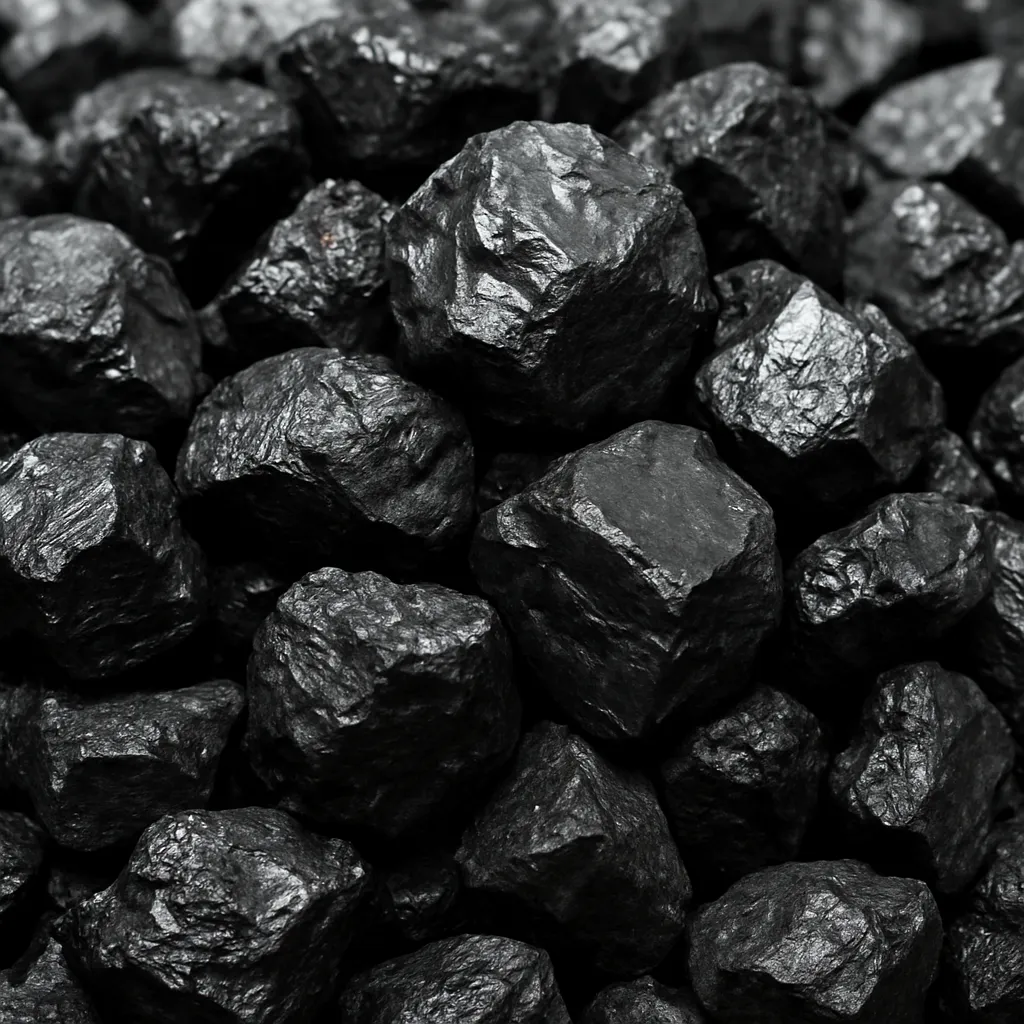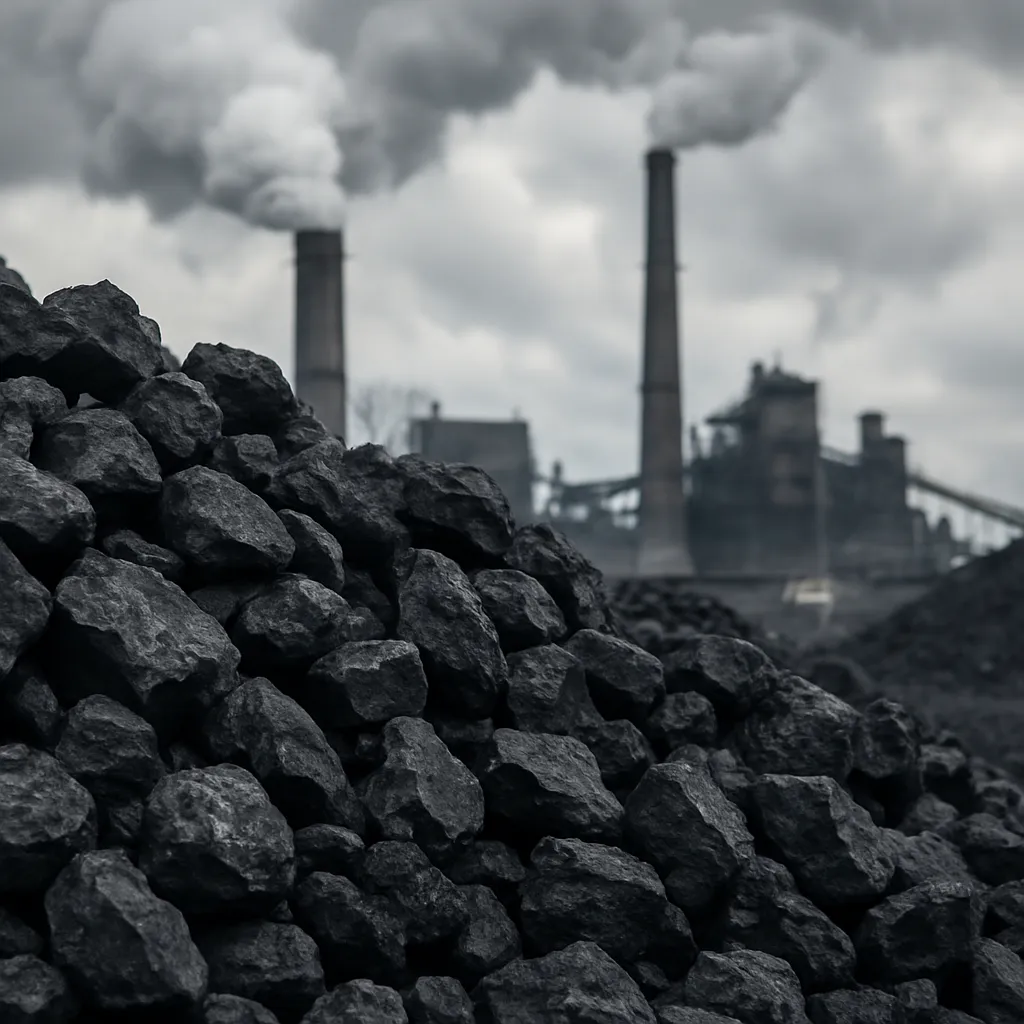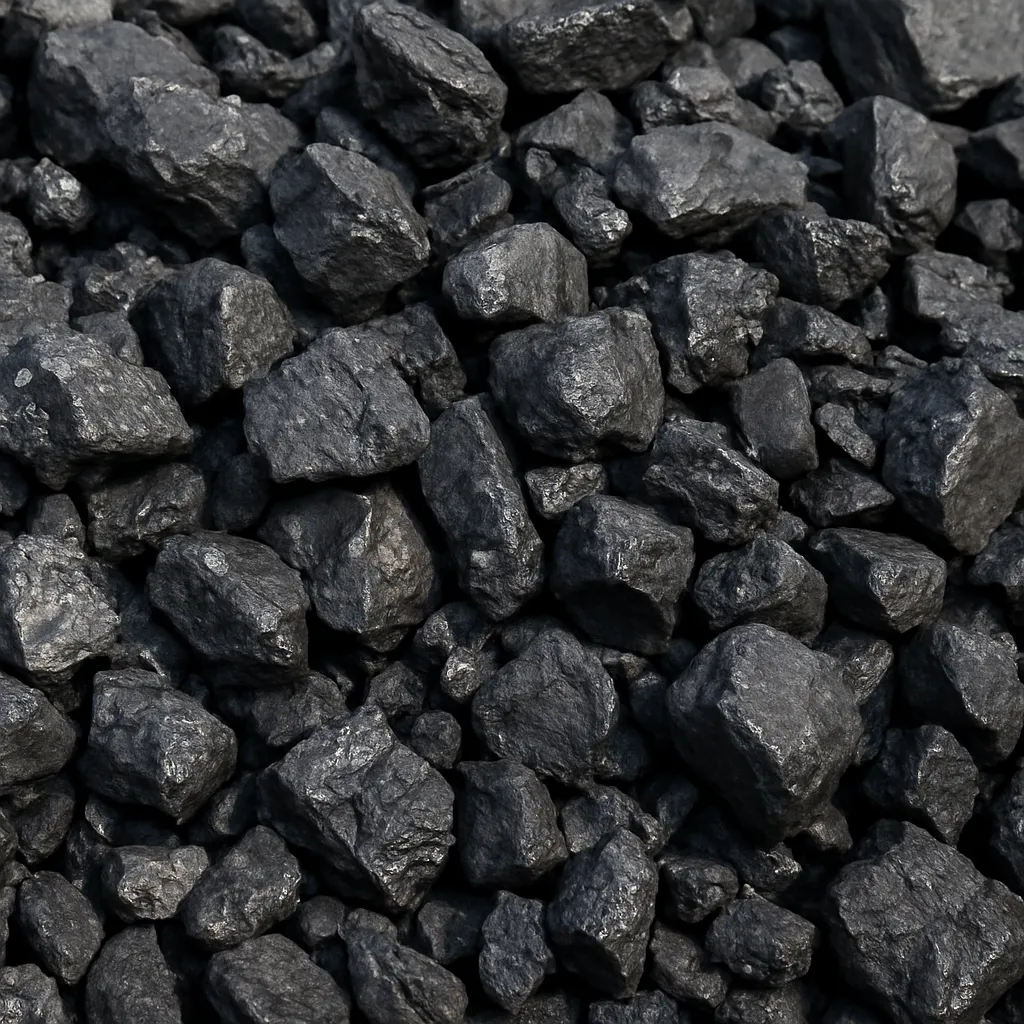
This article examines low-ash metallurgical coal — a specialized class of coal that is central to traditional steelmaking and remains an economically strategic commodity worldwide. The text explains the coal’s defining properties, where it is found and mined, how it is processed to achieve low ash content, and why its market dynamics and environmental context matter. Practical statistical and economic observations are included where available, together with notes on technological change and future trends that may reshape demand for this important raw material.
Characteristics and quality parameters of low-ash metallurgical coal
Low-ash metallurgical coal is a subset of coking coal used primarily to produce coke, which in turn is a reducing agent and structural support in blast furnaces. The defining characteristic is a naturally low mineral matter content that translates to low ash levels after combustion or carbonization. Typical cutoffs vary by market and application, but high-quality low-ash metallurgical coals often have ash contents below 8–10% on an air-dried basis; premium coals may be below 6–7%. Low ash is desirable because mineral matter in coal becomes non-combustible residue that lowers coke yield, degrades coke strength, and increases slag volume and impurities in the blast furnace.
Beyond ash, several other technical parameters are critical to classify and evaluate metallurgical coal:
- Volatile matter: influences the coal’s plasticity and coking behaviour; coals with moderate volatile contents are often preferred.
- Vitrinite reflectance (Ro): a maturity indicator; coking coals typically have Ro values in a range that supports optimal plasticity and coke formation.
- Free-swelling index (FSI) and Gieseler plastometer values: measures of the coal’s swelling and plastic properties during heating; important for coke oven performance.
- Chemical impurities: sulfur and phosphorus must be low because they negatively affect steel quality and coke chemistry.
- Coke quality indices: Coke Strength after Reaction (CSR) and Coke Reactivity Index (CRI) are used by steelmakers to assess how coke will perform in the blast furnace environment.
Low-ash metallurgical coal typically scores well across this set of parameters: low mineral content, favourable plasticity and swelling behaviour, and limited deleterious elements. These traits translate into higher coke yields, stronger coke, and reduced operational difficulties in steel plants.
Where low-ash metallurgical coal occurs and major producing regions
Geologically, metallurgical coals are found in sedimentary basins where organic-rich peat was buried and subjected to appropriate temperature and pressure histories. Such basins occur across multiple continents. Important producing regions for high-quality, low-ash metallurgical coal include Australia, the United States, Canada, Russia, Colombia, South Africa, China, and India. Production and trade patterns vary: some countries are large domestic producers and users (China, India), while others are major exporters (Australia, Canada, the United States, Colombia).
Australia has been the dominant supplier of seaborne metallurgical coal for decades, especially premium hard coking coals from the Bowen and Surat basins in Queensland and the Hunter Valley in New South Wales. These deposits often contain seams with inherently low ash and excellent coking properties, making Australia the go-to source for many international steelmakers.
Canada (chiefly British Columbia and Alberta) and the United States (Appalachian basins, Illinois Basin, Powder River in limited cases) also supply high-quality metallurgical coals, with many Canadian and U.S. shipments targeting North American and Asian markets when logistics permit. Russia and South Africa possess significant coking coal resources, with Russian supply historically flowing to Europe and Asia. Colombia has been a growing coal exporter for both thermal and metallurgical grades, with many Colombian metallurgical coals requiring careful washing to meet low-ash specifications.
China produces large volumes of coal overall and also has domestic coking coals, but geological variability and environmental policy have led China to both rely on domestic supply and import higher-quality low-ash coals when necessary. India likewise produces coking coals domestically but imports premium low-ash supplies to meet the needs of steel mills with strict coke specifications.
Mining, beneficiation and how low-ash is achieved
Low-ash metallurgical coal can be inherently low in mineral matter, or it can be upgraded through beneficiation. Mining methods include both surface (open-pit) and underground (room-and-pillar, longwall) operations. Many high-quality metallurgical coal seams are accessible by underground longwall mining, which can recover thick, laterally continuous seams with limited dilution.
Coal preparation plants (CPPs) and beneficiation circuits are central to producing low-ash product coal. Typical steps include:
- Size reduction and screening to segregate fine and coarse fractions.
- Gravity separation (jigs, dense medium cyclones) to remove heavier mineral particles.
- Froth flotation and other surface chemical treatments to clean fine coal particles.
- Drying and blending to achieve target moisture, ash and coking properties across shipments.
Achieving low-ash product often requires substantial washing, with tailings management as a significant environmental and cost consideration. Some seams, due to high inherent quality, require minimal beneficiation; these are especially valued in the market because they save processing costs and reduce environmental footprint related to preparation.
Logistics are also part of the production equation. Proximity to rail, port, and coke-making facilities influences whether low-ash material can be profitably delivered to buyers. The highest-quality coals command premiums that often justify long-distance shipping, but logistics disruptions or bottlenecks can materially affect supply availability and price.
Economic and market aspects: production, trade and pricing
The market for metallurgical coal is much smaller in tonnage than for thermal coal but commands a higher value per tonne. While figures vary by year and source, global seaborne trade of metallurgical coal has historically been on the order of a few hundred million tonnes annually. Australia typically supplies a substantial share of that seaborne market, with other exporters such as Canada, the United States and Colombia supplying meaningful volumes as well.
Prices for low-ash metallurgical coal are set in a combination of long-term contracts and spot market transactions, and they are tracked by industry price assessment agencies (e.g., Platts, Argus). Premiums for low-ash, low-sulfur, low-phosphorus coals can be very significant — sometimes tens of US dollars per tonne above benchmark coking coal prices — because higher-quality feedstock directly reduces coke-making costs and improves blast furnace efficiency.
Demand for metallurgical coal is strongly correlated with steel production. Because the dominant steelmaking route globally remains the blast furnace-basic oxygen furnace (BF-BOF) route, which requires coke, demand for metallurgical coal remains entrenched. That said, regional differences are notable: mature markets with large electric-arc furnace (EAF) capacity (which relies more on scrap and less on coke) have different demand profiles than those relying heavily on BF-BOF.
Price volatility has been a marked feature of the metallurgical coal market. Shocks such as large mine disruptions, geopolitical events, supply constraints, and rapid changes in steel demand can produce sharp price swings. For instance, years with mine closures or export restrictions on major coal producers have led to tight markets and price spikes, while global economic slowdowns reduce steel demand and depress prices.
Employment and regional development impacts are substantial in producing regions. Metallurgical coal mines support hundreds to thousands of direct jobs, with upstream and downstream multipliers in local economies (transport, equipment supply, port services, power, and maintenance). Royalties and taxes on coal production also represent material revenue streams for producing governments, although the fiscal details vary widely.
Statistical notes and illustrative figures
Exact and up-to-date statistics fluctuate annually. As broad illustrative indicators (approximate and subject to change):
- Global coal production (all types) has been in the single-digit billions of tonnes per year; metallurgical coal constitutes a smaller fraction of that total, concentrated in specialized seams and seaborne trade lanes.
- Seaborne trade of coking/metallurgical coal has historically been on the order of 150–300 million tonnes per year, depending on the definition and the market year.
- Australia often accounts for a dominant share of seaborne metallurgical coal exports — historically anywhere from roughly one-third to more than half of the market, with fluctuations tied to domestic production and export policy.
- Premiums for low-ash, premium hard coking coals can add a sizeable uplift to benchmark prices; in tight markets those premiums become particularly pronounced.
Because these numbers shift with time, readers using this article for investment or procurement decisions should consult current industry reports (from agencies such as the International Energy Agency, national geological surveys, and market intelligence providers) for the latest figures and analyses.
Industrial importance and end uses
The primary end use for low-ash metallurgical coal is to make coke for blast furnace steelmaking. Coke performs three essential functions in the BF-BOF process:
- It provides the carbon necessary to chemically reduce iron oxides to metallic iron.
- It supplies structural strength inside the furnace to maintain permeability and gas flow.
- It contributes chemical energy and influences the thermochemical environment inside the furnace.
Because coke quality influences furnace efficiency, throughput and refractory life, steelmakers prize low-ash coals that produce dense, strong coke with predictable reactivity. Beyond coke, certain metallurgical coals can be partially combusted or used as feedstock in processes like pulverized coal injection (PCI), which offsets some coke use by introducing powdered coal directly into the blast furnace. Low ash remains valuable even for injectants because mineral matter becomes slag and handling costs are lower for cleaner fuels.
Secondary applications include carbon products (e.g., needle coke, which has very specific feedstock requirements), foundry coke, and specialized carbons. Needle coke, used to manufacture graphite electrodes for electric arc furnaces, demands exceptionally low impurities and particular properties that only a subset of coals can furnish.
Environmental, social and regulatory considerations
Producing and using metallurgical coal carries environmental and social impacts. Mining operations result in land disturbance, water use, and tailings or slurry disposal from coal preparation plants. Beneficiation to achieve low ash often produces significant waste streams that must be managed safely to prevent water and soil contamination.
Methane emissions from underground coal mines are an important greenhouse gas consideration; capturing and utilizing or flaring mine methane is both a climate and safety issue. Combustion of coke and use of coal in steelmaking produce CO2 — a major target for emissions reduction efforts in the steel and mining sectors.
Regulatory environments are tightening in many jurisdictions. Environmental permitting, water management rules, and mine rehabilitation obligations raise the cost of new projects and increase incentives to improve efficiency and reduce waste. Social license to operate is also central: community engagement, indigenous rights, local employment, and benefit-sharing are increasingly part of project evaluation and long-term operational strategy.
Decarbonization, alternatives and future trends
The steel industry faces strong pressure to decarbonize. Several technological pathways are being pursued to reduce or eliminate reliance on metallurgical coal:
- Increased recycling via EAFs: where scrap availability allows, EAFs reduce demand for primary ironmaking and thus coking coal.
- Direct Reduced Iron (DRI) processes: DRI using natural gas or hydrogen (when produced from low-carbon sources) can displace some blast furnace capacity and lower coal demand. Hydrogen-based DRI, if scaled, could substantially reduce the metallurgical coal requirement for steelmaking.
- Carbon capture, utilization and storage (CCUS): retrofitting BF-BOF steelmaking with CCUS can mitigate emissions, potentially preserving demand for coking coal while reducing net CO2 emissions.
- Process innovations: improved coke oven efficiency, increased use of PCI, and blended coal/coke strategies can reduce coke intensity per tonne of steel.
These transitions are uneven geographically because of differences in scrap availability, energy prices, infrastructure, regulatory incentives, and capital investment capacity in steel-producing countries. As a result, demand for high-quality low-ash metallurgical coal is expected to persist for decades in many regions even as alternative technologies grow.
Market dynamics, supply risks and strategic considerations
Several features shape the strategic importance of low-ash metallurgical coal:
- Concentration of supply: When a small number of regions supply the seaborne market, disruptions (weather, labour action, policy changes) can have immediate global effects.
- Quality scarcity: Not all coal is coking coal; not all coking coal is low-ash. Premium low-ash material is relatively rare and often commands durable premiums.
- Contract structures: Long-term contracts remain important for securing supply and price stability. Spot markets add flexibility but also volatility.
- Geopolitical influences: Export controls, trade sanctions, and regional trade policies can shift flows abruptly and reprice the market.
For steelmakers, procurement strategies often balance cost, quality and supply security. Some buyers secure long-term positions in premium low-ash coals to ensure consistent coke quality, while others manage feedstock variability through coal blending or coke blending strategies.
Interesting technical and historical notes
Historically, the rise of coal-based coke production was a cornerstone of industrialization and steel production. Regions with naturally occurring high-quality coking coals often became industrial hubs. Technically, the science of coke formation — how various macerals and mineral matter interact during carbonization — remains an area of active research. Advances in coal petrography, thermal analysis and pilot-scale cokemaking help optimize coal blends and predict coke performance more precisely than in earlier eras.
Another noteworthy point: while much attention focuses on CO2 emissions, ash and other mineral by-products of coal processing also represent a stream of materials that, with suitable technology and regulation, can be repurposed (for construction, backfilling, or mineral recovery) rather than simply landfilled, thereby improving resource efficiency.
Conclusions
Low-ash metallurgical coal remains a prized raw material due to its ability to produce high-quality coke, directly affecting the efficiency and output of traditional blast furnace steelmaking. Its geological scarcity, the specialized beneficiation required to achieve low ash, and the central role it plays in a major industrial value chain make it economically significant and strategically important. Market dynamics are influenced by production concentration, steel demand cycles, and technological change. Meanwhile, environmental pressures and decarbonization pathways will shape the medium- and long-term demand profile for this commodity. For stakeholders — miners, steelmakers, policymakers, and investors — understanding the interplay of quality, logistics, pricing and technology is essential when dealing with low-ash metallurgical coal in a rapidly evolving industrial landscape.