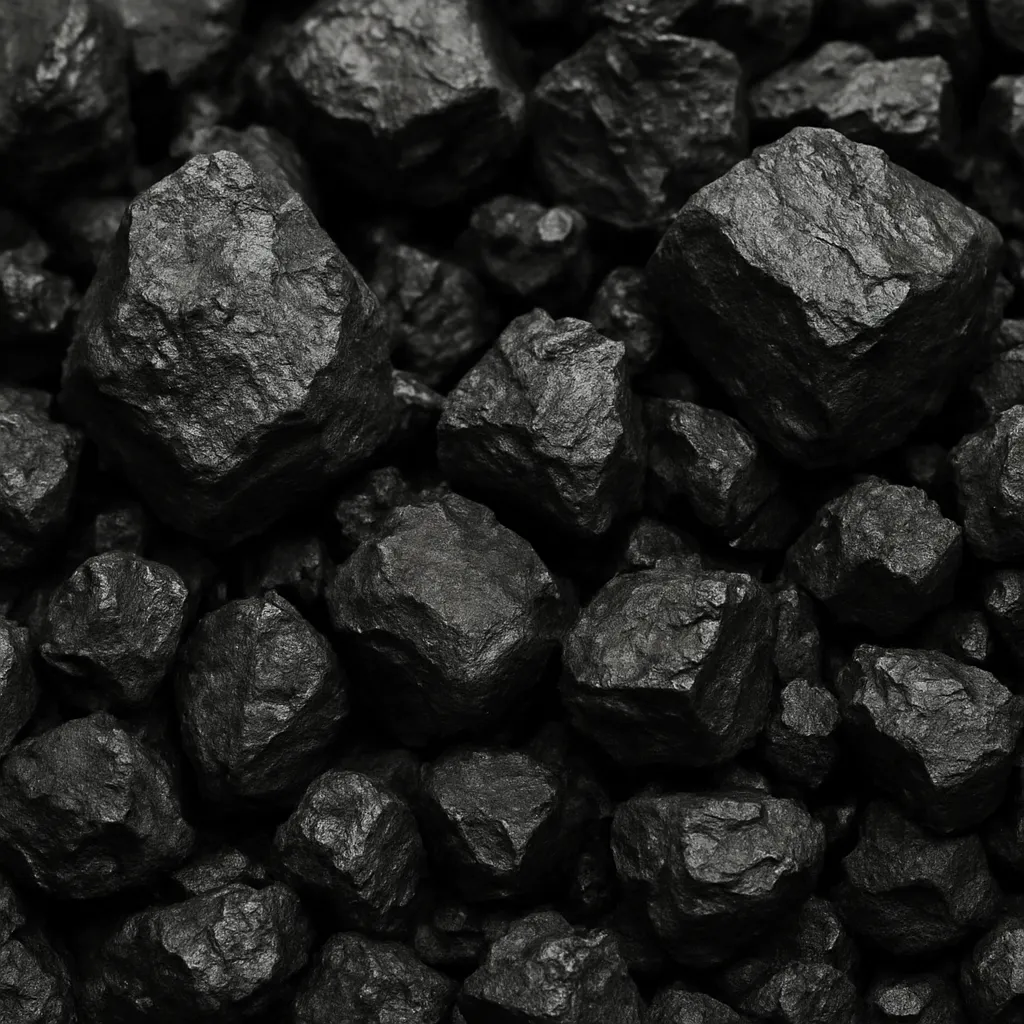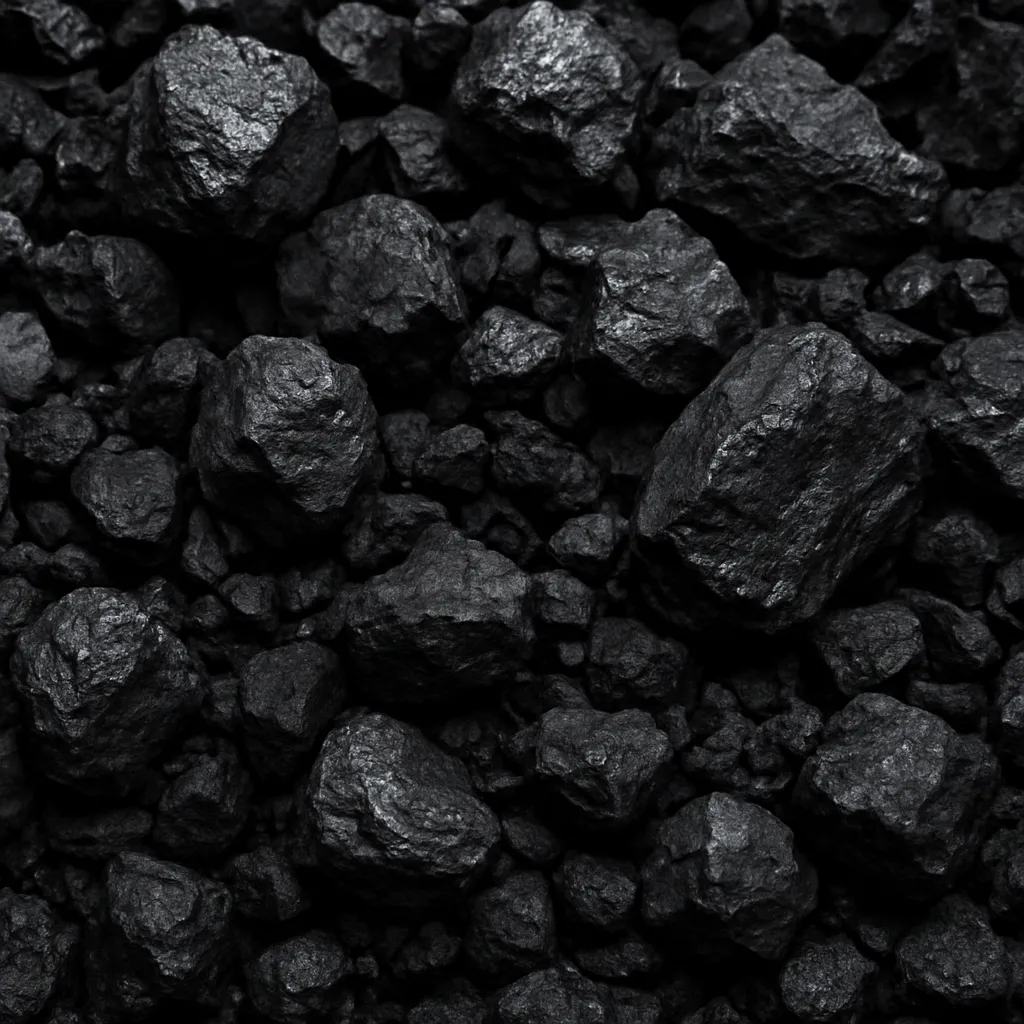
This article examines slack coal — a term used in coal-producing regions to describe the small pieces, fragments and fines that remain after mining and initial processing. Although often treated as a low-value product or waste stream, slack coal has its own history, markets and technical pathways for use. Below you will find an overview of what slack coal is, where it is found and produced, its economic and industrial roles, environmental and handling issues, and prospects for the future.
Definition, composition and physical properties
Slack coal is not a unique geological variety but a size and quality fraction of mined coal. In practical terms, slack refers to small lumps, broken pieces and dust that pass through the coarser sizing screens used at mines, coal preparation plants or during handling. Because it is defined by particle size and degradation rather than by rank, slack can derive from a wide range of coal ranks — from anthracite culm and bituminous fines to lignite fragments — depending on the deposit and processing system.
Typical properties of slack coal:
- Particle size: usually smaller than standard lump specifications. Particles can range from large fines (a few millimetres) down to pulverized dust.
- Lower bulk density and higher moisture uptake per unit mass compared with bigger lumps, due to larger surface area.
- Higher propensity for oxidation and spontaneous heating when stored in large piles because fine coal has increased surface area and trapped moisture.
- Variable calorific value: slack can have comparable heating value to larger coal from the same seam, but practical heating output is lower because of handling losses and moisture.
- Often contains higher ash and sulfur content if it originates from washery rejects or very fine seam material.
Where slack coal occurs and where it is mined
Because slack is a particle-size category rather than a distinct seam, it is produced wherever coal is mined and handled. Slack is therefore present in most major coal-producing regions, including:
- Asia: China and India generate vast quantities of coal — and by extension, significant volumes of slack — within their large-scale surface and underground mining operations.
- North America: the United States and Canada produce slack in both thermal and metallurgical coal operations, especially where processing and crushing generate fines.
- Australia: large open-cut mines supplying seaborne markets create slack during size reduction, loading and stockpiling operations.
- Russia and the CIS: large-scale mining and transport create slack that is often used domestically.
- Africa and South America: slack exists in areas with smaller-scale mining and in plants that do not fully process or wash coal fines.
Certain historical and local terms overlap with slack. For example, in parts of the UK “slack” historically referred to small domestic coal sold cheaply for home fires. In Wales and parts of Pennsylvania the term “culm” or “mine waste” describes similar small-particle anthracite or other coal residues. In modern mines slack most commonly appears in coal yards, stockpiles, screening plant rejects and washery tailings.
Processing, recovery and end-uses
Although slack is less valuable than screened lump coal, there are multiple processing and utilisation options that can recover value and reduce waste:
Washing and dewatering
Fine coal can be recovered using flotation, dense medium separation or fine screening in a washery. Dewatering technologies (centrifuges, filter presses) are important to produce a saleable product because high moisture reduces calorific efficiency and increases transport cost.
Briquetting and pelletizing
Slack is often a feedstock for producing briquettes and pellets. By binding fine coal with a binder and compressing it, manufacturers create higher-density, low-smoke fuels suitable for domestic heating, industrial boilers and some metallurgical applications. Briquetting adds value and reduces fugitive dust.
Blending and combustion
Fine coal is frequently blended with larger coal fractions in power plants or industrial boilers. Pulverized coal-fired power stations already operate on finely milled coal; slack can be incorporated after drying and milling. Slack is less favored for long-distance export because handling costs and the low lump-to-fines ratio make shipping inefficient.
Gasification, pyrolysis and chemical conversion
Advanced thermal processes can convert slack into syngas or liquid fuels via gasification or Fischer–Tropsch processes. While technically feasible, such pathways are capital-intensive and typically reserved for locations with specific economic or policy incentives.
Economic and statistical perspectives
Precise international statistics on “slack coal” as a distinct product are rare because statistical agencies and industry reports usually classify coal by rank (thermal vs metallurgical) and mine output rather than by particle-size fractions. However, several useful economic points can be made:
- Global coal production (all forms) has been in the order of roughly 7–8 billion tonnes per year in the early 2020s, with regional variation and year-to-year volatility influenced by economic cycles, policy changes and energy transitions.
- Estimates from coal operators and preparation plants indicate that fines and small-size fractions can constitute anywhere from a few percent to over 10% of mined output, depending on mining method, geology and processing technology. In some washery operations, fine coal arising from crushing and screening may be a significant share of material reported as “middlings” or tailings.
- Slack typically trades at a discount relative to lump coal. The discount reflects lower calorific efficiency, higher handling costs, and local demand constraints. Therefore, slack tends to be most economically viable when consumed close to source or when processed into briquettes or pellets that attract higher prices.
- International seaborne trade in small-piece coal is limited. Most slack stays in domestic markets, is processed locally, or becomes part of washery waste. This reduces its visibility in cross-border trade statistics.
Price context: prices for seaborne thermal coal (e.g., Newcastle spot prices) have historically been volatile; premiums for low-ash, low-sulfur lump coal can be substantial. Slack, with higher ash and moisture, will sell well below such benchmark prices. Rather than quoting a single number, it is more helpful to note that slack’s margin is small and is sensitive to local transport costs, processing costs and regulatory factors (e.g., bans on high-pollution domestic coal).
Industrial significance and sectors using slack
Despite being a lower-grade fraction, slack has concrete roles in several sectors:
- Power generation: after drying and milling, slack can be used in pulverized coal-fired boilers or co-fired with other fuels.
- Cement and brick manufacturing: many kilns accept slack for thermal energy because they require a continuous, low-cost heat source and can tolerate higher ash content.
- Domestic and small-scale heating: in regions without strict air-quality controls, slack has historically been sold as a cheap household fuel for stoves and fireplaces.
- Metallurgical processes: while slack is not preferred for coke oven feedstock, small-particle material can be agglomerated or briquetted and then used in some sintering or blending operations in steel plants, albeit to a limited extent.
- Industrial boilers and process heat: small manufacturers and industrial facilities sometimes buy slack as an economical on-site fuel.
The relative importance of slack is therefore highest in local markets where transport is cheap and processing infrastructure exists to upgrade the fines. In high-regulation contexts where air pollution rules restrict the sale of small-particle coal, slack is more likely to be processed or relegated to washery waste.
Environmental, safety and regulatory issues
Slack presents several environmental and safety challenges that affect its management:
- Emissions: burning uncontrollable quantities of fine coal in small domestic stoves can produce high levels of particulate matter (PM2.5 and PM10), sulfur and other pollutants. In many urban areas governments restrict or ban the sale of slack for residential use to improve air quality.
- Spontaneous combustion risk: large piles of slack or fines can self-heat due to oxidation. This risk necessitates strict piling procedures, monitoring and sometimes inerting or compaction.
- Dust and worker health: fine coal creates fugitive dust during handling, posing risks for respiratory disease and requiring dust-suppression measures in yards and during transport.
- Tailings and water pollution: washery processes that attempt to recover fines from slurries create tailings ponds and water-management challenges. Fine coal slurries also increase the cost of dewatering and disposal.
- Waste and reclamation: historically, slack and associated culm were dumped in spoil heaps, leading to long-term landscape and ecological impacts. Current regulations in many jurisdictions demand reclamation and safe storage.
Regulatory frameworks vary: in high-income economies, stricter emission standards and landfill rules increase the incentive to upgrade or safely store slack. In lower-income contexts, slack may continue to be burned domestically, exacerbating local air pollution despite its low price.
Historical and cultural notes
Slack coal has a visible presence in the social and cultural history of coal-mining regions. In 19th-century Britain the term “slack” commonly described the cheap small coal sold to poorer households. Slack fires were associated with domestic heating and small-scale industry. In many mining communities, slack heaps shaped local landscapes and sometimes became features of folklore and local economy.
Similarly, in parts of the United States, small anthracite fragments known as “culm” were once a common sight. Over time, reclamation projects have converted many old slack heaps into landscaped parks or land reclaimed for other uses, turning an industrial legacy into a community asset.
Technological improvements and value recovery
Advances in coal-processing technology have improved the economic prospects for slack:
- Fine coal recovery systems (flotation cells, enhanced centrifuges) can extract combustible particles from washery tailings, converting waste into saleable product.
- Binder technologies and briquetting presses have made it cost-effective to produce low-smoke, higher-density fuels from slack, opening markets subject to regulatory approval.
- Drying technologies reduce moisture and improve calorific value before transport, making slack more marketable at greater distances.
- Integration with carbon-capture enabled facilities or gasification units can, in principle, use slack as a feedstock while controlling emissions — although such installations are capital intensive and relatively rare.
Future outlook: markets, policy and alternatives
The future of slack coal is tied to the broader trajectory of coal use and energy policy:
- In regions reducing coal-fired generation through active decarbonisation policies, the market for slack will shrink. Coal phase-out decisions reduce both lump and fine-coal demand.
- However, in parts of the world with growing energy demand and limited alternatives, slack may remain an important local fuel unless stricter air-quality regulations are implemented.
- Technological pathways that upgrade slack — briquetting, recovery from tailings, or conversion via gasification — can preserve some economic value even as traditional coal markets decline.
- Policy incentives for reclamation and waste minimisation will increase investments in recovery technologies and safer storage to prevent environmental damage and spontaneous combustion risks.
- Finally, circular economy approaches could turn slack from a nuisance into a feedstock for products (e.g., activated carbon, industrial carbon blacks) if economically feasible and environmentally regulated.
Key takeaways and practical considerations for stakeholders
For mine operators, policymakers and communities, slack coal raises several practical questions:
- Operational: how to capture and process fines to minimise waste and recover value? Investments in washing and dewatering pay back where local markets for upgraded product exist.
- Environmental: what measures are necessary to control dust, prevent spontaneous combustion and manage tailings? Clear rules and monitoring reduce long-term liabilities.
- Economic: what is the nearest market and the cost of upgrading vs the price obtainable? Transport distance is a critical factor given the low unit value of slack.
- Social: how to manage legacy slack heaps and involve communities in reclamation projects that provide social and environmental benefits?
In short, slack coal is a ubiquitous but often overlooked part of the coal economy. Its management requires a combination of technical solutions, regulatory frameworks and market awareness. While not a high-value product, with appropriate processing and local demand it can be a meaningful contributor to mine-site economics and a reduced-waste outcome.