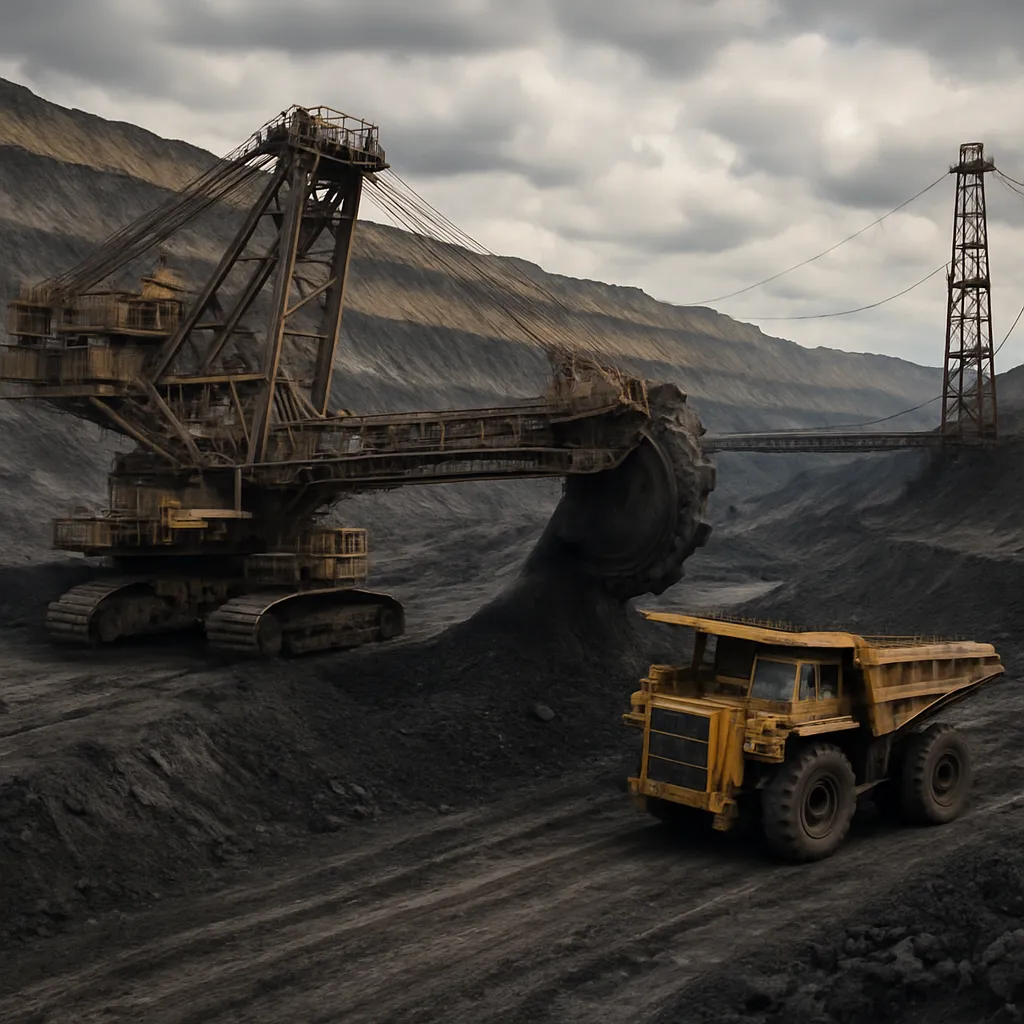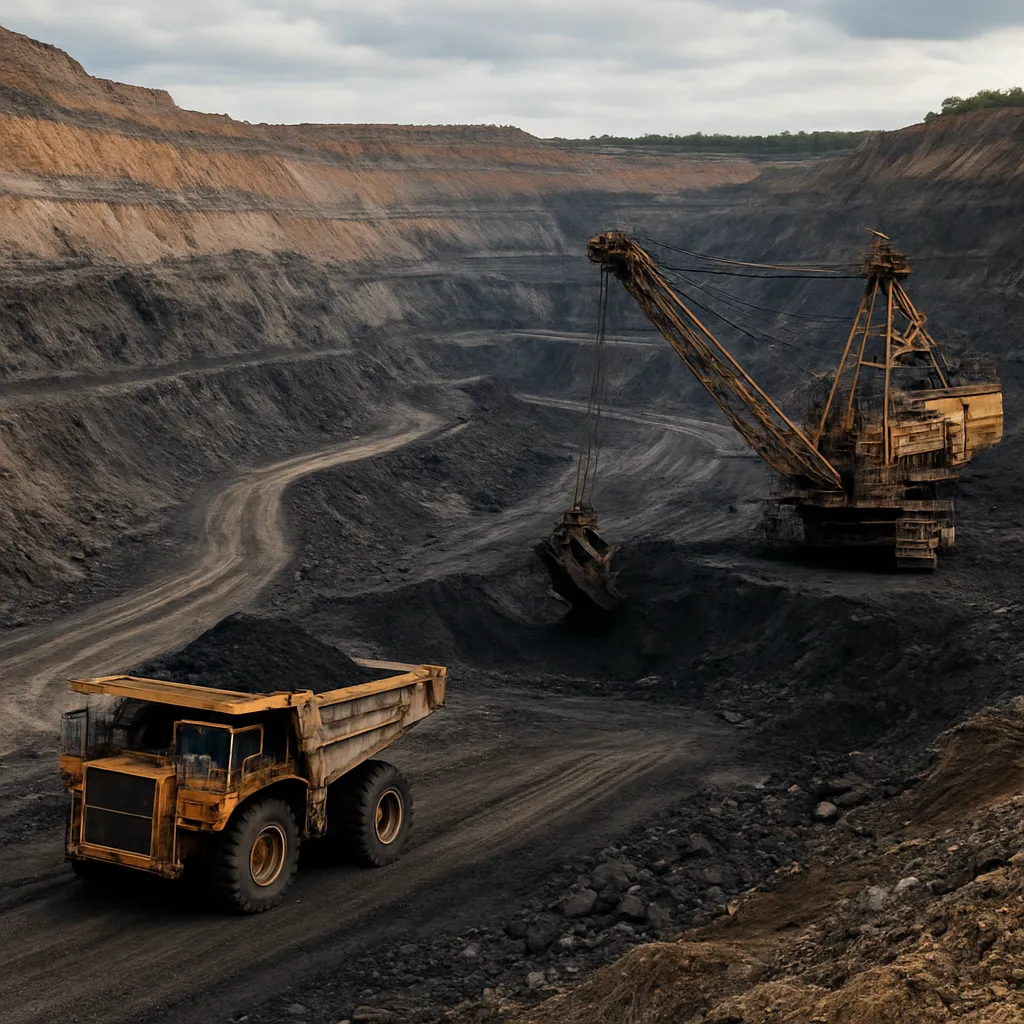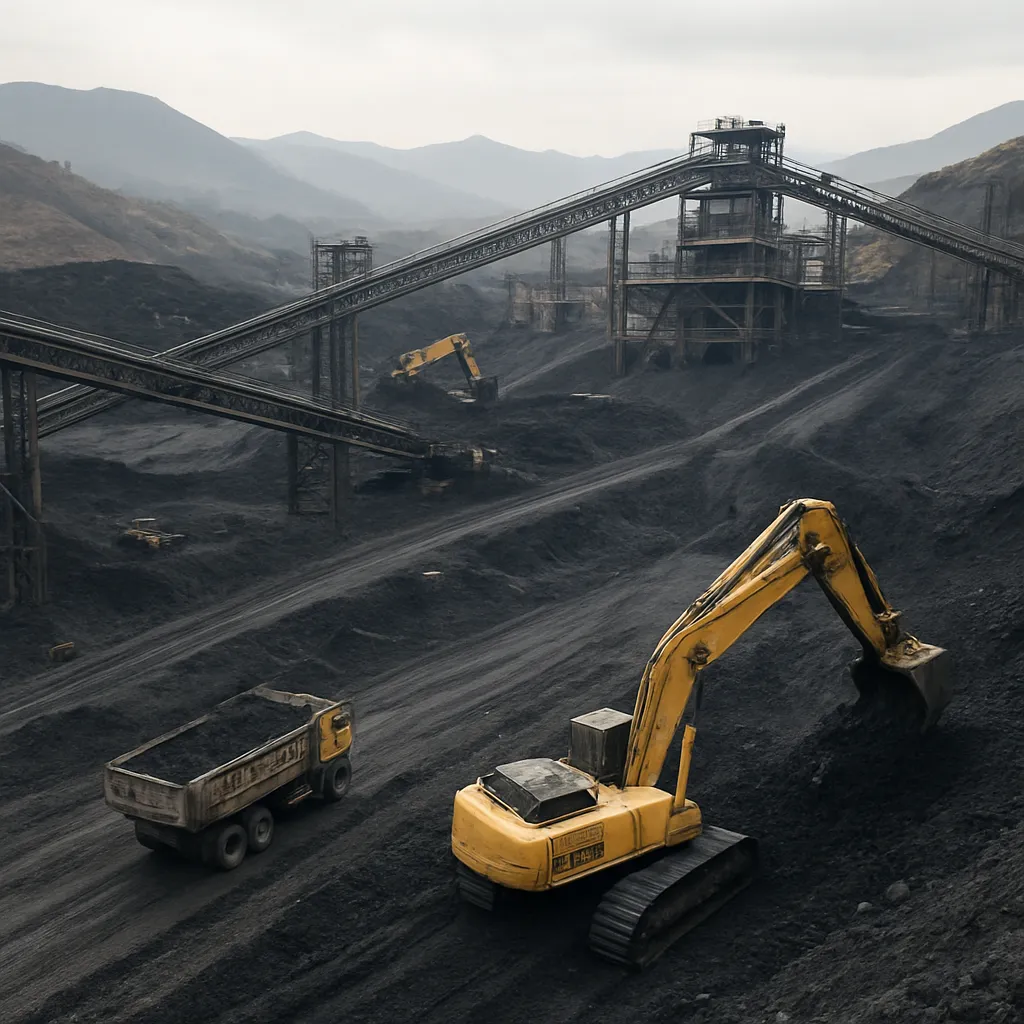
The Zhangji Coal Mine is one of many mining sites that exemplify China’s vast and complex coal industry. Located in a coal-bearing region of the country, this mine contributes to local employment, energy supply chains and the manufacturing sector. In this article we examine the Zhangji site from multiple angles: its geologic context and the type of coal produced, operational characteristics, economic and social role, environmental and safety challenges, and the technological and policy trends shaping its future. Where mine-level statistics are not publicly available, broader provincial and national figures are provided to give context to Zhangji’s likely scale and significance.
Location, geology and the type of coal produced
Zhangji Coal Mine sits within one of China’s extensive coal-bearing basins. Although specific public data on the exact coordinates and seam names for Zhangji are limited, its characteristics are typical of mines in northern and central China. These regions include major coal provinces such as Shanxi, Inner Mongolia, Shaanxi and Heilongjiang, where thick Carboniferous–Permian coal-bearing strata are common.
Geologic setting
- The area is typically dominated by Paleozoic to Mesozoic sedimentary sequences containing multiple coal seams formed under peat-swamp conditions.
- Coal ranks in these basins range from bituminous to anthracite, with intermediate ranks such as sub-bituminous and lignite in some peripheral zones.
- Seam thickness, depth and continuity control mining method selection — from open-pit extraction at shallow depths to underground longwall operations for deeper seams.
Coal quality and uses
At the Zhangji site, the dominant product is likely to be thermal coal for power generation and, where higher-rank seams exist, some portion of coking (metallurgical) coal for steelmaking. Typical quality attributes for such mines include:
- Calorific value sufficient for steam generation in power plants (often 4,500–6,500 kcal/kg for mid-rank coals).
- Volatile matter and fixed carbon proportions that determine suitability for metallurgical versus thermal uses.
- Moisture, ash and sulfur contents that affect transport economics and emissions control requirements.
Operations, production and infrastructure
Zhangji’s operations would reflect modern Chinese mining practice: a combination of mechanized underground extraction, surface-support logistics and dedicated transport links to local power plants, steel mills or regional rail networks. Key operational components include processing, waste handling, storage and distribution.
Mining methods
- Longwall mining is common for continuous, high-yield underground production; cut-and-fill or room-and-pillar are used where geology demands.
- Surface mining is used where seams outcrop or are shallow, enabling open-pit extraction with draglines, shovels and trucks.
- Preparation plants on-site or nearby wash and size coal to meet buyer specifications.
Logistics and connectivity
Effective coal transport is crucial. Zhangji would typically connect to:
- Regional railway lines for long-distance shipment to industrial end-users or coastal ports.
- Road corridors serving local power plants and urban markets.
- Conveyors and dedicated sidings to minimize handling costs and dust emissions.
Production figures and data availability
Detailed, current mine-level statistics for Zhangji Coal Mine are not always publicly disclosed. Chinese provincial and national data provide context: in recent years China’s annual coal production has been on the order of approximately 4 billion tonnes, making it the world’s largest coal producer and consumer. Many individual medium-to-large Chinese mines produce several million tonnes per year, while smaller mines produce tens to hundreds of thousands of tonnes. Without direct disclosure by owners or regulators, Zhangji’s exact annual output and proven reserves remain unspecified in public records.
Economic and social importance
The Zhangji mine contributes to local and regional economies through employment, fiscal revenues and supply to industrial users. Coal mines in China often anchor nearby townships and provide secondary economic activities such as transport, equipment maintenance and local services.
Employment and local development
- Mines are significant local employers — directly (miners, engineers, technicians) and indirectly (contractors, suppliers, local services).
- Wages and social benefits from mining support local consumption and municipal budgets.
- Mining companies commonly invest in community infrastructure: housing, schools and basic healthcare facilities.
Role in energy and industrial supply chains
Zhangji’s coal likely feeds a combination of:
- Thermal power stations that generate electricity for local grids and industrial customers.
- Steelmaking furnaces if coking-quality coal is present in mine seams.
- Coal-to-chemical plants in regions where coal is an input for synthetic fuels, fertilizers or other chemicals.
Financial and statistical context
At the national level, coal remains central to China’s energy security and industrial policy. Some broad financial and statistical indicators that help place Zhangji in context:
- China’s coal output: roughly in the order of 3.5–4.5 billion tonnes per year in the early 2020s, accounting for more than half of global coal production.
- Energy mix: coal contributes over 50% of China’s primary energy and an even greater share of electricity generation in many years.
- Mine consolidation: national policy has encouraged closure of small, unsafe mines and consolidation into larger, capitalized entities to improve efficiency and safety.
- Domestic consumption: most of China’s coal is consumed domestically; exports are a small fraction of production, meaning Zhangji’s output primarily serves internal markets.
Because Zhangji-level economic indicators (annual revenue, profit margins, royalties paid) are often not released publicly unless the mine is operated by a listed company, precise figures for the site itself may be available only from company reports, local government releases, or industry surveys.
Safety, labor and regulation
Safety has been a central focus of Chinese mining reform for decades. Zhangji, like other modern mines, operates under strict regulatory frameworks intended to lower accident rates and improve working conditions.
Regulatory environment and compliance
- National and provincial safety bureaus conduct inspections and enforce standards for ventilation, roof support, gas monitoring and emergency preparedness.
- Mines must comply with environmental impact assessments, water-use permits and land-reclamation obligations.
- Licensing and production quotas are used to control overall output and environmental impacts.
Safety measures and workforce training
Common measures found at professionally managed mines include:
- Continuous gas monitoring and methane drainage systems to mitigate explosion risks.
- Automated roof supports and remote-controlled equipment to reduce personnel exposure to hazards.
- Regular emergency response drills, medical facilities on-site and formalized training programs.
Environmental impacts and mitigation efforts
The environmental footprint of coal mining is multi-faceted: land disturbance, water consumption and contamination, dust and particulate emissions, and greenhouse gases both from mining operations and eventual combustion of the coal. Zhangji’s environmental management would typically encompass a portfolio of mitigation strategies.
Land and water management
- Progressive reclamation of disturbed areas to restore vegetation and reduce erosion.
- Treatment and recycling of mine water to limit withdrawals from local aquifers and downstream contamination.
- Design of tailings and waste rock storage to minimize seepage and acidification.
Air quality and greenhouse gas control
- Minimizing fugitive dust through covered conveyors, water sprays and enclosed storage.
- Capturing methane emissions via pre-drainage (borehole extraction) or post-drainage systems; captured coal-bed methane (CBM) can be used for power generation or heating.
- Energy-efficiency measures in on-site processing to reduce CO2 intensity per tonne of coal produced.
Rehabilitation and biodiversity
Rehabilitation practices aim to return former mine areas to agricultural use, forest, wetlands or other community-desired land uses. Chinese regulations increasingly require mine operators to submit closure plans and financial sureties for post-mining land management.
Technology, modernization and innovation
Chinese mines have moved rapidly toward mechanization and digitalization. Zhangji is likely to incorporate several modern technologies that increase productivity and reduce risks.
Automation and remote operations
- Remote-controlled longwall shearers, roof supports and loaders reduce the number of personnel exposed to underground hazards.
- Automation of conveyors and surface logistics streamlines handling and lowers unit costs.
Digital monitoring and predictive maintenance
- Sensors for gas, temperature, and equipment status feed into centralized control centers for real-time decision-making.
- Predictive maintenance algorithms reduce downtime and extend equipment life.
Research and development
Innovation at the mine level often focuses on:
- Improving methane capture efficiency and utilization.
- Advancing coal-wash technologies to reduce ash and sulfur content, improving market value.
- Developing low-impact land reclamation techniques and water treatment technologies.
Regional and global significance
While an individual mine like Zhangji may serve primarily regional markets, its operations are part of a larger system that impacts global energy markets and climate dynamics. China’s decisions about coal production, electrification, and industrial energy use have ripple effects on global coal prices, shipping flows and international emissions.
Supply chain interconnections
- Coal from Zhangji-type mines feeds power plants that support manufacturing hubs, affecting output in sectors from chemicals to steel.
- Infrastructure investments — rail, port expansions, power transmission — often reflect the logistics needs of coal producers.
Role in China’s energy transition
China has embarked on an energy transition that balances continued use of coal for energy security with commitments to peak carbon emissions and increase renewable generation. Mines like Zhangji are part of this transition in several ways:
- Improving efficiency and reducing emissions intensity at mine and plant levels.
- Supplying coal for strategic uses (e.g., metallurgical coal for steel) where substitutes are harder to deploy at scale.
- Participating in economic diversification programs that help mining communities adapt as demand patterns evolve.
Statistical perspective and comparative benchmarks
To understand Zhangji’s potential scale and performance, compare typical mine metrics and national benchmarks:
- Typical medium-to-large Chinese underground mines: annual production ranges from ~1 to 5 million tonnes; large surface complexes can exceed 10 million tonnes.
- National accident trends: China has significantly reduced coal mining fatalities per unit of output over recent decades through regulation and technology.
- Energy shares: coal remains over 50% of primary energy consumption; however, the share has been gradually declining in favor of renewables and natural gas.
Note: exact figures for Zhangji Coal Mine itself — such as annual tonnage, proved reserves, revenue and direct employment — are often disclosed in company reports or government statistics. In the absence of such direct disclosures, the figures above serve as representative benchmarks for mines in similar geological and economic settings.
Challenges and the road ahead
Mines of the Zhangji type confront several interlinked challenges: managing environmental liabilities, maintaining safety standards, adapting to fluctuating coal demand, and integrating new technologies. Policy choices at national and provincial levels — for instance, whether to prioritize energy security, emissions reductions, or industrial competitiveness — will shape the mine’s prospects.
Key challenges
- Balancing production with stricter environmental limits, including regional air quality and water-use restrictions.
- Ensuring ongoing investment in safety and training as older equipment is retired or retrofitted.
- Navigating market volatility driven by shifting energy demand and global economic cycles.
Opportunities
- Investments in methane capture can create additional revenue streams and reduce greenhouse gas emissions.
- Upgrading to higher-efficiency equipment lowers production cost per tonne and reduces emissions intensity.
- Community and economic diversification programs can create new livelihoods and stabilize local economies as national energy structure changes.
Concluding remarks
The Zhangji Coal Mine exemplifies the multifaceted role of coal mining sites in China: resource suppliers, local economic anchors, and focal points for technological and regulatory change. While precise, mine-specific statistics are sometimes limited in public domains, broader industry data show that mines like Zhangji operate within a national framework where coal remains a major energy source. Modernization, environmental management and safety continue to be priorities for the sector, and Zhangji’s future will depend on how it adapts to evolving market demands, regulatory expectations and technological advances.
Key words emphasized in the article: Zhangji, coal, China, Shanxi, bituminous, anthracite, coking, production, reserves, safety.