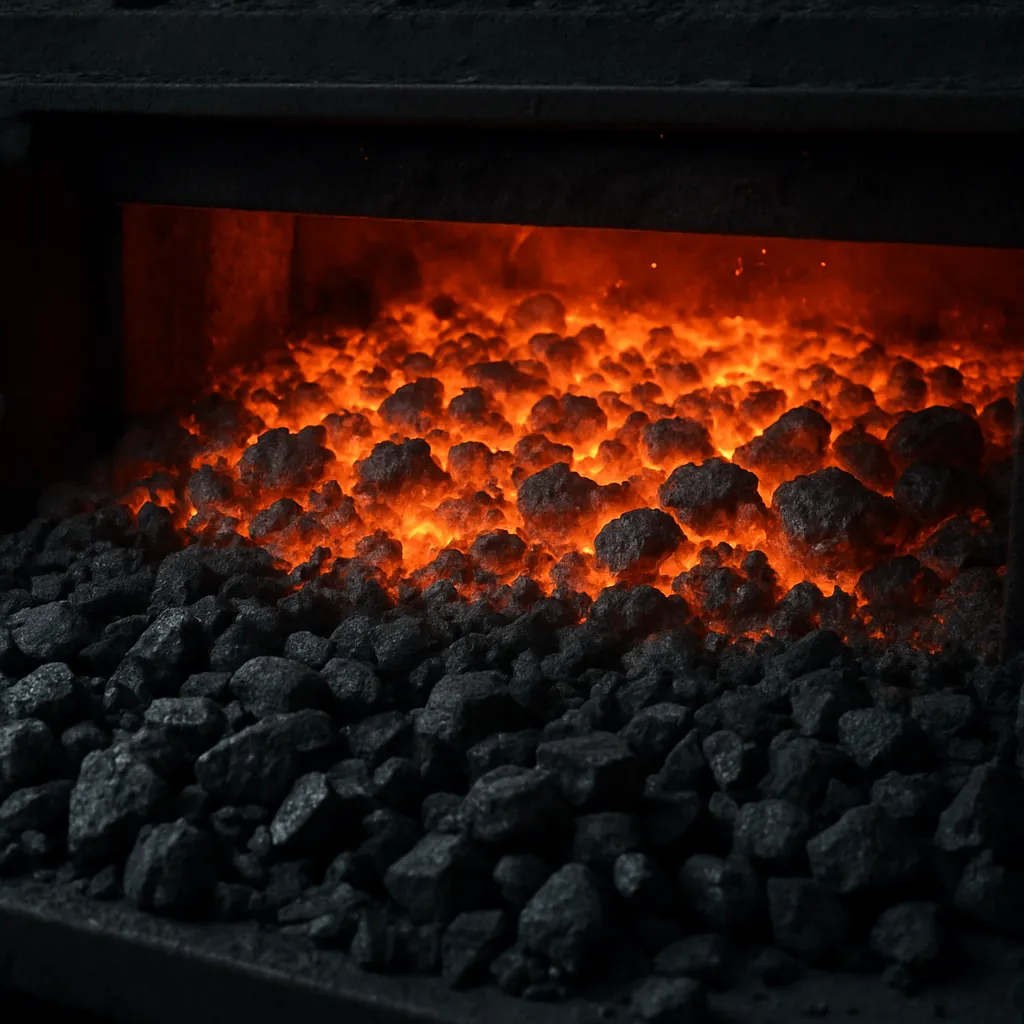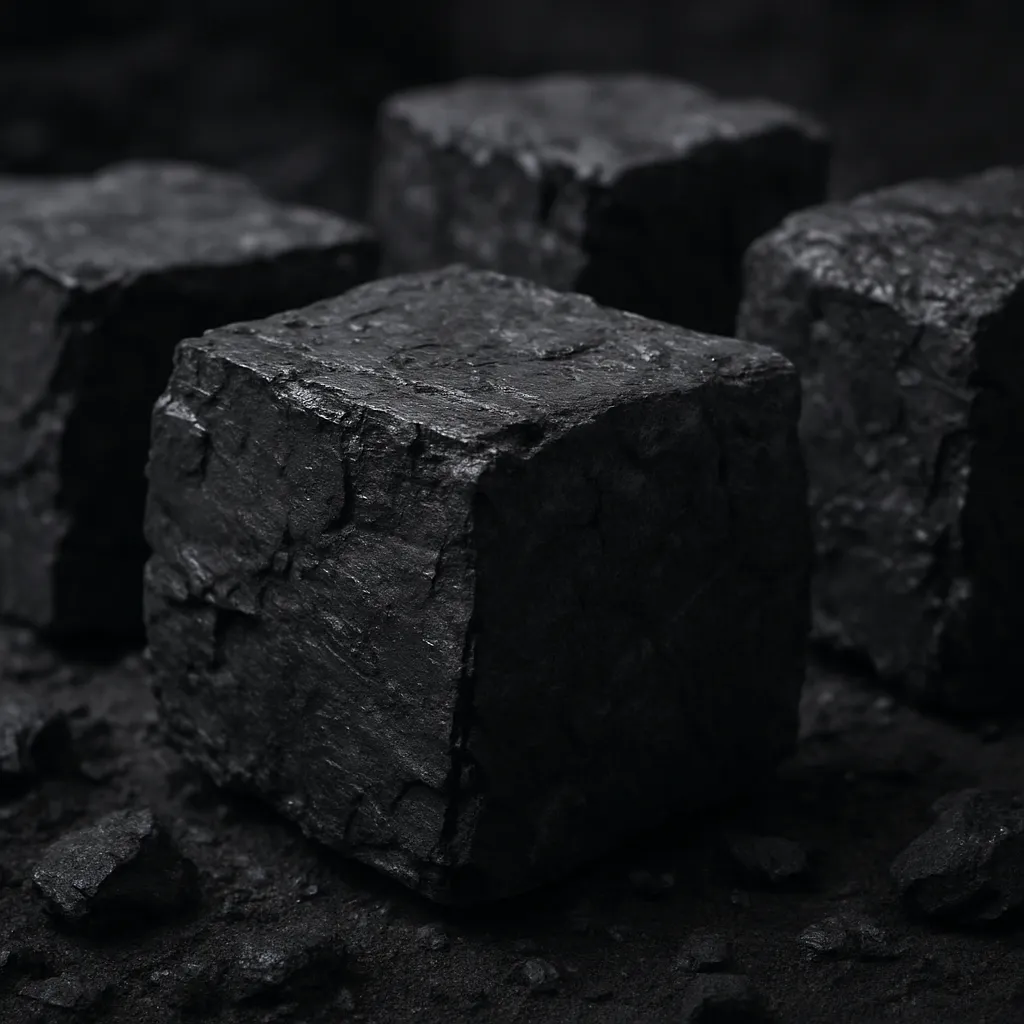
Formed coal blocks are an engineered form of solid fuel made by compressing or agglomerating coal fines and other binders into uniform, handleable pieces. Widely used for domestic heating, industrial combustion and some metallurgical applications, these products bridge raw coal extraction and end-use energy markets. This article examines what formed coal blocks are, where the raw coal comes from, how they are produced, their economic and industrial importance, statistical trends, and the environmental and regulatory context shaping their future.
What are formed coal blocks? Composition, types and manufacturing
Formed coal blocks are manufactured fuels created by shaping coal dust, fines or small lumps into larger, cohesive pieces. The objective is to improve combustion behavior, reduce handling losses, and meet regulatory or market specifications for size, moisture and emissions. Common forms include pressed blocks, briquettes, pellets and agglomerated lumps. The feedstock may be a mix of raw coal grades (from anthracite fines to bituminous dust), sometimes blended with mineral binders or organic binders such as starch, molasses or waste oils.
Key quality parameters
- Calorific value: a primary indicator of energy content, usually expressed in MJ/kg or kcal/kg. Higher-grade fuels command higher prices and are prized for space heating and industrial uses.
- Moisture content: lower moisture improves combustion efficiency and reduces transport weight.
- Volatile matter and fixed carbon: determine ignitability and burn characteristics.
- Ash and sulfur content: influence maintenance (ash disposal), emissions control and suitability for smokeless classifications.
Producers aim to control these parameters through feedstock selection, drying, binder addition and compaction pressure. In some processes, formed blocks undergo a low-temperature carbonization to produce higher-grade, low-smoke products suitable for urban use where air quality rules are strict.
Types of formed coal products
- Briquettes — densified blocks produced by compression; common for domestic and small-scale industrial use.
- Pellets — smaller, cylindrical units often used in automated feeders and some heating systems.
- Smokeless fuels — manufactured to meet legislated emissions standards, often through binder selection and feedstock choice.
- Coke and formed metallurgical blocks — produced by carbonization for steel manufacture, often from specific coking coals.
Where does the coal come from? Geological occurrence and major mining regions
Although formed coal blocks are manufactured, their raw material is naturally occurring coal extracted from sedimentary basins worldwide. Coal ranks from anthracite (highest carbon content) to lignite (lowest) are formed by the burial and transformation of plant material over geological time. These reserves are concentrated in a series of major basins that supply both raw coal and the feedstock for forming blocks.
Major producing countries and basins
- China: the largest coal producer and consumer globally, with major basins in the Shanxi, Inner Mongolia and Xinjiang regions. China also has a large domestic manufacturing base for formed coal fuels, both for household heating and rural energy needs.
- India: extensive coalfields in Jharkhand, West Bengal, Chhattisgarh and Odisha supply thermal coal for power and raw materials for briquette production in some regions.
- United States: Appalachian, Illinois Basin and Powder River Basin produce a broad range of coals used for electricity and industry; surplus fines from preparation plants feed briquetting operations.
- Australia: a major exporter of thermal and metallurgical coal (Queensland and New South Wales); while its export focus is seaborne markets, domestic upgrading and briquetting do occur.
- Russia: large reserves in Kuzbass (Kemerovo) and other Siberian basins supply both domestic and export markets.
- South Africa, Poland, Indonesia and Colombia: important regional suppliers with active processing industries for formed fuels in domestic markets.
In practice, formed blocks typically use lower-value fractions (washery fines, slurries, spent dust) that would otherwise be waste or sold at deep discounts. Aggregation into blocks can add value by improving handling, reducing transport costs per unit of energy and meeting specific market niches (e.g., urban smokeless fuels). The logistics chain therefore links coal mines → coal preparation plants → briquetting or block production facilities → distribution networks (retail, industrial users, export where applicable).
Statistics and scale (approximate, early 2020s)
- Global coal production in the early 2020s was on the order of several billion tonnes per year, with China responsible for roughly one-third to one-half of total output depending on the year and metric used.
- Seaborne trade in thermal coal and metallurgical coal is measured in hundreds of millions of tonnes annually; a significant portion of coal fines and lower-value material is processed domestically into formed products rather than exported.
- Manufactured solid fuel markets (including coal briquettes and smokeless fuels) are substantial in regions with household coal use, notably parts of Eastern Europe, China and some South-East Asian countries; annual production in these regions can reach several million tonnes.
Precise numbers for formed coal blocks vary by country and depend on how manufacturers classify products (e.g., whether biomass briquettes are counted separately). National statistical offices and energy agencies often report aggregated figures for solid fuels and manufactured fuels rather than separating every product subtype.
Economic and industrial significance
Formed coal blocks occupy a practical niche in the energy economy. They represent a value-added product that converts low-value coal residues into marketable fuel, supporting local economies, providing employment, and supplying stable energy to households and industry. Below are the main economic and industrial roles these products play.
Domestic heating and regional energy security
- In many countries, formed coal blocks provide a controllable, low-cost source of heat for households and small businesses. Their standard sizing and predictable combustion properties make them attractive where centralized gas or district heating is unavailable or costly.
- During periods of geopolitical tension or supply disruption, local production of formed fuels can improve resilience by using domestic feedstocks rather than relying on imported fuels.
Industrial and metallurgical uses
- Smaller formed products are used in bakeries, small manufacturers and for process heating where steady heat release and ease of fueling are required.
- High-grade formed blocks produced from coking coals or through carbonization processes are important in steelmaking, where consistent coking coal properties are essential for blast-furnace operation.
Market dynamics, trade and pricing
The market for formed coal blocks is shaped by local fuel prices, household income, regulatory standards for emissions, and the cost of alternative fuels (natural gas, electricity, biomass). Global coal prices influence the cost of feedstock and thus the economics of briquette production, but many formed-fuel markets are relatively insulated because they use low-value residues.
- Seaborne trade for raw thermal and metallurgical coal reflects global oversupply or scarcity cycles; producers of formed fuels typically orient toward domestic or regional markets to avoid long-distance transport costs.
- In times of high coal price volatility (as seen in the early 2020s), producers of formed fuels faced both higher input costs and opportunities to capture price premiums for higher-quality or low-emission products.
Employment and regional development
Briquetting plants and formed-fuel factories often locate close to mine-mouth preparation facilities, creating local jobs in processing, logistics and sales. In regions with legacy coal industries, transitions to value-added products can soften employment impacts as mining activity changes or declines.
Environmental, health and regulatory aspects
Formed coal blocks present both environmental challenges and opportunities. On one hand, using coal fines reduces waste and can improve the overall energy efficiency of the supply chain. On the other hand, combustion of coal, including formed products, emits particulate matter, sulfur oxides, nitrogen oxides and carbon emissions that contribute to air pollution and climate change.
Air quality and smokeless fuel programs
- Many jurisdictions have introduced regulations to reduce domestic coal smoke and particulates. This has driven demand for low-smoke, low-sulfur formed fuels manufactured to meet smokeless area standards.
- Formed blocks made from high-grade anthracite or produced using special binders and carbonization can achieve much lower visible smoke and particulate emissions than raw bituminous coal chunks.
Carbon accounting and energy transition pressures
With international commitments to reduce greenhouse gas emissions, the role of coal is under pressure. Formed coal blocks are subject to the same lifecycle carbon considerations as the raw coal they contain. As carbon pricing and regulatory measures tighten, the competitiveness of solid coal fuels may decline relative to lower-carbon alternatives (natural gas, renewables, electrification).
Waste valorization and circular economy benefits
A positive environmental aspect is that formed coal production can valorize coal fines and sludges that would otherwise require disposal. By turning waste into a marketable product, producers reduce landfill demand and the environmental footprint of mine waste. Additionally, hybrid briquettes mixing coal fines with biomass or recycled materials are an area of innovation that can reduce net fossil carbon intensity per unit of energy.
Technological developments and trends
Innovation in the formed coal sector centers on improving combustion efficiency, reducing emissions, and integrating alternative binders and feedstocks. Advances include:
- Improved binders: bio-based and low-emission binders that reduce volatiles and produce cleaner combustion.
- Pelletization technologies that allow automated feeding systems and reduced handling losses.
- Hybrid fuels: blending coal fines with biomass or waste-derived carbon to lower carbon footprint and comply with renewable or circular economy policies.
- Drying and pre-treatment: reducing moisture content of feedstocks to boost calorific value and reduce transport costs.
Policy drivers shaping demand
Demand for formed coal blocks is largely determined by local policy on:
- Air quality regulations (which may favor low-smoke, high-grade formed fuels over raw coal pieces).
- Carbon pricing and national decarbonization plans (which can reduce coal demand broadly).
- Subsidies or assistance for household heating transitions (which may encourage switches to gas, heat pumps, or district heating).
Interesting facts and regional case studies
A few illustrative points highlight the diversity of formed coal block uses around the world.
- Historically, the United Kingdom and parts of Western Europe relied heavily on manufactured coal fuels for domestic heating; urban smokeless zones in the mid-20th century accelerated the development of cleaner formed fuels.
- In China, household briquettes have been a staple for decades in rural and peri-urban regions; large-scale programs to replace raw coal with gas have reduced but not eliminated demand for formed coal in some areas.
- Poland and parts of Eastern Europe continue to use formed coal blocks alongside raw coal in households, driven by price and availability; however, EU air quality and climate policies are changing market economics rapidly.
- Some manufacturers produce niche, high-density formed blocks targeted at barbecue and hospitality markets, emphasizing ease of ignition, long burn time and low ash.
Outlook: challenges and opportunities
The near- to medium-term outlook for formed coal blocks varies by region. In countries where coal remains a dominant energy source and where infrastructure for alternatives is limited, formed blocks will continue to play a role in heating and small-scale industry. In contrast, in jurisdictions pursuing rapid decarbonization or strict air quality controls, demand is likely to decline unless manufacturers adapt by:
- Creating lower-emission products (smokeless, low-sulfur, low-ash).
- Blending coal with biomass or other lower-carbon feedstocks to reduce lifecycle emissions.
- Shifting toward value-added industrial products (e.g., metallurgical briquettes for steelmaking) that remain essential despite energy transitions.
Investment in cleaner production methods, better dust control and logistics efficiency can keep formed coal blocks economically viable in certain niches. However, the broader energy transition, carbon pricing, and electrification trends represent structural headwinds for coal-based fuels.
Summary
Formed coal blocks are a manufactured, value-added fuel that converts coal fines and residues into convenient, predictable units for heating and industrial use. They rely on coal reserves in major global basins but represent a distinct point in the supply chain that emphasizes waste valorization, ease of use and niche market demands. Economically, they support local employment and provide affordable energy in many regions, while environmentally they raise concerns tied to particulate and greenhouse gas emissions. Technological innovation and policy will determine how the sector adapts — whether through cleaner products, hybrid fuels that reduce fossil intensity, or a gradual decline as alternative heating solutions take hold.
Key highlighted terms:
- formed coal
- briquettes
- anthracite
- calorific value
- coking coal
- smokeless
- carbon emissions
- seaborne trade
- metallurgical
- briquetting