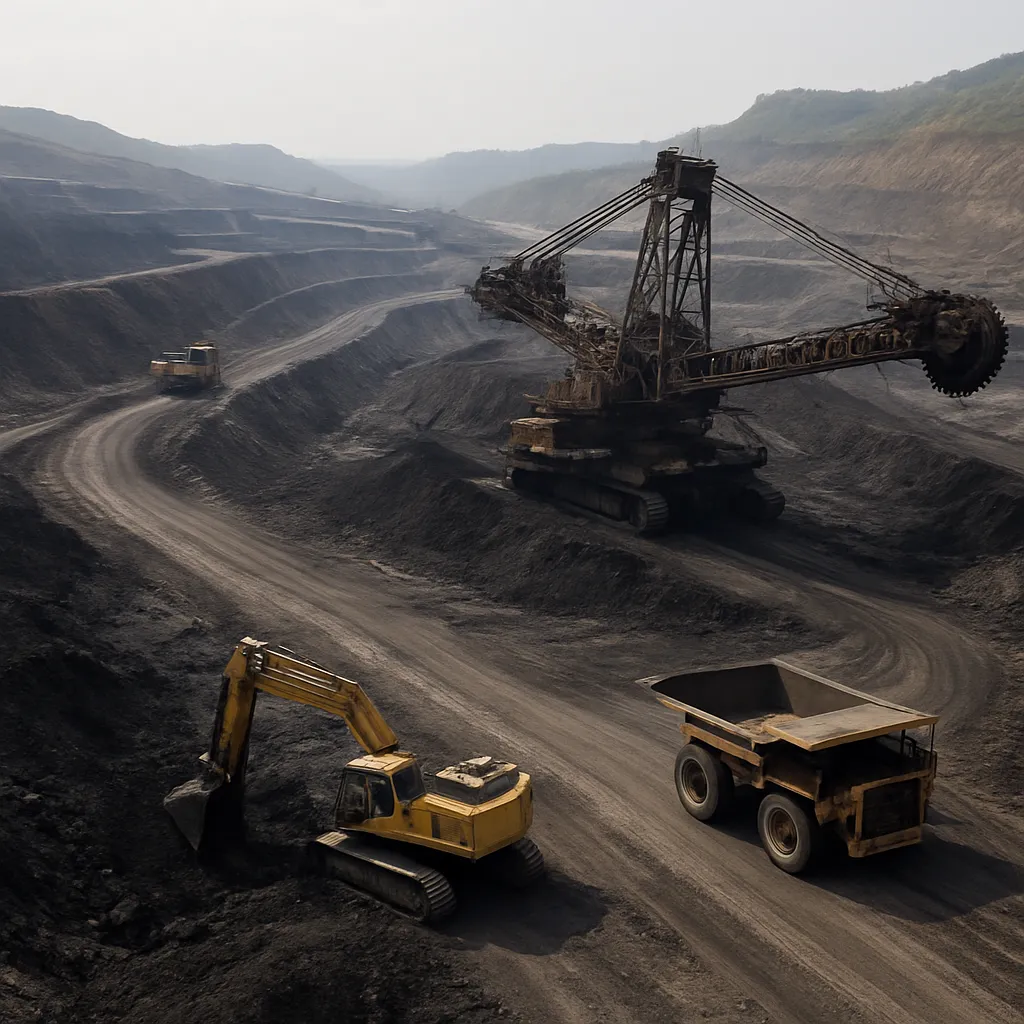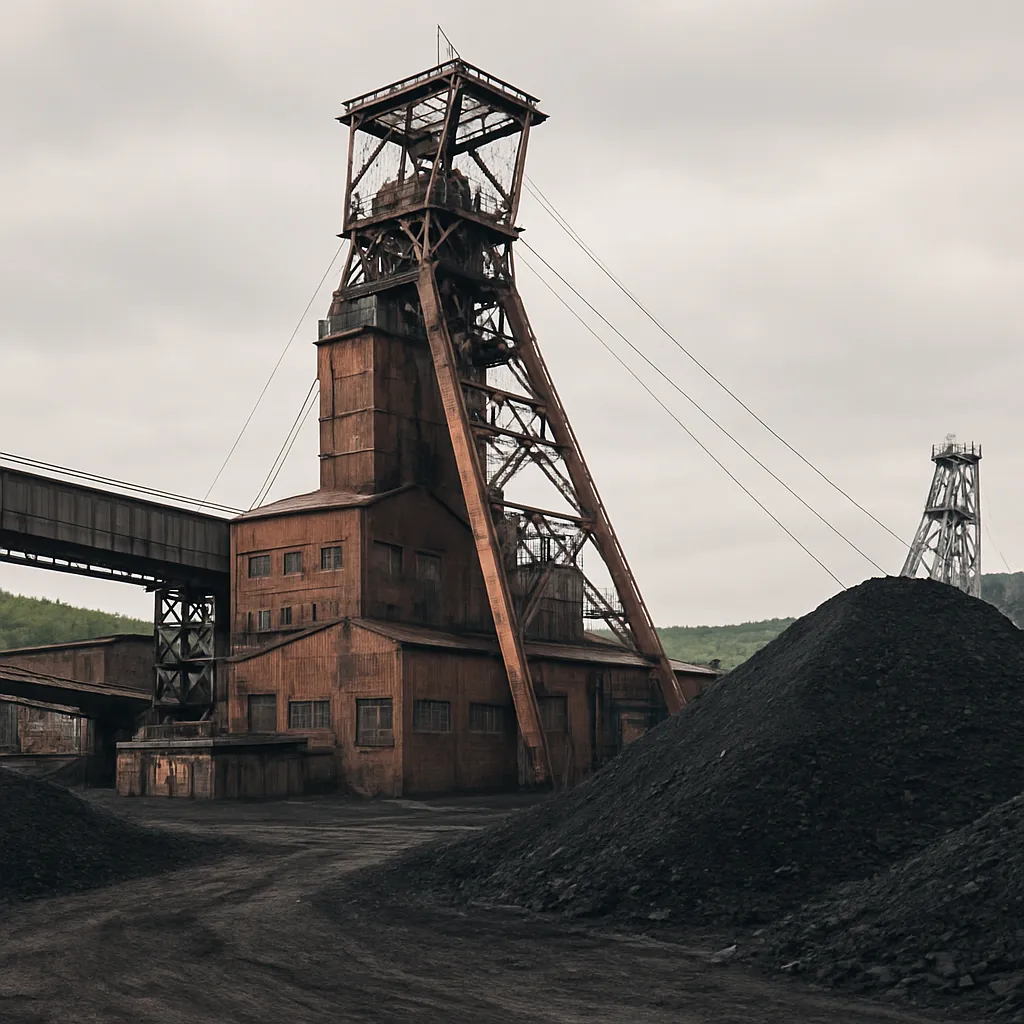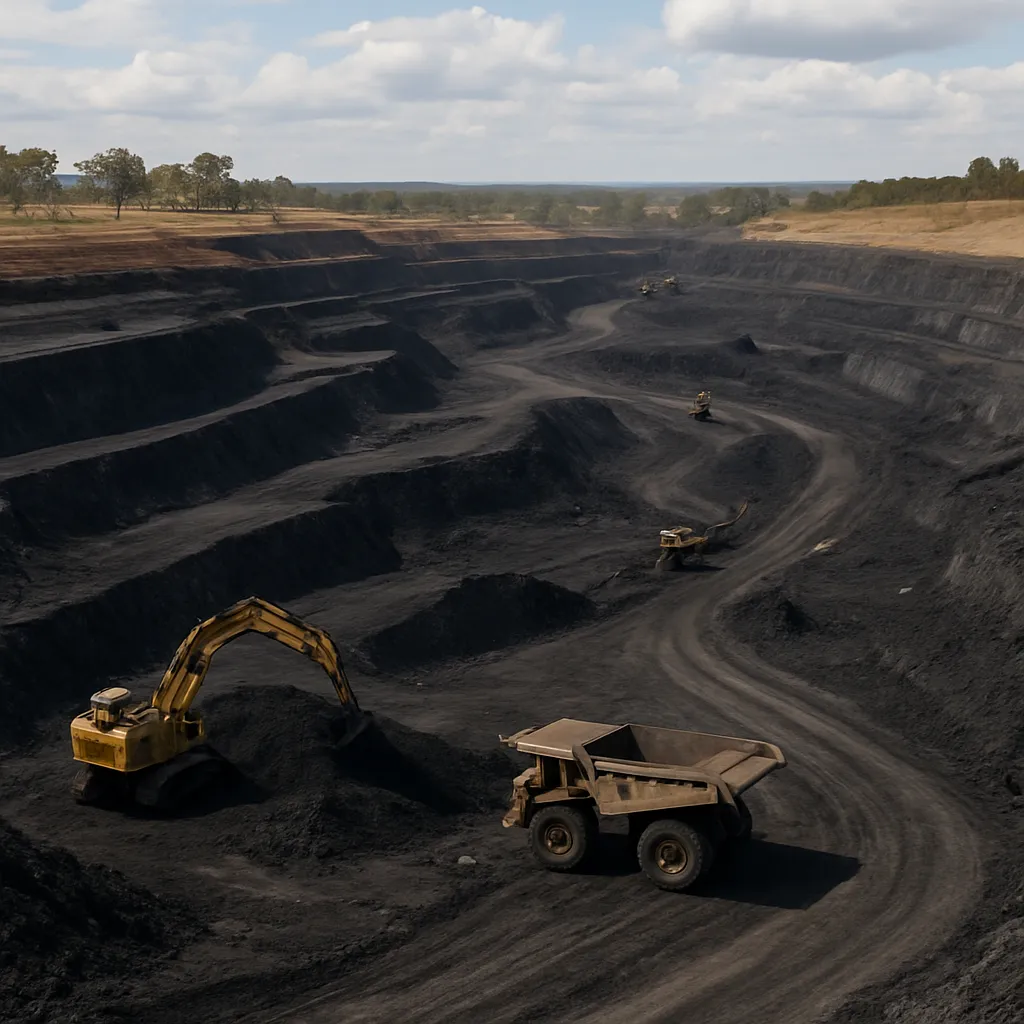
The Mandalong Mine is one of the smaller but regionally important coal operations in New South Wales, Australia. Located within the broader Hunter Valley coalfields, the mine sits amid a landscape that has powered Australian industry and global energy markets for more than a century. This article outlines the mine’s location and geology, the type and quality of coal produced, operational and economic details, its role in the regional and national economy, environmental and social considerations, and outlook for the future. The aim is to provide a comprehensive picture of Mandalong Mine’s significance in the contemporary Australian coal sector.
Location and geological setting
The Mandalong Mine is situated in the Hunter Region of New South Wales, within the general area of Mandalong and the Lake Macquarie / Greater Newcastle corridor. This region forms part of the Sydney Basin, a geological province well known for extensive coal-bearing sequences. The deposit exploited by Mandalong lies within the classic strata often referred to in industry literature as the Greta Coal Measures and associated seams of the Sydney Basin, which have been a major source of both thermal and metallurgical coal.
Geologically, the area is characterized by multiple, relatively shallow- to moderately-deep coal seams that are intercalated with sandstone, siltstone and mudstone. These seams formed in Permian-aged coastal plain and deltaic environments and later subsided and were buried, creating the coal resources exploited today. The Hunter Valley setting gives Mandalong strategic proximity to rail lines and export infrastructure servicing the Port of Newcastle and other coal handling terminals.
Coal type, quality and mining methods
Mandalong primarily produces thermal coal, commonly used for electricity generation both in the domestic Australian market and for export. The coal rank is typically in the bituminous range, which is suitable for power generation. Some seams within the Hunter Valley can also yield higher-energy coal that finds markets in metallurgical uses after blending, but Mandalong’s economic role is predominantly tied to thermal coal supply.
- Coal rank: Bituminous (thermal)
- Typical characteristics: moderate to good calorific value, variable ash and moisture content depending on seam and washability
- Major uses: electricity generation, domestic electricity market, and export to regional markets in Asia
Mining at Mandalong has historically been undertaken using underground methods, with longwall or bord-and-pillar systems employed depending on seam geometry, thickness and local ground conditions. Underground mining is common in the Hunter Valley where coal seams are relatively deep enough to make open-cut methods impractical, and where minimizing surface disturbance in populated or agriculturally valuable areas is a priority. Access to seams is achieved via decline or shaft infrastructure, and coal is transported to surface processing facilities where it may be sized and washed prior to rail transport.
Operational profile and production statistics
Mandalong is classed as a small- to medium-scale producer in the broader context of Australian coal operations. Production levels fluctuate with market conditions, mine planning, and regulatory approvals. On a typical year, Mandalong’s production has been reported in the range of several hundred thousand tonnes to around one million tonnes of run-of-mine coal. The mine’s output is integrated into the Hunter Valley logistical network and moved by rail to coal terminals near Newcastle for export or to domestic customers.
Exact annual production figures can vary; reported and publicly available numbers over the past decades suggest approximate annual production in the range of 0.4–1.0 million tonnes for operations of Mandalong’s size. These figures place Mandalong as a contributor to regional supply without being among Australia’s largest single-mine producers, which can exceed tens of millions of tonnes annually. Nevertheless, smaller mines like Mandalong provide important flexibility in meeting both specialty and general thermal coal demands.
Key operational metrics that characterize Mandalong and similar Hunter Valley mines include:
- Annual production (approximate): 0.4–1.0 Mtpa (subject to operational and market conditions)
- Employment: directly employing a modest workforce underground and at surface facilities, with broader indirect employment in transport, maintenance and services
- Transport: rail linkage to Port of Newcastle and domestic rail customers
- Processing: on-site sizing and, where relevant, coal washing to meet product specifications
Economic significance and regional impact
Although Mandalong is not among the largest Australian mines by volume, its economic footprint is meaningful at the local and regional levels. The mine contributes through:
- Jobs: direct underground and surface employment and indirect jobs in contracting, transport and service industries
- Local purchasing: procurement of goods and services from nearby businesses supports regional economies
- Royalties and taxes: payments to state and federal governments based on production and profits
- Export revenue: thermal coal exported via the Port of Newcastle contributes to Australia’s merchandise export earnings
At the national level, the Hunter Valley remains one of the most important coal-producing regions in Australia. Port of Newcastle has historically been among the world’s largest coal export ports, moving well over 100 million tonnes annually in recent years. Coal exports represent a substantial component of Australia’s export economy; while major volumes come from large open-cut mines, the cumulative contribution of numerous smaller underground mines like Mandalong helps maintain supply diversity and meet customer-specific quality requirements.
The social and economic contributions are often concentrated in rural and semi-rural communities where large employers can shape local labour markets and infrastructure. Payroll taxes, utility connections, and community investment programs from mining companies support health, education and local services. For the Mandalong area, the mine has been a component of regional development for decades, providing an industrial counterbalance to tourism, agriculture and suburban growth near Newcastle.
Environmental management and social considerations
Mining in the Hunter Valley operates under strict regulatory frameworks administered by New South Wales authorities, which set standards for environmental protection, rehabilitation and community consultation. Mandalong is subject to these frameworks and typically implements a suite of environmental management measures designed to minimize impacts on water, air quality, biodiversity and local amenity.
Key environmental and social management elements commonly applied include:
- Rehabilitation: progressive rehabilitation of disturbed land, re-establishing native vegetation where feasible and stabilizing surface landforms
- Water management: treating and handling mine-affected water to protect downstream water quality and maintain compliance with licensed discharge limits
- Subsidence management: monitoring and mitigation where underground longwall mining may cause surface subsidence
- Noise and dust control: operational controls and monitoring to reduce impacts on nearby communities
- Community consultation: engaging local stakeholders on operations, employment opportunities and environmental performance
As with many coal operations, Mandalong has experienced community interest and at times contention over the balance between local environmental values and economic benefits. Particular concerns in the Hunter region have included potential effects on groundwater, surface water storages, and biodiversity corridors, plus cumulative impacts from multiple mines operating in proximity. Mining operators typically respond by adopting conservative environmental controls, publishing monitoring data and working with regulators on compliance and best-practice rehabilitation.
Role within the Australian coal industry and supply chains
Mandalong sits within a dense network of mines, rail systems and export terminals that together form a highly integrated coal industry cluster in New South Wales. The structure of this cluster yields several advantages:
- Logistics efficiency: shared rail corridors and port infrastructure allow relatively small mines to access global markets
- Product blending: the diversity of coal products from nearby mines enables blending to meet specific buyer requirements for calorific value, ash and volatility
- Market resilience: smaller producers can adjust production more nimbly to market fluctuations, complementing larger, long-term contracts from major producers
From a strategic perspective, Mandalong contributes to the overall resilience of Australia’s coal export capability. While larger mines supply bulk volumes under long-term contracts, mines like Mandalong can supply spot and short-term needs or provide specific product qualities that are important to power utilities and industrial customers in Asia and domestically.
Regulatory, safety and workforce issues
Mining safety and regulatory compliance are central to operations at Mandalong. New South Wales enforces comprehensive occupational health and safety standards for underground mining, including ventilation, ground control, training and emergency preparedness. Safety programs often include ongoing training, equipment upgrades, and continuous monitoring to reduce the likelihood of incidents.
Workforce composition typically includes experienced underground miners, technical supervisors, geologists, environmental officers and administrative staff. Given broader industry trends, the workforce also benefits from programs encouraging training and apprenticeships, and in some periods the mine has supported local employment schemes and supplier development activities.
Historical notes and interesting facts
Although not as widely publicized as some of the Hunter Valley’s giant open-cut operations, Mandalong has several characteristics that make it noteworthy:
- Its presence in a rapidly urbanizing area illustrates the balance required between resource extraction and expanding residential/commercial development near Newcastle and Lake Macquarie.
- Being an underground operation, Mandalong demonstrates the technical complexity of mining in the Sydney Basin where multiple seams and geological structures require careful planning.
- The mine’s integration into regional rail and export logistics highlights how even modest production sites can plug into global commodity chains efficiently.
Many mines in this region also have long lifespans measured in decades, with phases of development, production, extension and eventual rehabilitation. Mandalong’s operating history reflects the cyclical nature of the coal market, regulatory evolution, and advances in mining technology and environmental management.
Outlook and future considerations
The future for Mandalong, like other thermal coal producers in Australia, depends on a combination of market dynamics, regulatory settings and technological evolution in both mining and energy systems. Factors likely to influence the mine over the coming years include:
- Global coal demand: particularly in Asian markets where demand for thermal coal is sensitive to the pace of energy transition, gas availability and economic growth
- Domestic energy policy: Australia’s transition to lower-emission energy systems affects domestic thermal coal markets and the economics of some mines
- Regulatory approvals: any proposals to extend resource leases, access new seams or change methods require approval and community engagement
- Technological change: improvements in mining efficiency, emissions controls and rehabilitation techniques can affect operating costs and environmental outcomes
Given these drivers, Mandalong’s likely path is one of adaptation—adjusting output and operations to match market conditions, maintaining compliance with stringent environmental and safety rules, and planning for eventual closure and rehabilitation in a manner consistent with community expectations and regulatory requirements.
Summary
The Mandalong Mine is a representative example of a Hunter Valley underground coal operation: geologically well-situated in the Sydney Basin, producing primarily thermal coal of bituminous rank, and integrated into the region’s extensive logistics and export systems. While modest in scale compared with Australia’s largest mines, Mandalong contributes to local employment, regional economic activity and the diversity of products supplied by the Hunter Valley cluster. The operation is subject to robust environmental and safety regimes and must navigate evolving market and regulatory conditions as the global energy landscape changes. Its continued significance lies in its ability to supply specific coal qualities to market, support local economies, and manage environmental and social responsibilities through the life of the mine.
Key terms emphasized: Mandalong, Hunter Valley, coal, thermal coal, bituminous, Newcastle, export, economy, jobs, sustainability