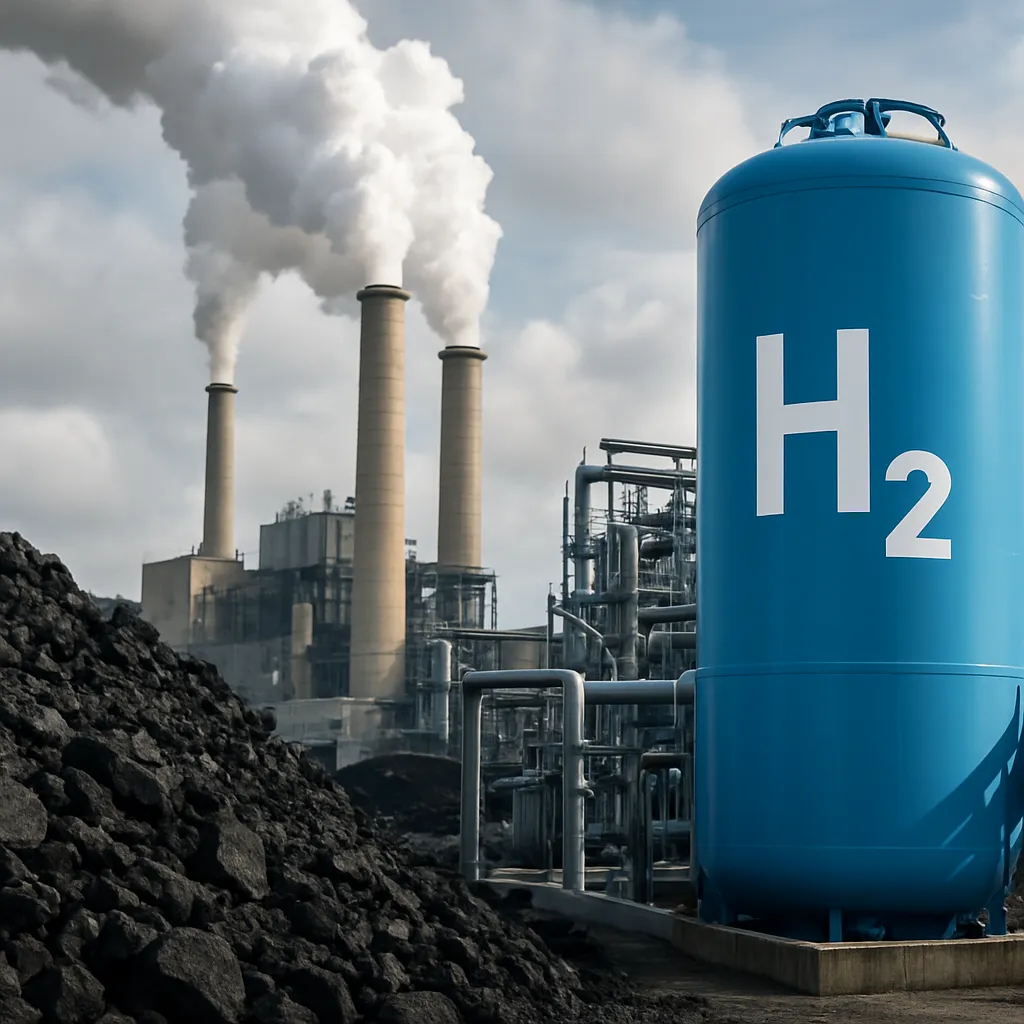
The concept of Blue Hydrogen has sparked intense debate across the global coal industry, prompting companies, investors, and policymakers to reassess long-standing assumptions. As environmental regulations tighten and alternative fuels gain momentum, coal producers face both challenges and opportunities. This article examines how Blue Hydrogen interacts with coal markets, the implications for coal stock valuations, and the broader economic and environmental landscape.
The Evolving Role of Coal in Hydrogen Production
Coal has powered economies for centuries, but its legacy is now intertwined with the rise of carbon capture and storage (CCS) technologies. By combining coal gasification with CCS, producers can generate Blue Hydrogen—a low-carbon fuel that retains the energy density of hydrogen while mitigating emissions. This hybrid approach offers a transitional pathway for coal-rich regions seeking to leverage existing infrastructure.
- Gasification facilities: Retrofitting coal plants allows for syngas production, which can be refined into hydrogen.
- Carbon capture units: Advanced solvents and membranes trap CO₂ before it enters the atmosphere.
- Storage and transport: Captured CO₂ is injected underground, while hydrogen is distributed through pipelines or liquefied for export.
Despite its promise, Blue Hydrogen projects demand significant capital expenditures. Many coal firms must navigate the high costs of CCS equipment, secure long-term off-take agreements, and obtain regulatory permits. Yet, those that succeed could transform legacy mines into hubs of technological innovation, prolonging the life of coal assets in a carbon-constrained world.
Economic Impacts on Coal Stocks
Investor sentiment around coal equities has shifted dramatically over the last decade. Rising environmental, social, and governance (ESG) scrutiny pushed funds to divest from traditional coal operations, dragging down share prices. However, the emergence of Blue Hydrogen offers a potential catalyst for stock recovery, provided companies can demonstrate credible decarbonization roadmaps.
Key factors influencing market volatility in coal stocks include:
- Commodity price fluctuations in steel, power, and liquefied natural gas (LNG).
- Government incentives for sustainability and clean energy, such as tax credits and grants.
- Technological partnerships that reduce CCS costs and improve hydrogen yields.
Analysts note that coal firms which issue clear guidance on Blue Hydrogen capacity and secured supply agreements tend to trade at higher multiples. In contrast, companies lacking strategic diversification remain vulnerable to downward pressure as global coal consumption plateaus.
Environmental Considerations and Regulatory Landscape
While Blue Hydrogen reduces direct CO₂ emissions, it does not eliminate environmental concerns entirely. The upstream impacts of coal mining—including land disturbance, water usage, and particulate matter—persist. Moreover, the lifecycle analysis of Blue Hydrogen must account for methane leakage and process inefficiencies.
Comparing Alternatives
- Green Hydrogen: Produced via electrolysis powered by renewables; zero carbon emissions but currently more expensive.
- Grey Hydrogen: Steam-methane reforming of natural gas without CCS; lower CAPEX than blue but high emissions.
- Turquoise Hydrogen: Uses methane pyrolysis to yield solid carbon; an emerging technology with uncertain scalability.
Regulators in Europe, North America, and Asia are crafting policies to support clean hydrogen while phasing down unabated coal. Carbon pricing, emission standards, and national hydrogen strategies will shape the pace at which Blue Hydrogen becomes a mainstream offering. Coal firms must engage proactively with authorities to secure favorable frameworks, including subsidies for CCS deployment and streamlined permitting for hydrogen production plants.
Market Outlook and Strategic Responses
The transition to Blue Hydrogen presents both a threat and an opportunity for coal stakeholders. Producers that cling exclusively to thermal coal risk obsolescence, whereas those embracing hydrogen diversification can capture new revenue streams. Several strategic responses have emerged:
- Joint ventures with energy majors to co-develop CCS-enabled facilities.
- Investing in R&D for advanced sorbents, membranes, and process optimization.
- Rebranding legacy operations as integrated energy hubs offering power, hydrogen, and carbon services.
From an investment perspective, a selective approach is critical. Portfolio managers should evaluate coal companies based on their investment in CCS capacity, quality of hydrogen offtake agreements, and exposure to carbon pricing regimes. Those with diversified asset bases—spanning mining, electricity generation, and hydrogen sales—are better positioned to weather market shifts.
In conclusion, Blue Hydrogen does not signal the immediate demise of coal but demands a radical reorientation of the industry. Coal companies must leverage their expertise in large-scale project management, existing transport corridors, and economies of scale to remain relevant. By pioneering diversification into hydrogen markets, the coal sector can navigate the energy transition while contributing to global decarbonization goals.