The following article provides a comprehensive overview of the Impendle coal occurrence and any associated mining activity in the Impendle area of South Africa. It covers location and geological setting, the types of coal likely encountered, economic and industrial roles, environmental and social impacts, and broader contextual statistics for the South African coal sector. Where specific, publicly available data for the Impendle site are limited, the text clearly indicates that and supplements local information with regional and national context to explain the mine’s potential significance.
Location and geological setting
Impendle is a municipality within the uMgungundlovu District of KwaZulu-Natal, located in the south-eastern interior of South Africa. The area lies on the southern slopes and foothills of the Drakensberg mountain range. The local landscape is characterised by rolling hills, grassland and valleys that feed tributaries of rivers draining towards the coastal plain. Historically, the Impendle area is more commonly associated with agriculture and conservation than with large-scale mining, but the wider province of KwaZulu-Natal does contain coal-bearing geological units and several smaller-scale mining operations.
Geologically, coal in South Africa is concentrated primarily in the Karoo Supergroup—particularly the Ecca and Beaufort sub-divisions—formed during the Permian to early Triassic. In KwaZulu-Natal, coal occurrences are typically associated with Ecca Group sediments and other Karoo-related deposits. These formations may contain multiple coal seams of variable thickness and quality. The exact structural setting around Impendle may include folded and faulted strata, as the area is influenced by the ancient tectonics of the Drakensberg uplift. Local seam continuity, depth, and quality can vary substantially, which often determines whether a deposit is exploited on a commercial scale.
Resources, mining methods and coal quality
Publicly available, mine-level data for an operation explicitly named “Impendle Coal Mine” are limited. If an Impendle mining site exists as a formal registered operation, it is likely to be small to medium in scale compared to the major coalfields in Mpumalanga and Limpopo. Many coal prospects in KwaZulu-Natal have been explored or worked historically on a limited basis, often by junior mining companies or as part of prospecting projects.
The coal types encountered in this region tend to be predominantly thermal coals (used for power generation), ranging from sub-bituminous to medium/high volatile bituminous ranks. South African coal exhibits a range of calorific values depending on seam depth, rank and ash content. Typical characteristics relevant to the Impendle area would include:
- Calorific value: variable, often between 15–28 MJ/kg for thermally significant seams in the broader region.
- Volatile matter and moisture: higher in near-surface or younger seams, lowering the net energy content.
- Ash and sulphur content: ash can be moderate to high depending on sedimentary matrix; sulphur is typically low-to-moderate in most Karoo coals.
- Potential for coking use: generally limited; most KwaZulu-Natal and Karoo coals are more suited for thermal than metallurgical uses, though specific beneficiation can change markets.
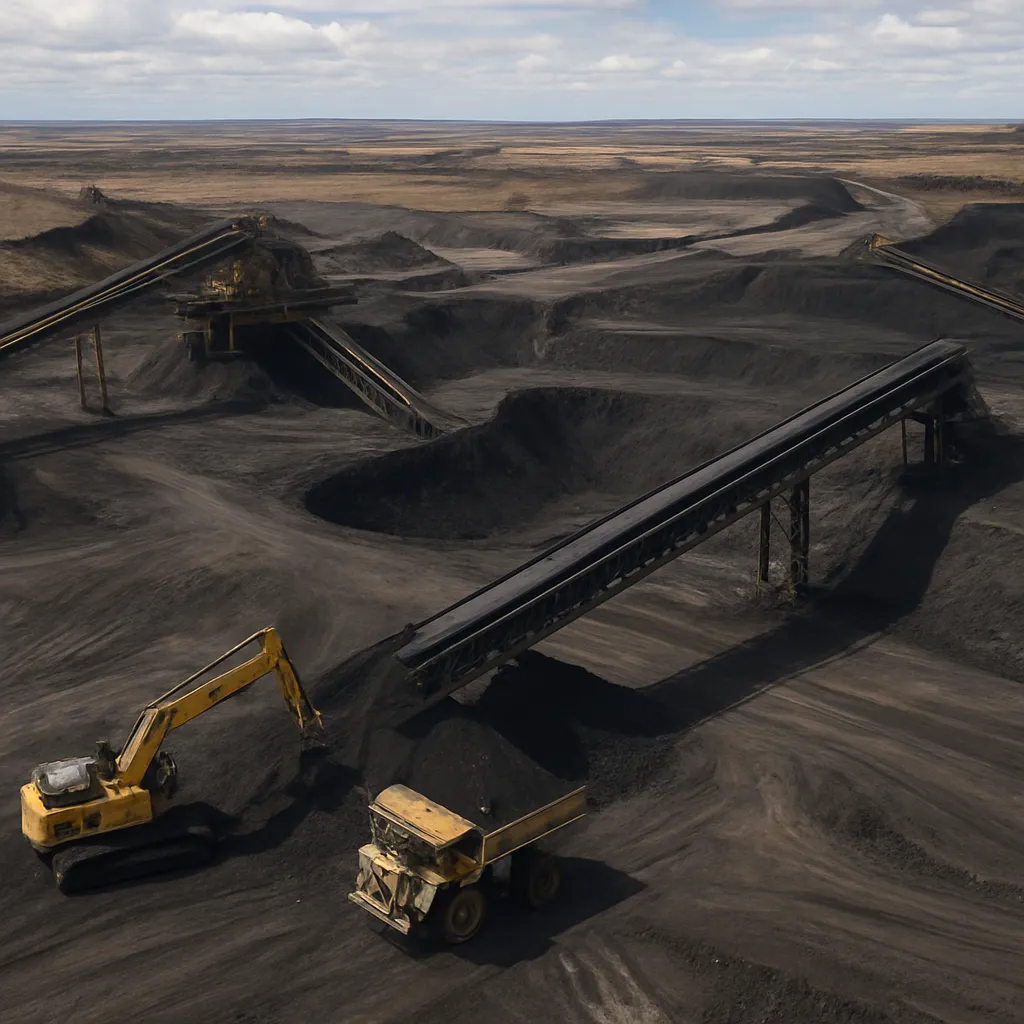
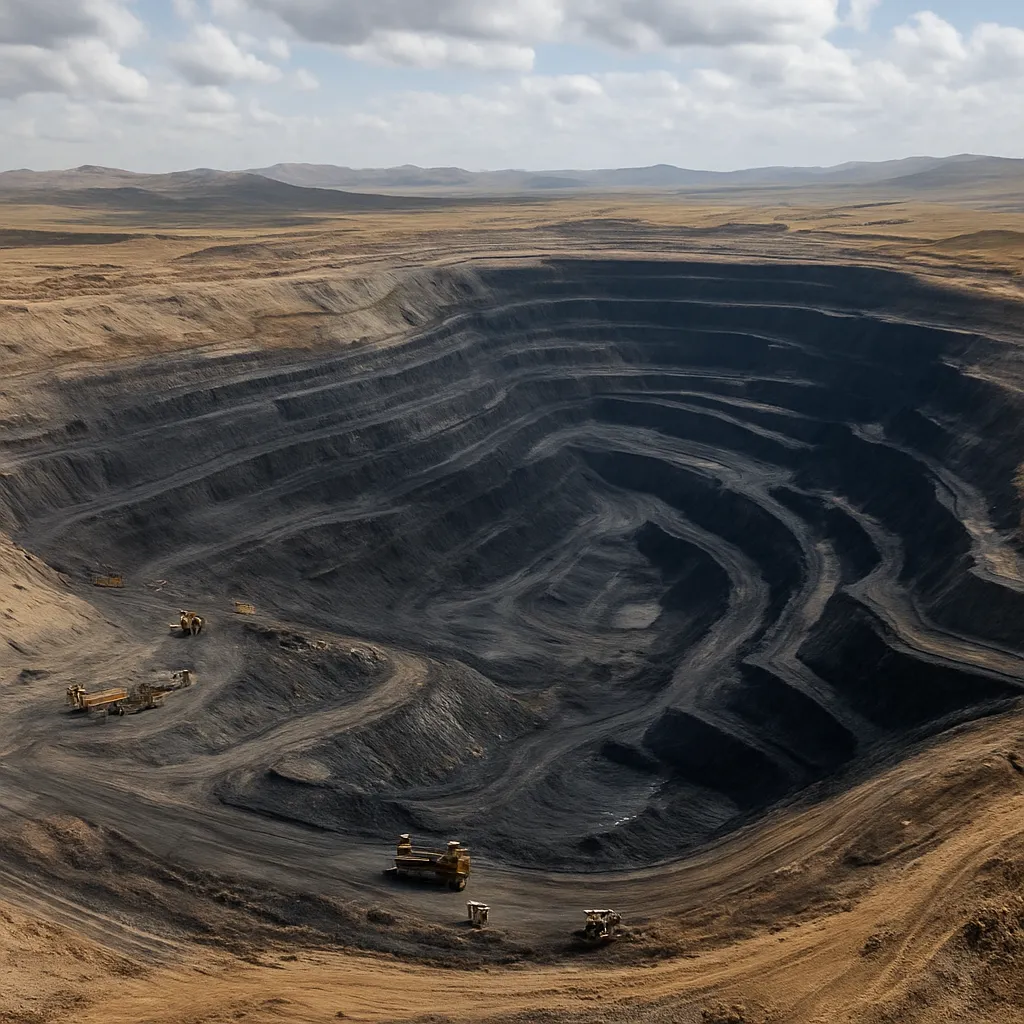
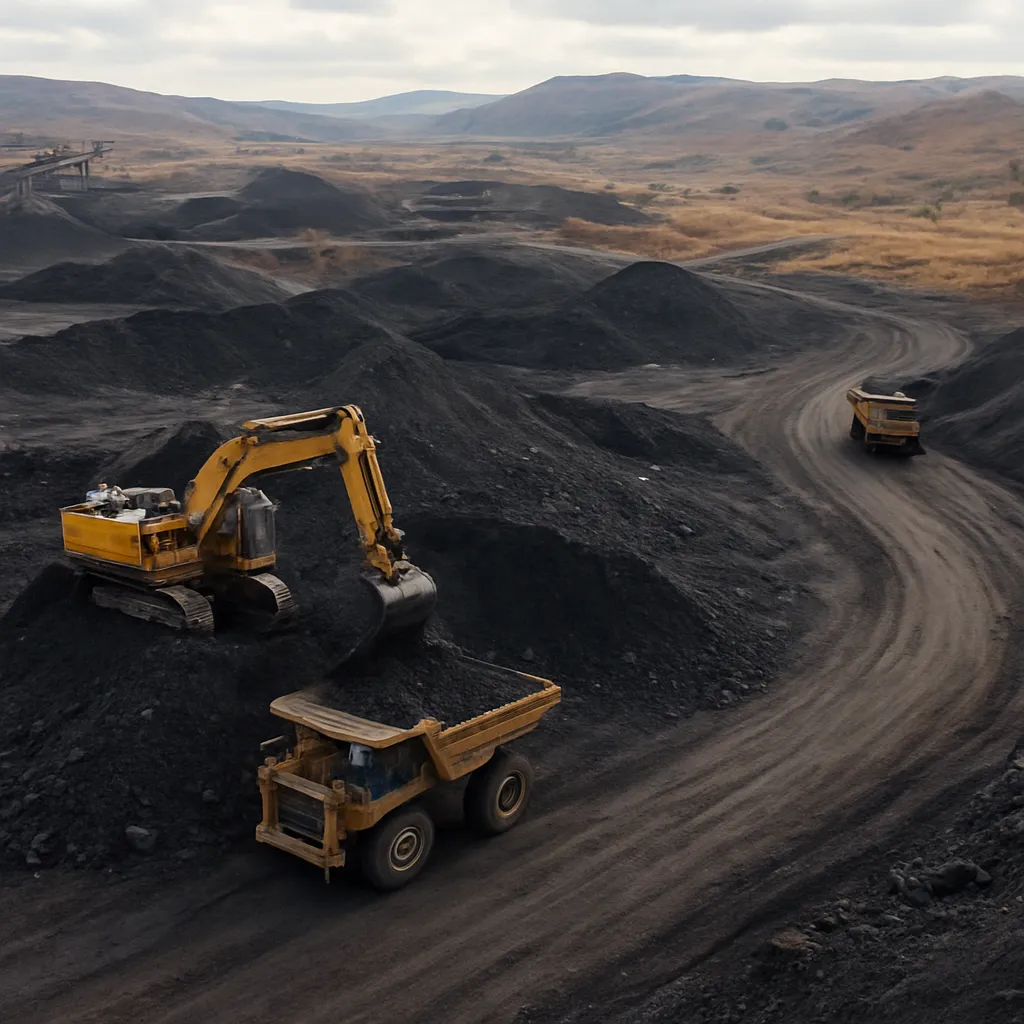
Mining methods that could apply to an Impendle operation include small-scale open-pit (opencast) mining where seams outcrop or near-surface, and shallow underground bord-and-pillar mining where seams are deeper but accessible. Given the topography near the Drakensberg, open-pit operations may be constrained by slope stability and environmental concerns. Exploration data (boreholes, seam mapping, resource statements) would be necessary to determine the economically minable reserve and the likely mining method.
Economic and industrial significance
On a local level, any coal mining activity in Impendle would have several direct and indirect economic impacts. These include employment, supply-chain spending, local business stimulation and contributions to municipal revenue through taxes and fees. However, the scale of that contribution depends on the mine’s output and operational structure.
At a national level, coal remains a cornerstone of the South African energy system and industrial base. Some key contextual points that illuminate the potential importance of even small regional coal sites:
- South Africa is one of the world’s largest coal producers and consumers, with the fuel providing the dominant input to electricity generation.
- Most domestic coal supports power generation, principally through Eskom’s fleet of coal-fired power stations, while a portion is exported as thermal coal via ports such as Richards Bay and Durban.
- The value chain for coal extends beyond mining to transport (rail and roads), port handling, and coal-fired power and industrial consumers, creating many indirect jobs and business opportunities.
For an Impendle site specifically, realistic economic expectations for a small-to-moderate mine could include annual production ranging from several hundred thousand tonnes to under one million tonnes of run-of-mine coal per year, depending on seam thickness, accessibility and investment. At that scale, the mine might primarily serve domestic power stations or local industrial consumers rather than large-scale export markets. Without published production figures or resource statements, these numbers remain illustrative.
National statistics that provide context include approximate figures for the South African coal sector (estimates to illustrate scale):
- Total national coal production: commonly cited in recent years in the order of roughly 200–300 million tonnes annually (this includes all mining operations across provinces).
- Share used for electricity generation: the majority of domestic coal—well over half—is consumed domestically for power generation, supplying state utility Eskom and industrial users.
- Exports: South Africa exports tens of millions of tonnes of thermal coal per year, serving markets in Asia and elsewhere; exported coal tends to be higher quality and more suitably beneficiated for shipping.
Transport, logistics and market linkages
Mining viability relies heavily on transport infrastructure. For Impendle, connectivity to main rail corridors and highways would determine the final markets for coal. The principal coal export corridor on the east coast is the rail link to the Richards Bay Coal Terminal, but many inland coalfields in Mpumalanga use separate rail routes. If an Impendle operation were to move coal beyond local users, options include:
- Road haulage to nearby power stations or transfer depots — feasible for short distances but costly for large volumes.
- Rail transport to coastal export terminals — requires connection to the national rail network and scheduling capacity, often a major logistical constraint for smaller mines.
- Local energy or industrial customers — supplying nearby industries or municipal energy projects that could benefit from a local fuel source.
Smaller mines often face higher per-tonne logistics costs, making local markets and value-adding through beneficiation (washing, size reduction) important for competitiveness.
Environmental, social and community aspects
Any coal operation in the Impendle area must navigate a range of environmental and social responsibilities. Coal mining impacts can be significant, especially in delicate upland and watershed environments characteristic of the Drakensberg foothills. Key issues include:
- Water management: mining can alter surface and groundwater flows, cause sedimentation and require careful management of runoff and treatment of mine-impacted water.
- Biodiversity and land use: areas of natural grassland and aquatic habitats may be affected by open pits, infrastructure and access roads.
- Air quality: dust from mining and transport, as well as emissions from coal handling, are local concerns for communities and workers.
- Rehabilitation and closure: South African mining law requires progressive rehabilitation and closure planning to restore land to agreed post-mining uses; the effectiveness of rehabilitation has direct social and environmental consequences.
- Community engagement: meaningful consultation with local communities, including traditional authorities in rural KwaZulu-Natal, is essential for social license to operate and for benefit-sharing (employment, local procurement, community projects).
Smaller operations can sometimes demonstrate strong community linkages and direct employment benefits, but they also risk creating localized environmental stress if operations are not well-regulated. In upland areas, particular attention must be paid to erosion control, slope stability and water protection.
Regulatory framework, ownership and corporate responsibility
Mining in South Africa is governed by national laws and regulations that shape licensing, environmental assessment, social obligations and royalty payments. Relevant elements include:
- Mining rights and prospecting rights issued by the national Department of Mineral Resources and Energy (DMRE).
- Environmental Impact Assessment (EIA) processes and environmental authorisations administered under national environmental legislation; these require public participation and baseline studies.
- Obligations for social and labour plans (SLP), local procurement targets, and employment equity as part of broader mining charters and regulatory expectations.
- Royalties and taxes that contribute to national and local government revenues.
Ownership structures in the South African coal sector range from major listed mining houses to independent and community-based operations. In any Impendle context, possible ownership forms include:
- Private or listed mining companies operating a concession or project.
- Joint ventures between private companies and community or municipal stakeholders.
- Small-scale or artisanal licensees operating under prospecting or mining rights.
Corporate responsibility practices for modern operations typically emphasize health and safety standards, environmental management, community development programs, and transparent reporting. For community trust and long-term viability, these elements are crucial.
Statistical context and what is known about Impendle specifically
There is limited public, mine-specific data under the name “Impendle Coal Mine” comparable to the detailed reporting available for major collieries in Mpumalanga or Limpopo. Where such specific data are absent, it is appropriate to combine local reconnaissance information with broader provincial coal statistics to infer the potential scale and significance of an Impendle site.
What can be stated with reasonable confidence:
- Impendle lies within a geographic and geological setting where Karoo-age coal-bearing strata may be present, so coal occurrences are geologically plausible.
- Any commercially viable coal operation in the area is likely to be smaller than the large Mpumalanga coalfields, therefore more focused on domestic or regional markets.
- Detailed resource estimates (measured, indicated, inferred) and annual production figures for an Impendle operation would need to come from company technical reports, DMRE filings, or published environmental authorisations.
Significance in industry and potential future roles
Even smaller coal sites can play meaningful roles in regional economies, providing employment, supporting local businesses and contributing to energy security. Potential future roles for an Impendle coal operation could include:
- Supplying proximate industrial users or municipal energy projects, reducing reliance on long-distance coal transport.
- Serving as a feedstock for local beneficiation projects (coal washing or briquetting) that add value before sale.
- Supporting community development through inclusive ownership, training and local procurement.
At the same time, future viability is shaped by broader energy transitions. South Africa is engaged in discussions about diversifying its energy mix and reducing carbon intensity. The decline of coal-fired electricity over decades remains uncertain in pace, and many coal projects face increasing scrutiny from financiers and customers regarding environmental performance and climate risk. For Impendle, this means operators and stakeholders may need to balance short- to medium-term economic benefits against long-term sustainability and potential shifts in demand.
Interesting and lesser-known aspects
Several interesting considerations often apply to smaller, less-documented coal regions like Impendle:
- Local geology can yield surprises: thin but higher-quality seams, especially where peat-forming environments were favoured in ancient basins, can make small deposits attractive for targeted development.
- Community geology and oral histories sometimes point to old workings or historical coal use (domestic or farm-level) that predate formal modern mining records.
- Environmental offsets and biodiversity programs in upland settings can create models for combining mining with conservation, if carefully planned and resourced.
- Technological options for small mines—such as modular washing plants, or partnerships for rail transshipment—can improve economics where infrastructure is otherwise limiting.
Concluding remarks
The Impendle area of KwaZulu-Natal is situated in a geologically plausible coal-bearing region, but publicly available, mine-level information under the name “Impendle Coal Mine” is limited. If an operation exists or is planned there, it is likely to be small-to-medium in scale and of primary importance to local and regional markets rather than being a major national exporter. Key determinants of its significance will be the measured quality and continuity of coal seams, accessibility and transport logistics, regulatory approvals, and how well environmental and community obligations are addressed. In the wider context, South Africa’s coal sector remains a major component of the national energy system and economy, giving even smaller mines potential strategic value—while also subjecting them to increasing scrutiny regarding sustainability and long-term viability.
Note: For precise resource figures, annual production volumes, ownership and up-to-date operational status of any Impendle mining site, consulting company technical reports, DMRE records or the mining company’s publications is recommended. This article provides contextual and generalised information and highlights variables that typically determine the economic and environmental profile of a coal mining site in this part of South Africa.