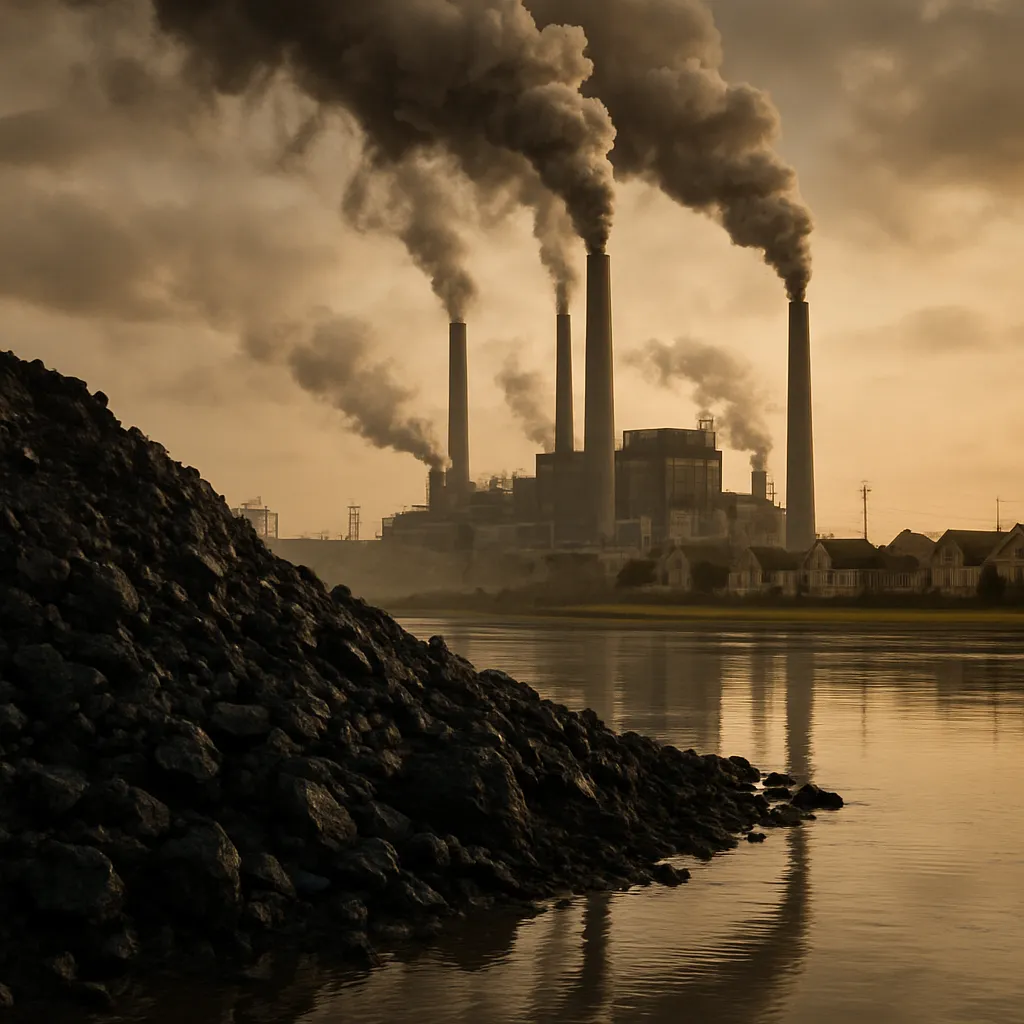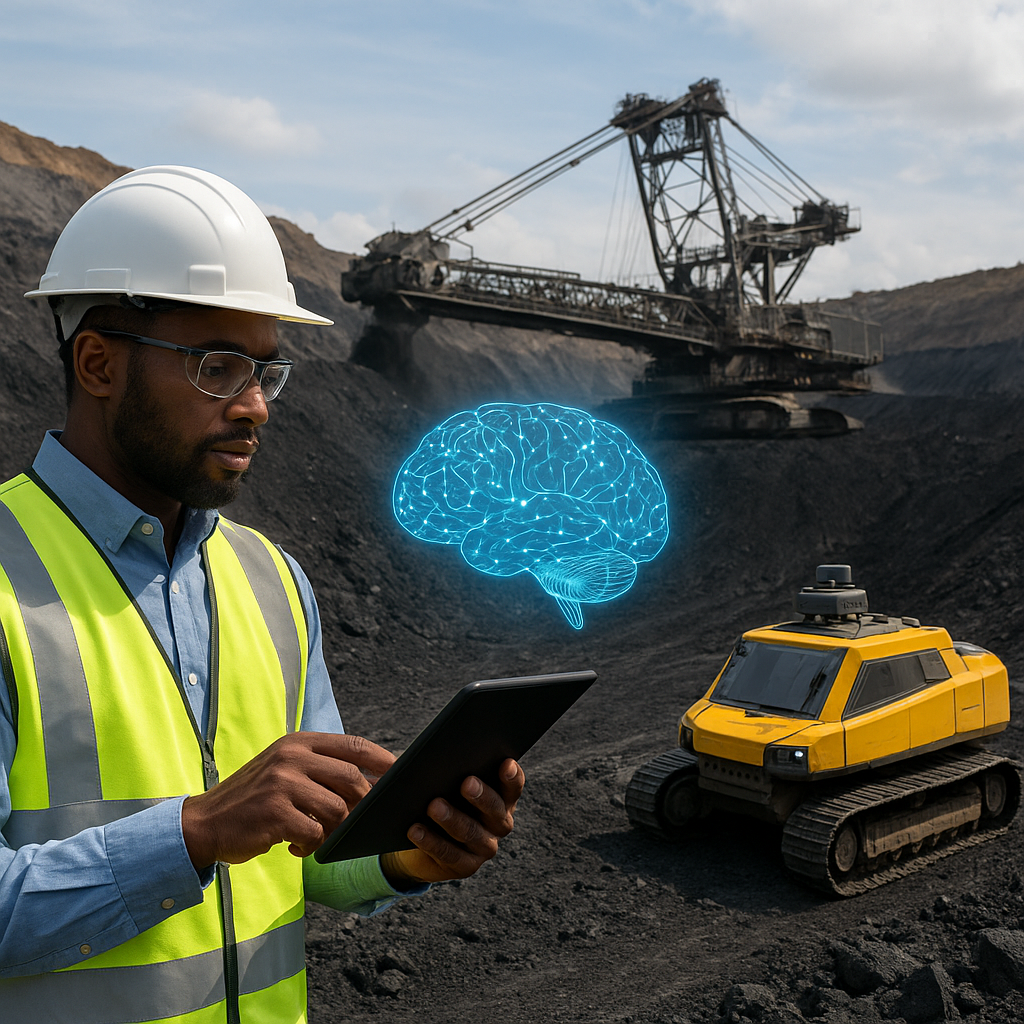
The global reliance on coal remains significant despite the accelerating shift toward renewable energy. Coal continues to fuel power plants, steel production, and various industries worldwide. However, traditional mining methods face growing challenges: deteriorating resource quality, stringent environmental regulations, volatile market prices, and safety concerns. Recent advancements in Artificial Intelligence (AI) are reshaping the coal sector, unlocking new opportunities for efficiency, improved safety, and enhanced sustainability. This article explores how cutting-edge technologies transform mining operations, optimize inventory and stockpile management, and deliver environmental and economic benefits.
Digital Transformation of Coal Mining through AI
Modern mines are evolving into technologically driven ecosystems. By integrating AI-driven tools, operators can harness vast amounts of data from sensors, drones, and remote monitoring devices to refine workflows. This digital metamorphosis is underpinned by machine learning models that detect patterns, forecast equipment failures, and deliver actionable insights.
Key Technologies and Applications
- Predictive maintenance algorithms analyze vibration, temperature, and pressure data to schedule repairs before breakdowns occur, minimizing downtime.
- Autonomous drilling and hauling units, guided by computer vision, reduce human exposure to hazardous conditions and enhance extraction accuracy.
- Drones equipped with LiDAR and thermal cameras conduct aerial surveys to map overburden, measure pit volumes, and detect structural anomalies.
- Advanced sensor networks provide real-time feedback on air quality, structural stability, and worker locations, reinforcing safety protocols underground.
By leveraging these innovations, mining companies can achieve a 20–30% improvement in operational efficiency, while simultaneously reducing energy consumption and wear on machinery. AI’s ability to adapt continuously to new data enhances decision-making under uncertain geological conditions.
Impact on Coal Stock Management
Effective management of coal stockpiles is critical to balancing supply with fluctuating demand and market dynamics. AI tools enable precise control over inventory levels, minimize waste, and optimize logistics across the supply chain.
AI-Powered Inventory Optimization
- Monitoring systems equipped with optical and radar sensors provide volumetric measurements of stockpiles with centimeter-level accuracy.
- Machine learning models forecast coal quality variations based on moisture content, ash percentage, and calorific value, guiding blending strategies.
- Dynamic pricing algorithms integrate market indicators, logistical costs, and regional demand to determine optimal selling points for different coal grades.
- Automated scheduling platforms coordinate rail, road, and port shipments, reducing demurrage fees and turnaround times.
As a result, stockouts and overstock situations become less frequent, leading to better capital utilization. Furthermore, improved forecasting of coal grades allows for more consistent product quality, strengthening supplier-customer relationships and boosting profitability.
Environmental and Economic Advantages of AI-Driven Coal Industry
While the transition to renewables advances, coal will play a transitional role in many regions for decades. Integrating AI in mining and combustion processes can lower the sector’s carbon footprint and comply with tightening emissions standards.
Reducing Emissions and Waste
- Intelligent combustion controllers adjust burn rates in real time to maintain optimal temperatures and minimize emissions of CO₂, SO₂, and NOx.
- Predictive analysis of waste streams enables better segregation of hazardous materials, improving disposal methods and reducing environmental liabilities.
- Water management models optimize recirculation in coal washing plants, decreasing freshwater consumption and effluent discharge.
These measures can reduce greenhouse gas emissions by up to 15%, aligning coal operations with environmental regulations and corporate sustainability goals. From an economic standpoint, lower fines, taxes, and fees related to pollution translate into significant cost savings.
Cost Efficiency and Risk Mitigation
- Optimization of drill patterns and blasting sequences lowers explosive use and rock fragmentation, cutting per-ton extraction costs.
- AI-based risk assessment tools predict geotechnical hazards such as wall failures or gas outbursts, safeguarding personnel and assets.
- Supply chain digital twins simulate disruptions—from labor strikes to extreme weather—enabling preemptive contingency planning.
By automating repetitive decision tasks and enhancing predictive capabilities, mining enterprises can reallocate human talent toward strategic initiatives, fostering innovation and resilience.
Future Outlook of Coal Mining and AI
The integration of AI into coal mining is still in its early stages, yet momentum is building. As edge computing, 5G connectivity, and the Internet of Things (IoT) mature, on-site processing of sensor data will become faster and more reliable, enabling truly autonomous mining sites.
Toward a Hybrid Energy Landscape
- AI-enabled carbon capture systems at coal-fired power plants will optimize absorption cycles and regeneration processes, lowering the cost per ton of CO₂ removed.
- Predictive maintenance of hybrid solar-coal facilities will manage the dynamic interplay between intermittent renewables and baseload coal units, maximizing overall grid stability.
- Advanced analytics platforms will support policy makers in designing carbon markets and incentive schemes that balance energy security with environmental commitments.
In this emerging paradigm, coal may coexist with green technologies, leveraging AI to minimize its ecological impact while fulfilling global energy demands. The adoption of intelligent systems represents a pragmatic path toward a more sustainable and efficient coal industry, bridging the gap between current dependency and future low-carbon aspirations.